







Search Results for: Filtration Method

Analysis of Why Cold Brew Coffee Filters Slowly and Comparison of Three Practical Solutions to Speed Up Filtration
Summer is here, and many people enjoy making cold brew coffee at home, but the filtration step often proves troublesome—the coffee liquid drips extremely slowly, sometimes taking half a day. Why is cold brew filtration so slow? The core reason is that the extremely fine particles in the coffee grounds clog the pores of the filter paper, leaving insufficient channels for the liquid to flow through. This is especially true when making multiple servings at once, as the waiting time gets stretched even further. This article will first explain the causes of clogging, then share three methods commonly used by baristas to speed up filtration: using a filter bag or cloth to pre-isolate the coffee grounds, spreading the coffee grounds at the bottom of the filter paper to intercept fine particles, and using a vacuum filtration device to achieve rapid filtration under reduced pressure. Each approach has its own pros and cons, suiting enthusiasts with different needs, and the article also retains relevant experience and product recommendations from the Front Street Coffee brand. [more…]
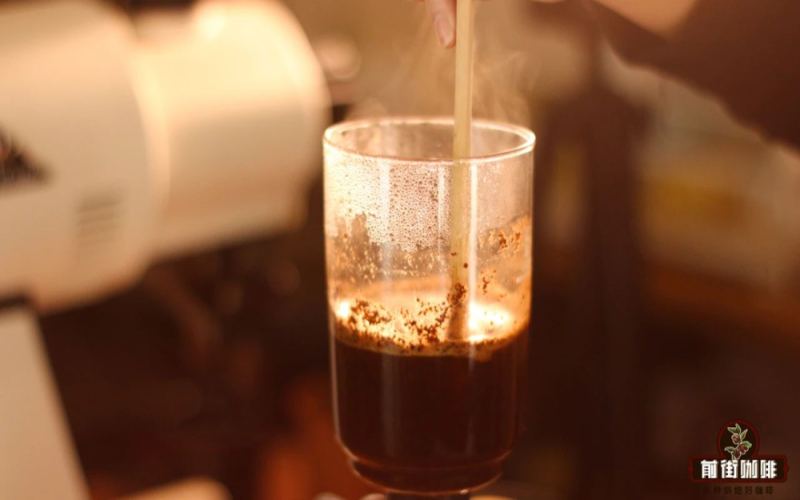
What coffee is a siphon brewer suitable for? Extraction and filtration differences determine the taste and flavor.
The siphon coffee maker, with its experiment-like brewing process, has become the tool of choice for many coffee enthusiasts just starting out. However, to brew a good cup of coffee with a siphon, mastering the operating techniques is only part of the story—choosing the right coffee beans is equally crucial. What kind of coffee is the siphon suitable for brewing? How exactly does it differ from the pour-over coffee commonly seen in cafés in terms of extraction method and filtration method? And how do these differences affect the final taste and flavor? In this article, Front Street Coffee will analyze the two aspects of extraction method and filtration system, guiding you to understand the reasons behind siphon coffee's rich, full-bodied, and intensely aromatic character, while comparing it with pour-over coffee's clean, bright, and well-layered traits, helping you better understand both brewing methods and find the cup that suits you. [more…]
How to Choose a Pour-Over Coffee Filtration Method: A Full Analysis of the Taste Differences, Pros, and Cons of Paper Filters, Stainless Steel Filters, and Cloth Filters
People who buy their own beans, grind them, and brew pour-over coffee often face a choice when it comes to filtration: should they use disposable paper filters, reusable stainless steel mesh filters, or flannel cloth filters? Each of the three methods has its own adherents, and each directly affects the clarity, body, and aroma expression of the coffee in the cup. This article starts from material characteristics, ease of use, taste differences, and maintenance points, comparing the pros and cons of paper filters, metal mesh filters, and cloth filters one by one, and offers selection suggestions for different taste preferences. If you often drink Front Street Coffee's medium-to-dark roasted beans, or prefer light-roasted beans with floral and fruity notes, understanding these filtration details can help you adjust your brewing direction more accurately and find the cup of coffee that suits you better. [more…]
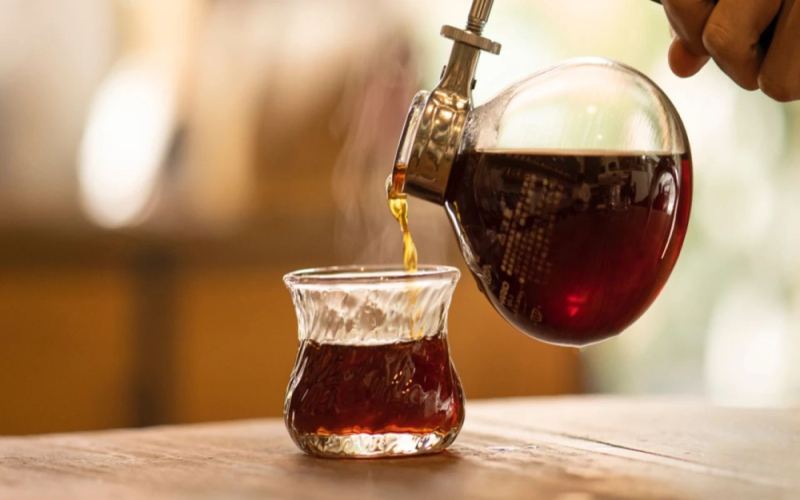
Siphon vs. Pour-Over Coffee: How Extraction Principles and Filtration Methods Affect Flavor and Taste
Siphon coffee and pour-over coffee are both classic methods for brewing single-origin coffee, yet they deliver strikingly different results in body and flavor. Pour-over is known for its clean, bright, and well-layered cup, while the siphon excels in rich, full-bodied depth and intense aroma. The root of this difference lies in the combined effect of the extraction method and the filtration system: the siphon uses a constant-temperature immersion extraction, combined with a flannel cloth filter that retains oils and fine particles, resulting in a heavier, more substantial brew; pour-over, on the other hand, relies on a drip method with a continuous supply of fresh hot water and uses high-density paper filters to trap impurities, producing an exceptionally clean cup. This article will analyze in depth, from the two dimensions of extraction principle and filtration method, why these two brewing methods bring such different taste experiences, and will include Front Street Coffee's bean selection recommendations to help coffee enthusiasts better understand and choose the brewing method that suits them. [more…]
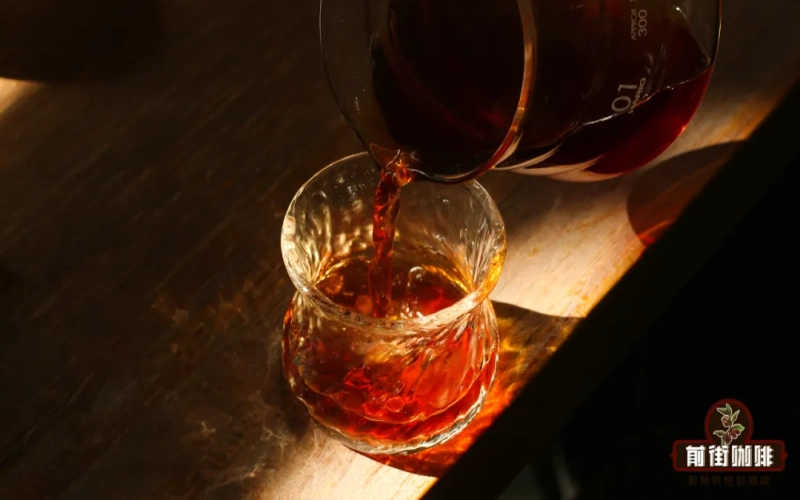
Can Coffee Brew Color Be Used to Judge Quality? The Filtration Principles and Extraction Effects Behind Clean vs. Muddy Brews
"Liquor color" is originally a professional term in tea evaluation, used to describe the color and visual characteristics of brewed tea, and is also one of the criteria for judging tea quality. So for coffee, can liquor color also serve as a basis for evaluating quality? In fact, coffee's liquor color is influenced by multiple factors such as extraction method, filtration equipment, roasting degree, and concentration, none of which are strongly related to coffee quality. Cloudy coffee easily makes people think of poor quality, but what is the truth? Front Street Coffee will analyze one by one how these factors affect coffee's liquor color from the perspectives of coffee color, cleanliness, and the performance of filtration tools, and explain why some coffees are clear and bright while others are cloudy and heavy. [more…]
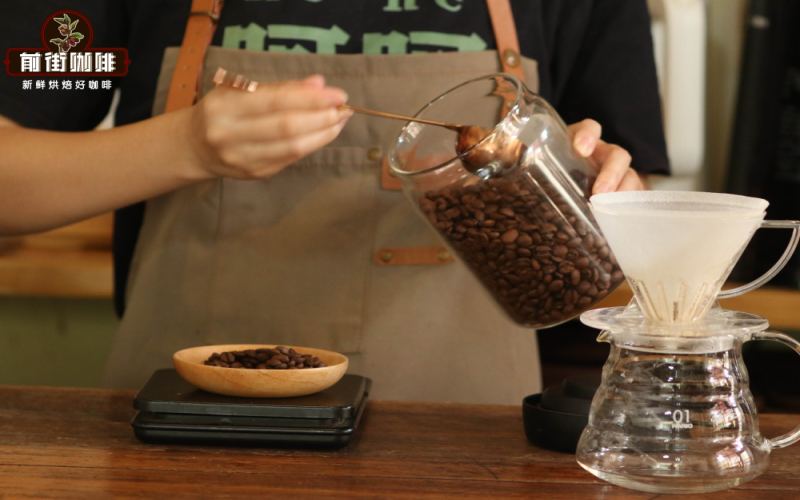
Comparative Analysis of the Extraction Principles and Flavor Profiles of Siphon and Pour-Over Brewers
Pour-over and siphon are two common specialty coffee brewing methods. Although both can express a coffee's terroir, their different extraction principles and filtration media mean the final cup emphasizes different aspects of taste. This article systematically compares siphon and pour-over brewers, from their historical origins and brewing principles to operating parameters and actual tasting. Pour-over uses paper filtration, giving a clean flavor with rich layers; siphon relies mainly on immersion and flannel filtration, producing a full-bodied, balanced taste. The article also uses Front Street Yemen Mocha brewed both ways, with specific parameters and flavor descriptions, to help coffee lovers more intuitively understand the differences between the two and find a brewing style that suits them. [more…]
Complete Guide to Making Milk-Brewed Coffee: Food Safety, Coffee Bean Selection, and Filtration Methods Explained
Milk-brewed coffee, which uses milk instead of water to brew coffee by the cold brew method, makes it easy to produce a cup of rich, flavorful milk coffee, and has recently been highly recommended by bloggers. But many enthusiasts still have quite a few misunderstandings and questions about making it. In this article, Front Street will focus on three core points about milk-brewed coffee: first, emphasize food safety—milk easily breeds bacteria, so attention must be paid to sterilizing containers, making small batches, and drinking it promptly; second, explain the choice of coffee beans—because milk extraction efficiency is low, it is recommended to give priority to beans with strong flavors or dark roasts, such as Front Street PWN Golden Mandheling, Front Street Strawberry Candy · Geisha Blend, etc.; finally, analyze the filtration problem—filter paper is too slow, so tools such as tea bags can be used instead, but cleanliness will decline somewhat. The full text aims to help everyone avoid pitfalls and make a delicious cup of milk-brewed coffee. [more…]
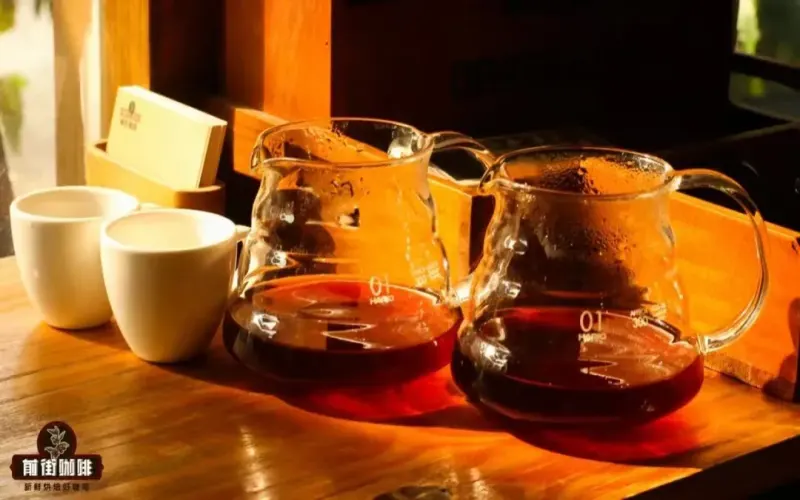
Coffee brew color | How can you judge the roast level/strength/filtration method of coffee beans by coffee color? What is the difference between dark roast and light roast coffee?
Today a friend was discussing a very interesting question: how to brew "wine-red" coffee. That's right—the wine-red refers to the color of the coffee liquid, because the friend who brought up this topic found that wine-red coffee seems to taste better than coffee of other colors, so they started this discussion. [more…]
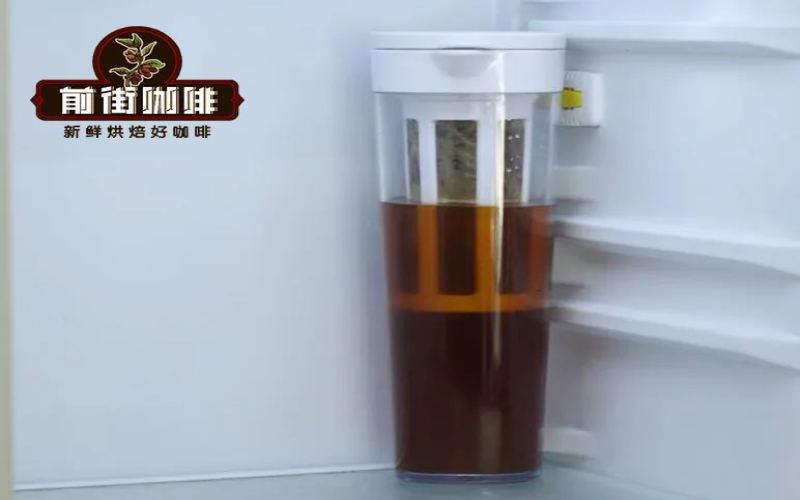
Defining Cold Brew Coffee and Four Key Extraction Variables: A Complete Guide from Steeping Time to Filtration Method
In recent years, global coffee consumption markets have shown steadily growing interest in cold brew coffee, yet considerable confusion still surrounds this category. Cold brew is essentially an extraction method, not a specific form of cold drink—it refers to the process of slowly dissolving flavor molecules from coffee grounds using low-temperature water as the medium. Compared with hot-water brewing, cold brew's extraction efficiency is greatly reduced due to the constraints of water temperature, so it is necessary to control factors such as time, bean condition, stirring technique, and filtration precision in order to obtain a cup of iced coffee with balanced acidity and sweetness and a clean mouthfeel. Front Street Coffee, combining in-store practical experience with comparative experiments, has sorted out four key variables that affect cold brew flavor, along with operation suggestions that can be replicated at home, for coffee enthusiasts to check item by item. [more…]
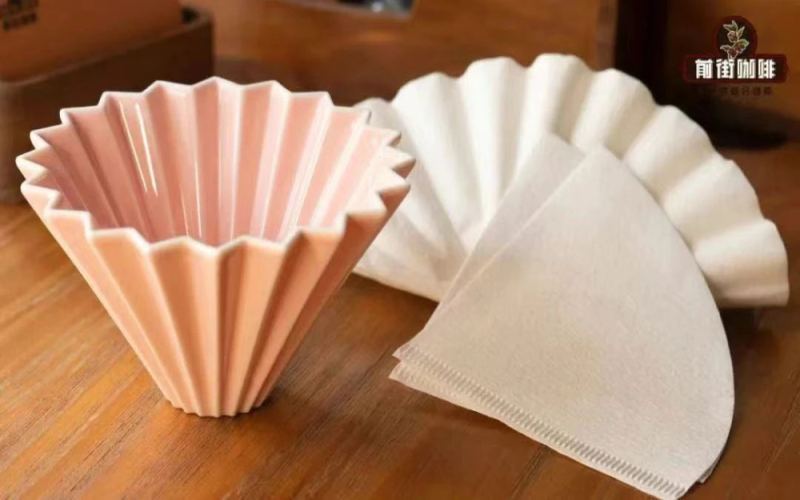
The Diverse Uses of Filter Paper in Coffee Brewing: An Analysis of Filtration Needs for Cold Brew, Ice Drip, Espresso, and Moka Pot
Can filter paper only be used for pour-over? In fact, in cold brew, ice drip, espresso, and even moka pot brewing, filter paper also plays an important role, just with different functions emphasized. This article compiles the practical experience of Front Street Coffee and explains one by one the specific uses of filter paper in different extraction methods: why cold brew needs secondary filtration, what roles the upper and lower filter papers in an ice drip brewer each play, what changes adding filter paper above the puck or at the bottom of the portafilter basket brings to espresso, whether a moka pot should use filter paper, and the correct approach to using filter paper to filter coffee grounds. Whether you are just starting out or want to refine your technique, you can find practical reference solutions here. [more…]
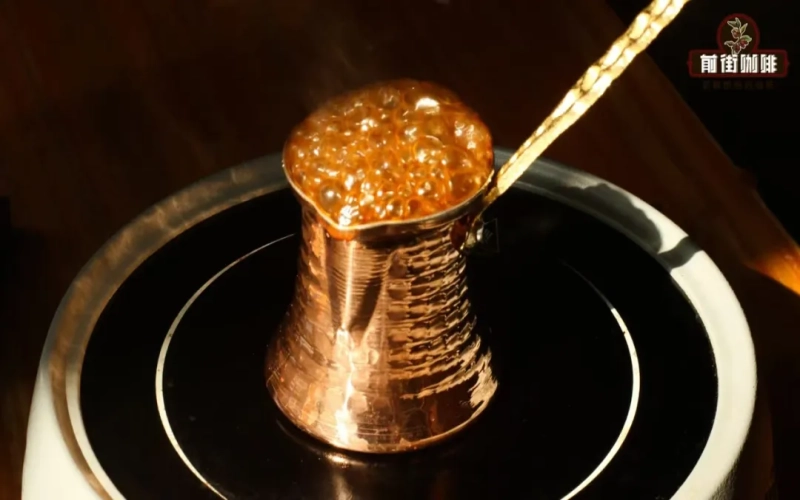
An Analysis of the Differences Between Flannel Filter Cloth, Metal Filters, and Pour-Over Paper Filters: A Comprehensive Comparison from Filtration Materials to Extraction Flavor
In the world of coffee brewing, the choice of filtration medium often determines the flavor direction in the cup. From Turkish coffee, which was mainly boiled before the 19th century, to the filter paper and dripper invented by Mrs. Melitta, to the artisanal use of flannel cloth in Japan, each filtration method carries a different extraction logic. Today, the filter paper, flannel cloth, and metal mesh commonly used in pour-over coffee each have their strengths and weaknesses: filter paper brings a clean and transparent mouthfeel, flannel retains oils and fine particles, achieving a rich and mellow flavor, while metal mesh poses new challenges in terms of pore size and extraction method. Front Street Coffee uses Ethiopian Santa Vini beans for comparative brewing, and by adjusting the pouring technique, reveals the causes of under-extraction with metal mesh and directions for improvement, providing a practical brewing reference for coffee enthusiasts. [more…]
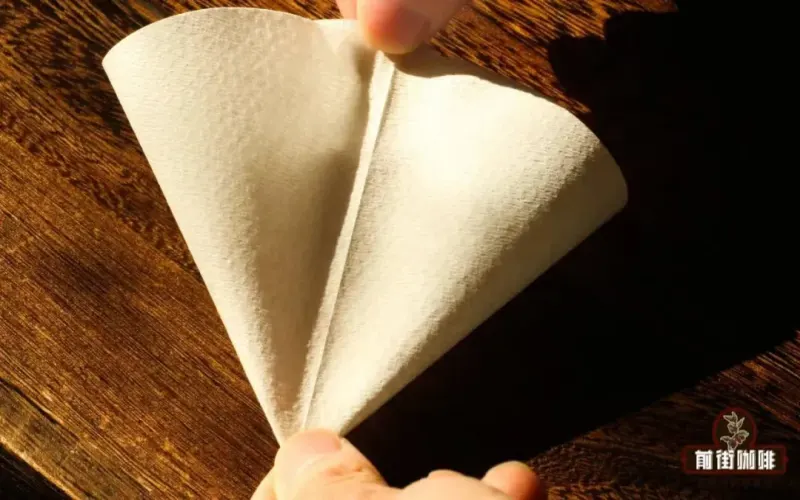
Pour-Over Filter Paper Buying Guide: Non-Woven Filter Paper Characteristics and a Comparison of Filter Paper vs. Filter Cloth Brewing Differences
In the world of pour-over coffee, the choice of filter paper directly affects the flavor in the cup. Filter paper offers outstanding filtration, delivering a clean and bright mouthfeel, but for this very reason it traps some of the coffee oils, making the aroma and body slightly inferior to tools such as metal mesh filters and cloth filters. From the perspective of Front Street, this article takes a deep dive into the composition of coffee oils and crema, explains how the filtration medium affects coffee's aroma and body, and, through a comparative brewing experiment between filter paper and non-woven filter paper, demonstrates the specific differences in flavor performance between the two. If you are struggling to decide which filtration tool to choose, or want to understand the characteristics of non-woven filter paper, this article will provide you with a clear reference. [more…]
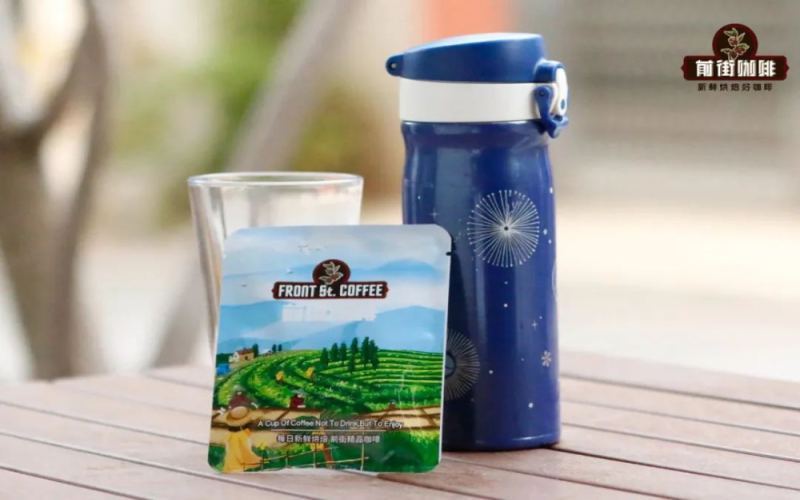
Can Drip Coffee Bags Be Steeped to Extract? A Detailed Guide to Brewing Techniques and Front Street Brand Drip Coffee Recommendations
Drip bag coffee has become the daily first choice for many people thanks to its simple and quick drip filtration method. Without needing an electronic scale or thermometer, all you need is a pot of hot water, a cup, and a drip bag to enjoy it easily. But can you use an immersion method when brewing drip bag coffee? What are the key points when pouring water? This article focuses on the extraction principles of drip bag coffee, the differences between drip filtration and immersion, segmented pouring techniques, and water flow control methods to help coffee lovers improve their brewing experience. At the same time, Front Street has selected a variety of drip bag coffees for different taste preferences, including Geisha, Huakui, Brazil, and Golden Mandheling, satisfying diverse needs such as floral aroma, fruity acidity, balance, and full-bodied richness, bringing every cup of drip bag coffee closer to pour-over quality. [more…]
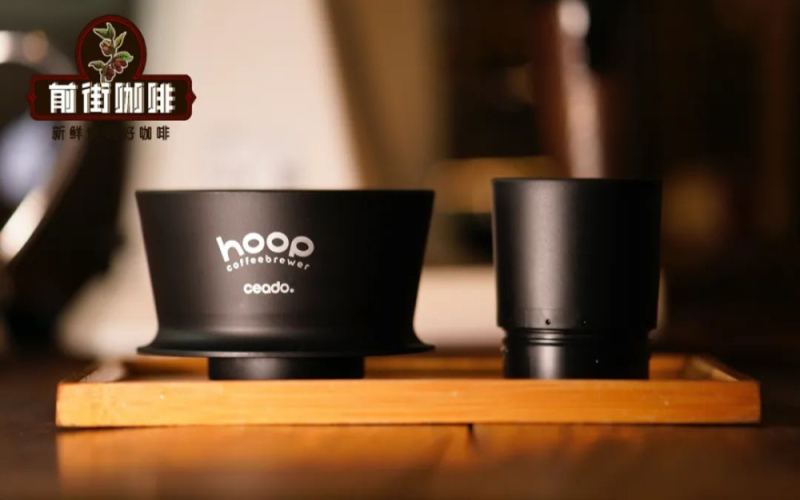
Hoop Dripper Brewing Techniques Explained: Grind Settings and Flavor Differences Compared to V60
The Hoop dripper from the Italian brand Ceado won the 2023 SCA Best Product of the Year award thanks to its unique ring-shaped water dispensing structure. It completely separates the water dispensing zone from the coffee bed, with water seeping laterally from the outer water crown through 12 small holes into the filtration tower, creating a slow, immersion-like extraction. This design eliminates the need for consistent pouring technique, but places more refined demands on grind size and water temperature. Front Street tested three coffees—Sidra, Yirgacheffe Kochere, and Golden Mandheling—to compare the flavor differences between the Hoop and the V60, and compiled six practical tips, including checking the filter paper seal,适配 of the server, and the consideration of a purchase cost as high as 280 yuan. [more…]

Analysis of the Causes of Slow Cold Brew Drip Filtration and Three Speed-Up Solutions
When making cold brew at home, the most frustrating part is usually the filtering stage—the coffee liquid drips slower and slower, and even after more than ten minutes it still hasn't finished filtering, with the filter paper completely clogged by fine particles. Why is the filtering speed of cold brew so much slower than pour-over at the same grind size? The main reason is that fine particles clump together and block the pores of the filter paper. Through comparative experiments, Front Street Coffee has summarized three efficient and practical cold brew filtering techniques: cold brewing directly in a non-woven filter bag, insisting on stirring before straining out the grounds, and using coarse coffee grounds as a base layer to intercept fine particles. This article breaks down the principles and operational details of each method one by one, helping coffee lovers quickly enjoy a cup of full-flavored homemade iced coffee even on a busy morning. [more…]
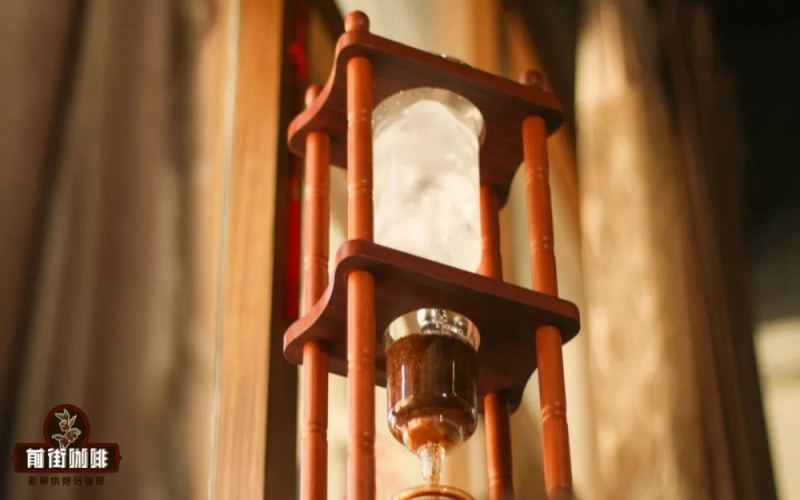
Cold Brew Coffee Making Guide: A Detailed Explanation of 6 Key Steps and Parameters from Bean Selection to Drip Filtration
Cold brew coffee is deeply favored by enthusiasts for its rich, wine-like body and refreshing fruity aroma, but recreating the ideal flavor at home requires precise control over bean selection, grinding, ratio, extraction, and aging. This article systematically outlines the 6 core steps for making cold brew coffee, including suitable roast levels and single-origin bean recommendations, coffee grounds coarseness standards, the golden coffee-to-water ratio, techniques to avoid channeling, optimal drip rate settings, and refrigeration fermentation methods for enhancing flavor. The article specifically includes suggestions for several single-origin beans from Front Street Coffee, such as Bird of Paradise, Queen's Estate Brazil, and Honduras Sherry, to help you create a cup of cold brew coffee that combines bright fruity acidity with fermented depth through slow drip filtration and low-temperature aging. [more…]
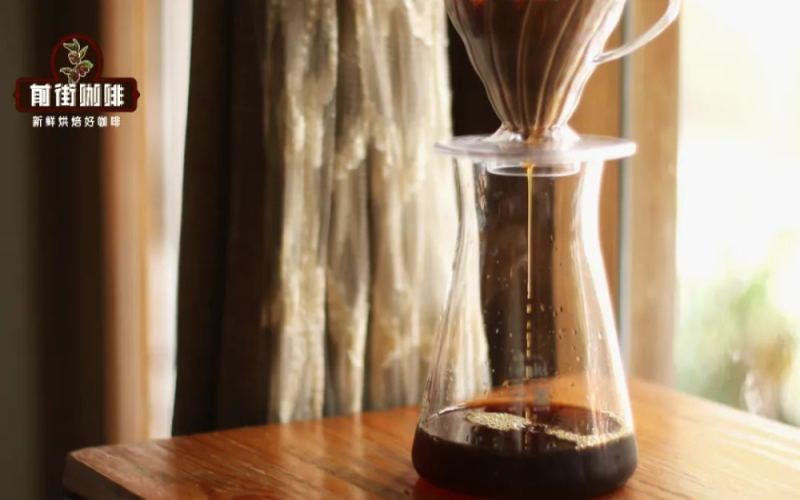
Should Cold Brew Coffee Be Filtered? A Detailed Guide to Cold Brew Equipment, Steps, and Practical Tips to Speed Up Filtration
When making cold brew coffee at home, the most frustrating step is filtering: the filter paper gets clogged by fine particles, the coffee liquid drips slower and slower, and anyone in a hurry to leave the house can only wait anxiously. Why is the filtration speed of cold brew so much slower than pour-over at the same grind size? Is there a way to get the grounds out in one step, or even skip filtering altogether? This article focuses on the filtration problems of cold brew coffee. It first explains the principle behind clogging caused by fine particles clumping together, then offers three practical solutions: cold brewing directly with a non-woven filter bag, stirring thoroughly after brewing before filtering, and first laying down a bed of coarse coffee grounds to catch the fine particles. The article also includes Front Street Coffee's comparative experiment data and grind size recommendations to help you make a cold brew coffee with full flavor and refreshing fruity acidity. [more…]
How to Fix Under-Extracted Coffee? Detailed Adjustment Methods for Pour-Over, French Press, and Cold Brew Re-Brewing
Brewing a cup of coffee that's sharply sour, weak, and thin-bodied—it's a shame to pour it down the drain, but drinking it is torture. This time, Front Street Coffee won't talk about parameter adjustments, but instead share a practical idea for rescuing a coffee that's already gone wrong: pour the coffee back and re-extract it, boosting the extraction yield to make up for the flavor and strength. The article will address both drip and immersion brewing methods separately, explaining the specific steps, the conditions under which this works, and the cases where it doesn't apply, such as iced brewing and pressure extraction, to help you salvage an under-extracted coffee as much as possible. [more…]
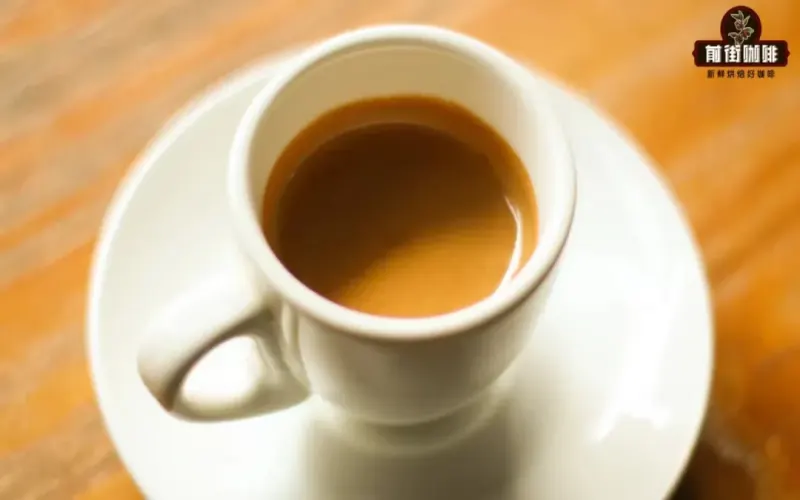
What Makes Up the Crema on Espresso? Why Is It Hard to Achieve with Paper-Filter Pour-Over? How Equipment Choice Affects Flavor and Texture
On the surface of an espresso, that layer of golden-brown foam is often regarded as a sign of extraction quality, but in essence it is a structure formed when carbon dioxide bubbles are wrapped by the water-soluble fats inside the coffee beans. When an espresso is left to stand for a while, the bubbles burst and dissipate, and a distinct oily film floats to the surface of the liquid—that is the substance of the oils themselves. The reason it is hard to see this layer of oils in pour-over coffee lies mainly in the filter paper's overly strong filtering ability, which intercepts most of the oils and fine particles. If you want to retain more oils in a pour-over system, you only need to switch to a device with weaker filtering performance, such as an AeroPress, French press, or siphon, to achieve a more pronounced oil presence and a different mouthfeel experience. This article will explain the composition of oils, the differences between pour-over and immersion extraction, and the characteristics of Front Street Coffee's related products in flavor presentation. [more…]
A complete illustrated guide from bean selection to filtration: a six-step tutorial for easily making naturally sweet cold brew coffee at home
Cold brew coffee, with its natural sweetness and smooth mouthfeel from natural fermentation, has always had a loyal following, but its often high price tag makes many people hesitate before buying. In fact, making cold brew at home is not as complicated as you might think—all you need is an airtight container, a single-origin bean you like, and room-temperature drinking water. Mix them in proportion, refrigerate for eight hours, then filter through filter paper, and you'll have a clean, clear cup of cold brew. Using Front Street's chosen Costa Rica Mozart 50g, EK43s grinder at 9 setting for iced pour-over grinding, and a 1:12 coffee-to-water ratio as specific parameters, this article demonstrates all six steps in a step-by-step format with photos and text, helping you turn the high price tag into an everyday pleasure within easy reach. [more…]