







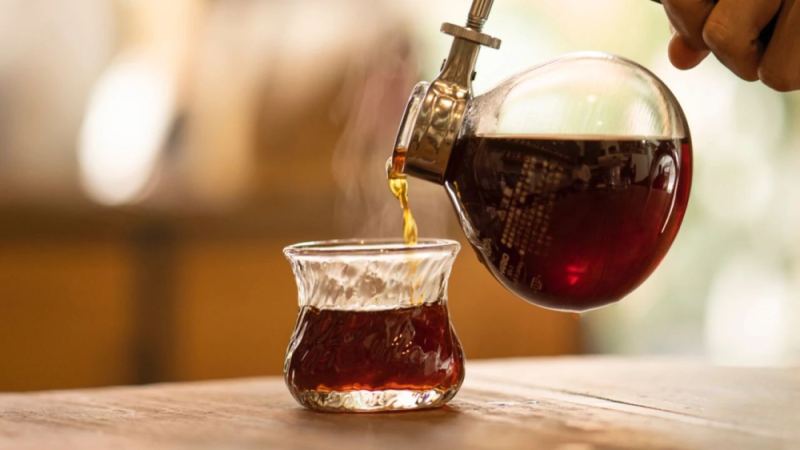
How Do Siphon and Pour-Over Coffee Extraction Differ?
Siphon and pour-over both brew single-origin coffee, but the cup differs sharply. Pour-over delivers a clean, bright, well-layered cup; the siphon gives a heavier body, more concentrated aroma and a fuller taste. The cause lies in two factors: extraction principle and filtration. The siphon uses constant-temperature immersion with a cloth filter, so oils and fine particles stay in the liquid.
Pour-over relies on a drip method, with fresh hot water supplied continuously and a high-density paper filter blocking impurities, which produces an exceptionally clean result. Because the two methods use different equipment and filter media, the same bean tastes noticeably different in each, and the choice of brewing device ends up shaping mouthfeel as much as the coffee itself.
Siphon coffee and pour-over coffee are both classic methods of making single-origin coffee, yet they perform completely differently in terms of mouthfeel and flavor. Pour-over is known for its clean, bright, and well-layered character, while the siphon excels with its rich, full body and intense aroma. The root of this difference lies in the dual effects of the extraction method and the filtration system: the siphon uses constant-temperature immersion extraction combined with a cloth filter to retain oils and fine particles, making the coffee liquid heavier and more substantial; pour-over, on the other hand, relies on a drip method with a continuous supply of fresh hot water and uses high-density paper filters to block impurities, delivering an extremely clean cup. This article will analyze in depth, from the two dimensions of extraction principles and filtration methods, why these two brewing methods produce such different taste experiences, and will include Front Street Coffee's bean selection recommendations to help coffee lovers better understand and choose the brewing method that suits them.
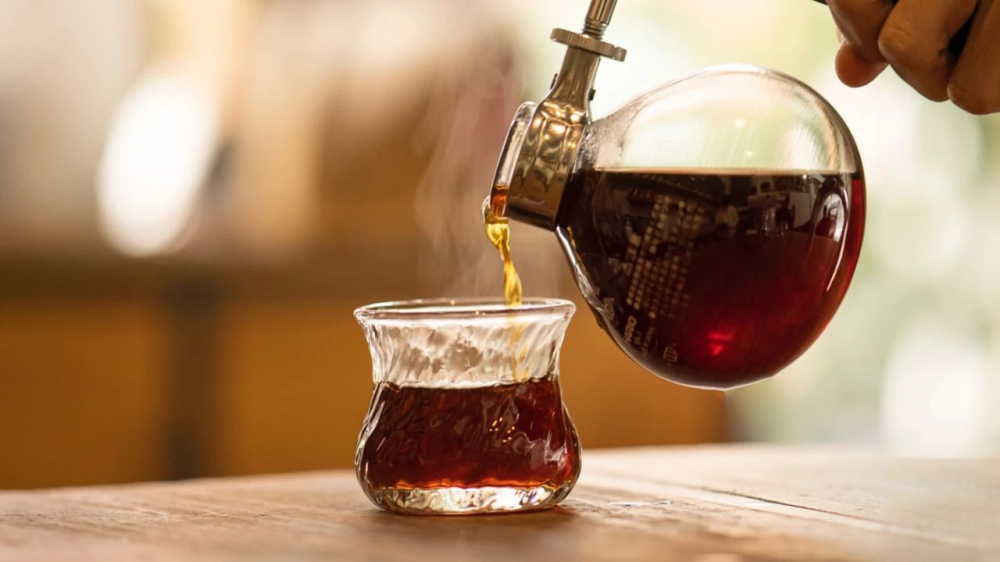
For more specialty coffee knowledge, please follow the WeChat public account: Front Street Coffee (FrontStreet Coffee)
With its distinctive brewing technique and strong visual appeal, the siphon once swept the world in the last century and became a highly iconic coffee device. Front Street mentioned last winter that, with the revival of retro trends, more and more cafés are now putting siphon coffee back on their menus, giving a new generation of coffee lovers the chance to taste this deliciousness from the past.
Since the siphon is also one of the methods for making single-origin coffee, it is only natural for people to compare it with today's mainstream extraction method—pour-over coffee. And once you have tasted siphon coffee, you will find that the difference between it and pour-over coffee is quite significant; both the mouthfeel on entry and the flavor direction are vastly different.
Pour-over coffee is cleaner on the palate, with clear layering and high flavor recognizability. Siphon coffee, by contrast, shows a heavier body, more concentrated aroma, and a more substantial taste. Because of this, many friends wonder: why is the gap between the two so large? Today Front Street will discuss why coffee made with a siphon and with pour-over differs so noticeably.
1. Differences in extraction method
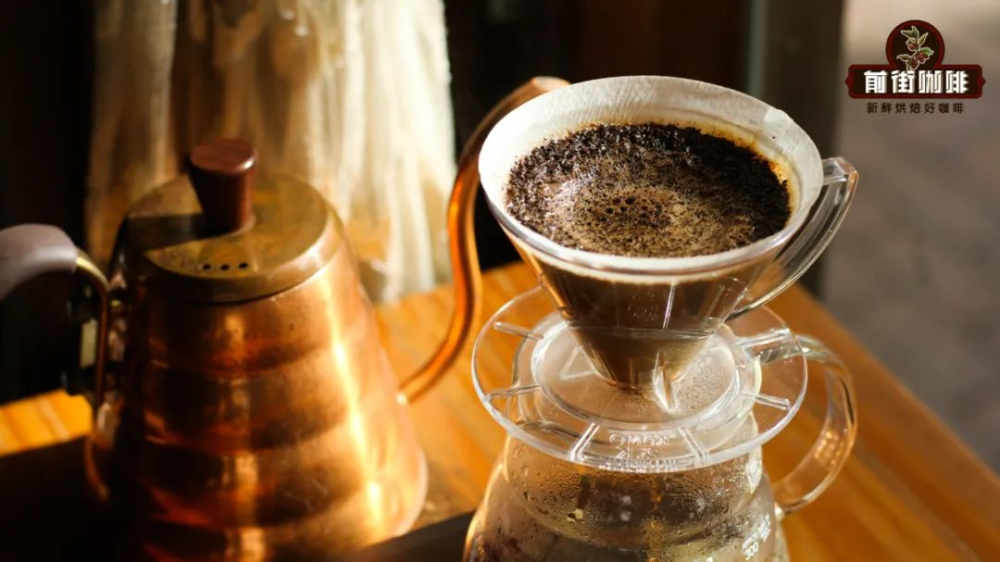
Pour-over coffee extraction is mainly based on the "drip" method, which is what everyone usually calls the "filter" method. While hot water is poured in to extract the coffee, the coffee liquid simultaneously flows out through the paper filter; this method is called the drip method. Careful readers may notice that Front Street says "mainly" rather than "entirely." The reason is that during pour-over there is also some immersion-like behavior, so it is not simply a case of water passing straight through the coffee grounds and finishing; instead, it briefly stays before seeping out through the filter. Therefore, pour-over coffee cannot be considered pure drip extraction.
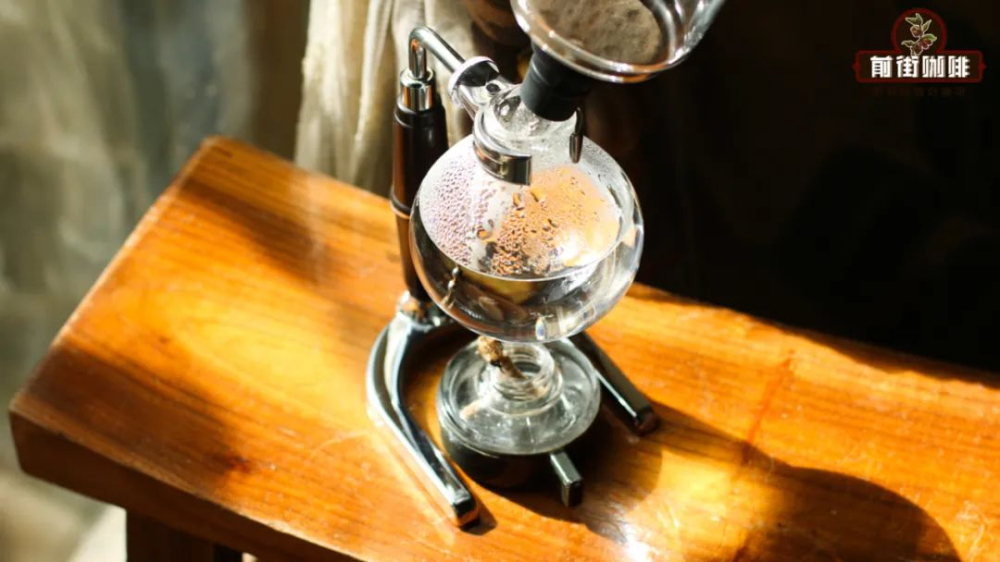
Many friends may think that the extraction method of siphon coffee is the "siphon method," but this is actually inaccurate. The siphon only uses the siphon principle to draw hot water up into the upper chamber; this step does not involve coffee extraction.
After the hot water is drawn into the upper chamber, coffee grounds are added for immersion, and only then does the actual extraction stage begin. So strictly speaking, the extraction method of siphon coffee should be classified as "immersion." It dissolves flavor substances out of the grounds through full contact between water and coffee grounds.
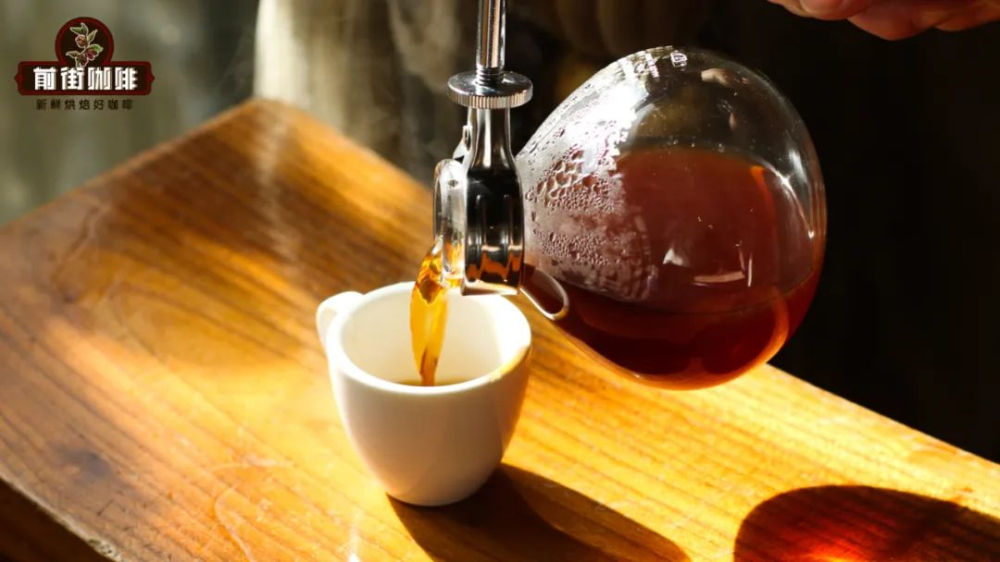
Because immersion extraction brings all the hot water into contact with the coffee grounds at the same time, once the substances dissolved in the water accumulate to a certain level, the dissolution rate slows down and no longer continues extracting large amounts of flavor components from the coffee—this is what we usually call reaching saturation. Therefore, siphon coffee tastes relatively more balanced, with abundant aroma, but its flavors are not overly assertive; it has excellent body and a relatively stable mouthfeel. For this reason, when making siphon coffee, buy medium-roast coffee beans; the first choices are Front Street Queen's Estate, Front Street Cerrado, Front Street Blue Mountain No. 1, and Front Street 2013 Sun-Dried Typica, because they can fully express the above advantages.
Drip-style pour-over coffee, however, continuously uses pure hot water during extraction to dissolve the flavor substances in the coffee. Pure hot water is like having a huge "storage space" and will keep demanding flavor components from the coffee, so pour-over coffee has a fuller coffee flavor. It is best to prioritize coffee beans with extremely high flavor recognizability. Recommended are Front Street Sidra with passion fruit and grape flavors, Front Street Cherry Tomato with cherry tomato aroma, and Front Street Strawberry Candy with raisin and rose flavors.
It is worth mentioning that, compared with conventional immersion extraction, siphon immersion extraction has one special feature. Due to the siphon principle, the hot water is continuously heated during extraction, allowing the lower chamber to maintain enough pressure to keep the hot water in the upper chamber, so siphon immersion extraction is in a fully constant-temperature state. Conventional immersion and drip extraction, by contrast, both involve a continuous cooling process, with water temperature gradually decreasing over time. Because of this, the siphon can achieve a higher extraction yield, and combined with stirring, it can complete extraction in a shorter time.
Differences in filtration method
In addition to the extraction method, the filtration method of the two coffees also has a major impact on the final result. Pour-over coffee uses an extremely dense paper filter, and nothing other than coffee liquid can pass through; only coffee liquid seeps out.
The siphon mainly uses a cloth filter. Although paper filters can also be used, because they cannot fully cover the opening, they cannot form a "sealed" space like pour-over coffee does. Fine particles, oils, and other substances can fall through the gaps into the lower chamber and join the coffee liquid, so siphon coffee looks relatively cloudy. And although oils and fine particles make the coffee liquid less clean, they can give the coffee a fuller body. This is why siphon coffee tastes richer and heavier.
Pour-over coffee, by contrast, lacks a certain richness precisely because it is filtered too cleanly, but this is also one of its great advantages: extremely clean! So now we can understand why coffee made with a siphon and with pour-over tastes so different, right? It is not only the influence of the extraction method, but also the different filtration systems that give the coffee liquid completely different mouthfeels.
The above content is compiled by CoffeeHunters, a coffee news website.


