








How Do Coffee Particles Slow Down Cold Brew Filtration?
Cold brew filtration runs slow because the finest coffee particles pass into the filter paper and block its pores. With fewer open pathways, the liquid drips slowly, and the problem gets worse when a large batch is brewed at once, since more grounds mean more clogging and a longer wait.
Baristas use three practical fixes. One is a filter bag or cloth that keeps most grounds out of the paper, similar to brew in the bag coffee. Another is laying a bed of coffee grounds at the bottom of the filter to trap fines. The third is vacuum filtration, which pulls liquid through fast under reduced pressure.
Summer is here, and many people love making cold brew coffee at home, but the filtration step often proves to be a headache—the coffee liquid drips extremely slowly, and sometimes you end up waiting half the day. Why is cold brew filtration so slow? The core reason is that the extremely fine particles in the coffee grounds clog the pores of the filter paper, leaving the liquid without enough pathways to flow through. This is especially true when making multiple cups at once, as the waiting time gets stretched even further. This article will first explain the causes of clogging, then share three methods commonly used by baristas to speed up filtration: using a filter bag or cloth to pre-isolate the coffee grounds, laying coffee grounds at the bottom of the filter paper to intercept fine particles, and using a vacuum filtration device to achieve rapid filtration under reduced pressure. Each approach has its pros and cons and suits enthusiasts with different needs; the article also retains relevant experience and product recommendations from the Front Street brand.

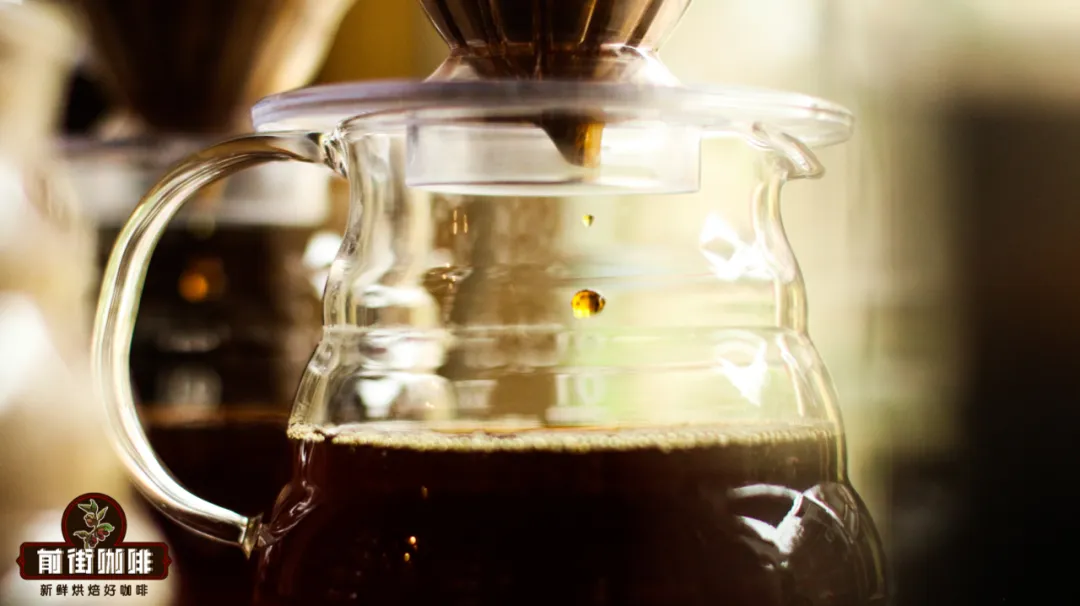

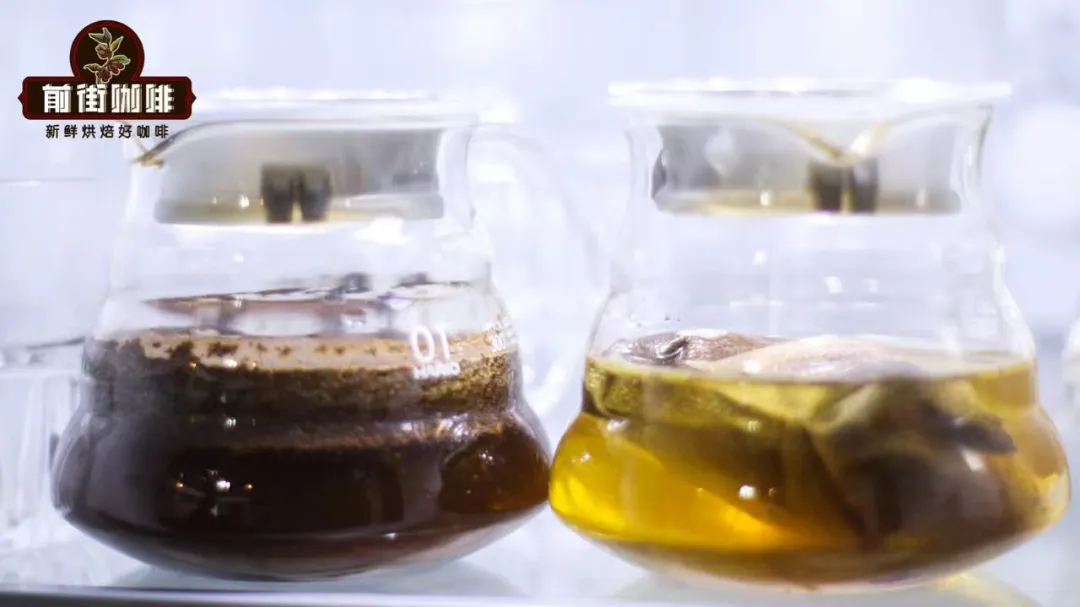

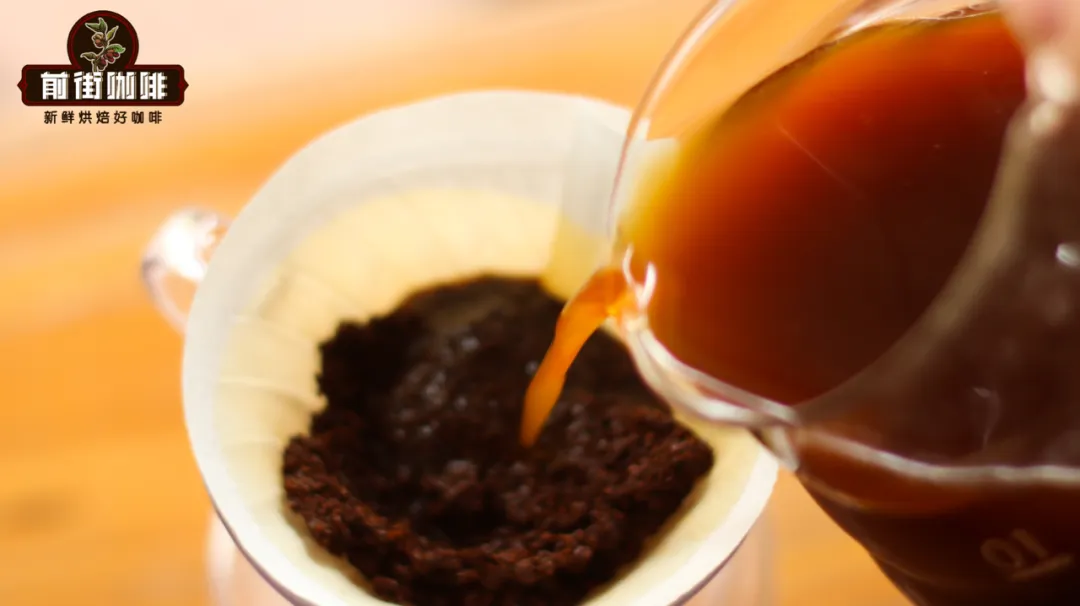
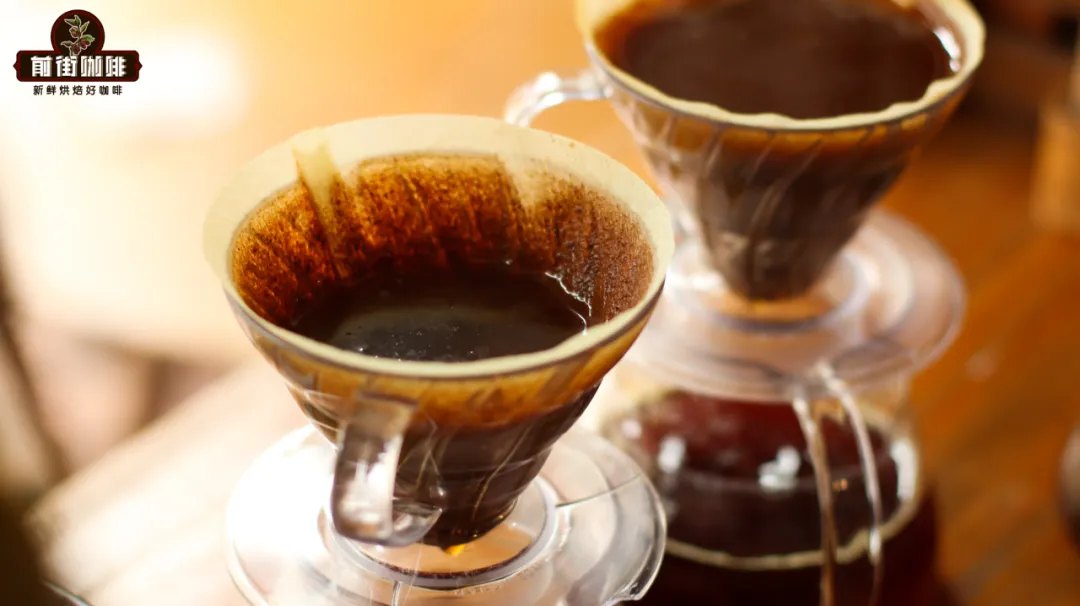
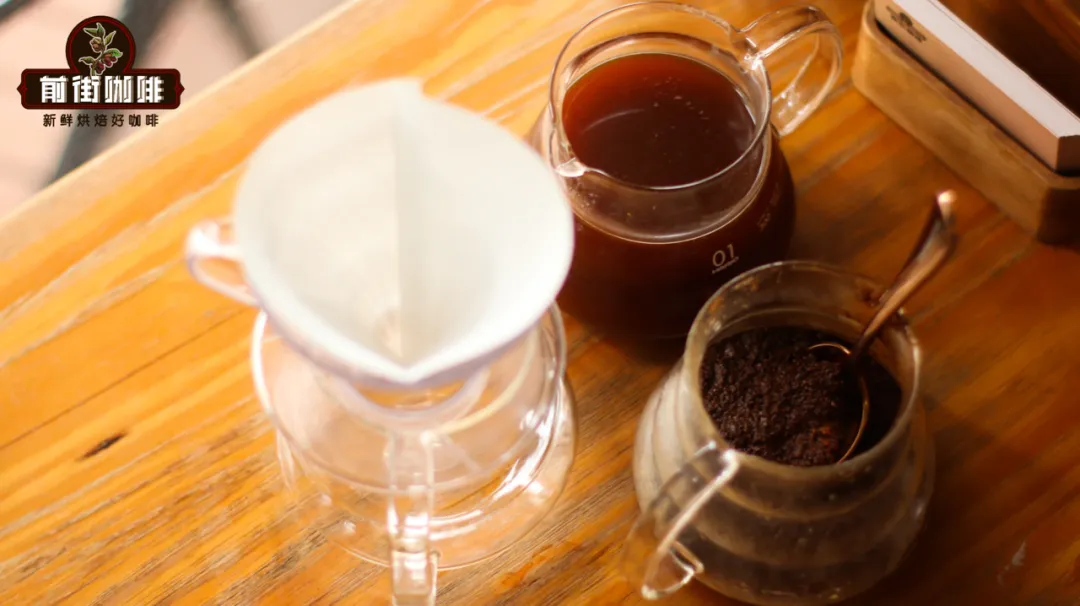
The summer weather is hot, so rather than exchanging pleasantries, let's get straight to the point. I believe many people have been thoroughly tormented by the filtration step when making cold brew coffee at home, because cold brew filtration is simply agonizingly slow. The root cause lies in those extremely fine particles in the coffee grounds clogging the pores of the filter paper, reducing the pathways available for liquid to pass through, which naturally prolongs the filtration time.
If you're only making one cup, then waiting slowly is no big deal. But as Front Street mentioned in a previous article, people don't obediently make just one cup at a time—they're used to making a whole big batch at once to "get it done once and for all." The larger the batch, the longer the filtration wait. So, is there a way to get cold brew coffee to finish filtering as quickly as possible?
Of course there is, and more than one—there are three clever methods commonly used by baristas. However, it should be noted upfront that each method, besides its advantages, also has its own shortcomings; no solution is perfect. How to choose depends on your own preferences.
1. Use a filter bag or cloth to directly separate the coffee grounds
This is probably the most familiar of the three methods, and Front Street often mentions it when introducing cold brew coffee preparation. The specific operation is: before soaking begins, put the coffee grounds into a tea bag, filter cloth, or filter bag, wrap it up, then place it in a bottle with water, seal, and soak.
As long as you pre-portion the coffee grounds in a filter bag, you've solved the problem at the source—there's no need to filter again, so clogging and excessively long filtration times naturally won't occur. Besides skipping the filtration step, this can also effectively increase the extraction yield of the coffee, making the cold brew's flavor richer. (For details, please refer to this article "portal")
But as Front Street says, this filtration method has a drawback: it can't trap all impurities as cleanly as filter paper does—some extremely fine particles still leak out of the filter bag. The presence of fine particles has both pros and cons: in small amounts, they add body to the coffee, making the taste fuller; but once there are too many, the bitterness becomes very pronounced, and it drinks quite harshly.
So when making cold brew this way, you can observe the resulting coffee liquid. If the liquid is very cloudy, or you can clearly see coffee particles, it's best to filter it once more with a filter paper and dripper, which won't take long; if the cloudiness is low and there are no visible particles, then decide as you please. (The same logic applies to the third method)
2. Fight "magic" with "magic"
The second method is a bit special, because we're going to use "magic" (coffee grounds) to deal with "magic."
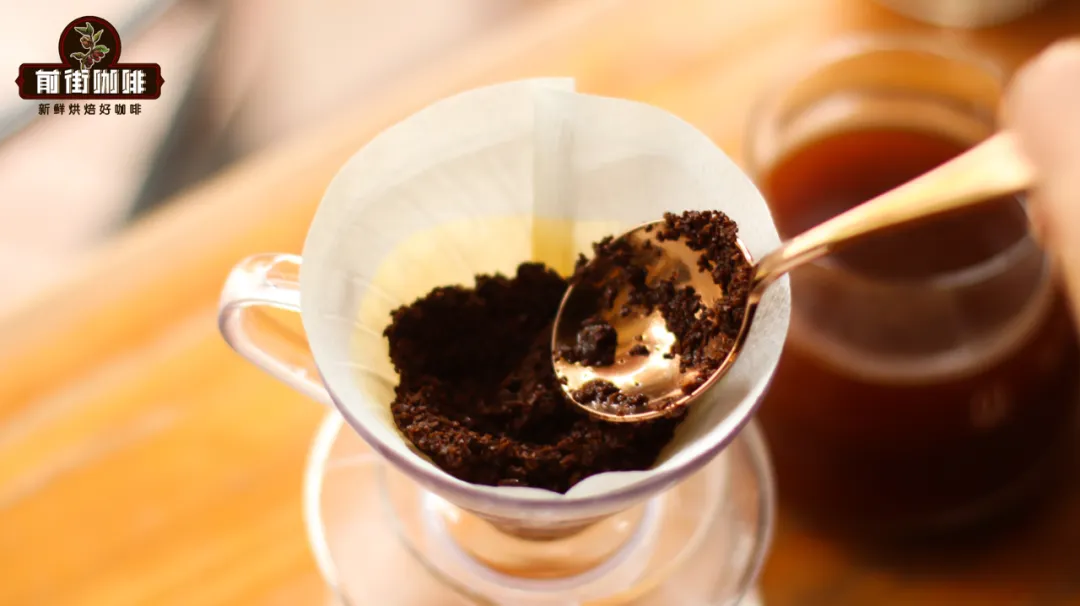
Unlike the previous approach of pre-portioning coffee grounds, this solution doesn't require any changes to the cold brew preparation process. It's just that before starting filtration, we deliberately spread the coffee grounds from the cold brew at the bottom of the filter paper—not too thick, filling it about halfway—and then begin filtering.
Through testing, Front Street found that filtering cold brew coffee this way is about twice as fast as the conventional method. The principle is actually simple: using the coffee grounds themselves as a medium to intercept fine particles.
Since our goal is filtration rather than brewing, there's almost no vigorous stirring throughout the process. When we pre-spread coffee grounds at the bottom of the filter paper, the fine particles that settle to the bottom and come into contact with the filter paper are reduced because they get intercepted. With less clogging by fine particles, there are more pathways for the coffee liquid to flow, so filtration naturally doesn't take too long.
The drawback of this method is that it's cumbersome to execute. First, you need an extra cup to pour out the coffee liquid so you can retrieve the fine particles at the bottom to spread on the filter paper. Second, when pouring the coffee liquid in to filter, you can't pour too forcefully, otherwise the coffee bed gets stirred up and the fine particles slip to the bottom again and clog the filter paper, greatly reducing the effect.
3. Vacuum filtration
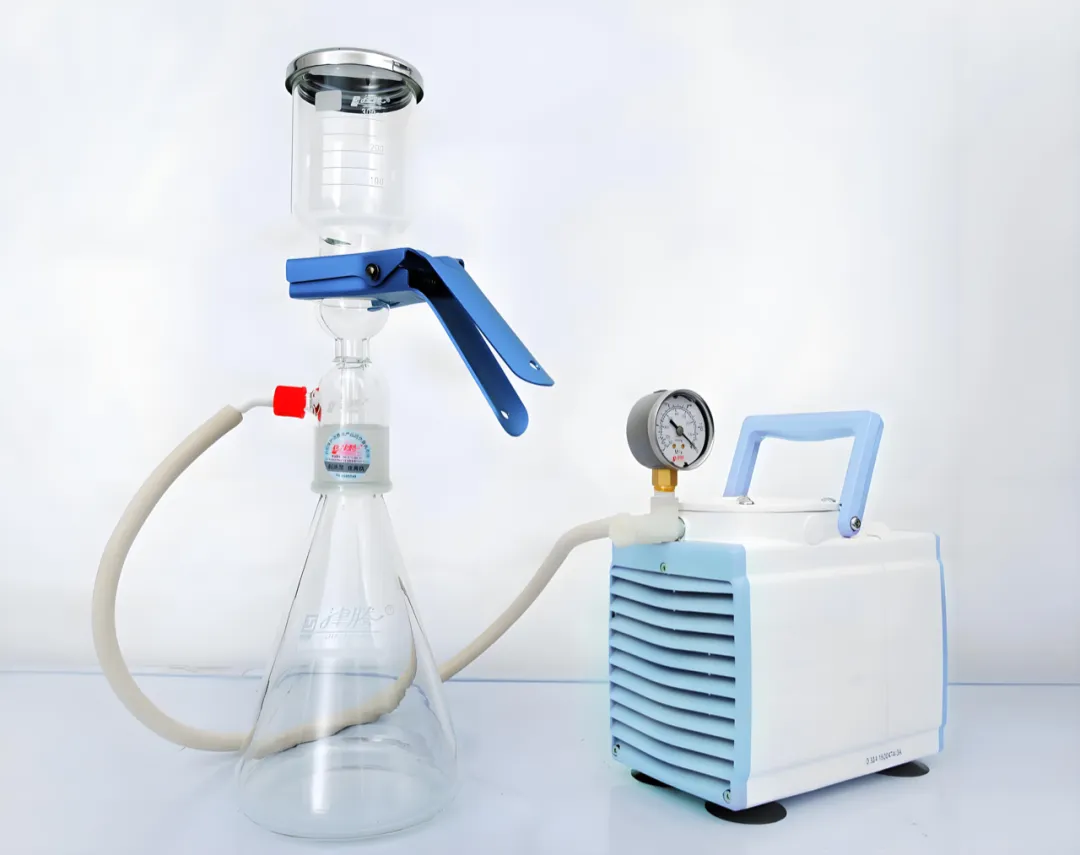
Bringing lab equipment into coffee-making is nothing new, and vacuum filtration is one such example. Also called "reduced-pressure filtration" or "vacuum filtration," the principle is to use a vacuum pump or suction pump to create negative pressure inside the filtration system, so the solution rapidly passes through the filter paper under the pressure difference while solid particles are retained by the paper, achieving rapid solid-liquid separation.
It's easy to understand: we just need to buy an additional vacuum filtration setup—a Büchner funnel, a filtration flask, and a vacuum pump—and then perform vacuum filtration to quickly filter out the coffee liquid. Basically, some large coffee shops, or stores with good cold brew sales, use this method for filtration—simple and efficient.
What's the drawback? It requires an extra set of equipment, adding cost (around 100–300 yuan). But it's worth mentioning that vacuum filtration can handle far more than just cold brew coffee—for example, the clarified milk Front Street shared a couple of days ago, or other liquids that filter slowly, can all be sped up through vacuum filtration.
Besides the three methods above, some might ask: can you speed things up by frequently changing the filter paper? That is, filtering only a small portion at a time, then switching to a new filter paper. Indeed, in theory this can slightly improve filtration speed, since the filter paper's pathways are constantly being "refreshed." The cost is using more filter paper and a more tedious process. But no matter which method you choose, it's indeed much faster than relying solely on a dripper and filter paper. As for how to choose, that's up to you.
- END -
The above content is compiled by CoffeeHunters, a coffee news website.


