







Golden Mandheling and Other Beans for Milk-Brewed Coffee
Milk-brewed coffee replaces water with milk and steeps the grounds cold-brew style, producing a rich cup that has spread through bloggers. Three things decide whether it works: food safety, bean selection, and filtration. Milk spoils easily, so sterilize containers, keep batches small, and drink the coffee promptly instead of storing it for long periods.
Milk extracts coffee less efficiently than water, so strong-flavored beans or dark roasts hold up better. Front Street Coffee names its PWN Golden Mandheling and Strawberry Candy Geisha Blend as examples. Filtration is the practical bottleneck: filter paper drains too slowly, so tea bags or similar tools are used instead, trading some cleanliness for speed.
Milk-brewed coffee, which uses milk instead of water to brew coffee in a cold brew style, makes it easy to create a rich and flavorful milk coffee, and has recently been highly praised by bloggers. However, many enthusiasts still have quite a few misunderstandings and questions about its preparation. In this article, Front Street Coffee will focus on three core points about milk-brewed coffee: first, emphasizing food safety, as milk easily breeds bacteria, so attention must be paid to container sterilization, making small batches, and drinking promptly; second, explaining the choice of coffee beans, as milk has low extraction efficiency, so it is recommended to prioritize beans with strong flavors or dark roasts, such as Front Street PWN Golden Mandheling, Front Street Strawberry Candy Geisha Blend, etc.; finally, analyzing the filtration challenges, as filter paper is too slow, tea bags or other tools can be used instead, but cleanliness will decrease. The full text aims to help everyone avoid pitfalls and make a delicious cup of milk-brewed coffee.
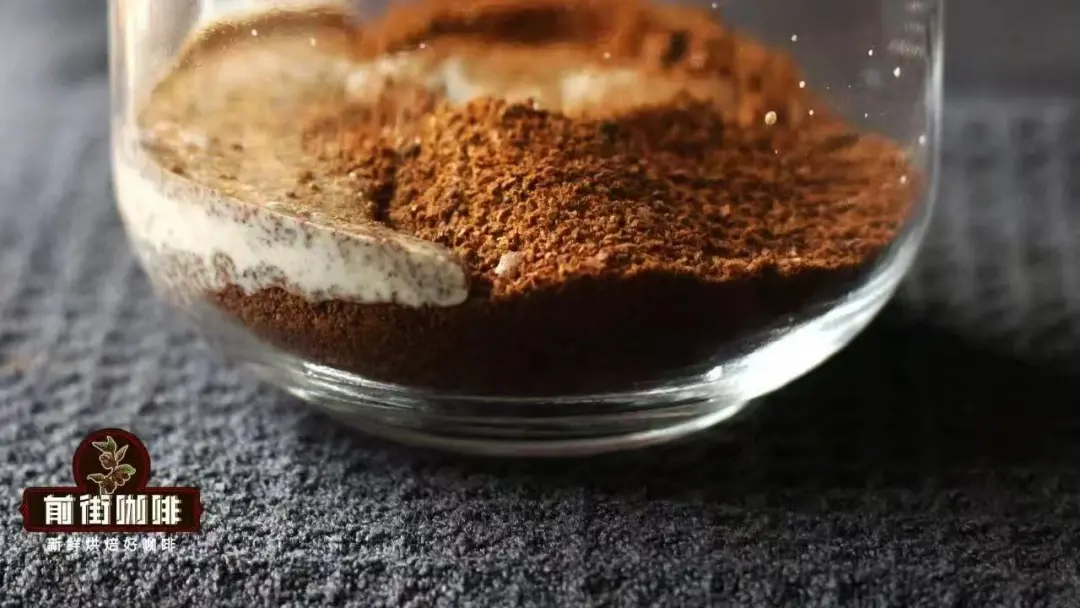
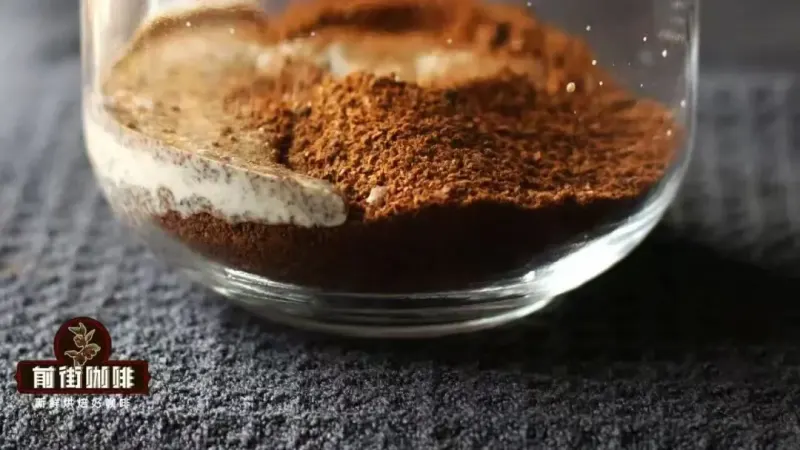
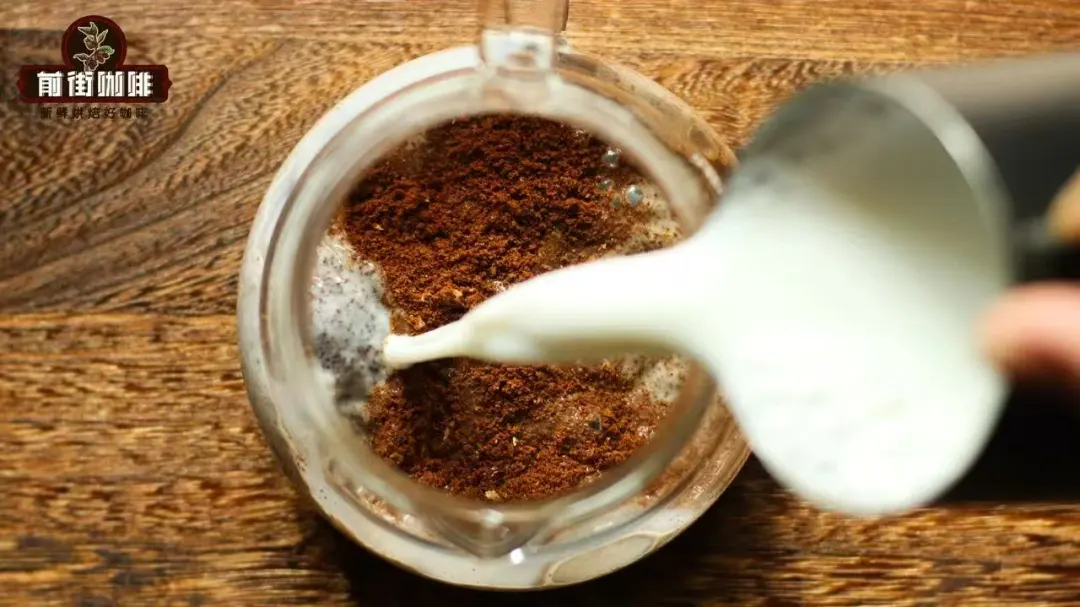
Milk-brewed coffee, simply put, is using milk instead of water and then soaking coffee grounds in a cold brew style. The advantage of this method is that it allows everyone to more easily make a cup of rich and flavorful milk coffee, so recently more and more bloggers are sharing milk brews.
But Front Street Coffee has found that many friends still have quite a few misunderstandings and questions about making milk-brewed coffee, so today Front Street Coffee will share several important considerations and details to note when making milk-brewed coffee. Since these are issues that many people are concerned about, they should be able to clear up confusion for many friends.
I. Safety Issues
When making milk-brewed coffee, the first thing we must absolutely, absolutely, absolutely pay attention to is food safety. As a high-protein dairy product, milk can be said to be a breeding ground for many bacteria. Under normal conditions, milk is already very prone to spoilage. If we then mix coffee and milk and soak them for a long time, it will shorten the "safe time" of the milk and increase the risk of spoilage.
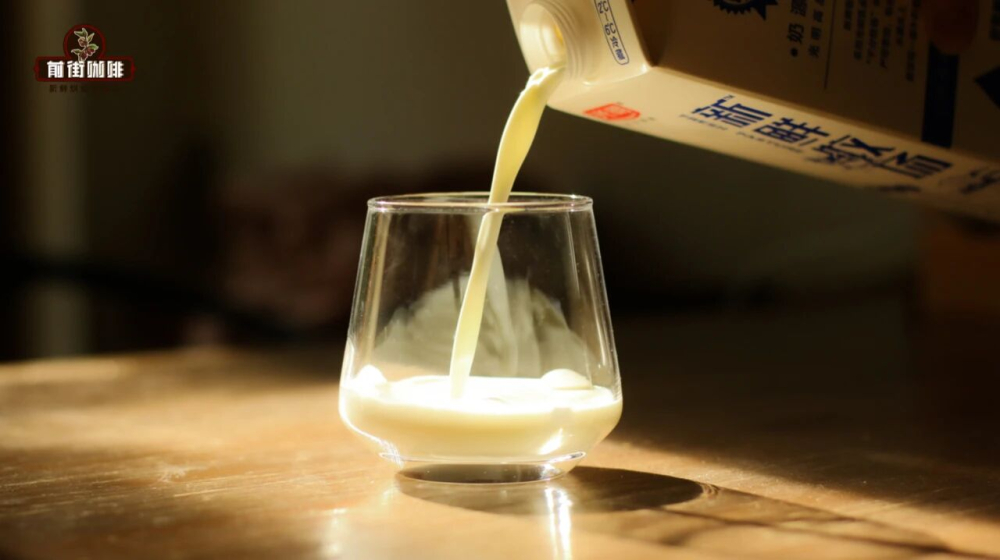
Therefore, in order to reduce the risk of getting sick from drinking milk-brewed coffee, we should best strictly follow these few points when making it: first, do a good job of sterilizing the container! In making milk-brewed coffee, in addition to refrigeration and sealing, we should best sterilize the containers to be used in advance, which can further reduce the risk of spoilage;
Also, do not make too much, and try to drink it within a short time. Because the longer it sits, the more likely it is to spoil, so we should best not make too much at once, ensuring it can be finished within a short time. If you cannot finish it, do not put it back in the fridge, because after taking it out of the fridge, the risk of spoilage has actually already increased, so even if the milk-brewed coffee is not finished, we should best not try to keep it, and pouring it out directly is the most appropriate.
II. The Coffee Beans Used
If everyone wants to make a delicious cup of milk-brewed coffee, then in addition to using the right extraction parameters, the choice of coffee beans is also very important.
Friends often report that although the milk-brewed coffee they make is strong, the flavor is not prominent, and the taste is a bit lacking—it is just a bit stronger than ordinary milk. The reason such a situation occurs is entirely understandable: milk, as a solvent, has an extraction efficiency far lower than water, because the substances in milk are simply too abundant. As a relatively saturated liquid, its rate of dissolving substances is very slow. So even if we use a finer grind, it is still difficult to fully dissolve the flavors from the coffee.
Therefore, Front Street Coffee does not recommend pursuing overly complete extraction in milk-brewed coffee. Although it can be done, it is unnecessary. Then, for the choice of coffee beans, you can prioritize the following two types: one is those with stronger flavors, and the other is those with darker roasts. Because both types of coffee beans share a common advantage, which is that they easily give milk-brewed coffee a relatively prominent coffee flavor, and at least are more suitable than light-roasted coffee beans.
In the bean list of Front Street Coffee's Taobao Tmall flagship store, there are quite a few coffee beans very suitable for making milk-brewed coffee. There is the representative of the roasted-aroma type—Front Street PWN Golden Mandheling. As a dark roast, it has very rich roasted flavors of chocolate, spices, caramel, nuts, etc., and pairs very well with the taste of milk. Then, because dark roasting gives it lower density and a loose structure, even though milk's extraction efficiency is very low, it can still brew out a large amount of flavor.
If what you want to drink is a cup of milk-brewed coffee with floral and fruity aromas, then buy Front Street Strawberry Candy Geisha Blend, because it combines Panama Geisha and Costa Rican honey-processed coffee, so it has both extremely high fruity sweetness and a clear jasmine aroma. Paired with milk, you can taste the characteristics of berries, cream, and cookies.
There is also another one, Front Street Strawberry Candy Espresso, which is roasted relatively darker and is suitable for extraction with espresso machines and moka pots. It has a relatively high sweetness and at the same time has a unique and prominent coffee flavor. It shows the flavors of strawberry gummy candy, white floral notes, as well as berries and caramel. The milk-brewed coffee made with it tastes quite special, a bit like drinking strawberry-flavored milk—very nice! Its performance is the same when making milk coffee with espresso, and it is very worth trying.
III. Filtration
Then there is the issue of filtration! If any friends have made milk-brewed coffee, they will know that the filtration speed of milk-brewed coffee is really so slow that you doubt life! Because the filter paper we use has very high filtration precision, and the substances in milk itself are very abundant, the speed at which milk passes through the filter paper is extremely slow. Usually, filtering it after taking it out of the fridge takes at least more than half an hour—very long!
So if everyone does not want to wait too long, then you can switch to a filtering tool with lower filtration strength, or directly use tea bags. The advantage of using tea bags is that we do not need to filter; after soaking is finished, we can just lift the tea bag out and start drinking—very convenient. In addition, if we divide the coffee grounds into more tea bags, then we can also effectively increase the coffee extraction rate, because the coffee grounds will no longer pile up at the bottom, so the surface area available for extraction is increased, and the extraction rate naturally improves.
It is just that, no matter which choice, they will all reduce the cleanliness of the milk-brewed coffee. Because the filtration precision is not that high, it cannot prevent fine particles from slipping out of the tea bag or filter and affecting the coffee's mouthfeel. As the saying goes, you cannot have your cake and eat it too. How to choose depends on what kind of coffee everyone wants.
So the above is all the content shared by Front Street Coffee this time! Because the article is rather long, Front Street Coffee did not include a brewing-sharing section in this article. But quite a few have been shared before. Friends who are interested can search and move on to Front Street Coffee's previous shares to learn more~
The above content is compiled by CoffeeHunters, a coffee news website.


