







Which filter should you pull coffee through?
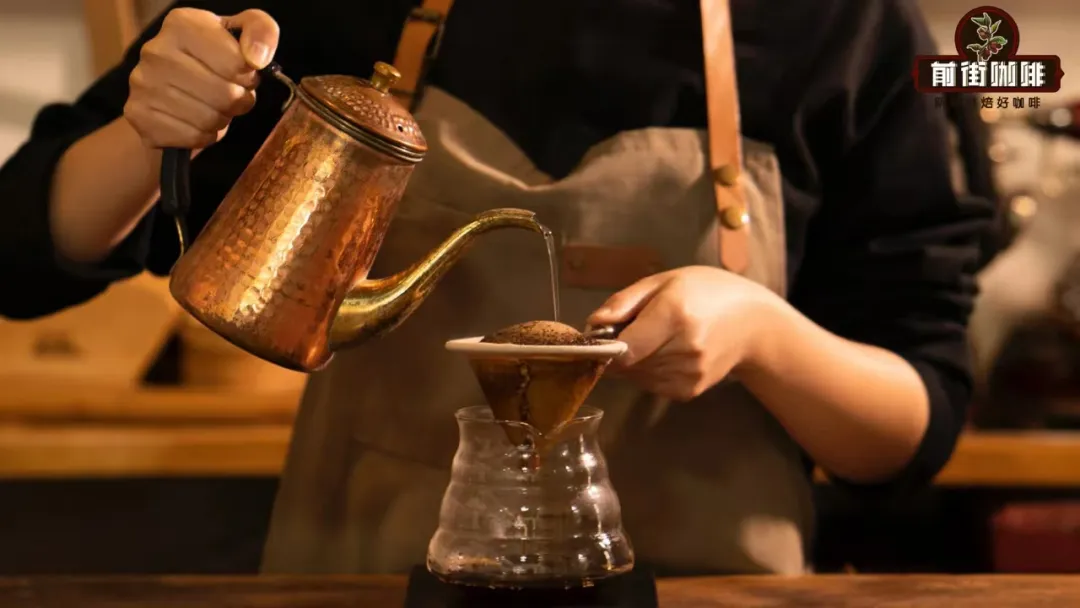
Filter choice shapes the cup. Paper filters give a clean, transparent mouthfeel and hold back most oils and fine particles. Flannel cloth lets oils and some coffee particles pass, producing a richer, mellower brew. Metal mesh is the most open option, and its pore size makes extraction less predictable without an adjusted pouring technique.
Before the 19th century, coffee was mostly boiled Turkish style, then strained through cloth. Filter paper and the dripper arrived in the mid-19th century, credited to Frau Melitta. Flannel, a transliteration of Flannel, was used in Europe around the 17th and 18th centuries and later became a drip brewing device in Japan.
In the world of coffee brewing, the choice of filter medium often determines the flavor direction in the cup. From Turkish coffee, which was mainly boiled before the 19th century, to the filter paper and dripper invented by Frau Melitta, to the artisan-style use of flannel cloth in Japan, each filtration method carries a different extraction logic. Today, the filter paper, flannel cloth, and metal mesh commonly used in pour-over coffee each have their own strengths and weaknesses: filter paper brings a clean and transparent mouthfeel, flannel retains oils and fine particles, achieving a rich and mellow flavor, while metal mesh presents new challenges in terms of pore size and extraction method. Front Street Coffee conducted a comparative brew using Ethiopian Santa Vini beans, and by adjusting the pouring technique, revealed the causes of under-extraction with metal mesh and directions for improvement, providing coffee enthusiasts with a practical brewing reference.
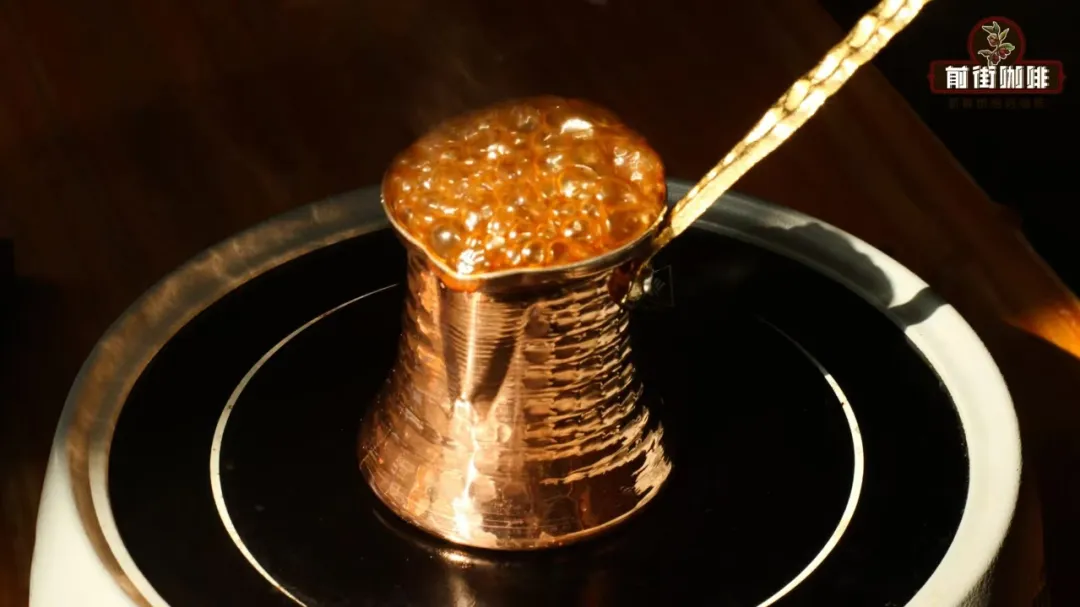
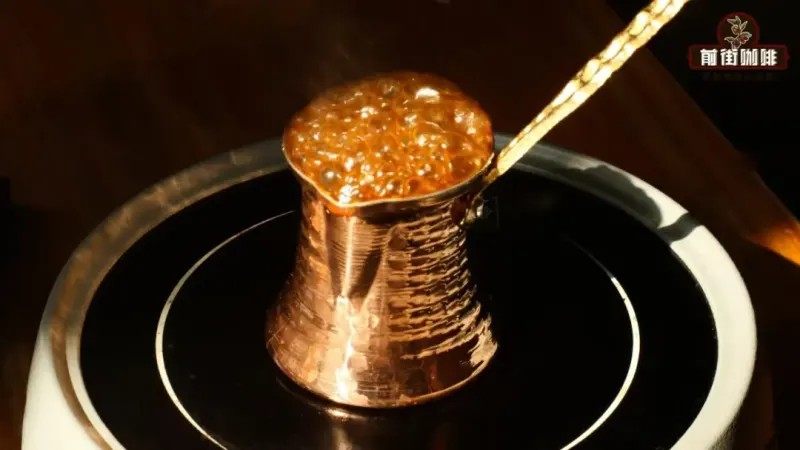
Before the 19th century, the way people made coffee was basically the "boiling" method of Turkish coffee—grinding coffee beans into fine powder and heating them together with water in a pot. However, not all producing regions grind to the ultra-fine flour-like Turkish style, so in most places, after boiling, some kind of filtering tool was first used to separate the coffee grounds before pouring the liquid into a cup to drink. Otherwise, overly coarse and excessive particles would seriously affect the taste.
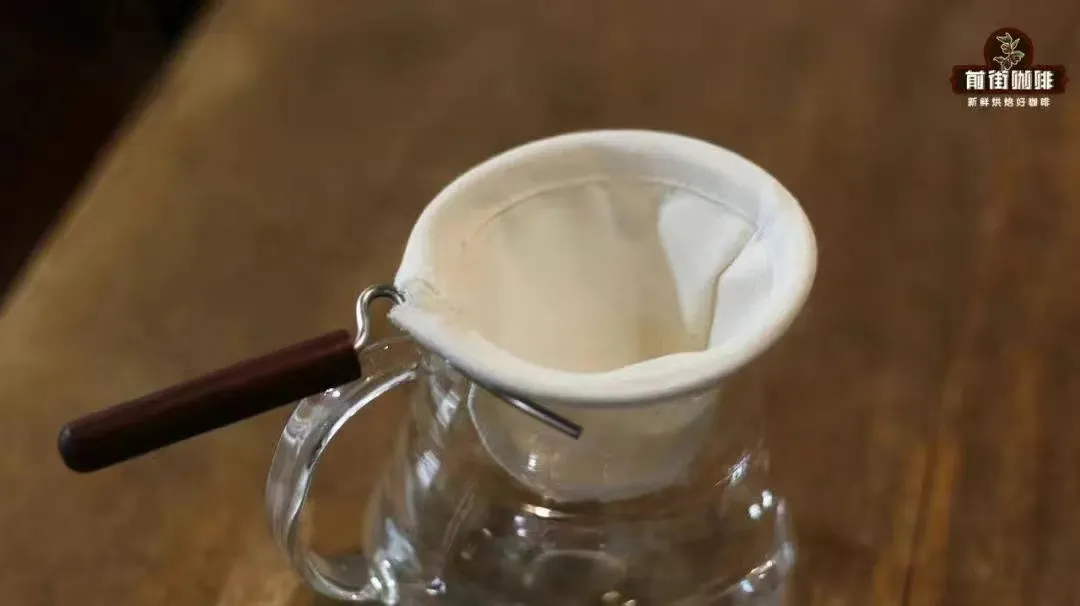
In the article "In Pursuit of Refinement, She Invented the Dripper," Front Street mentioned that coffee filter paper was invented in the mid-19th century together with the dripper by Frau Melitta. Before that, people could not have used filter paper and mainly relied on a cloth bag made of a special fabric, namely "flannel cloth." Flannel Cloth "Flannel" is a transliteration of "Flannel," and its use as a coffee filter cloth can be traced back to Europe around the 17th to 18th centuries. Early flannel filter cloth was made of wool, and only after cotton materials appeared did it gradually evolve into its current form.
As Front Street said earlier, flannel cloth was initially used in Europe (for coffee purposes) only to filter out the dregs from brewed coffee liquid, not as a brewing device. Later, when it spread to Japan, the Japanese began to use it as a "dripper" for drip coffee.
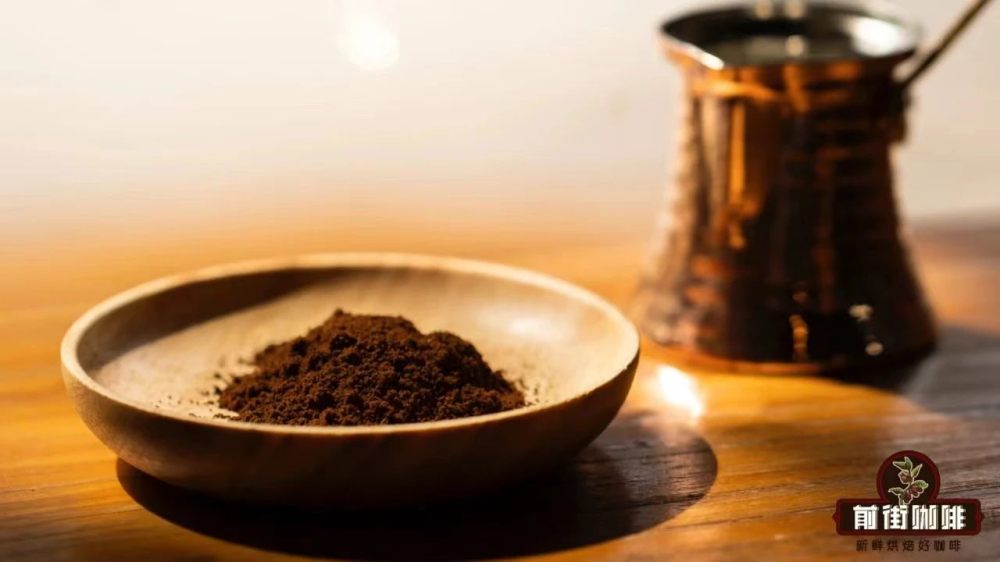
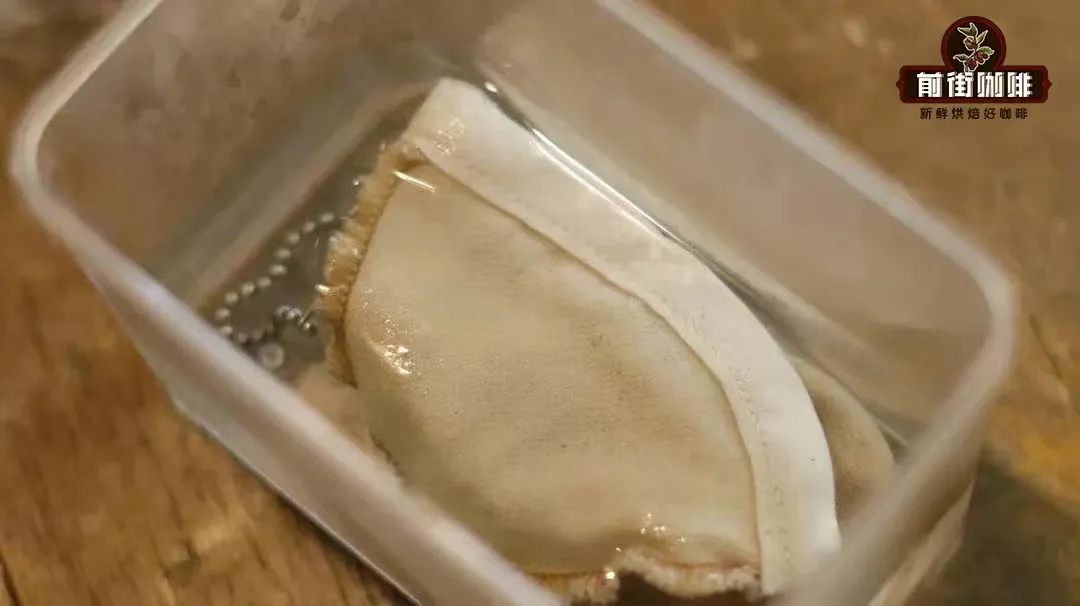
Because the coffee brewed with a flannel filter performs differently, and because its method of use is highly consistent with the artisan spirit admired in Japan, even today when coffee filter paper is extremely widespread, many Japanese coffee shops still insist on using flannel cloth to brew coffee. What are the characteristics of coffee brewed with flannel cloth? The greatest advantage of flannel cloth is that its filtration performance is not as strong as that of filter paper. The cotton material makes its pores much larger than those of filter paper, so oils and some insoluble substances can also pass through the cloth and remain in the coffee liquid.
The oils themselves contain certain aromatic substances, and when using filter paper, these oils are usually isolated together with the coffee grounds. Although this can make the coffee cleaner, it also loses a small portion of the aroma from the oils. Because flannel cloth has larger pores, it allows the oils to be released, making the coffee's aroma more prominent. At the same time, insoluble substances refer to coffee fines, and an appropriate amount of fines can improve the coffee's mouthfeel. In summary, because flannel cloth has larger pores, it can produce delicious coffee with a richer aroma and a thicker mouthfeel, and its characteristics are very suitable for brewing dark-roasted coffee! Notes on Using Flannel Cloth Flannel cloth has a fuzzy side and a cotton side. During brewing, either side can be chosen as the inner bag, with the other side facing outward. Because the contact surface is different, the coffee brewed with the two sides will have slight differences in taste. But usually, when people use flannel cloth, they adopt "cotton inside, flannel outside," because this way the coffee grounds will not stick to the cloth bag and cleaning is more convenient.
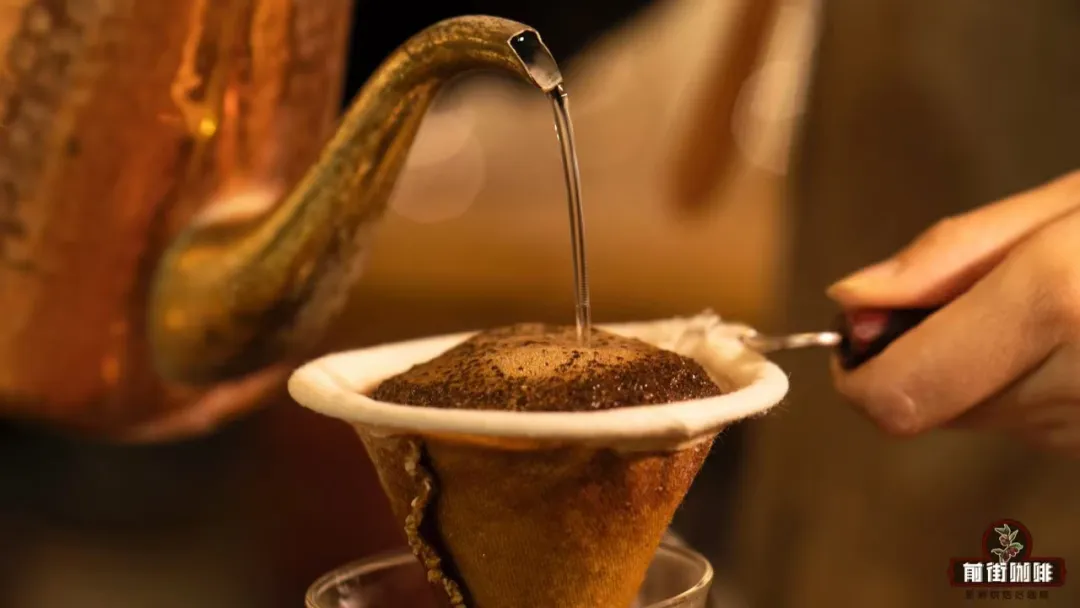
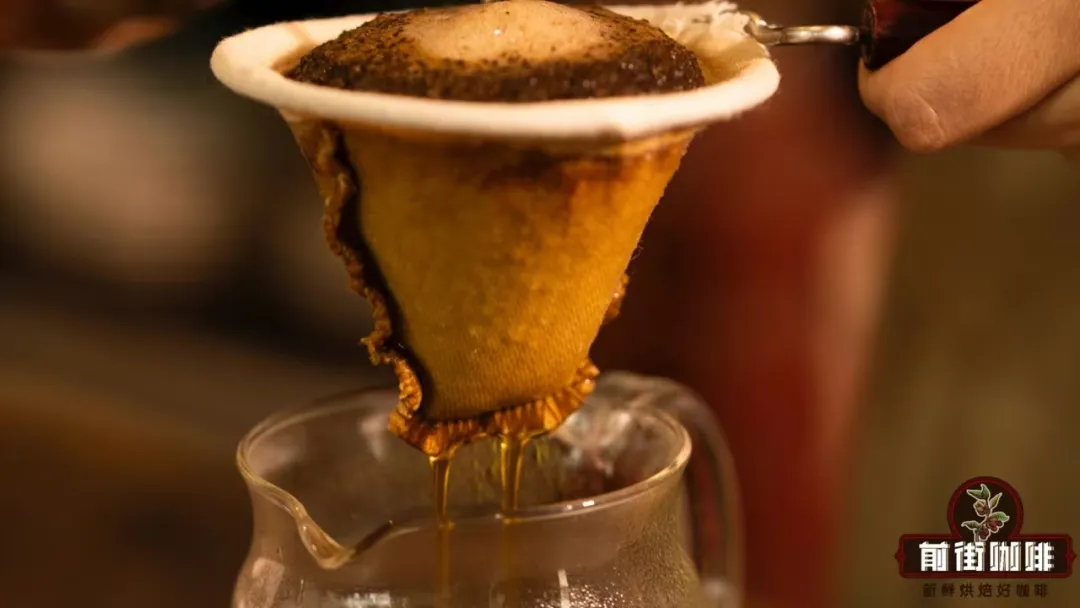
Coffee brewed with filter paper made from virgin wood pulp is very clean; coffee brewed with flannel cloth has a higher body. So, what characteristics will coffee brewed with a metal mesh have?
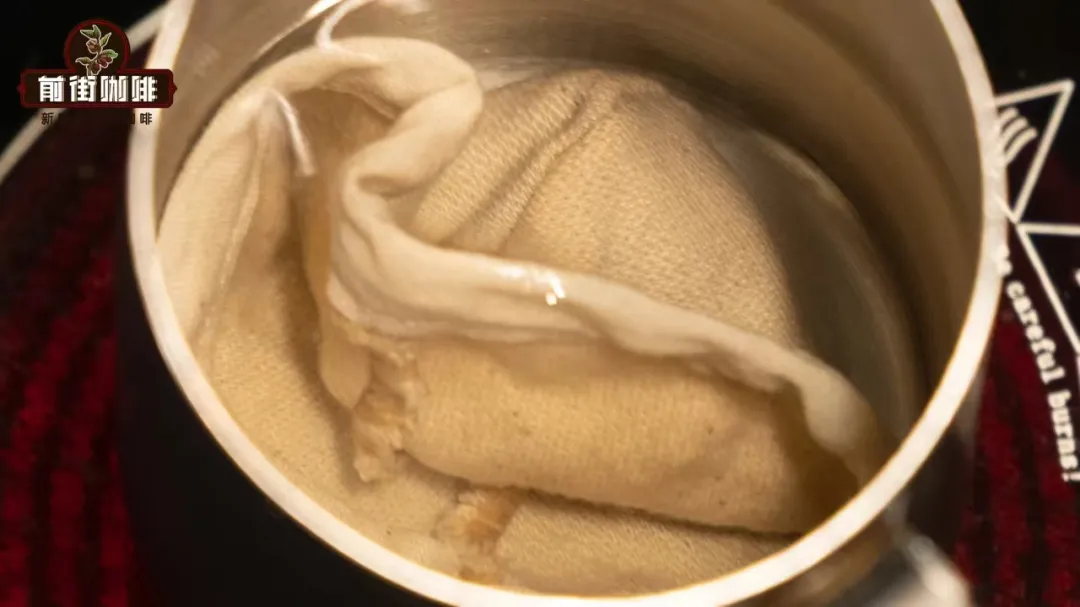
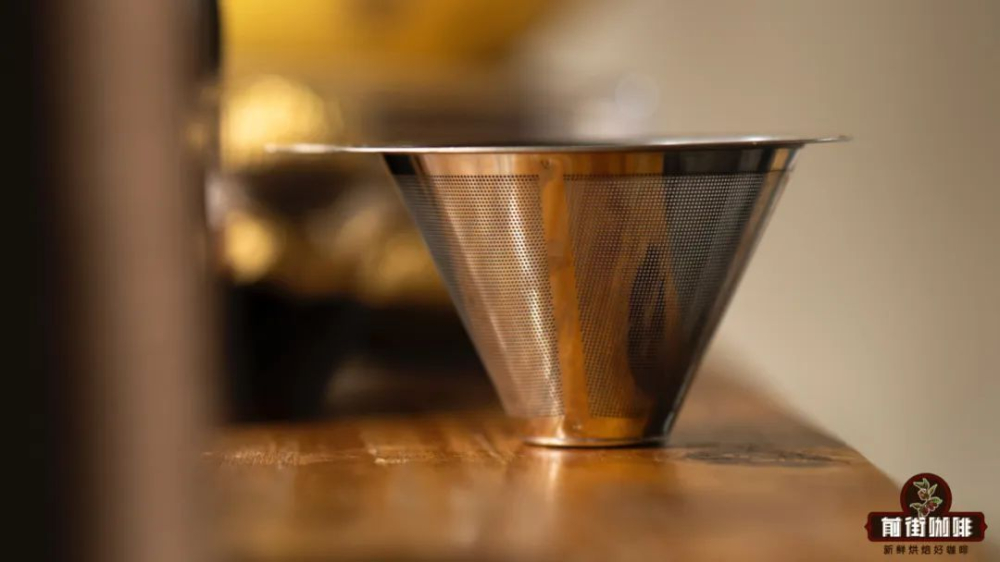
So Front Street pulled out a metal mesh being used as a tea strainer—this was randomly purchased last year from a shop on Taobao with relatively high sales. It is conical in appearance and is a flat-bottom dripper.
Its structure is mainly divided into inner and outer layers: the inner mesh is a 400-mesh metal filter, while the outer mesh is used to fix the shape of the filter. The structure is very simple. Next, Front Street will use it and filter paper for a comparison to see how the brewed coffee differs.
Brewing Experiment
Beans used: Ethiopian Santa Vini Dose: 15g Grind setting: 9.5 on an Ek43 Coffee-to-water ratio: 1:15 Brewing water temperature: 92°C Pouring method: three-pour method Before brewing, Front Street first poured the coffee grounds into the mesh and shook it, wanting to observe whether, with the 400-mesh holes visible to the eye, any coffee grounds would fall through the fine gaps. So, with a cup placed under the mesh and the lid put on top of the mesh, Front Street directly brought out a lifelong masterpiece—shake it!!!!
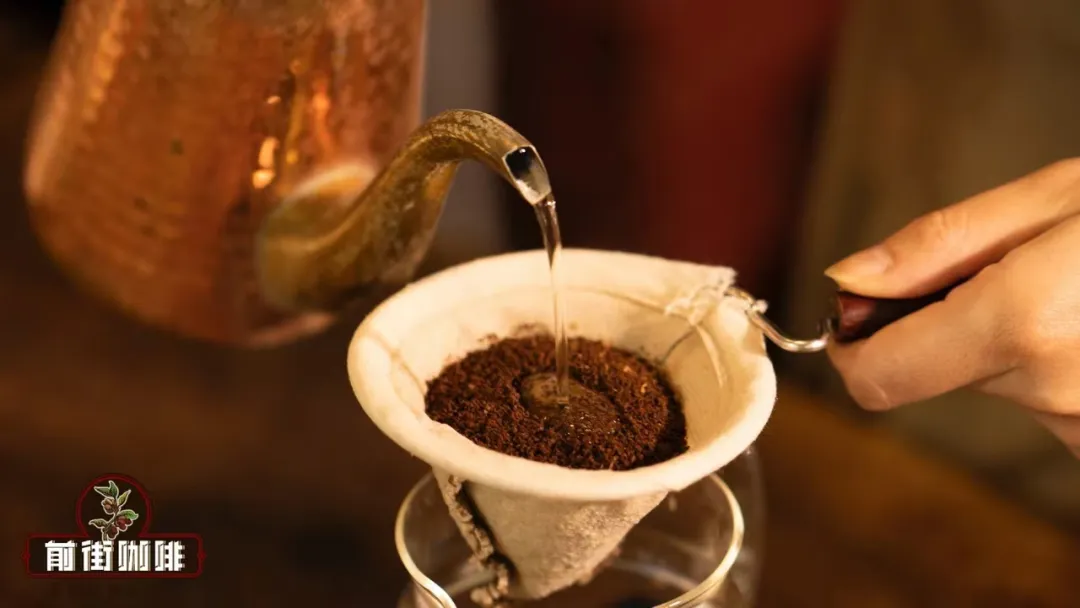
After removing the mesh, there were no coffee particles at the bottom of the cup. This is enough to show that a 400-mesh size can already accommodate regular grinding. The hot water had also just reached the specified temperature, so let's start brewing! Front Street used the same brewing method as usual to test the mesh: first use twice the coffee dose in water (30ml) for blooming. After blooming, slowly pour the second stage of 120ml hot water in a large circle. When the water level is about to reach the bottom, slowly pour the remaining 75ml of hot water in a small circle. After the water finishes dripping, remove the dripper and end the brew.
The total brewing time with the metal mesh was 2 minutes 09 seconds, not much different from the 2 minutes 05 seconds with filter paper. In terms of flavor, the Santa Vini brewed with filter paper had a full tropical fruit flavor, bright and uplifting acidity like pineapple and citrus, a finish with a slight red wine fermentation feel, and after cooling, a sweet-and-sour taste of mango and starfruit! Delicious!! In contrast, the Santa Vini brewed with the metal mesh showed lower cleanliness just from the liquid's clarity, and it indeed tasted that way!
Second, a thin layer of oil floated on the surface, indicating that, like flannel, because its gaps are larger, oils can pass through and blend into the coffee liquid. But Front Street did not feel much mouthfeel enhancement from the oils, because the overall flavor performance was somewhat "unsatisfactory"—aside from a little citrus acidity, the entire cup was full of the negative taste of under-extraction! We can find the cause of the problem during the brewing stage: the pouring circle was too large and the water flow impact was relatively high, causing a large amount of hot water not to extract coffee substances but instead to pass directly through the dripper and drip into the server, resulting in severe under-extraction!
So, testing the metal mesh with a conventional method does not work. We need to change strategy, reduce the hot water passing directly through the dripper, and bring the coffee to an acceptable extraction yield. Therefore, Front Street adjusted the pouring method: changing the original large-circle pouring to small-circle pouring around the center, and lowering the pouring height to reduce the impact of the water flow. In this brew, much less hot water passed directly through the mesh, and the total time was 2 minutes 10 seconds.
Sure enough, the overall taste was much better, with a full and smooth mouthfeel, and the pineapple and citrus flavors were both well displayed. Although there was still a little bitterness in the latter stage, it was already much better than the previous pot. Therefore, when using a metal mesh, in addition to changing the conventional pouring method, you also need to master certain water-control skills to brew coffee with an appropriate taste. As for its characteristics... let Front Street observe a little more...
The above content is compiled by CoffeeHunters, a coffee news website.


