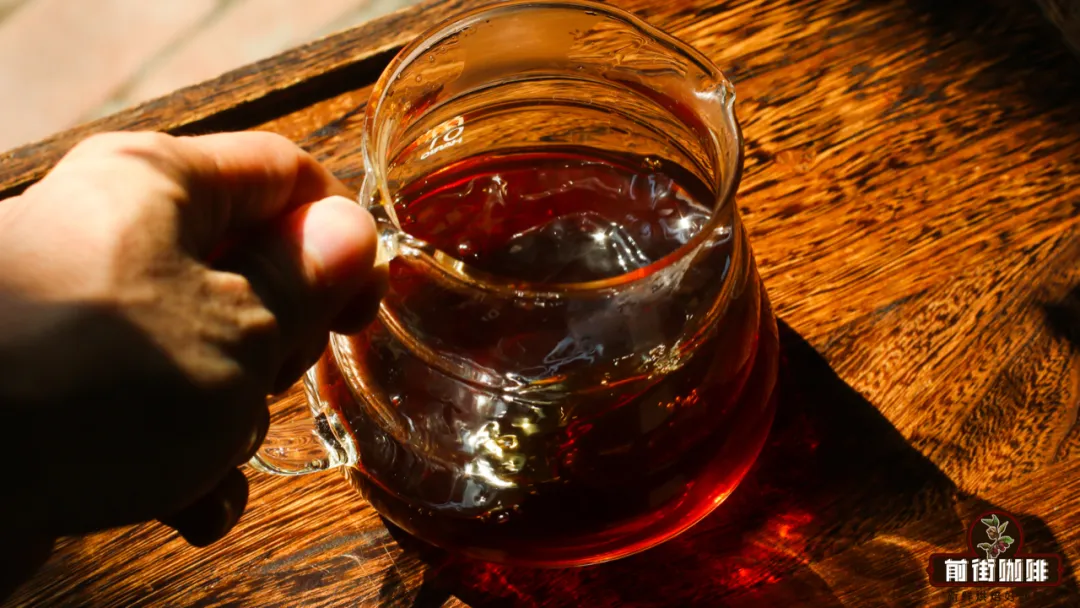
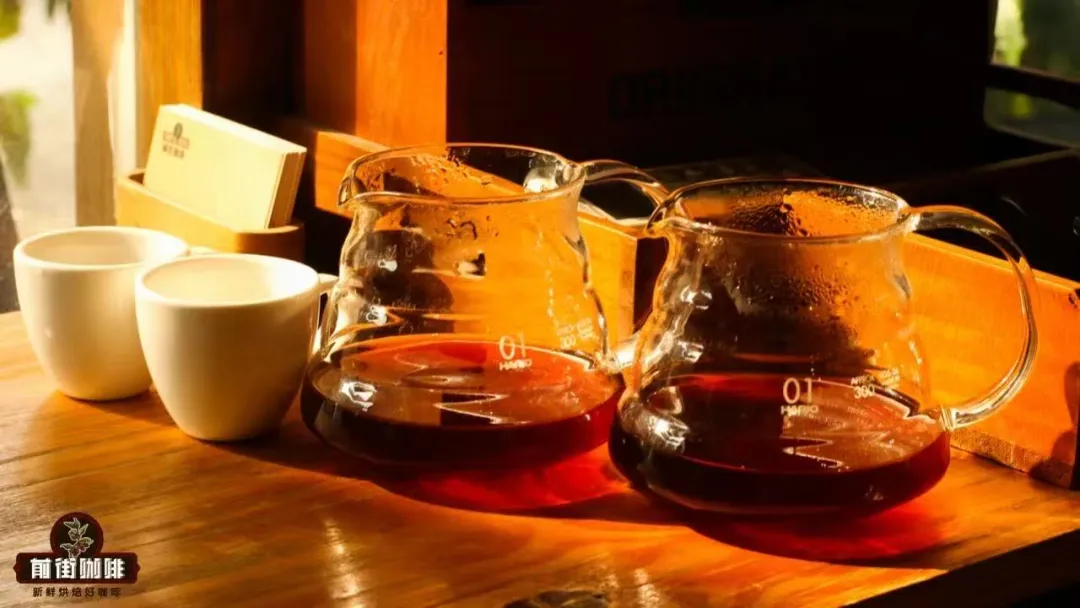
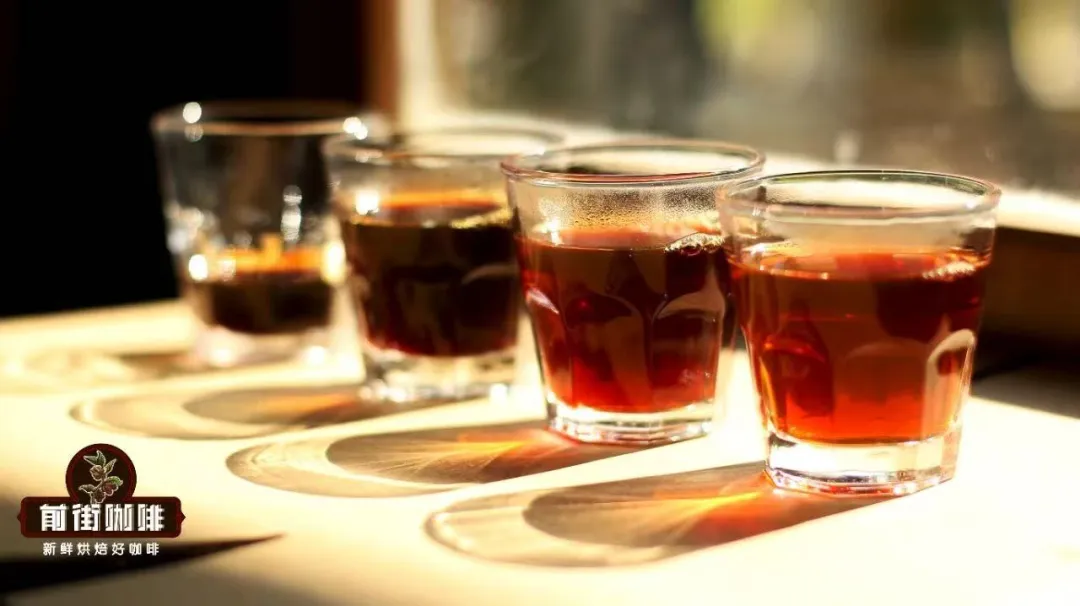
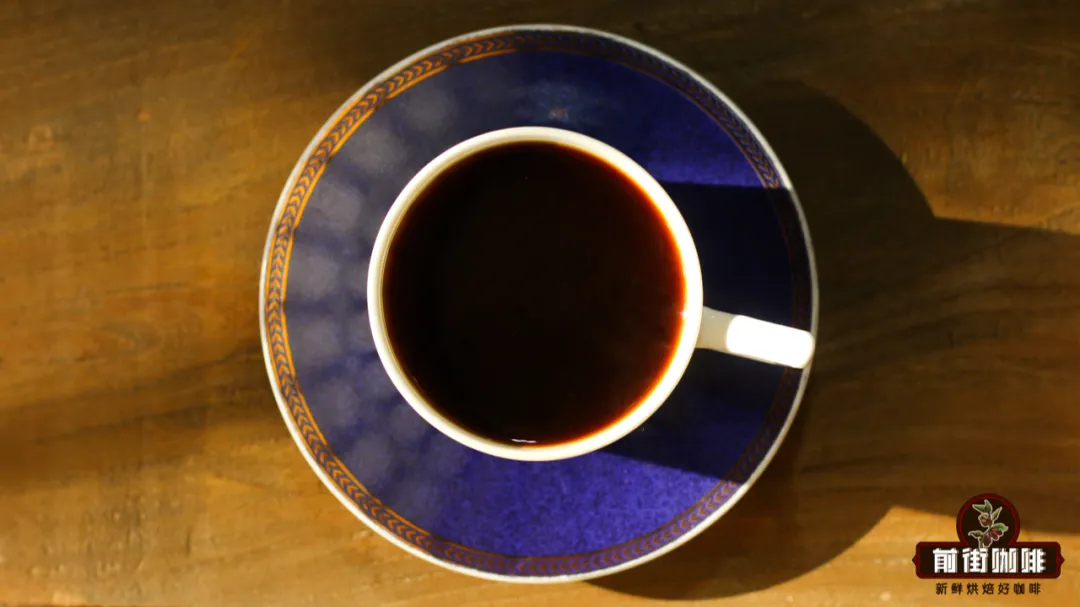
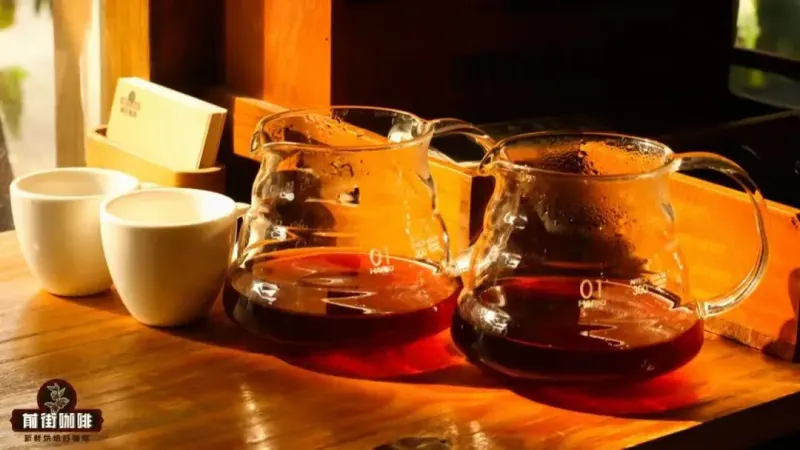
Today a friend brought up a very interesting question: how to brew a "wine-red" coffee. That's right, the wine-red here refers to the color of the coffee liquid, because the friend who raised this topic found that wine-red coffee seems to taste better than coffee with other liquid colors, so he started this discussion.
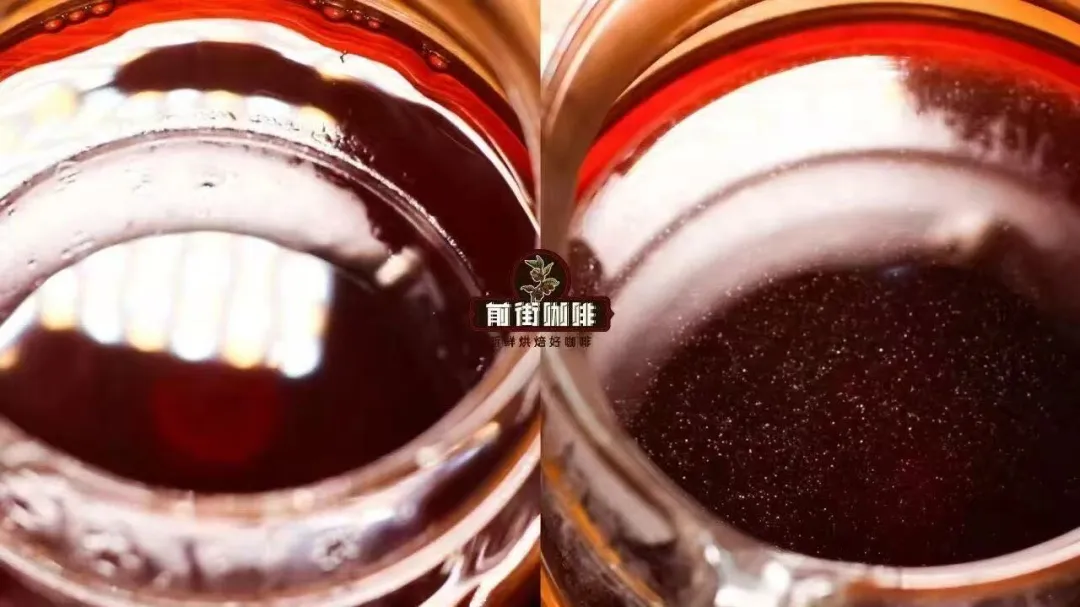
But to be honest, Front Street Coffee doesn't recommend using the liquid color as a standard for judging whether a coffee tastes good, because there are many factors that affect coffee's liquid color. If we use it as a standard to judge how to brew a good cup of coffee, then brewing a good cup of coffee will actually become even more difficult.Factors that affect coffee's liquid colorIn previous articles, Front Street Coffee has shared that the roast level of the coffee, the coffee's strength/extraction yield, and the coffee's filtration device are all factors that affect the liquid color.The roast level of the coffee beans determines the color of the coffee we brew. When the dose, extraction yield, and strength remain unchanged, the darker the roast level of the coffee beans, the darker the brewed coffee's color will be, and vice versa.The above is from the last time Front Street Coffee used the light-roasted bean from its bean list, Front Street Ethiopia·Huakui(left)and the dark-roasted bean from the bean list, Front Street Sumatra·Golden Mandheling(right)to brew coffee separately. Although their parameters, extraction yields, and strengths were roughly the same, we can see that one cup of coffee is more black in color, while the other is more red.And the reason for this difference is roasting! The darker the roast level of the coffee beans, the more chemical reactions the coffee beans will undergo during roasting. These chemical reactions increase the melanoidins in the coffee beans, gradually darkening the appearance of the coffee beans and the color of the extracted coffee.In addition, coffee strength can also affect the liquid color. Strength affects the brightness of the coffee's liquid color. Coffee strength refers to the proportion of soluble substances in the liquid of the coffee we brew. When the coffee strength is higher, it means the content of soluble substances in the liquid is higher; at this time, the coffee's liquid color will look less bright and then become a bit darker, and vice versa.Finally, there is the coffee's filtration device! The choice of filter material for pour-over coffee will change the proportion of insoluble substances in the coffee, and this will affect the transparency, or rather the cleanliness, of the liquid color. When the device you use has higher filtration performance, such as filter paper, then there will be less coffee powder and oil in the coffee, and the coffee will look very transparent;and if the device you use does not have such high filtration performance, such as a mesh or filter cup, then the coffee will contain more oil or fine powder, which will make the coffee look less transparent and a little cloudy. But note that this also cannot represent whether a cup of coffee tastes good or not.In summary, everyone should now understand why Front Street Coffee says it is best not to use liquid color to judge coffee extraction, because there are simply too many influencing factors. Although it is true that liquid color can be used to judge strength and extraction yield, if we switch to a coffee bean with a different roast level, or change the filter material, then the original standard will no longer apply.We can understand it this way: the reason the friend mentioned at the beginning of the article thought wine-red coffee tasted better is that the flavor and strength of the coffee brewed with the beans and parameters he used happened to match his preferences, and the roast level and strength of that bean also happened to make the coffee's liquid color wine-red. When using other parameters or brewing other beans, the color was not this color, and the taste did not match his preferences as much, so he developed the misunderstanding that wine-red coffee tastes better.But overall, Front Street Coffee still recommends that everyone judge whether a cup of coffee is good or bad based on the coffee's mouthfeel and flavor. This can help us quickly discover where the problem lies and make timely adjustments to the parameters. Liquid color can only serve as a reference indicator for brewing a certain bean, not as a standard for judging flavor.
The above content is compiled by CoffeeHunters, a coffee news website.