







How does filter choice change the body of pour-over coffee?
Filter paper gives excellent filtration and a clean, translucent cup, but it also traps coffee oils, so aroma and body come out lower than with mesh or cloth filters. A side-by-side brewing test comparing paper and non-woven filter paper shows how much of that difference shows up in the cup.
During extraction, coffee oils emulsify into fine droplets that wrap around released gases, forming the crema on espresso. The oils carry much of the aroma and full body coffee drinkers notice, so a medium with strong interception, such as paper, leaves some of that behind in the dripper, while mesh and cloth let more pass through.
In the world of pour-over coffee, the choice of filter paper directly affects the flavor in the cup. Filter paper offers outstanding filtration, delivering a clean and translucent mouthfeel, but it also traps some of the coffee oils, making the aroma and body slightly inferior to tools like mesh filters and cloth filters. From Front Street's perspective, this article takes a deep dive into the composition of coffee oils and crema, explains how the filtration medium affects coffee's aroma and body, and demonstrates the specific flavor differences between filter paper and non-woven filter paper through a side-by-side brewing experiment. If you're torn about which filtration tool to choose, or want to understand the characteristics of non-woven filter paper, this article will give you a clear reference.
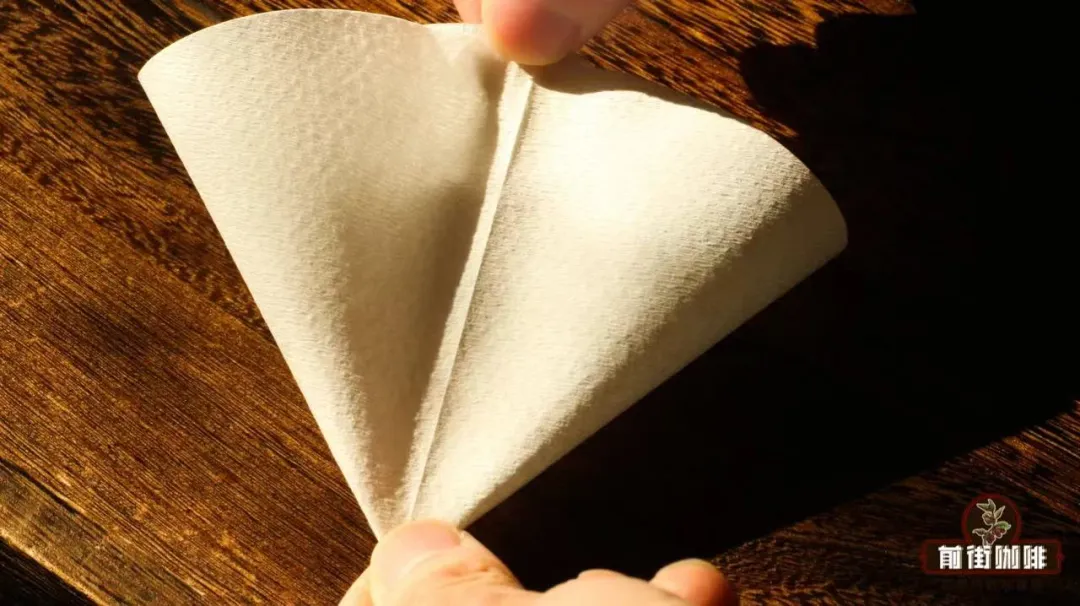
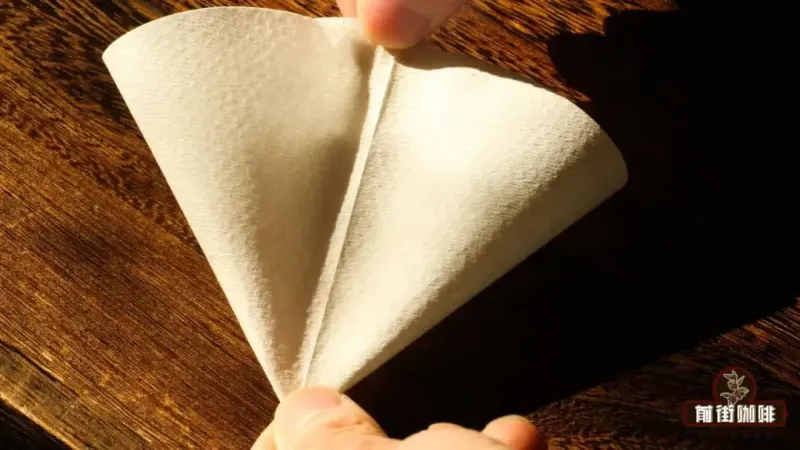
However, filter paper is not without its flaws. Compared with filtration materials like mesh filters and cloth filters, coffee brewed with filter paper falls slightly short in both aroma and body. The reason is that filter paper's interception ability is too strong—even the components that enhance coffee's aroma and body get blocked in the dripper (of course, this doesn't mean filter paper is bad!). And this key substance intercepted by the filter paper is, as Front Street believes every coffee lover is familiar with—it's the coffee oils.
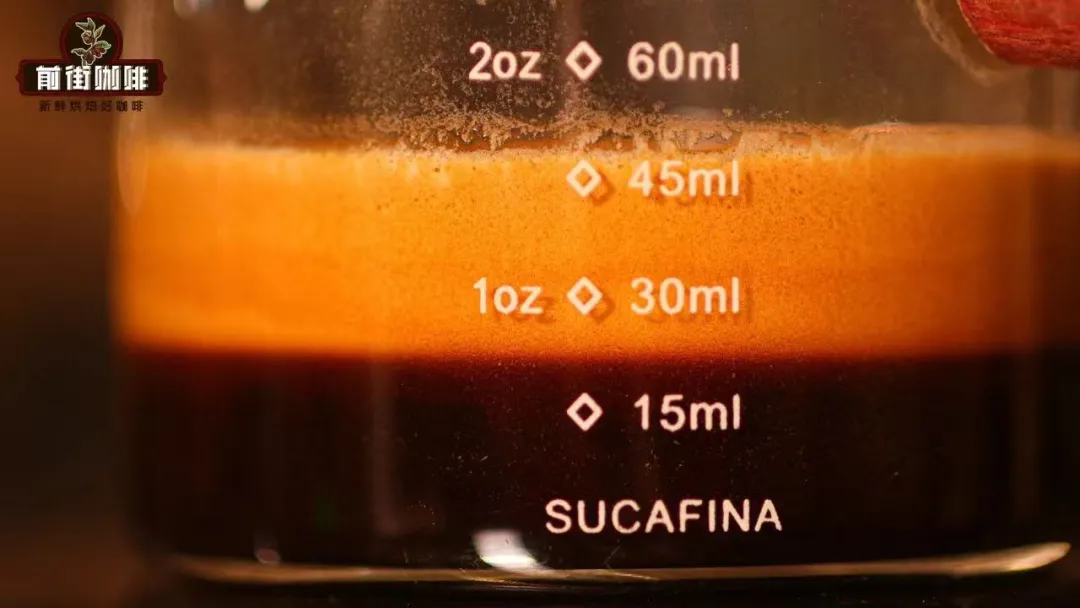
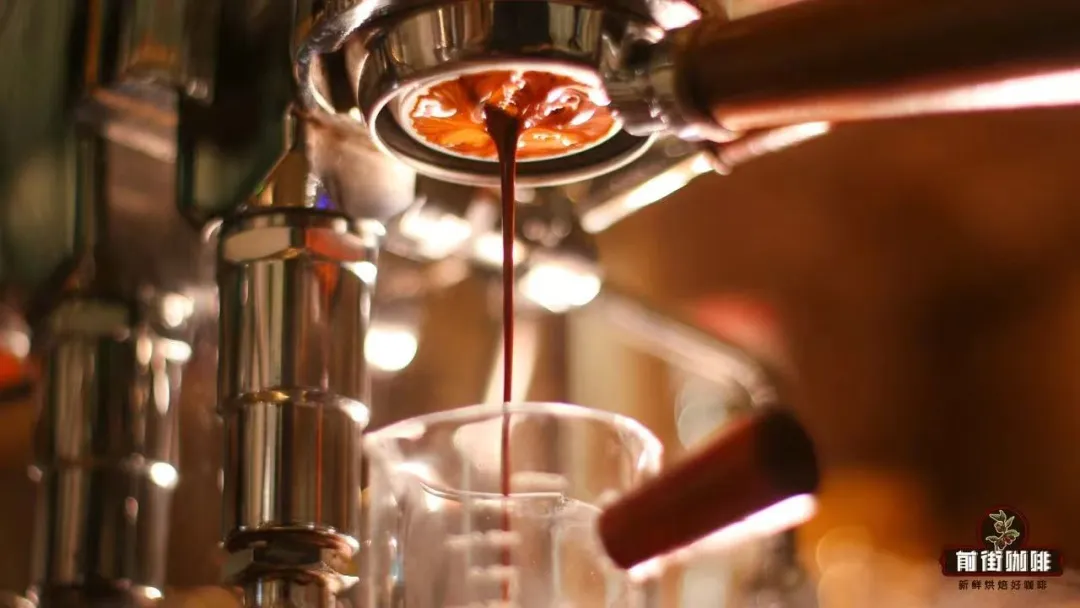
When it comes to coffee oils, the first thing that comes to many people's minds is probably the golden, velvety crema on the surface of an espresso. This unique product, which can only be produced through pressurized extraction, is often called "the soul of espresso."

Indeed, crema brings espresso a richer aroma and a smoother mouthfeel. But what Front Street wants to discuss here is not just that, but one of the core components of crema—the coffee's own oils. During extraction, the oils originally hidden in the coffee undergo emulsification, broken down into extremely fine droplets that blend into the coffee liquid, forming an emulsion-like mixture. It is this mixture that wraps around the gases released by the coffee grounds, forming bubbles, which ultimately evolve into the golden crema floating on the surface of the espresso.
In other words, crema is mainly composed of two parts: oils and carbon dioxide. And what truly plays the role of enhancing aroma and body is primarily the coffee oils. As long as the extraction parameters are properly controlled, even without pressurized extraction, the coffee oils can still be brewed out, giving the coffee a richer aroma and a fuller, smoother mouthfeel. However, how much oil enters the coffee liquid is influenced by the filtration tool. The stronger the filtration, the less oil ends up in the coffee; conversely, the more.
Overall, the fundamental reason coffee brewed with filter paper is less aromatic and full-bodied than with other filtration tools is that its filtration ability is too strong—a large amount of oils is intercepted and cannot enter the coffee liquid. Therefore, if you want coffee that is more aromatic and has a fuller, smoother mouthfeel, you can try switching to tools like mesh filters or cloth filters. This is also partly why coffee made with a French press or siphon is so aromatic.
But Front Street is not dismissing filter paper. Filter paper actually has many advantages—those mentioned at the beginning, for example. Moreover, because coffee brewed with filter paper has less oil and fewer fines, it is exceptionally clean in both appearance and mouthfeel, presenting a texture distinctly different from other devices. Below, Front Street brewed a pot of coffee each with filter paper and non-woven filter paper under identical parameters, so you can compare the differences between the two through Front Street's tasting notes.
Brewing Share The coffee beans used by Front Street for this brew are the Front Street Emerald Estate · Green Label Geisha from the bean list, with the following extraction parameters: Dose: 15g Coffee-to-water ratio: 1:15 Brewing temperature: 92°C Grind size: Ek43 setting 10, 75% pass rate on a No. 20 sieve, C40 24–26 clicks (Because non-woven filter paper drains faster, the grind needs to be adjusted one click finer on these bases) Brewing method: three-pour Dripper used: V60
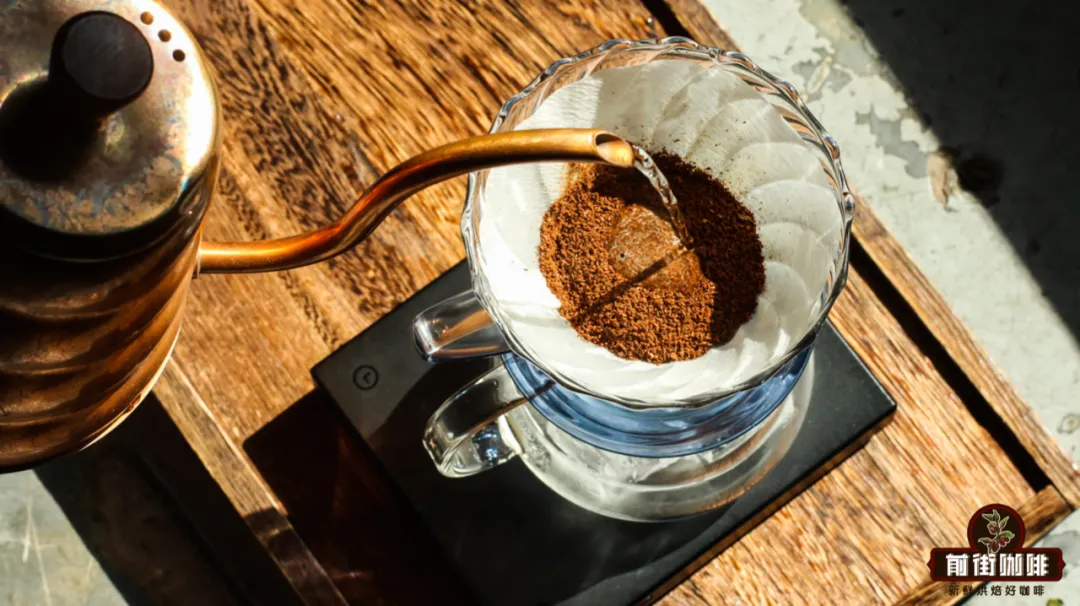
The brewing process is the same as usual: first bloom with 30ml of hot water for 30 seconds; after the bloom, pour the second stage of hot water in a small stream in a large circular motion, totaling 120ml. Once the second stage of hot water has mostly drained through, pour the third stage of hot water with the same stream in a small circular motion, using 75ml of water. Finally, after the coffee liquid has finished dripping, remove the dripper and the brew is complete.
From the comparison in the image above, the significant difference between the two is clearly visible: one pot has a flawless, clean surface, while the other is covered with oils, with numerous oil spots visible in the reflections on the surface. The filtration tools they correspond to are filter paper and cloth filter, respectively. Filter paper group Green Label: The Green Label brewed with filter paper has a very clean mouthfeel, with clear and prominent flavors—you can taste jasmine, citrus, honey, and an oolong tea finish. Cloth filter group dripper: The Green Label brewed with cloth filter, while its flavor expression is less prominent and clear than the former, has a longer finish, higher body, smoother mouthfeel, and slightly better aroma.
The two cups of coffee each have their own characteristics, and there is no basis for comparison to begin with. If you prefer coffee with high body and rich aroma, try brewing with tools like cloth filters or mesh filters; if you value cleanliness and clear flavor layers more, then filter paper is the perfect choice.
- END -
The above content is compiled by CoffeeHunters, a coffee news website.


