







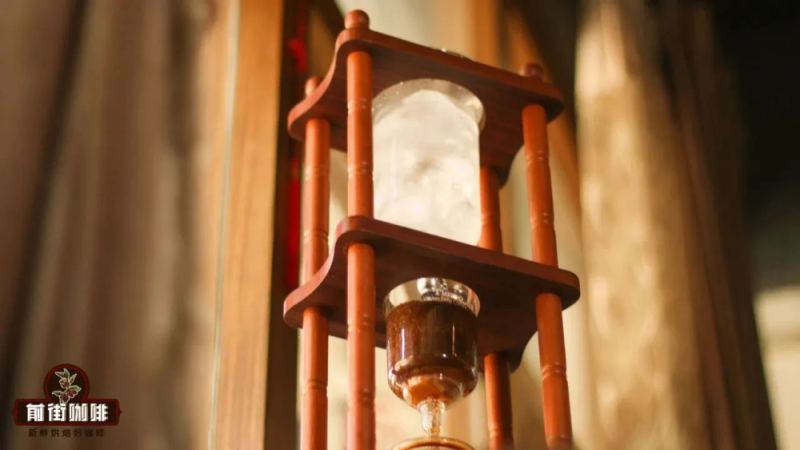
How do you use a drip coffee maker for cold brew?
Cold brew coffee comes down to six controlled steps: bean selection, grind, ratio, extraction, drip rate, and aging. Medium or medium-dark roasted beans work well because cold brew is a concentrated extraction; dark or French roast beans tend to turn bitter. Grind coarseness should match pour-over single-origin coffee, roughly like Taiwan Sugar No. 2 granules.
The coffee-to-water ratio and drip rate decide the final cup, and avoiding channeling keeps extraction even. After brewing, refrigerate the concentrate to let flavor develop, which brings out the wine-like body and fruity notes cold brew is known for. Medium-light roasted beans with fermented or floral-fruity profiles add brightness and complexity to the finished drink.
Cold brew coffee is deeply favored by enthusiasts for its rich, wine-like body and refreshing fruity notes, but recreating the ideal flavor at home requires precise control over bean selection, grinding, ratio, extraction, and aging. This article systematically outlines the 6 core steps for making cold brew coffee, including suitable roast levels and single-origin bean recommendations, coffee grounds coarseness standards, the golden coffee-to-water ratio, techniques to avoid channeling, optimal drip rate settings, and refrigeration fermentation methods for enhanced flavor. The article specifically includes suggestions for multiple single-origin beans from the Front Street brand, such as Bird of Paradise, Queen's Estate Brazil, and Honduras Sherry, helping you craft a cup of cold brew coffee with both bright fruity acidity and fermented complexity through slow drip filtration and low-temperature aging.
1. Coffee Bean Selection
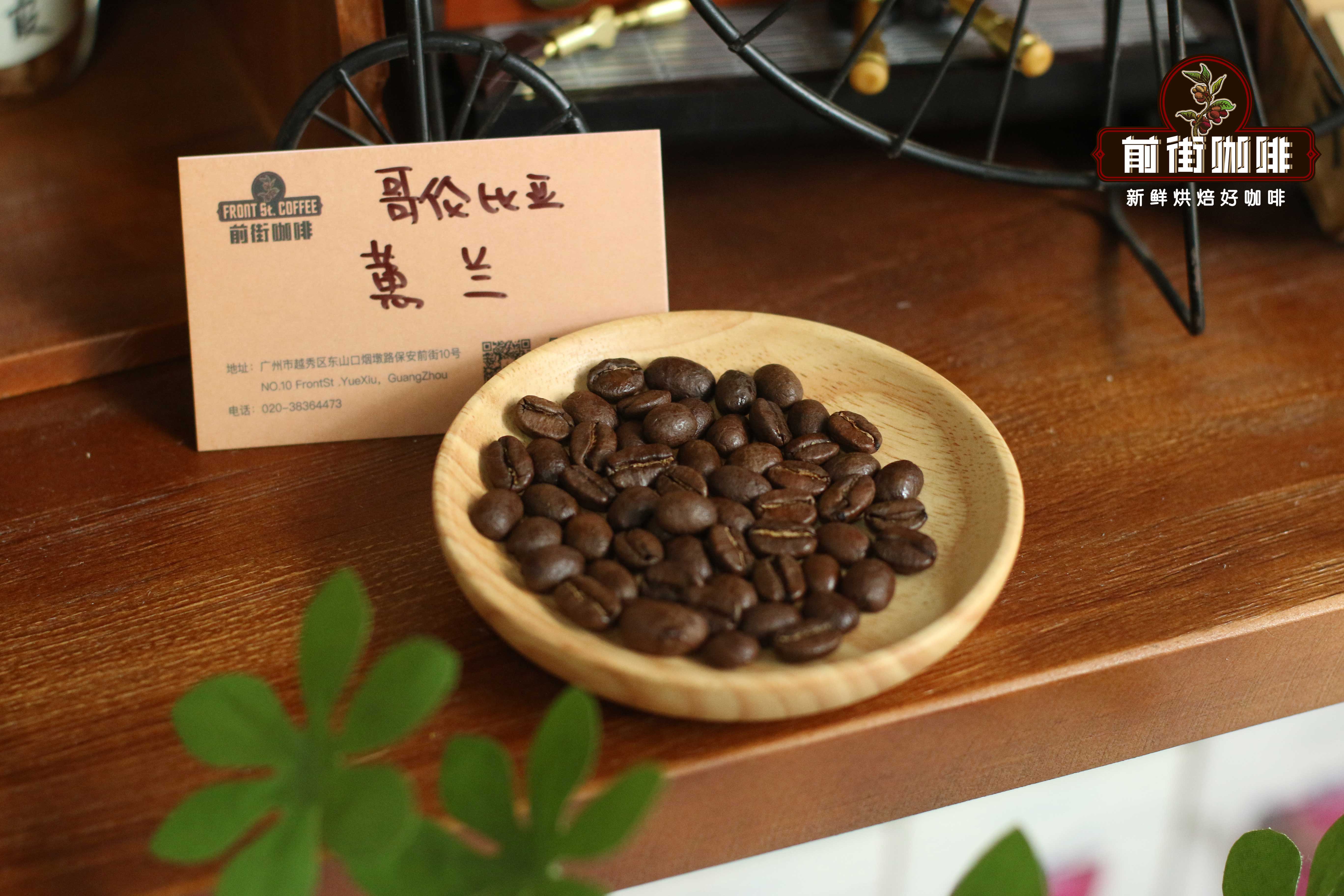
Cold brew is a concentrated extraction method, making medium or medium-dark roasted beans most suitable, such as Front Street Bird of Paradise, Front Street Queen's Estate Brazil, and Front Street Huilan Coffee from the Front Street bean list; if you choose dark roast or French roast beans, the brewed coffee can easily become too intense with pronounced bitterness.
To showcase the unique rich, wine-like aroma of cold brew while avoiding the off-flavors from the tail end of long drip filtration, Front Street specifically selects high-quality single-origin beans with distinct fruity notes. Under the dual effects of slow drip filtration and low-temperature aging, the final product retains the clarity of fruity-acid coffee while carrying a hint of fermentation reminiscent of fruit wine—rich yet still refreshing.
Medium-light roasted coffees can be divided into two categories here: one with prominent fermented aromas, such as Front Street's Honduras Sherry Coffee, Costa Rica's Musician Series—Mozart, Colombia Flower Moon Night, and Rose Valley; the other with a fresh, clean, floral-fruity sweet-and-sour style, like Front Street's Ethiopia Natural Red Cherry, Panama Washed Butterfly, and Kenya Little Tomato.
2. Coffee Grounds Coarseness
The grind size suitable for cold brew is the same as for pour-over single-origin coffee; grounds from a grinder setting of 3–5 can all be used, with a coarseness roughly equivalent to Taiwan Sugar No. 2 granulated sugar. If the grounds are too fine, ice water passes through the coffee bed more slowly, extending extraction time and making the coffee stronger; if too coarse, the water flows too quickly, resulting in a weaker-tasting brew.
3. The Golden Ratio of Coffee Grounds to Ice Water
The coffee-to-water ratio can be adjusted between 1:10 and 1:12 according to personal taste, and a small amount of ice cubes (about 30g) can be added to the ice water to maintain low temperature.
If using fresh coffee grounds with strong water absorption (ground from beans within 7 days of roasting), it's recommended to use 5–10g less coffee, filling the coffee bed to about eight-tenths of the container, to prevent overflow from the grounds chamber after swelling from water absorption.
4. Even Extraction to Avoid Channeling
Before the actual cold brew drip, you can use a small amount of room-temperature water (e.g., 600g coffee grounds with 1200ml water), starting from the center of the coffee bed surface and pouring in a clockwise or same-direction spiral for 3 circles to saturate all the coffee grounds. This allows the subsequent ice water drips to spread evenly for more consistent extraction; placing filter paper or a mesh on top of the coffee bed can achieve the same effect.
5. Setting the Optimal Drip Rate
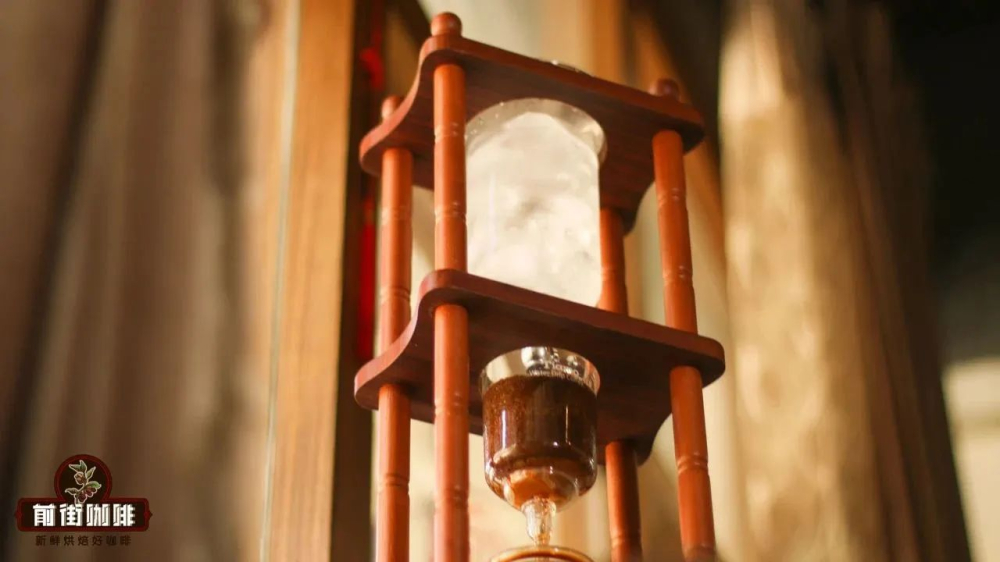
Place the coffee grounds into the middle grounds chamber, pour ice water into the upper kettle base, then adjust the water flow control valve while watching a timer, keeping the ice water at a drip rate of 5–7 drops per 10 seconds. If the drip rate is too fast, flooding and clogging will occur; if too slow, the overall cold brew time will be prolonged. The entire process takes approximately 6–8 hours.
If your cold brew maker doesn't have a water flow control valve, simply use all ice water and keep it in the refrigerator throughout; the hole design will automatically maintain 5–7 drops per 10 seconds.
6. Tips for Even Better Flavor
Freshly dripped cold brew coffee tastes rather light; if you want it richer and more full-bodied, seal the container holding the cold brew with plastic wrap, or pour it into a clean glass bottle, and refrigerate for 2–3 days to ferment. Depending on the bean variety, additional flavors such as wine-like notes or berry tones may develop.
The above content is compiled by CoffeeHunters, a coffee news website.


