








Why Do Oils in Coffee Show on Espresso but Not Pour-Over?
The golden-brown layer on espresso is foam made of carbon dioxide bubbles wrapped in the water-soluble oils in coffee. Let the shot sit and the bubbles burst, leaving a visible oily film on the surface. Pour-over almost never shows that film because filter paper traps most oils and fine particles before they reach the cup.
To keep more oils in a pour-over setup, switch to a device with weaker filtration, such as an AeroPress, French press or siphon. These let more oils and some fine particles through, so espresso characteristics like body and finish carry over into a fuller mouthfeel, even without a thick layer of crema.
On the surface of espresso, that layer of golden-brown foam is often regarded as a sign of extraction quality, but its essence is actually a structure formed by carbon dioxide bubbles wrapped in the water-soluble fats within the coffee beans. When espresso sits for a period of time, the bubbles burst and dissipate, and a distinct oily film floats to the surface of the liquid—that is the true body of the oils. The reason it is difficult to see this layer of oils in pour-over coffee is mainly that the filter paper's filtration capacity is too strong, intercepting most of the oils and fine particles. If you want to retain more oils in a pour-over setup, you simply need to switch to a device with weaker filtration performance, such as an AeroPress, French press, or siphon, to achieve a more pronounced oil expression and a different mouthfeel experience. This article will explain the composition of oils, the differences between pour-over and immersion extraction, and the flavor presentation characteristics of Front Street Coffee's related products.

Pour-over coffee indeed cannot have a thick layer of Crema like espresso, but we can still adjust our approach to bring pour-over coffee's mouthfeel closer to that full-bodied effect.
The reason is that Crema itself is merely an external foam layer propped up by carbon dioxide. What truly determines body and finish are the lipid substances that encase the carbon dioxide—that is, the water-soluble fats inside the coffee beans. After espresso sits for a while, the foam gradually bursts and disappears, and at that point you will see a distinct floating layer on the surface of the liquid—that is the oil itself.
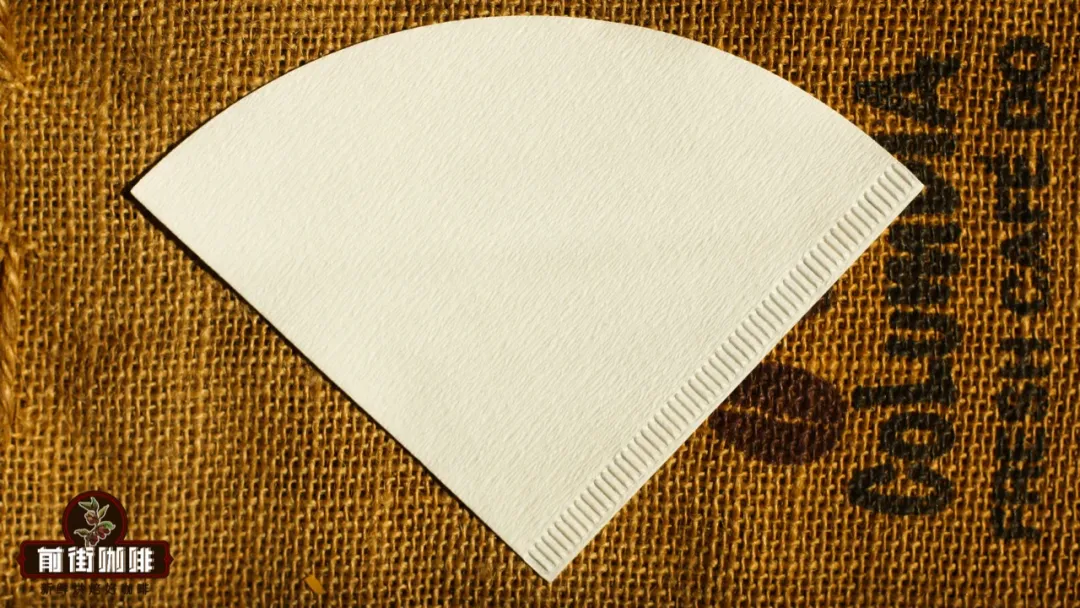
However, most people almost never observe oils on the surface of pour-over coffee. It is not that they don't exist, just that the amount is too small to detect with the naked eye. The main factor causing this phenomenon is the "filter paper," because its filtration capacity is simply too strong.
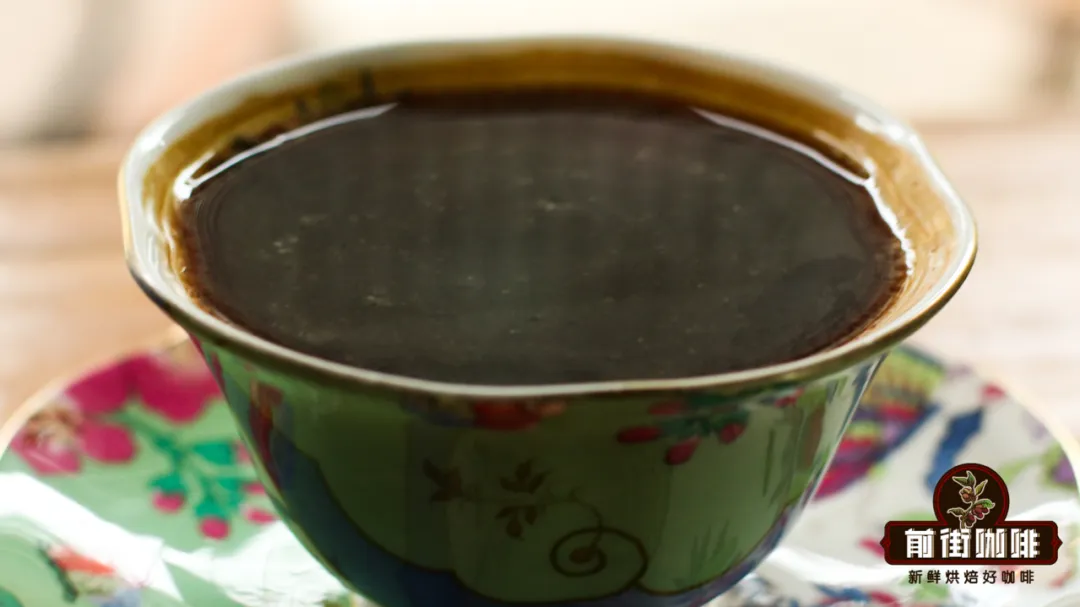
When we switch to an AeroPress, French press, or siphon to make coffee, the single-origin coffee we get often has oils visible to the naked eye. This is because these devices have relatively weaker filtration performance, making it easier for substances to pass through.
In addition to oils, because the mesh openings are larger, some fine particles also pass through the filter into the coffee liquid, so this type of coffee appears relatively cloudy.
In contrast, pour-over coffee not only has no oils floating on the surface but also has a clear, translucent color—the two form a stark contrast. This is precisely the result of the filter paper.
(Of course, this is not to say filter paper is bad—different devices each have their own strengths.)
So, if you want pour-over coffee to retain the same degree of oils, the method is actually very simple: just replace the highly filtering filter paper with a device that has less impressive filtration performance. Then the question follows—which devices can better retain coffee oils?
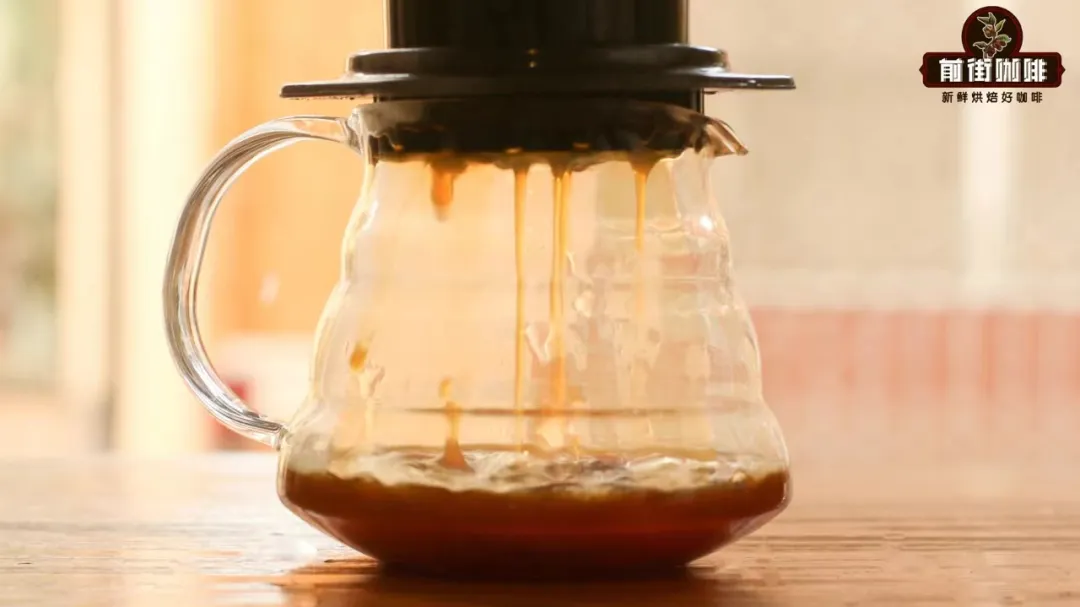
Take the French press as an example: it uses a metal mesh, whose pores are far larger than filter paper, so both oils and fine particles in the coffee liquid can enter the cup more smoothly. Although the AeroPress uses filter paper or a metal mesh, its overall filtration path and pressure method are different, and it can also retain some oils. The siphon relies on a cloth filter or mesh, with filtration precision between filter paper and metal mesh, and it can likewise deliver a more pronounced oil sensation.
In actual brewing tests, Front Street Coffee also found that medium-to-dark roasted beans made with an AeroPress or French press show more prominent oil expression, with body and finish both closer to the espresso experience. If you choose Front Street's Huakui or Yunnan natural beans and extract them with these devices, you can feel a fuller mouthfeel and a more lasting sweet aftertaste.
Of course, the amount of oils is not the only criterion for judging whether coffee is good or bad. The clarity and flavor layering brought by filter-paper pour-over are also something other devices cannot replace. Which method to choose ultimately depends on what kind of mouthfeel you want.
The above content is compiled by CoffeeHunters, a coffee news website.


