







Search Results for: Ethiopian native Geisha
Gesha Village: Tracing the Origins of Ethiopian New Varieties and Recent Auctions
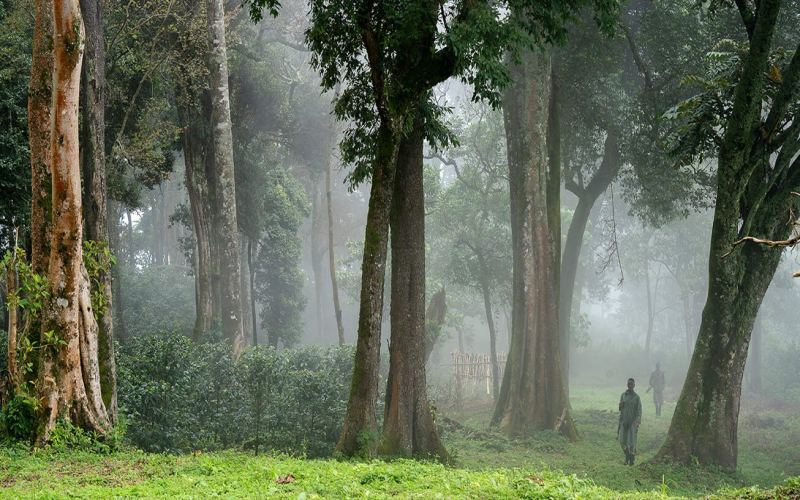
The name Geisha is now almost a highly recognizable symbol in specialty coffee. But what many people don't know is that its roots actually lie in Ethiopia. In recent years, an estate named after Geisha—Gesha Village—has turned its attention back to Ethiopia, and has also made "original Geisha" a [more…]
Tracing the Origins of the Geisha Coffee Variety: Flavor Differences and Genetic Lineage Between Ethiopian Native Gesha and Panamanian Geisha
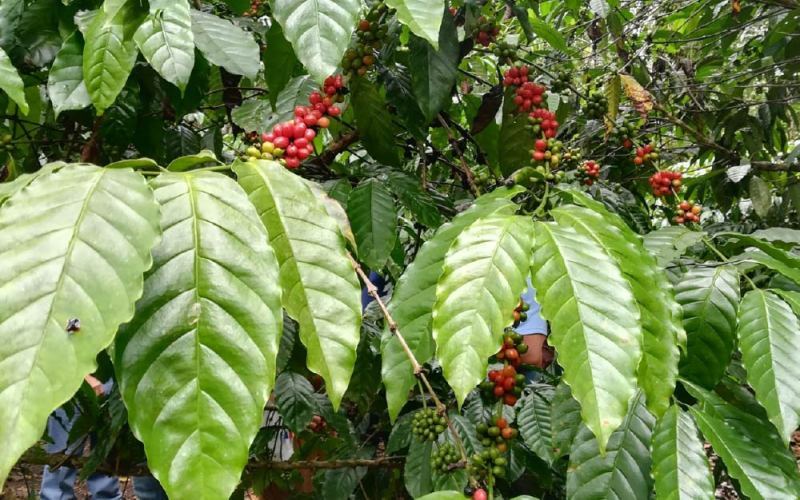
Although Geisha coffee originated in Ethiopia, it rose to world fame in Panama. What many people do not know is that the Geisha grown in Central America today and the native Geisha of Ethiopia are actually two different varieties, a fact hinted at by the difference in spelling between Gesha and Geisha. Through comparison, Front Street Coffee found that Panamanian Geisha is known for its refined fruit acidity, floral aroma, and tea-like body, while native Ethiopian Gesha presents notes of citrus, almond, and tea, with slightly less complexity. This article traces Geisha's century-long journey from being collected in the Kaffa forest to achieving fame in Panama, sorts out the genetic relationship between T2722 and Gesha1931, and introduces the flavor characteristics of the Ethiopian Gesha Village and Panamanian Hacienda La Esmeralda series Geisha coffee beans currently sold by Front Street Coffee. [more…]
Yirgacheffe SOE Espresso Flavor Analysis: Front Street Grana Native Geisha and Espresso Serving Guide
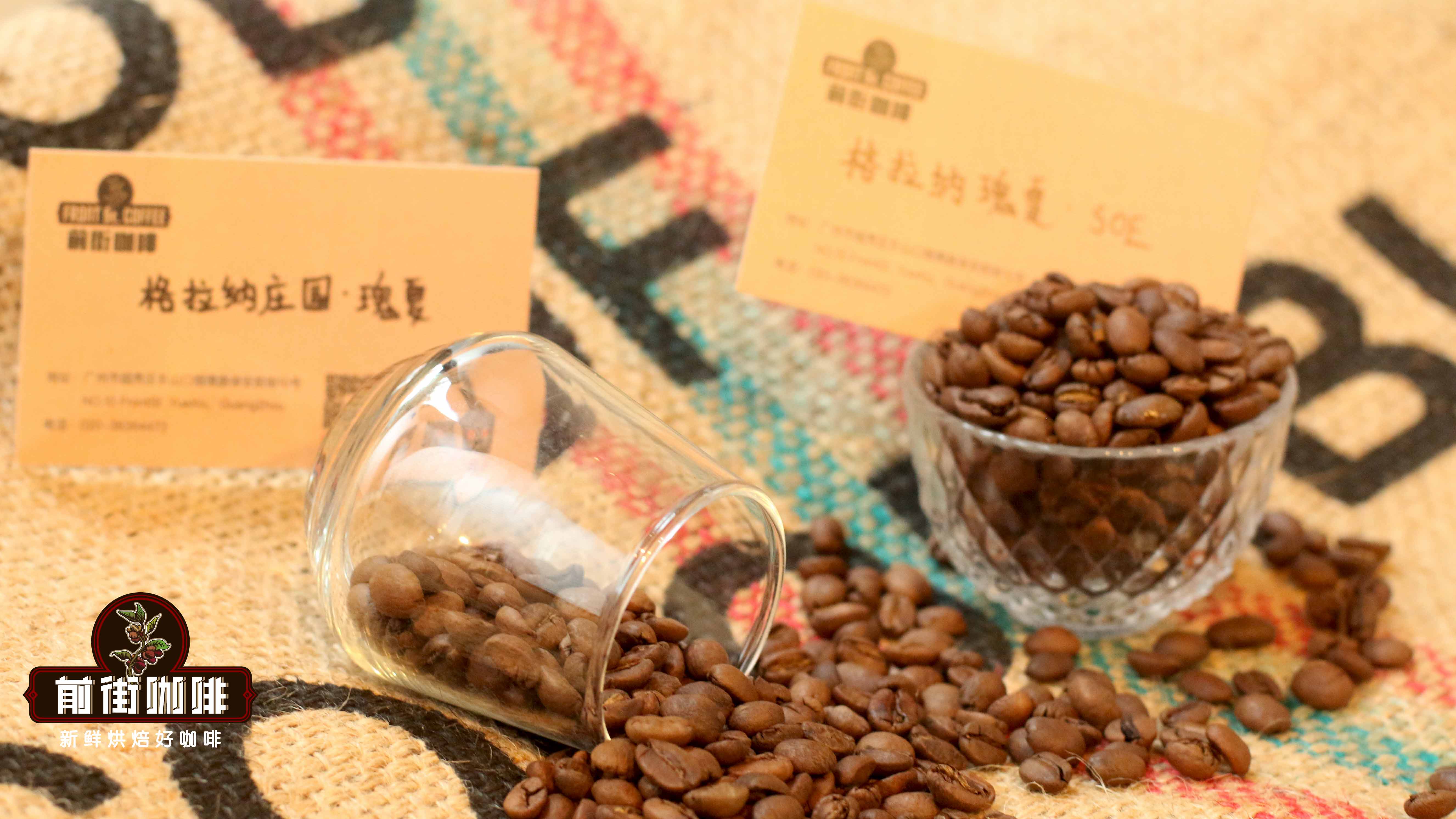
Is coffee made from Ethiopian Yirgacheffe beans as an SOE espresso actually good? Starting with Front Street Coffee's Grana Estate native Geisha, this article introduces this Ethiopian native Geisha that Israel Degefa began researching in 2014, how its flavor differs from Panama Geisha, and why it has gained attention for its high cost-performance. We'll also discuss its specific performance when made into Americano and milk coffee, plus practical knowledge about espresso serving sizes, helping you craft a richly layered SOE at home. [more…]
A Detailed Guide to Ethiopian Coffee Varieties: What Exactly Does Heirloom Native Species Mean?
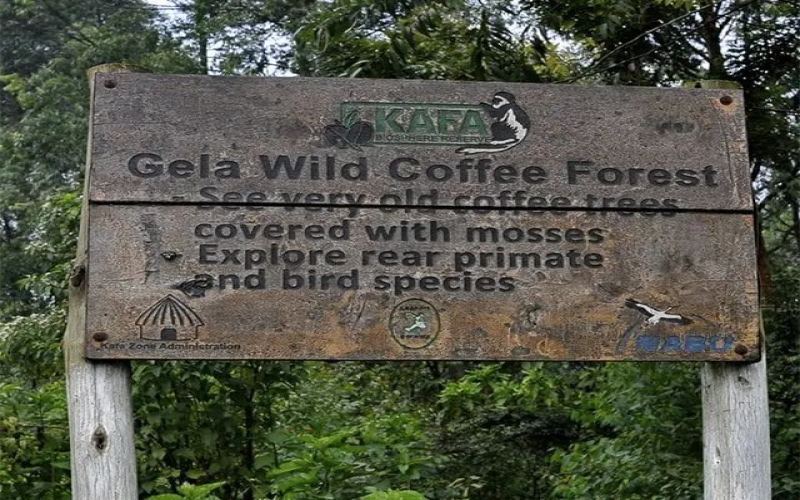
When buying Ethiopian single-origin coffee, the "Heirloom" commonly seen on packaging often leaves people puzzled. It is not a specific variety, but a collective term for the vast number of native Arabica varieties in the region. As the birthplace of coffee, Ethiopia has thousands of natural variants, and many producing areas even grow dozens of varieties mixed together, making it impossible to classify them one by one. This article will take you through Front Street's perspective to understand the true meaning of Heirloom, its relationship with flavor, and the stories of specific varieties such as JARC numbered varieties, Geisha 1931, Gori Geisha, and Wush Wush. [more…]
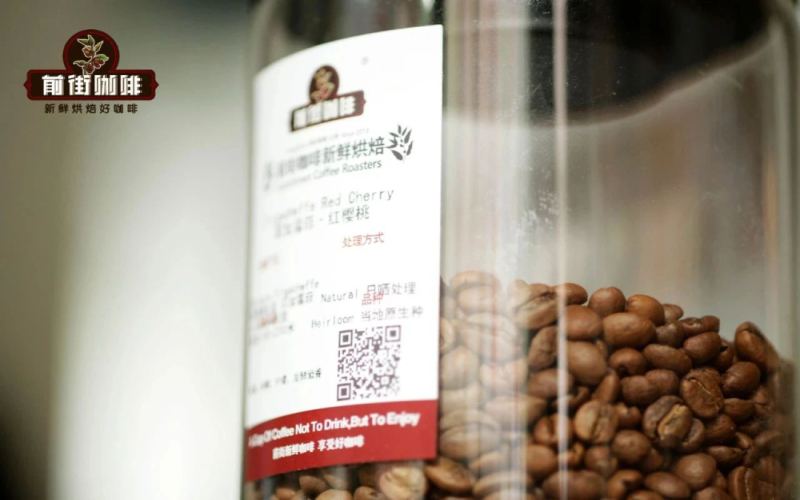
Landrace and Heirloom in Ethiopian Coffee Beans: What Exactly Is the Difference Between Native Species and Local Varieties?
When purchasing Ethiopian coffee, the terms "native species" or "heirloom" commonly seen on packaging are already familiar to many, but in the past two to three years, a new term, "landrace," has also begun to appear frequently. What exactly is the difference and connection between the two? This article, from the perspective of Front Street, sorts out the essence of heirloom mixed harvesting, the logic behind the formation of landrace local varieties, and, using the specific case of Front Street Kafa Forest coffee beans, explains the regional story behind variety labeling. At the same time, it will also clarify a common misconception: Kafa Forest and Panama Geisha are completely different things; the former emphasizes the terroir of the origin, rather than a specific variety. [more…]
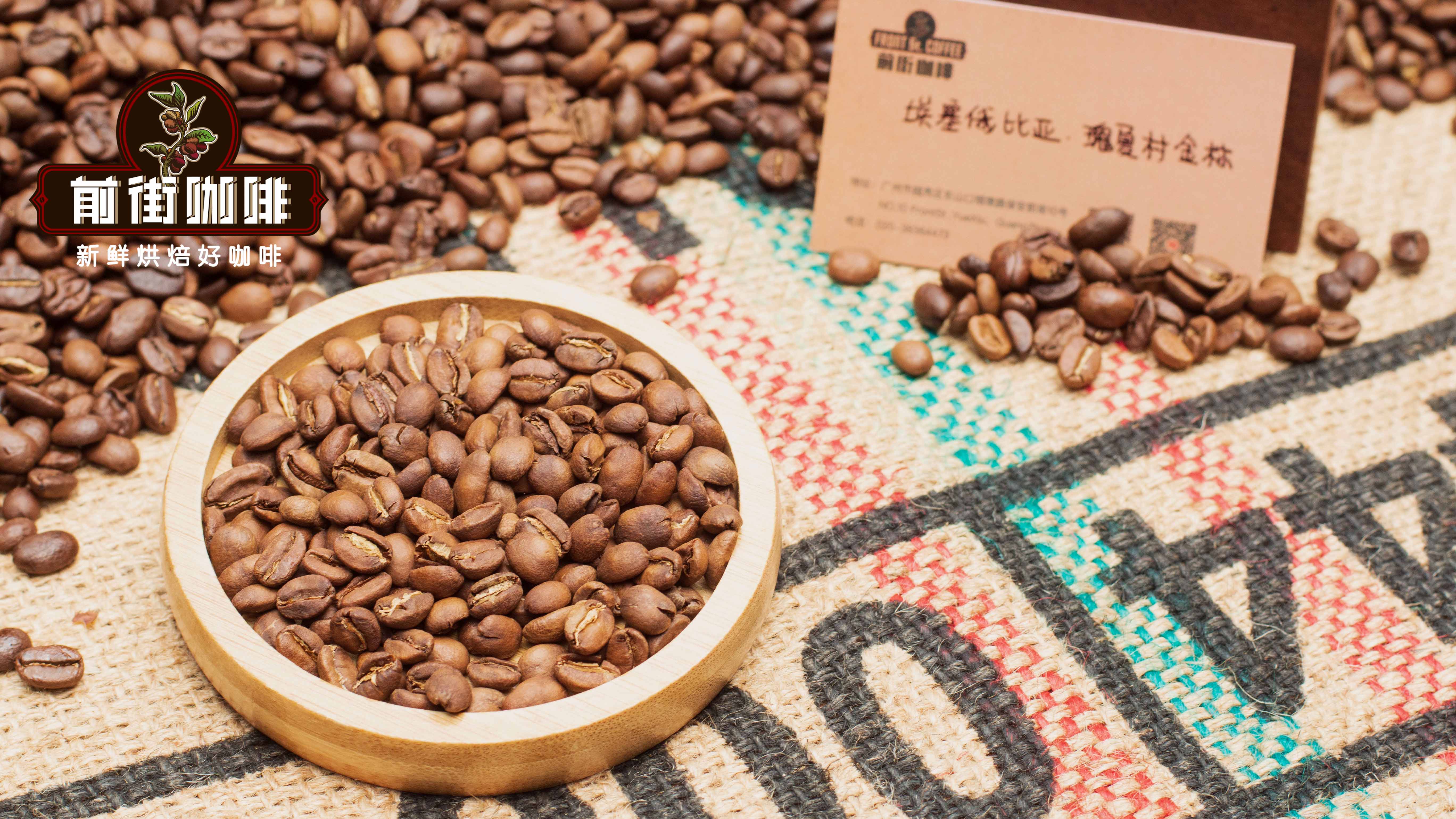
From Ethiopian Heirloom to Panama Hacienda La Esmeralda: A Comparison and Flavor Analysis of Geisha Coffee's Two Major Producing Regions
Geisha coffee is one of the most sought-after varieties in today's specialty coffee world, but many people don't know that its roots actually lie in Ethiopia. This article will take you through the journey of Geisha from Ethiopia's native forests to Panama's Hacienda La Esmeralda, and compare the similarities and differences between Geisha coffees from two major origins—Ethiopia's Gesha Village and Panama's Hacienda La Esmeralda—in terms of bean morphology, processing methods, and flavor expression. It will also introduce several Geisha products selected by Front Street Coffee, including Front Street Gesha Village Red Label, Gold Label, and Front Street Emerald Red Label, and present their flavor differences through actual cupping data, helping you gain a more comprehensive understanding of the diversity of Geisha coffee. [more…]
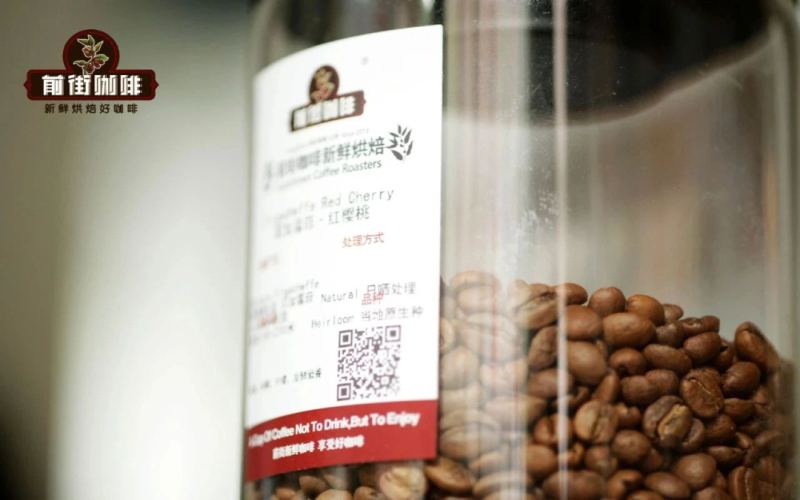
Heirloom and Landrace on Ethiopian Coffee Labels: How Exactly Do We Distinguish Native Varieties from Landraces?
Friends who frequently buy Ethiopian coffee beans are certainly familiar with the variety label "Heirloom," usually translated into Chinese as "native species" or "heirloom." But in the past two or three years, another term has quietly appeared on the packaging of some Ethiopian beans—"Landrace." What exactly is the relationship between it and Heirloom? Are they different names for the same thing, or two completely different concepts? In this article, Front Street will take a careful look at the origins and evolution of Landrace local varieties, starting from Ethiopia's garden planting system, sorting out the mixed-harvest nature of Heirloom, then moving on to JARC's work in identifying local varieties, and why more and more international green bean merchants have begun to purchase these varieties with distinctive regional characteristics separately. At the end, we also include information on the Kaffa Forest lot currently sold by Front Street for everyone's reference and comparison. [more…]
Can Ethiopian Native Geisha Be Used for SOE? Front Street Coffee Granada Estate Natural Geisha Roasting and Flavor Guide
Ethiopian heirloom Geisha is a completely different flavor profile from Panamanian Geisha, and with its outstanding value for money and unique specialty coffee expression, it is drawing the attention of more and more coffee lovers. The Grana Estate Geisha SOE launched by Front Street Coffee has an obvious yellow floral note and bright bergamot on the entry, with a fresh strawberry-like sweet fragrance in the finish. This bean comes from the Grana processing station at the border of the Kochere and Grana Abaya producing areas, where Israel Degefa led research in 2014, using raised-bed sun-drying for 14 to 20 days. Brewed as an Americano it has lime notes and a fermented black grape sweetness, while as a milk coffee it shows a smooth, sweet strawberry-cake quality. This article covers its origin background, processing method and SOE performance, and provides reference roasting ideas. [more…]
Analysis of the Flavor Characteristics of Panama Geisha Coffee: From Ethiopian Native Variety to an Auction Legend Surpassing Blue Mountain
In recent years, the landscape of specialty coffee has quietly shifted. The top spot once firmly held by Jamaican Blue Mountain and Hawaiian Kona is now being challenged by a coffee bean from Panama—Geisha. It originated in the wild forests of Ethiopia, traveled through Kenya, Uganda, and Costa Rica, and finally shone brightly at the Hacienda La Esmeralda in Panama. Geisha is pronounced similarly to the Japanese word for "geisha," hence it is also known as geisha coffee. Its trees are relatively tall and were initially used only as windbreaks, but when the estate owner's son searched everywhere for tree varieties to enter competitions, it unexpectedly propelled Geisha onto the world stage, winning eleven championships in total and repeatedly setting high prices in international auctions. Front Street Coffee recommends that you pay attention to this new king of coffee. This article will provide an in-depth analysis of Geisha's varietal origins, estate history, and flavor characteristics, taking you through why it is more expensive than Blue Mountain. [more…]
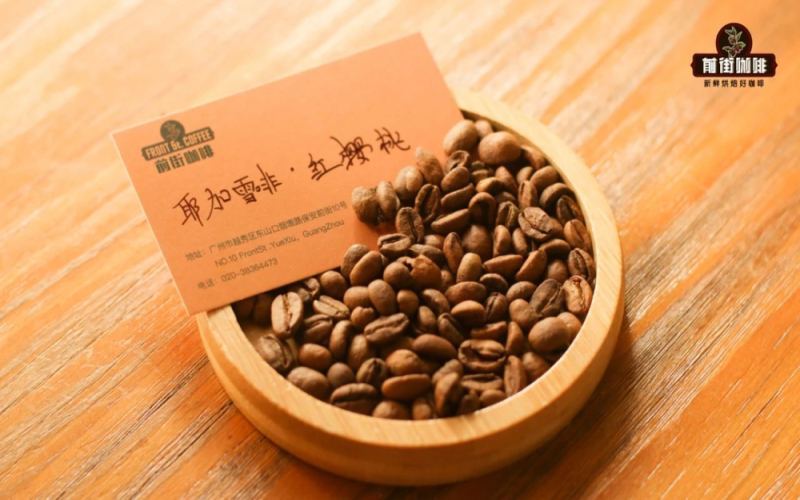
Ethiopian Coffee Bean Label Guide: Differences Between Heirloom, Landrace, and Regional Varieties, and G1 Bean Recommendations
When selecting Ethiopian coffee, the variety labels on the packaging often leave people confused: Heirloom is translated as "native species" or "heirloom," and in recent years the term Landrace (local variety) has also appeared. What exactly do these names refer to? What is the relationship between them? This article will start from the garden farming model of Ethiopian coffee, clarify the concept of Heirloom as a mixed lot, explain how Landrace is selected, identified, and harvested separately from the field, and also recommend Front Street Coffee's Kaffa Forest G1 washed beans, as well as its difference from Panama Geisha. [more…]
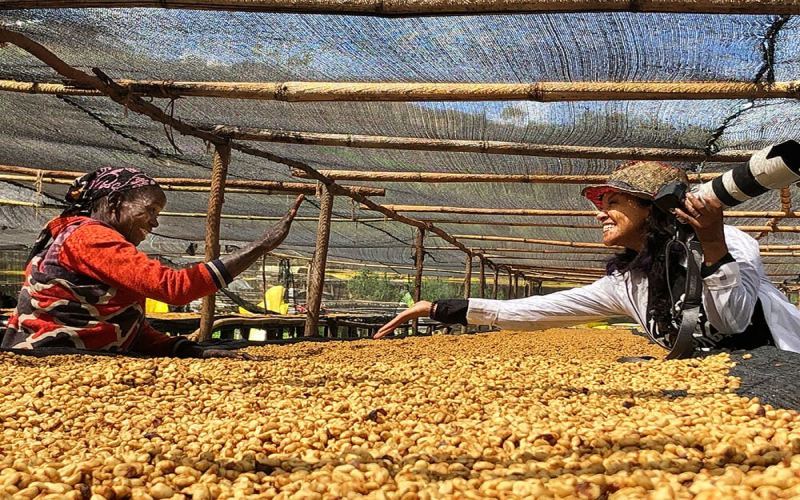
Exploring Ethiopia's Bench Maji: A Complete Origin Analysis of Gesha Village Estate and the Native Geisha Variety
Ethiopia, as the birthplace of coffee, possesses the world's richest coffee gene pool, and the Bench Maji region on the western border is the original homeland of the renowned Geisha variety. This article systematically examines the unique characteristics of this region, from its geographical environment, regional divisions, and cultivation patterns to the varieties and grading systems of Geisha village estates. Front Street Coffee uses this year's new-crop Gold Label Geisha as an example to present the cupping flavors and in-store pour-over parameters, giving you a complete picture of Ethiopian Geisha from forest to cup. [more…]

Geisha Coffee Beans Actually Labeled as Brazilian Origin? A Breakdown of Region and Variety Errors in Packaging Information
Recently, a photo of a coffee bean packaging sparked heated discussion on WeChat Moments. It prominently labeled the origin of Huakui coffee beans as "Origin: Brazil (Guji Hambela)," leaving many industry professionals and enthusiasts stunned. This article begins with the historical naming and variety origins of Huakui, then dissects the packaging's errors regarding production region, tree species, altitude, scoring standards, and grind size. It clarifies that Huakui must come from the sun-dried Ethiopian native varieties processed at the Buku Abel processing plant in the Guji Hambela region of Ethiopia, and retains Front Street Coffee's observations and product information about Small-Bean Huakui. [more…]
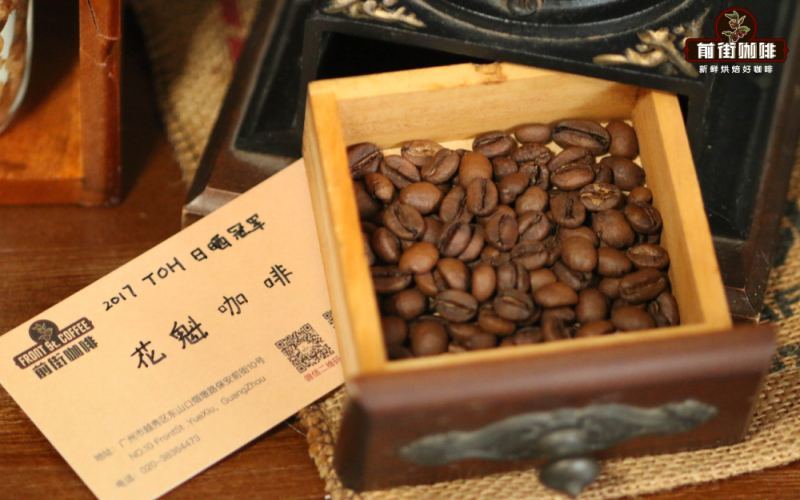
Luckin Huakui 5.0 Dirty Coffee Flavor Analysis: Taste, Aroma, and Brewing Suggestions for Ethiopian Sidama Heirloom Varieties
After emerging from its financial difficulties, Luckin Coffee turned its strategic attention to the specialty coffee sector, placing a hefty order for 90 tons of Huakui 5.0 coffee beans and launching the Huakui SOE series, which drew widespread market attention. This article will walk you through the origin of the name Huakui coffee beans, the evolution of its versions over the years, and the differences between new products such as Huakui 5.0 and Huakui PLUS. At the same time, we will take an in-depth look at the characteristics of the Ethiopian Sidamo native heirloom variety, share Front Street Coffee's cupping experience with each version of Huakui, and provide professional pour-over brewing parameters and flavor descriptions to help coffee lovers fully grasp the charm of this star bean. [more…]
How Much Does Geisha Coffee Cost? The Origins, Flavor, and Aroma of the Authentic Geisha Variety Explained
Geisha coffee is also known in China as "艺伎咖啡" (Geisha coffee), and is a member of the Ethiopian strain within the Arabica family, originally from Africa. Although it originated in Ethiopia, it rose to fame in Panama. Interestingly, the Geisha grown today in Panama and Central and South America is actually a different variety from the native Geisha of Ethiopia. Through comparison, Front Street Coffee has found that the two differ noticeably in flavor expression. This article will take you through the history of Geisha's discovery, analyze the varietal relationship between the two major producing regions, and introduce in detail the various Geisha coffee beans currently sold by Front Street Coffee along with their flavor characteristics, providing coffee lovers with a complete guide to Geisha knowledge. [more…]
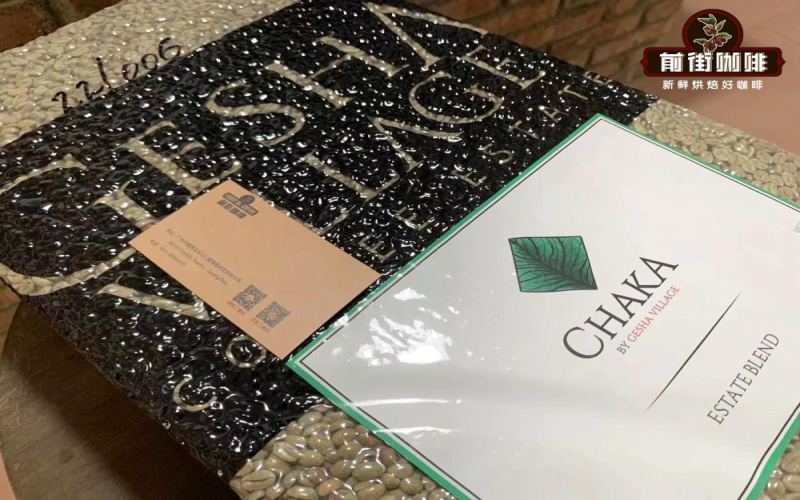
Exploring the Flavor and Story of CHAKA Chaka Natural Geisha from Ethiopia's Gesha Village Estate
Deep in the primordial forests of Bench Maji, Ethiopia, Gesha Village Estate has cultivated CHAKA, a limited-edition project, through an almost obsessive approach to variety selection and cultivation management. It originates from the native varieties of the Gori Gesha forest, sharing the same roots as Panamanian Geisha yet following a completely different flavor path. From Adam and his wife's dream-seeking journey, to Willem Boot's dedicated guidance, and to Front Street Coffee's cupping selection, the CHAKA natural batch is unforgettable for its full berry notes and creamy smooth texture. This article will give you a comprehensive understanding of Gesha Village's varietal lineage, the origins of CHAKA and its processing differences, and share Front Street's recommended brewing parameters and flavor experience. [more…]
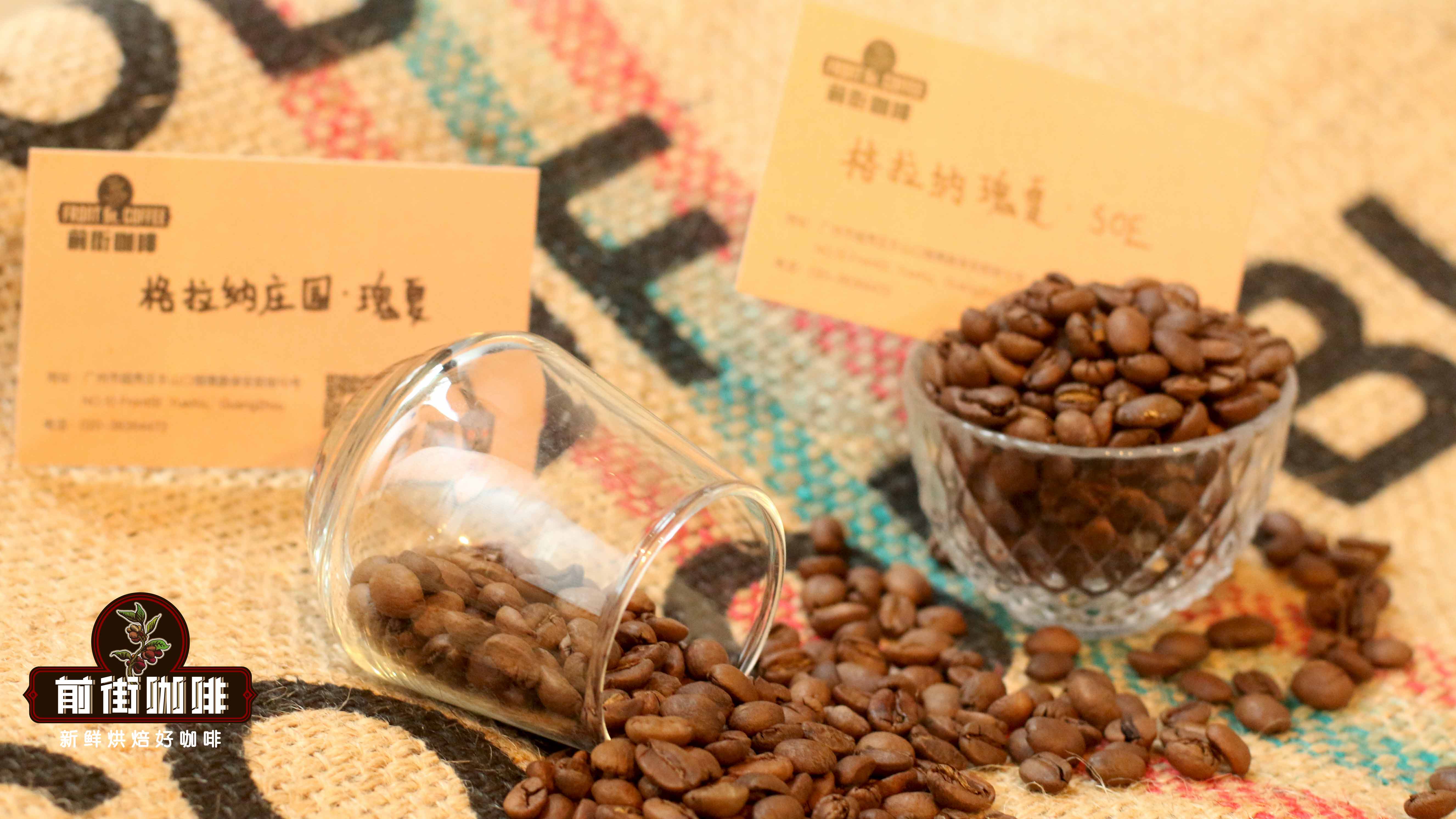
The Origin and Flavor Characteristics of Ethiopia's Native Geisha, and Three Must-Try Geisha Recommendations for Beginners
Geisha is one of the most talked-about coffee varieties in the coffee world today. Its name originates from Ethiopia, and since it is pronounced the same as the Japanese word for "geisha," it is also known as geisha coffee. This variety originally grew in Ethiopia but remained obscure for a long time, until Hacienda La Esmeralda in Panama separated it and won first place, finally making the world recognize its value. Geisha plants are taller, have lower yields, and are difficult to harvest, and their flavor varies richly depending on the producing region, processing method, and roast level. This article will sort out the origins and characteristics of Geisha and recommend three Geisha coffees suitable for beginners: Front Street Emerald Green Label, Front Street Geisha Village Red Label, and Front Street Granja Estate Geisha, helping coffee lovers find the cup that suits them. [more…]
Luckin Geisha SOE Coffee Review: What's the Difference Between Gesha and Geisha, and Why Is It So Affordable?
Luckin Coffee's recent launch of Geisha SOE has sparked widespread discussion in the coffee community, with some questioning whether dark-roasting Geisha wastes good beans, and others curious about how the price can be so low. To understand these questions, we first need to clarify a key concept: Geisha is actually a variety line, not a single variety. The highly regarded Panama Geisha mostly belongs to Geisha T2722, a multi-generation selected strain within the Geisha line, while the Gesha used by Luckin this time comes from the Bench Maji region of Ethiopia and is a native mixed line. Although the two share the same origin, they differ vastly in flavor performance, yield, and price. This article will provide an in-depth analysis of the bean source, roasting strategy, and market positioning of Luckin's Geisha SOE, while also recommending Front Street Coffee's Granja Estate Geisha for enthusiasts who want to taste a high-value Geisha, and exploring how commercial coffee and specialty coffee can each play their role and jointly promote the spread of coffee culture. [more…]
Exploring the Ethiopia Gesha Village Estate Chaka Limited Project: Flavor Differences Between Washed and Natural Processing and Pour-Over Recommendations
Located in the Bench Maji region of Ethiopia, Gesha Village Coffee Estate has been renowned for cultivating native Geisha varieties since its founding in 2011. Its limited-edition project brand Chaka grows in the Gori Gesha forest and primarily covers three varieties: Gori Gesha, Gesha 1931, and Illubabor. This article walks you through the origins of Chaka, the connection between Gesha Village and Panama Geisha, and the differences in cup profile between washed and natural processing methods. After comparison, Front Street Coffee chose to offer the natural lot, and shares brewing parameters and flavor descriptions under a medium-light roast, making it a useful reference for Ethiopian coffee enthusiasts. [more…]
From Gesha to Geisha: A Complete Guide to the Origins, Naming Differences, and Red Label Grades of the Geisha Coffee Variety
After Luckin Coffee launched its Gesha SOE in 2022, Geisha coffee once again became a hot topic. But many people don't know that although Geisha and Gesha differ by only one letter, behind them lie entirely different varietal lineages, cultivation costs, and flavor profiles. Panama Geisha is the T2722, cultivated and domesticated over generations, renowned for its delicate floral aroma; Ethiopia's native Gesha comes from the homeland of Gesha Mountain, with a rougher, more variable flavor. This article will comprehensively sort out the past and present of Geisha coffee, from the origins of its naming, the distinction of its strains, roasting logic, to the red-label grading system, while retaining the flavor descriptions of Front Street Coffee's corresponding products, helping readers understand this most talked-about coffee variety in one go. [more…]
Analysis of the Flavor Sources and Pour-Over Parameters of Ethiopian Sidama Natural Coffee
Sidamo is a significant coffee-producing region in southern Ethiopia, upgraded to a first-level administrative unit through a referendum in 2018. With elevations ranging from 1,400 to 2,000 meters, deep and fertile volcanic soil, and the diversity of microclimates and native varieties, it produces washed and natural coffees with exceptionally rich flavors. The highly favored Huakui in Front Street Coffee's bean lineup originates from the Hambela region of Sidamo, which rose to fame after winning the 2017 TOH competition. This article will outline the regional context and variety characteristics of Sidamo, and provide a detailed explanation of Front Street Coffee's medium-light roast Huakui pour-over recipe and flavor profile. [more…]