








How do traditional coffee labels like Heirloom and Landrace differ?
On Ethiopian coffee labels, Heirloom and Landrace are not the same thing. Heirloom refers to mixed, unnamed native varieties gathered from smallholder garden plots, where trees from different sources are interplanted and harvested together. Landrace is a narrower term for locally adapted varieties with a distinct regional identity, including selections identified by JARC research and now sold as separate lots.
The distinction matters because most Ethiopian smallholders still farm in a garden system: trees may come from a previous landowner, neighbor sharing, or seed brought from another area, so a single lot can hold dozens or hundreds of undifferentiated varieties. That mixed harvest is what other names for coffee labels usually call Heirloom, while Landrace points to varieties singled out for their regional character.
Friends who frequently buy Ethiopian coffee beans are certainly familiar with the "Heirloom" variety label, usually translated into Chinese as "native species" or "heirloom." But in the past two or three years, another term has quietly appeared on some Ethiopian bean packaging—"Landrace." What exactly is the relationship between it and Heirloom? Are they different names for the same thing, or two completely different concepts? In this article, Front Street will take a careful look at the origins and development of Landrace local varieties, starting from Ethiopia's garden farming system, sorting out the mixed-harvest nature of Heirloom, then moving to JARC's work in identifying local varieties, and why more and more international green bean buyers have begun purchasing these varieties with distinct regional characteristics separately. At the end, we also include information on the Kafa Forest lot currently sold by Front Street for everyone's reference.
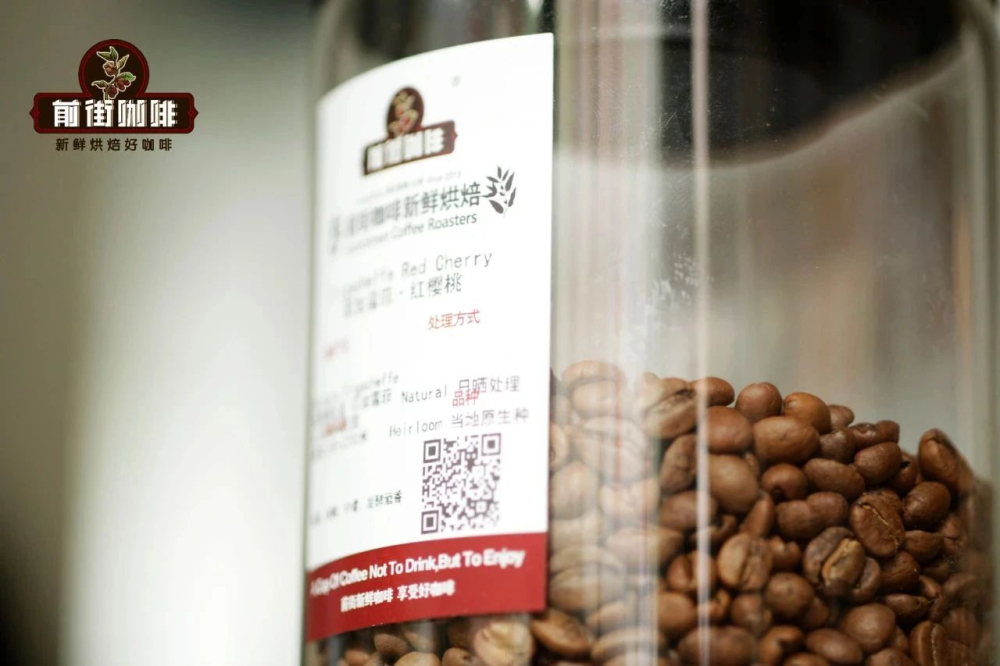
When choosing Ethiopian coffee beans, it is quite common to see "Heirloom" on the packaging, often translated into Chinese as "native species" or "heirloom," and usually used to refer to coffee varieties harvested as a mix. However, in the past two or three years, another term has appeared on some Ethiopian bean packaging—"Landrace." What exactly is this "Landrace"? And what is its relationship to Heirloom? In this article, Front Street will help everyone understand what Landrace really is.
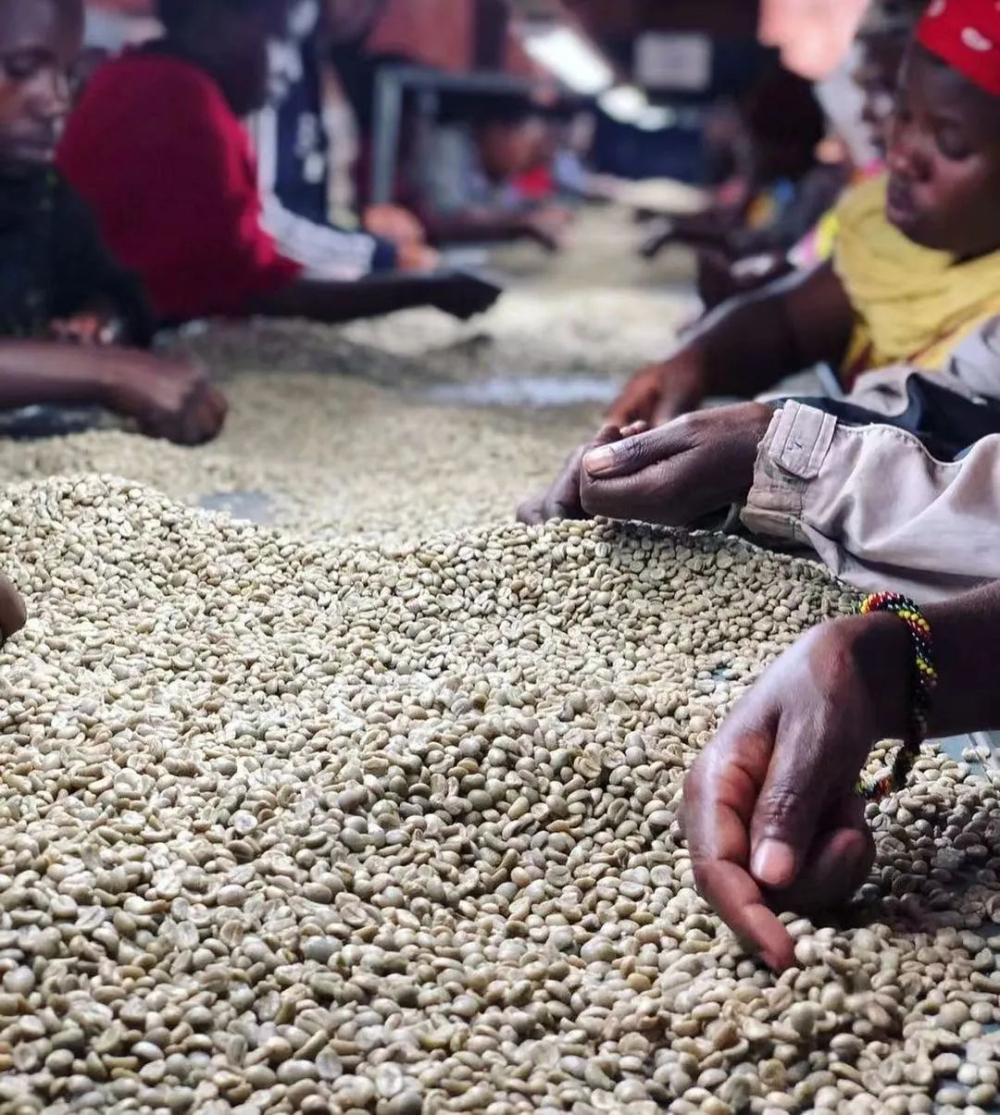
In Ethiopia, the vast majority of smallholder coffee farmers rely on a garden-style farming system, and Heirloom native varieties come precisely from these "nameless varieties" around their homes. These coffee trees may have been left behind by the previous landowner, may have been obtained through sharing among neighbors, or may even have been grown from seeds introduced from other producing regions. Different types of coffee plants are interplanted with other cash crops on the land, and after ripening they are harvested and sold together.
Because of this, Heirloom does not specifically refer to a single coffee variety. It reflects the way green beans from a producing region are blended—coffee is gathered from the harvests of many smallholders during the same period and then mixed together, so a single lot may contain dozens or even hundreds of varieties that have not been finely differentiated. Also, because there are differences among the varieties and the mixing ratios differ each time, these coffee beans are inconsistent in bean size, dimensions, and shape—some large, some small, some long, some round—and can be understood as a "blended-style lot." Taking coffee beans as an example, popular lots regularly offered by Front Street, such as Gedeb Worka, Red Cherry, Worka, Kafa Forest, Konga, and Kochere, all list "Heirloom" in the variety field.
Kafa Forest
Front Street Coffee: Kafa Forest coffee beans
Country: Ethiopia
Region: Kafa Forest
Altitude: 1,800 meters
Variety: Heirloom
Grade: G1
Processing method: Washed
Flavor: Lemon, sweet orange, peach, green tea, melon seeds, caramel
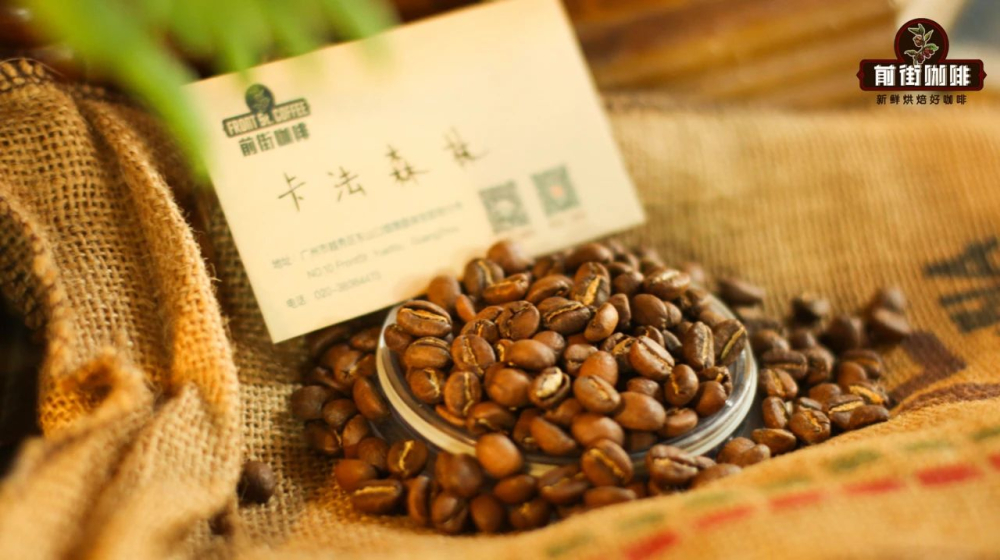
This Kafa Forest coffee on Front Street's bean list comes from the Ethiopia we are all familiar with, and is named after the vast cloud forest region where it grows—the Kafa Biosphere Reserve. The primeval forest of the Kafa Biosphere is not only recognized worldwide as the birthplace of coffee, but is also today a genetic treasure trove of Arabica coffee. The "Gesha" in the story of Geisha's origins is precisely an area within Kaffa, located in the western zone.
Here Front Street needs to make one point especially clear: because Kafa Forest is the main setting of the well-known Geisha origin story, and the name of the Geisha variety comes exactly from the Geisha Mountain area here, some merchants directly name this bean "Geisha" and market it as "Kafa Forest Geisha." But in reality, it is completely different from the Geisha variety as we know it.
Generally speaking, when baristas say "Geisha," they refer to a coffee variety from the Panama producing region that was once recorded as "T2772." The most striking feature of this variety is its large, slender beans—pointed at both ends and plump in the middle—which after roasting curl outward on the inner side; every time Front Street sees them, we think of "sausage buns." Panama Geisha has won the affection of countless people because, unlike the heavy flavors of traditional coffee in many people's minds, it is more like a fresh floral and fruity tea, often with rich fragrance and complex fruit flavors, reminding people of a series of unusual aromas, and at different temperatures one can feel a delicate texture and sweet-and-tart fruitiness filling the mouth.
Compared with the Geisha variety, this Kafa Forest lot that Front Street has acquired this time places more emphasis on its origin, so in the variety label Front Street records it as the common native Heirloom of Ethiopia. Considering that this bean comes from Ethiopia's high-altitude forest region, is rich in light floral and fruity aromas, and uses washed processing, Front Street hopes to present its clean and serene character through a light roast.
Kafa Forest
Back to the main point. Among all the plants grown in the fields, some coffee trees show stronger cultivation advantages. They not only adapt to the local soil, climate, and environmental conditions, but their flavor also gradually becomes more stable, while also demonstrating disease resistance and high yield, and are therefore deliberately retained by farmers. After years of cultivation and crossbreeding, they gradually become "domesticated," and as coffee farmers also carry out a certain degree of selection and breeding, the traits of individual plants are no longer elusive and become stable and predictable.
These describable types of coffee gradually become recognized as "local varieties" and are passed down from generation to generation by coffee farmers. Therefore, Landrace refers to types of coffee plants that have historical origins, genetic diversity, and clear characteristics, can adapt to the local terroir, and work well with farmers' field management. They are also called ancient excellent varieties.
So, if these ancient excellent coffee varieties already existed locally in Ethiopia, why were they not separately distinguished before? From a botanical perspective, Landrace local varieties cannot really be considered an independent variety, nor even a subvariety, because this "uniformity" is not determined solely by plant genes, but is more the result of local terroir and the combined action of time and natural selection.
In recent years, through the efforts of JARC (Jimma Agricultural Research Center), Ethiopia's agricultural management agency, many regional local varieties originally classified under "Heirloom" have been identified, and the number of farmers switching to growing these local varieties has gradually increased. However, because there was previously no public-sector identification, they were not specifically announced to the outside world. For example, local varieties widely grown in southern Ethiopia include Kurume, Wolishao, and Dega, while in the west or southwest, Choche, Sardo Buna, and Bedessa are planted.
Even if coffee farmers can distinguish the local varieties they grow and clearly point out whether a coffee tree belongs to Kurume or Choche, after harvest they may not necessarily retain detailed landrace information. This is because processing plants operated by many large companies purchase coffee cherries from hundreds of local smallholders, mix them together for processing and sale, and finally label them as Heirloom for export around the world. So the Ethiopian Heirloom coffee we drank in the past included these local varieties in the mix.
Nowadays, more and more international green bean buyers, in order to offer more choices to consumers seeking "uniqueness," tend to purchase local coffee varieties that emphasize regional characteristics. From the perspective of cultivation and production, these local varieties can show good adaptability in the region and can also ensure decent income, because they are no longer produced mixed with other unknown heirloom varieties, but can be harvested separately and made into a single lot for sale. Naturally, both new and old farmers are more willing to grow them. As consumers, we therefore have more and more Ethiopian coffee beans belonging to local varieties to choose from.
The above content is compiled by CoffeeHunters, a coffee news website.


