







Which Coffee Species Name Appears on Ethiopian Labels?
Ethiopian bags often list Heirloom, translated as native or heritage variety, which means coffee harvested as a mixture rather than one named cultivar. Landrace, seen more often in the past two or three years, refers to selections identified and harvested separately from the field. Neither is a single coffee species name in the strict sense.
Garden-style cultivation drives this. Trees may come from a previous landowner, from neighbors, or from other regions, and they grow interplanted with cash crops before being harvested and sold together. One lot can hold dozens or hundreds of undivided arabica varieties, so screen size and bean shape vary widely. The Kafa Forest G1 washed lot and Panama Geisha offer points of comparison.
When buying Ethiopian coffee, the variety label on the packaging often confuses people: Heirloom is translated as "native species" or "heritage variety," and in recent years the term Landrace has also appeared. What exactly do these names mean? How are they related? This article starts from Ethiopia's garden-style cultivation model to clarify the concept of Heirloom as a blended lot, explain how Landrace is selected, identified, and harvested separately from the field, and also recommend Front Street's Kafa Forest G1 washed beans, as well as how they differ from Panama Geisha.
For more specialty coffee information, welcome to follow: Front Street Coffee (Frontsteet Coffee)
When selecting Ethiopian coffee beans, we often see the word "Heirloom" in the variety column, usually translated into Chinese as "native species" or "heritage variety," and it generally refers to coffee varieties harvested as a mixture. However, in the past two or three years, another term has appeared on the packaging of some Ethiopian beans—"Landrace." What exactly is the origin of this "Landrace"? What is its relationship to Heirloom? Today Front Street will talk with everyone about what exactly Landrace is.
In Ethiopia, the garden-style cultivation system is the main way most smallholder coffee farmers make a living, and Heirloom native varieties come from those "nameless varieties" in their own backyards. These coffee trees may have been left behind by the previous landowner, may have been obtained through exchanges between neighbors, or may even have been grown from seeds from other producing regions. Various coffee plants are interplanted with other cash crops on the land, and when they mature they are harvested and sold together.
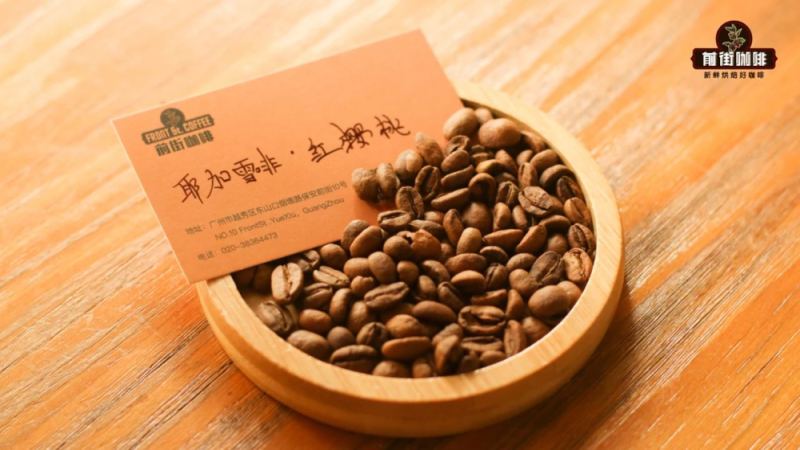
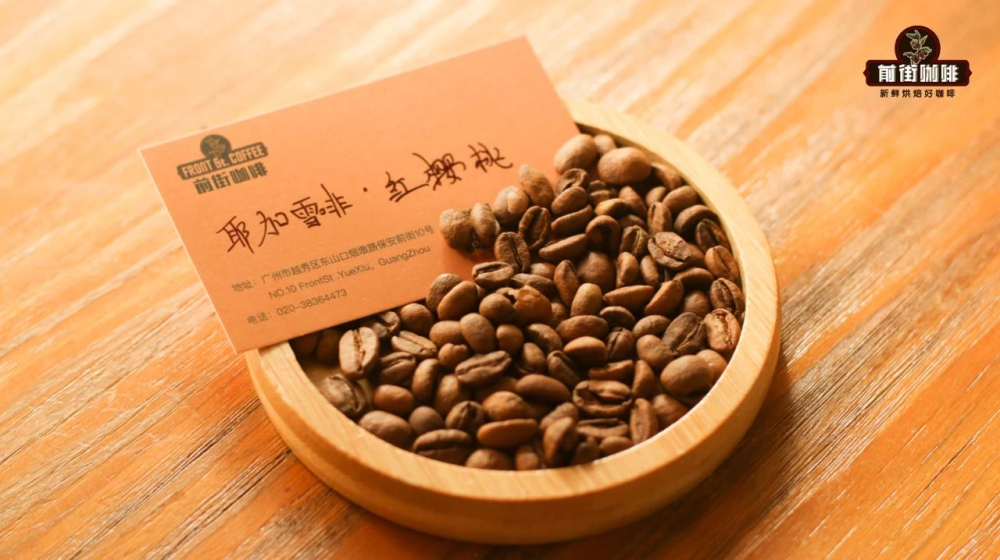
Therefore, Heirloom does not specifically refer to a single coffee variety. It represents a green bean blend from the producing area—gathering coffee harvested by multiple smallholders during the same period and combining them into one lot. A single lot may contain dozens or even hundreds of varieties that have not been subdivided. Precisely because there are inherent differences among the varieties, and because the way they are mixed each time is not the same, these coffee beans vary in screen size, dimensions, and shape, with some large and some small, some long and some round. It can be understood as a "blended-style lot." Taking coffee beans as an example, popular lots that Front Street regularly offers, such as Gutingding Cooperative, Red Cherry, Woka, Kafa Forest, Konga, and Kochere, are all labeled as "Heirloom" in the variety column.
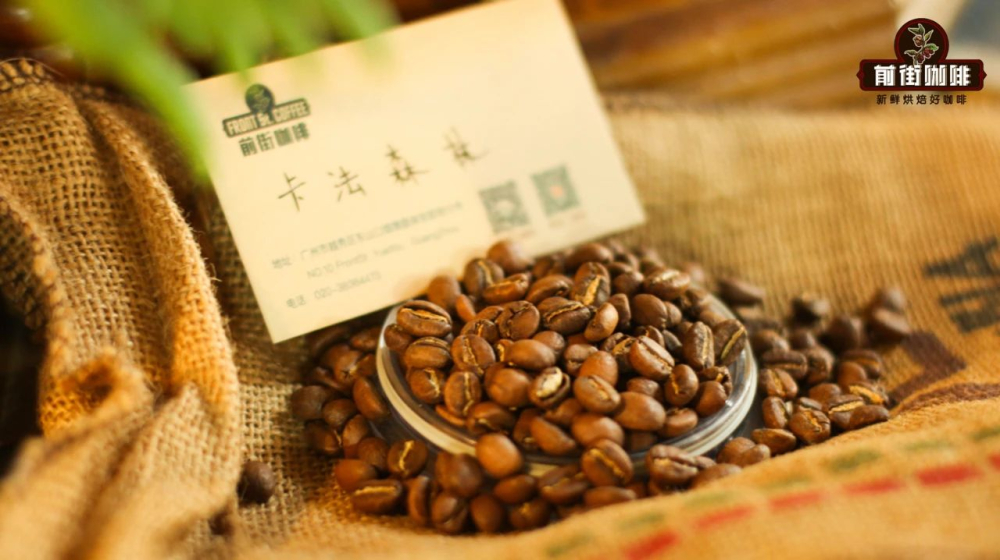
Front Street Coffee (FrontStreet Coffee): Kafa Forest Coffee Beans
Country: Ethiopia
Region: Kafa Forest
Altitude: 1,800 meters
Variety: Heirloom
Grade: G1
Processing Method: Washed
Flavor: Lemon, sweet orange, peach, green tea, melon seeds, caramel
This Kafa Forest on Front Street's bean list comes from the Ethiopia we are familiar with, and it is named for growing in the vast cloud forest region—the Kafa Biosphere Reserve. The primary forest of the Kafa Biosphere is not only internationally recognized as the birthplace of coffee, but also a genetic treasury of the Arabica coffee we know today. The "Gesha" in the origin story of Geisha is precisely one of the areas of Kaffa, located in the western zone.
Here, Front Street needs to emphasize one point in particular: because Kafa Forest is the main setting of the well-known Geisha origin story, and the name of the Geisha variety comes precisely from the Geisha Mountain area here, some merchants directly name this bean "Geisha" and then market it as "Kafa Forest Geisha." But in fact, it is completely different from the Geisha variety in our impression.
Generally speaking, what baristas call "Geisha" refers to a coffee variety from the Panama producing region that was once recorded as "T2772." Its greatest characteristic is that the beans are large and slender, pointed at both ends, plump in the middle, and after roasting the inner side turns outward, always reminding Front Street of a "sausage roll." The reason Panama Geisha has won the affection of countless people is that, unlike the traditionally strong coffee flavor in many people's impressions, it is more like a fresh cup of floral and fruity tea, always carrying rich fragrance and complex fruit flavors, reminding people of a series of unusual aromas, and at different temperatures one can feel a delicate texture and sweet-and-acidic fruitiness filling the entire mouth.
Compared with the Geisha variety, this Kafa Forest that Front Street obtained this time emphasizes more its place of origin, so in terms of variety, Front Street labels it as the common native Heirloom of Ethiopia. Considering that this bean comes from Ethiopia's high-altitude forest region, is rich in light floral and fruity aromas, and also uses washed processing, Front Street hopes to present its clean and tranquil character through a light roast.
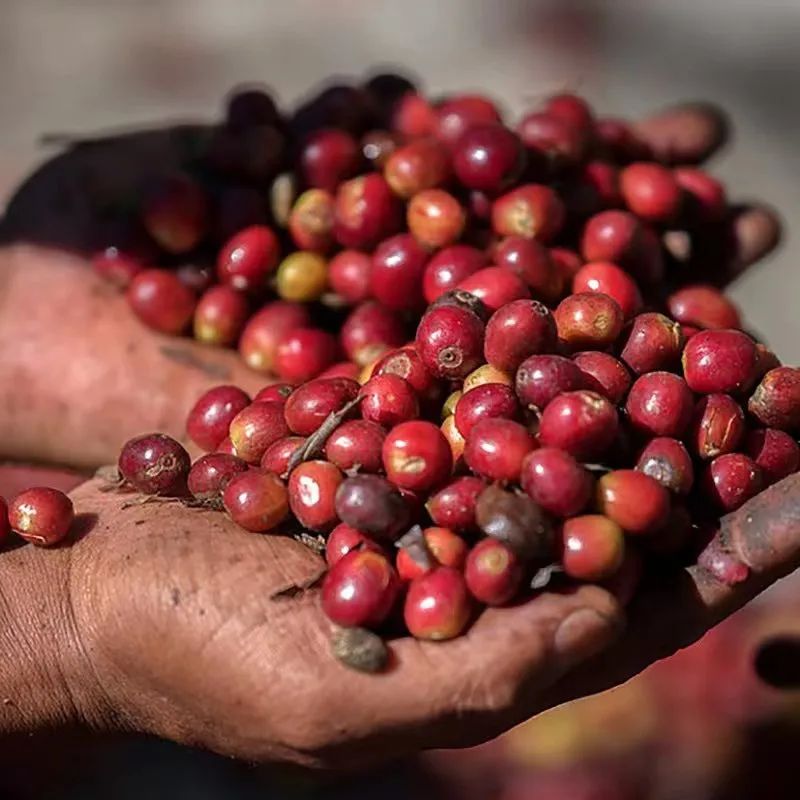
Back to the point: among all the plants grown in the fields, some coffee trees show stronger cultivation advantages, not only adapting to the local soil, climate, environmental conditions, and other factors, with their taste gradually becoming stable, but also demonstrating disease resistance and high productivity, and thus being specially preserved by farmers. After years of cultivation and crossing, they gradually became "domesticated," and with a certain degree of selection by coffee farmers, the traits of individual plants were no longer elusive and became stable and predictable.
These describable types of coffee gradually became recognized "landraces" and were passed down from generation to generation by coffee farmers. Therefore, Landrace refers to types of coffee plants that have a historical origin, genetic diversity, and clear characteristics, can adapt to the local terroir, and work well with farmers' field management. They are also called ancient superior varieties.
So, if these ancient superior coffee varieties already existed locally in Ethiopia, why were they not separately distinguished before? From a botanical perspective, Landrace cannot be called an independent variety, or even a sub-variety, because such "uniformity" is not caused only by the plant's genes, but is more influenced by the local terroir and is the result of time and natural selection.
In recent years, through the efforts of Ethiopia's agricultural management agency JARC (Jimma Agricultural Research Center), many regional landraces originally classified under "Heirloom" have also been identified, and the number of farmers switching to growing these landraces has gradually increased. But because there was previously no public-sector identification, they were not specially announced to the outside world. For example, landraces widely grown in southern Ethiopia include Kurume, Wolishao, and Dega, while in the west or southwest, Choche, Sardo Buna, and Bedessa are planted.
Even if coffee farmers can distinguish the landraces they grow and clearly point out whether a coffee tree belongs to Kurume or Choche, after harvest they may not be able to retain detailed native-variety information. This is because processing plants operated by many large companies purchase coffee cherries from hundreds of local smallholders, mix them together for processing and sale, and finally label them as Heirloom for export around the world. Therefore, the Ethiopian Heirloom coffee we drank in the past was mixed with these landraces.
Nowadays, more and more international green bean traders, in order to provide more choices to consumers pursuing "uniqueness," tend to purchase local coffee varieties that emphasize regional characteristics. From the perspective of planting and production, these landraces can show good adaptability in the region and can also ensure decent income, because they are no longer produced after being mixed with other unknown heritage varieties, but can be harvested separately and made into a single lot for sale. Naturally, both new and old farmers are more willing to plant them. On the consumer side, there are also more and more Ethiopian coffee beans belonging to landraces for us to choose from.
The above content is compiled by CoffeeHunters, a coffee news website.


