







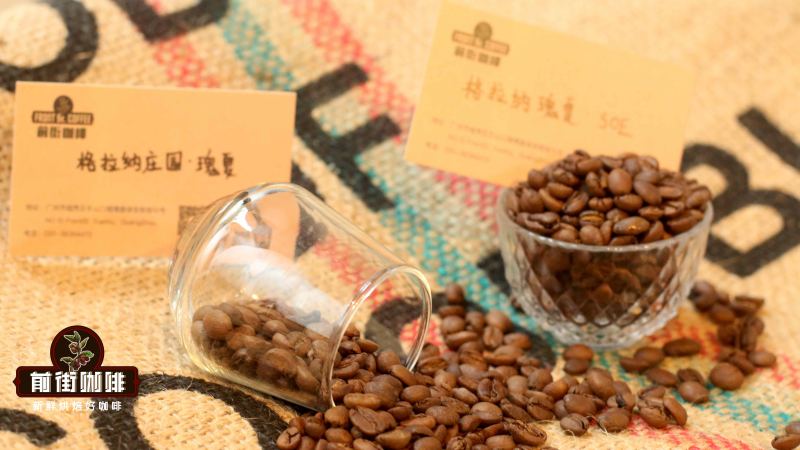
Where Does Geisha Coffee Come From and How Does It Taste?
Geisha coffee originated in Ethiopia and takes its name from the shared pronunciation with the Japanese word for geisha. The plant is taller than common varieties, yields less and is labor-intensive to harvest, so it was long overlooked. In 2004 Panama's Hacienda La Esmeralda entered it in the BOP competition and won, bringing the variety worldwide attention.
Flavor shifts with production region, processing method and roast level, which makes gesha green coffee from different sources taste noticeably different. Beginners can start with three approachable lots: Front Street Emerald Green Label, Gesha Village Red Label and Granja Estate Geisha, each offering a different reading of the variety without demanding advanced brewing skill.
Geisha is one of the most talked-about coffee varieties in the coffee world today. Its name originates from Ethiopia, and its pronunciation is the same as the Japanese word for "geisha," so it is also called geisha coffee. This variety originally grew in Ethiopia but remained obscure for a long time, until Panama's Hacienda La Esmeralda separated it out and won a championship with it, finally making the world recognize its value. The Geisha plant is taller, has lower yield, and is difficult to harvest, and its flavor varies richly depending on the production region, processing method, and roast level. This article will sort out the origin and characteristics of Geisha and recommend three Geisha coffees suitable for beginners: Front Street Emerald Green Label, Front Street Gesha Village Red Label, and Front Street Granja Estate Geisha, helping coffee lovers find the cup that suits them.
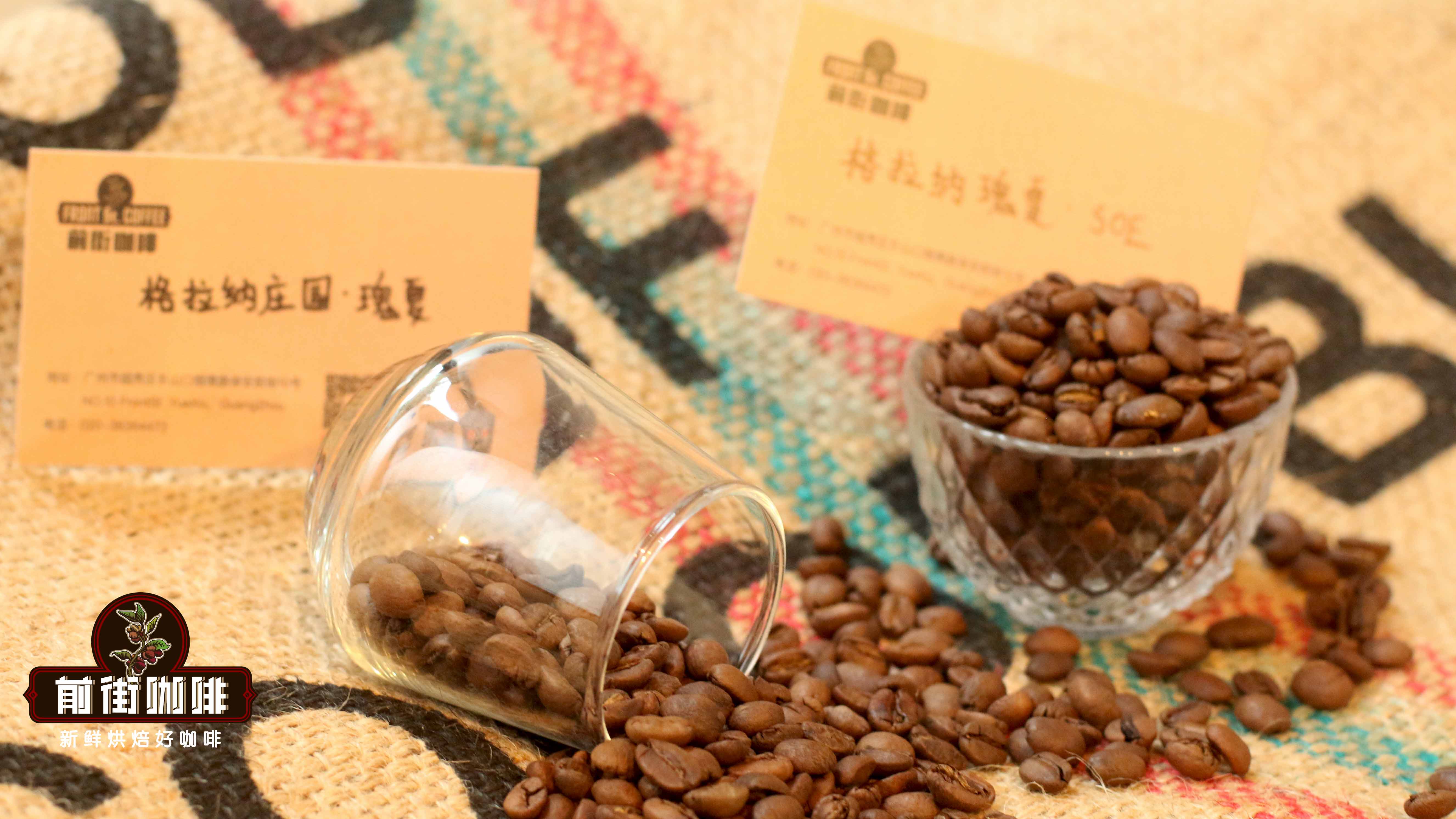
Among the many coffee varieties, Geisha's fame can be said to be among the very top. It is written in English as Geisha, pronounced the same as the Japanese word for "geisha," so some people also call it geisha coffee. Geisha originally came from Ethiopia, but it did not receive much attention in its homeland. One reason is that its tree form is taller than ordinary coffee trees, and in the early days it was planted only in a small area of Panama.
Geisha has low yield and tall plants, making harvesting quite labor-intensive. These characteristics made it far less favored in the past than varieties such as Caturra and Catuai. In Panama, it was long ignored, until in 2003 Hacienda La Esmeralda separated it from other varieties, and in 2004 it won the BOP competition championship. Only then did Geisha truly enter the public eye, and afterward it gradually spread to production regions around the world.
After Geisha became popular, more and more countries began to grow this variety, and prices and sources also became increasingly diverse. Naturally, the flavor also varies depending on the production region, processing method, and roast level. Below are three must-try Geisha coffees for beginners: Front Street Emerald Green Label Geisha, Front Street Gesha Village Red Label, and Front Street Granja Estate Geisha.
1. If you want to experience a high-grade Geisha from a famous estate, Front Street Emerald Green Label is the priority choice.
Hacienda La Esmeralda is the discoverer of Geisha, so the coffee quality is naturally beyond doubt. Front Street Emerald Green Label Geisha uses a mixed harvest method, allowing it to present the most authentic Panamanian Geisha flavor, while also being more affordable in price. In order to highlight the classic floral and fruity aroma, Front Street Emerald Green Label Geisha uses a medium-light roast. On the palate, it has a rich jasmine aroma and high sweetness, accompanied by flavors of citrus, berries, juicy texture, cream, green tea, orange peel, and cantaloupe, with a rich overall layering, and the floral and citrus notes linger in the aftertaste.
2. If you want to drink a native-variety Geisha, you can choose Front Street Gesha Village Estate Red Label.
Front Street Gesha Village Red Label lote coffee beans account for about 15% of Gesha Village Estate's annual production. It is a fully traceable lot with a cupping score above 88 points (SCA standard) and carries the typical Ethiopian Geisha flavor. Its floral aroma is elegant, its acidity is bright, and it is mainly dominated by fruit flavors such as citrus, lemon, and apricot. It is a very cost-effective single-origin lot.
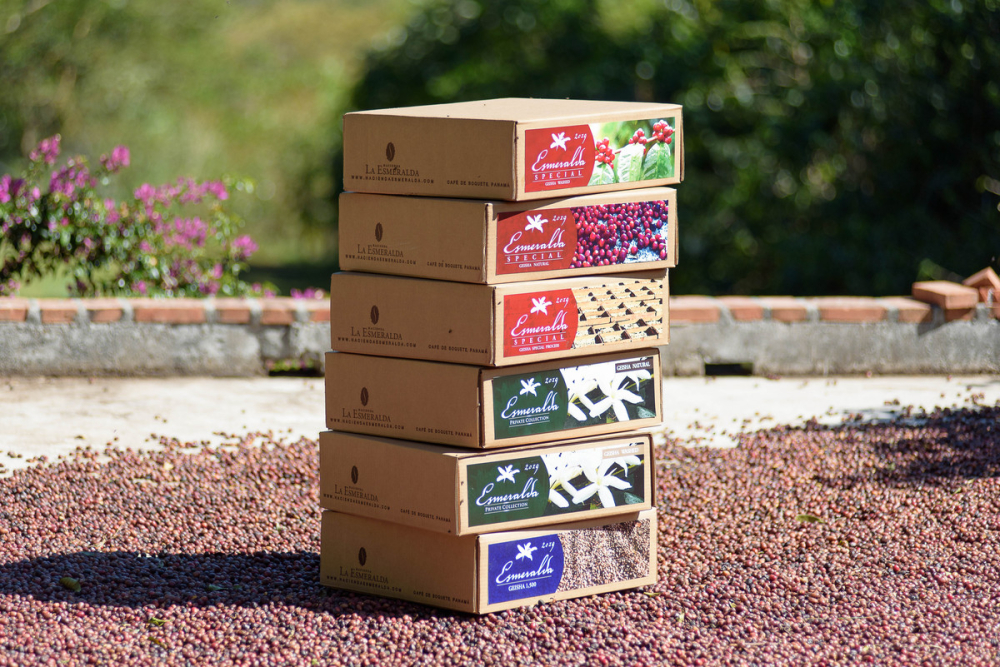
Front Street Gesha Village Estate Red Label Geisha coffee beans
Country: Ethiopia
Region: Bench Maji, Ethiopia
Estate: Gesha Village
Altitude: 1900m——2069m
Variety: Gori Gesha
Processing method: Natural
3. If you are pursuing high cost-effectiveness, baristas strongly recommend the daily-drinking-level Front Street Granja Estate Geisha.
This single-origin coffee comes from Ethiopia and is pure Geisha, which is also the birthplace of coffee. Therefore, it not only has Geisha's floral and fruity profile, but also carries the white floral aroma unique to Ethiopian coffee and a lemon-like bright acidity.
Front Street Granja Estate Geisha uses natural processing. At a medium-light roast, the fruit aroma is mainly yellow peach, citrus, and guava, and it is best made with pour-over or cold brew; at a medium roast, it becomes Front Street Geisha SOE, which can be used to extract espresso, and the flavor shifts to dried apricot, caramel, and nuts.
The above content is compiled by CoffeeHunters, a coffee news website.


