







What Does SOE Coffee Mean in the Huakui Line?
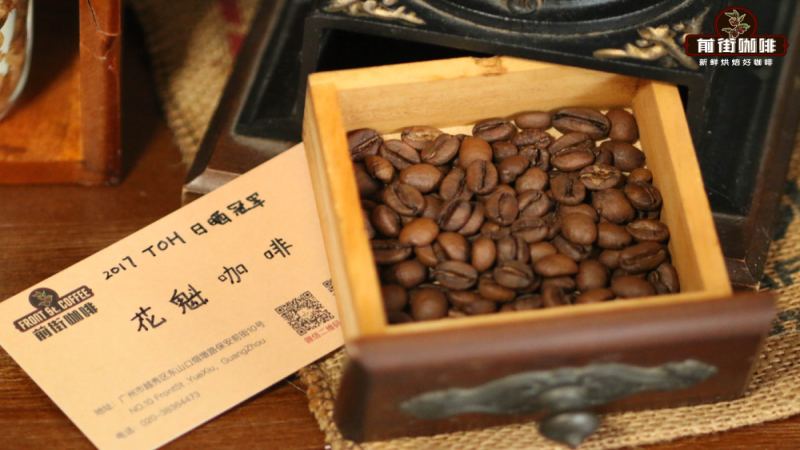
Luckin Coffee ordered 90 tons of Huakui 5.0 beans and launched its Huakui SOE series, a single-origin espresso product. SOE stands for single origin espresso, meaning the shot uses one bean rather than a blend. The beans come from Ethiopian Sidama heirloom varieties, and demand in stores outran supply, leaving some shops with only a Yirgacheffe SOE to offer.
Huakui beans first appeared in 2017, and each year's lot is named in the X.0 format, so the 2018 crop was Huakui 2.0 and the 2021 crop Huakui 5.0. A planned Huakui PLUS for 2022 is a separate sun-dried Sidama heirloom from the Buku Abel station, not the 6.0 new crop, and its purchase volume is set to pass 250 tons.
After emerging from its financial difficulties, Luckin Coffee shifted its strategic focus to the specialty coffee sector, placing a hefty order for 90 tons of Huakui 5.0 coffee beans and launching the Huakui SOE series, which drew significant market attention. This article will walk you through the origin of the name Huakui coffee beans, the evolution of its yearly versions, and the differences between new products like Huakui 5.0 and Huakui PLUS. At the same time, we will take an in-depth look at the characteristics of the Ethiopian Sidamo native variety, share Front Street Coffee's cupping experience with each version of Huakui, and provide professional pour-over brewing parameters and flavor descriptions to help coffee enthusiasts fully grasp the charm of this star bean.
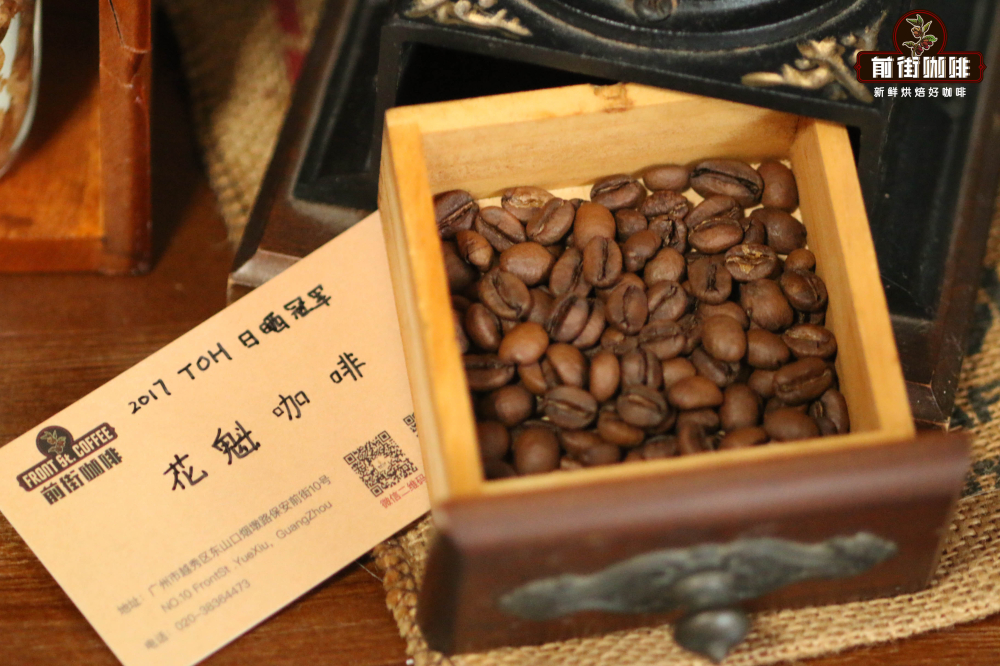
Ever since Luckin gradually emerged from the shadow of its financial crisis, the brand has kicked off a new round of strategic positioning, and this time the spotlight fell on a specialty coffee bean—Huakui 5.0.
Since Huakui coffee beans first appeared in 2017, each subsequent year's beans have been named in the "Huakui X.0" format according to the year. For example, the 2018 Huakui coffee beans were called "Huakui 2.0." And this year, 2021's Huakui coffee beans, are called "Huakui 5.0." Luckin purchased 90 tons of Huakui coffee beans in one go, which were precisely the 5.0 series.
After importing such a large quantity of Huakui 5.0 coffee beans, Luckin seized the moment to launch Huakui SOE coffee. Yet even though the supply seemed massive, Luckin's stores nationwide still couldn't keep up with demand, and there were even situations where Huakui SOE sold out, leaving only Yirgacheffe SOE available.
The procurement manager also revealed that they hope to launch the Huakui PLUS series SOE in the second half of 2022, by which time the purchase volume of Huakui PLUS green beans will exceed 250 tons.
Following the usual pattern, the 2022 new-crop Huakui will be named "Huakui 6.0." The first batch of beans has already been shipped by air and is expected to hit the market in early April. Front Street also plans to put "Huakui 6.0" on the shelves in April.
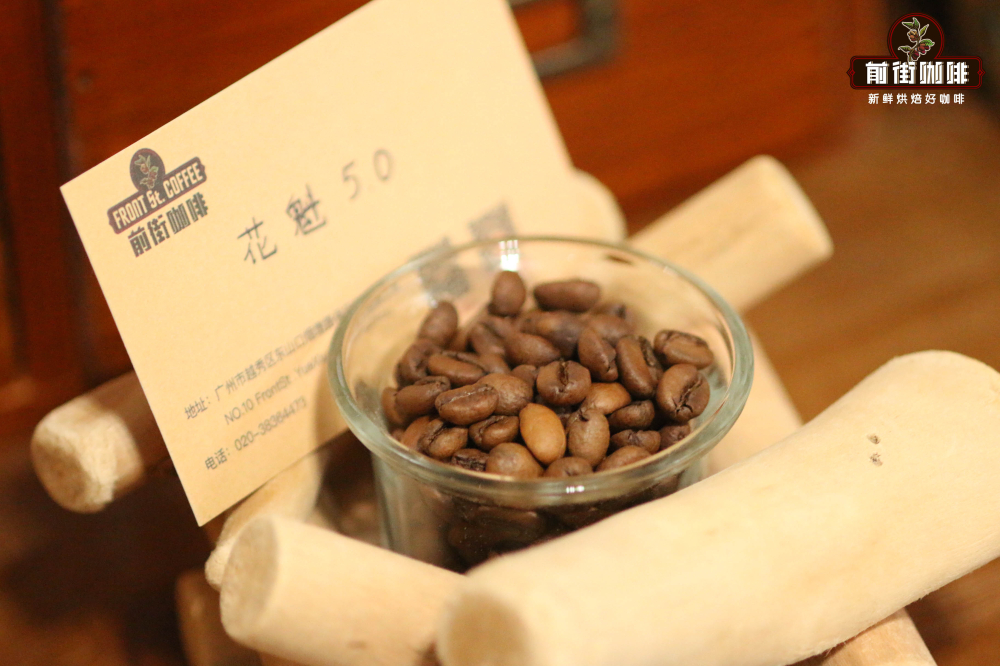
It is understood that this Huakui PLUS is not the Huakui 6.0 coffee beans from the 2022 new crop, but rather another sun-dried Ethiopian native variety bean also from the Sidamo Buku Abel processing station. A domestic green bean merchant named this bean "Huakui Queen," and the green bean information lists it as Ethiopia Hambella Buku Abel Queen Plus G1 Natural.
Here's a brief introduction to the Huakui bean. Huakui became widely known mainly due to two opportunities: first, winning the TOH sun-dried category championship in 2017; second, Li Jianfei winning the China regional championship of the World Brewers Cup with this sun-dried Huakui coffee. Since then, Huakui's fame has continued to climb, and Front Street might even say it sits at the top of the specialty coffee rankings. This Huakui broke Geisha's legendary status and became a coffee capable of rivaling Geisha.
And because the name Geisha is the same as the Japanese word for "geisha," in order to make a name for this bean, it was named "Huakui," meaning the foremost of geishas.
In addition, most of these Huakui coffees are of Ethiopian local native varieties. Some friends may not be familiar with what Ethiopian native varieties are, so Front Street will give a brief introduction. Because Ethiopia is the birthplace of coffee, it is essentially coffee's gene pool, with an extremely wide variety of coffee species. Moreover, Ethiopia's local economic conditions do not support large-scale verification of coffee varieties. On the other hand, to protect native coffee tree species data, the Ethiopian government is also unwilling to make it public, so these unnamed coffee varieties are collectively called Ethiopian local native varieties.
However, Front Street has also cupped these Huakui versions and found that Huakui 3.1 differs considerably from the original Huakui flavor, and is instead closer to the Geisha flavor of Panama's Hacienda La Esmeralda. Huakui 4.0's flavor is very close to Huakui's original flavor, but through cupping, Front Street still felt its aftertaste and body fell short of the original Huakui. Huakui 5.0 coffee leans more toward the flavor profile of coffee beans from the Guji producing region, with lively berry acidity, lingering floral notes, and a pronounced juicy mouthfeel.
Front Street Brewing Recommendations Brewing equipment: HARIO V60 Dose: 15g coffee
Coffee-to-water ratio: 1:15
Water temperature: 90°C Grind size: medium-coarse grind (80% passing a Chinese standard No. 20 sieve)
Front Street recommends using freshly roasted coffee beans for brewing, as this allows you to experience the coffee's rich flavors to the fullest. Coffee beans shipped by Front Street Coffee are all within 5 days of the roast date, because Front Street deeply understands the huge impact of coffee bean freshness on flavor. Front Street's roasting philosophy is "freshly roasted good coffee," so that every customer who places an order receives the freshest coffee possible. Coffee beans need about 4-7 days of resting, so by the time customers receive them, they are at their peak flavor.
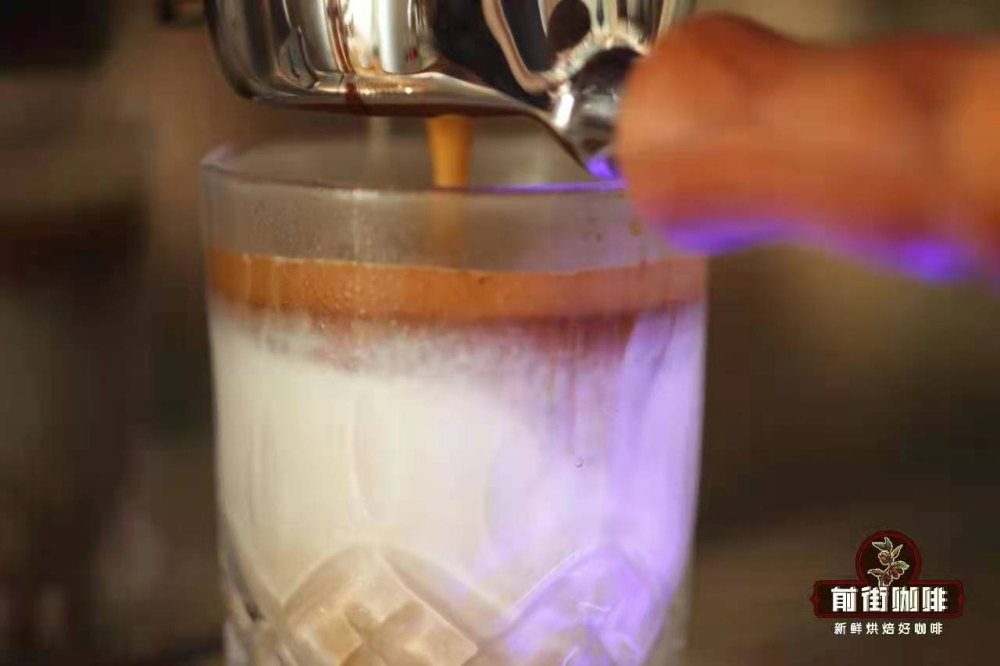
The brewing dose is 15g, with a coffee-to-water ratio of 1:15, meaning we need to pour 225g of hot water over 15g of coffee grounds for extraction. First, use 30g of water for a 30-second bloom, then pour at a flow rate of 4g per second, circling outward from the center and back to the center at a rate of one circle every 4 seconds, until reaching 125g, then stop. Wait for the coffee bed to drop to half its height, then pour in the same manner until reaching 225g, then stop. Once all the coffee liquid in the dripper has flowed into the server, remove the dripper to end the extraction. Total brewing time is 2 minutes 10 seconds.
Pour-over flavor: mixed berry aroma, creamy strawberry and passion fruit-like sweet-tart notes, pronounced sweetness, and a full body.
The above content is compiled by CoffeeHunters, a coffee news website.


