








Where does geisha coffee come from and how do the two origins differ?
Geisha coffee originated in Ethiopia's native forests, around Sidama's Geisha Mountain, and was later introduced to Panama, where Hacienda La Esmeralda made it famous. The two origins now express the variety differently: Ethiopian lots from Gesha Village lean toward floral and fruity notes, while Panama geisha is known for its own distinct cup profile.
The comparison covers bean morphology, processing methods, and flavor, supported by cupping data from selected lots such as Front Street Gesha Village Red Label, Gold Label, and Front Street Emerald Red Label. Ethiopia's native Arabica population, shaped by natural hybridization, gives its coffees regional character that is hard to reproduce elsewhere.
Geisha coffee is a highly sought-after variety in today's specialty coffee world, but many people don't know that its roots actually lie in Ethiopia. This article will take you through Geisha's journey from Ethiopia's native forests to Panama's Hacienda La Esmeralda, comparing the similarities and differences between Geisha coffee from two major origins—Ethiopia's Gesha Village and Panama's Hacienda La Esmeralda—in terms of bean morphology, processing methods, and flavor expression. It will also introduce several Geisha products selected by Front Street Coffee, including Front Street Gesha Village Red Label, Gold Label, and Front Street Emerald Red Label, and present their flavor differences through actual cupping data, helping you gain a more comprehensive understanding of the diversity of Geisha coffee.
Ethiopian Coffee
Ethiopian coffee comes from Ethiopia, a landlocked country in the Horn of Africa and the most populous landlocked nation in the world. As the birthplace of coffee, Ethiopia boasts a wealth of genetically outstanding native Arabica varieties that are nearly impossible to find in other producing countries. Many coffee varieties evolved through natural hybridization, all descended from superior Arabica mother plants. After hybridization, they not only inherited the excellent flavors of their mother plants but also developed their own regional characteristics due to different growing areas.
When people talk about Ethiopian coffee, the first things that come to mind are often floral and fruity notes. This is because local coffee generally has a high content of aromatic compounds, so medium-light roasting is commonly used. Those who enjoy these flavors can consider Front Street Fruit Punch, Front Street Huakui, Front Street Gesha Village Red Label, Front Street Gesha Village Gold Label, and Front Street Kafa Forest—all single-origin offerings with excellent reputations among coffee enthusiasts.
Panama Geisha
The renowned Panama Geisha coffee also traces its origins to Ethiopian native varieties. The Geisha produced by Hacienda La Esmeralda is affectionately nicknamed "Geisha," a name derived from Ethiopia's Geisha Mountain, which sounds similar to the Japanese geisha. Geisha was first discovered in Ethiopia's Sidama Geisha Mountain, later introduced to Panama, and gradually evolved into the Typica-lineage Geisha, commonly known as Geisha 1931 and T2722. Geisha typically exhibits flavor characteristics such as floral notes, fruit, citrus, and tea-like qualities.
The Panama Hacienda La Esmeralda Red Label Geisha selected by Front Street Coffee also uses the traditional natural processing method. Ripe, dense cherries are first washed in water channels and selected, removing underripe and overripe fruit. The whole cherries are then spread out on drying beds to dehydrate until moisture content drops to 12%. The entire process takes approximately two to four weeks, depending on local climate conditions.
The Geisha grading at Hacienda La Esmeralda is as follows: 1,500 meters and below is Front Street Emerald Blue Label; 1,600 to 1,800 meters is Front Street Emerald Green Label, a private collection lot not entered in independent competitions; 1,600 to 1,800 meters with a cupping score above 90 is Front Street Emerald Red Label.
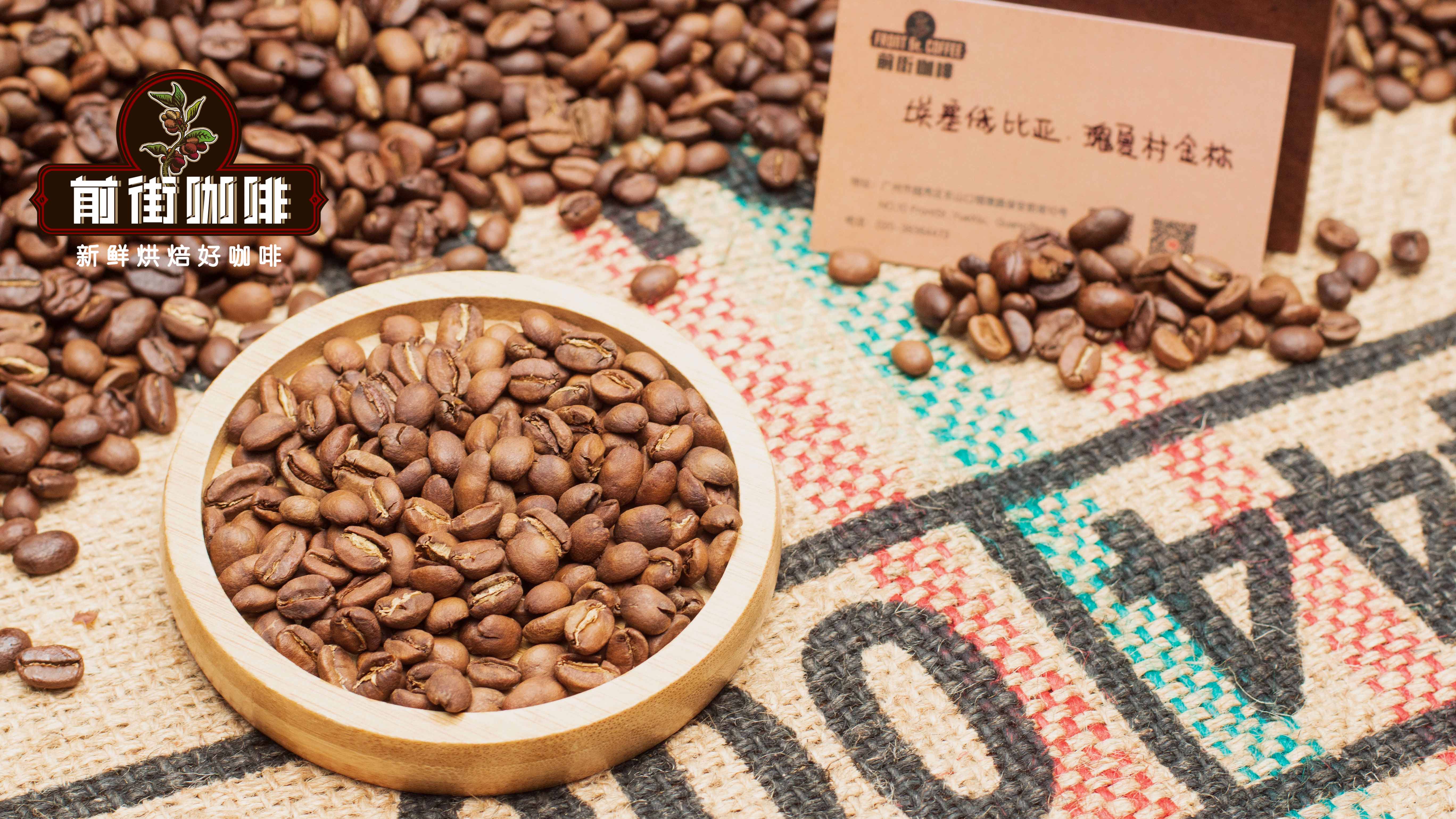
Ethiopia Gesha Village
Ethiopian Geisha is mostly native varieties, retaining the original flavors of Arabica with highly recognizable Ethiopian characteristics. However, precisely because it is an Ethiopian native variety, the beans' appearance is not as consistent as the Typica-variant Panama Geisha—sizes vary, with both round and pointed shapes. In 2009, Willem Boot, owner of Finca La Mula and a BOP judge, met the Overtons, who were filming a coffee documentary for the Ethiopian government. Willem Boot took the opportunity to facilitate the Overtons' return to Ethiopia to search for Geisha's original habitat. Eventually, in a place called Gesha Village in southwestern Ethiopia near South Sudan, Willem Boot and the estate owner ventured deep into the dense forest and found the Gori Gesha Forest where Geisha was first discovered. They collected seeds and brought them back to Gesha Village for cultivation and planting.
Thereafter, Ethiopia's Gesha Village followed in the footsteps of Panama's Hacienda La Esmeralda and came into the public eye. However, being an Ethiopian native variety, its flavor stability is inferior to that of the Typica-variant Panama Geisha. Nevertheless, to improve the quality of Ethiopian Geisha coffee, Gesha Village selected higher-altitude planting areas, providing excellent growing conditions for the coffee trees. Combined with the estate's increasingly mature techniques, Gesha Village's bean quality has been maintained. The Ethiopian Gesha Village Natural Red Label Geisha selected by Front Street Coffee uses raised-bed drying. Defective beans are first removed, ensuring cleanliness while eliminating the defective flavors associated with traditional ground drying. The Geisha grading at Ethiopia's Gesha Village includes: Auction, Gold Label, Red Label, Green Label, and CHAKA.
Front Street conducted a cupping comparison between Ethiopia Gesha Village Red Label Geisha and Panama Hacienda La Esmeralda Red Label Geisha.
Ethiopia Gesha Village Red Label Geisha: altitude 1,900–2,050 meters, processing method natural (raised-bed drying), medium acidity, medium sweetness, slight bitterness, flavors include tropical fruit, cream, bergamot, winey notes, lemon, and nuts.
Panama Hacienda La Esmeralda Red Label Geisha: altitude 1,700 meters, processing method natural (ground drying), medium acidity, medium sweetness, slight bitterness, flavors express intense rose floral notes, grapefruit, lemon, black tea, sweet potato, and cane sugar.
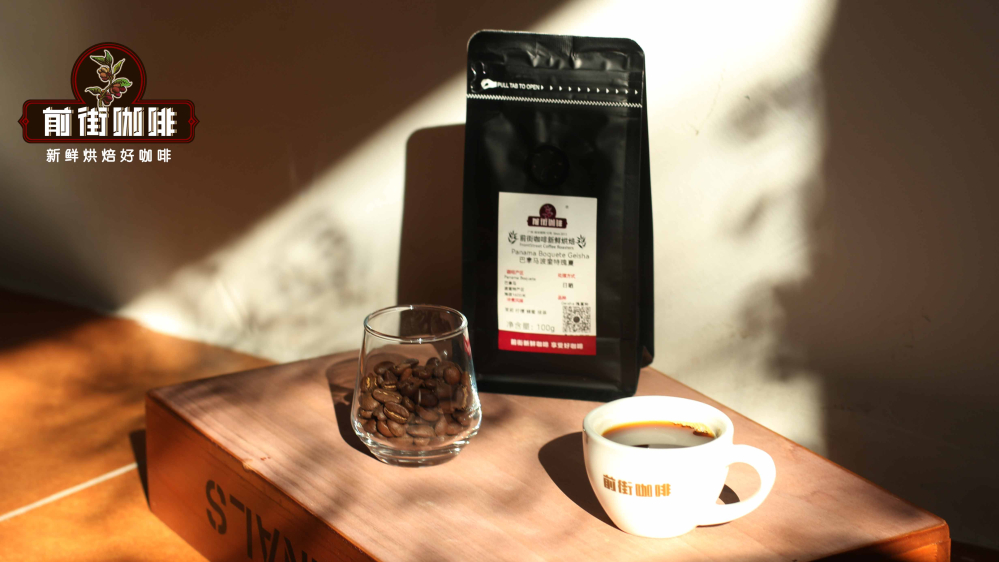
In comparison, Panama Hacienda La Esmeralda Red Label Geisha has richer, more intense flavors and a longer finish, though both offer excellent complexity, balanced acidity and sweetness, understated bitterness, and an overall naturally pleasant flavor profile. Ethiopia Gesha Village Red Label Geisha, thanks to its cleaner raised-bed drying method, has purer sweetness and more matured fermented winey notes, complemented by the sweet tropical fruit notes, giving it a fuller mouthfeel. Although Hacienda La Esmeralda does not use the cleaner raised-bed drying but instead employs the traditional, more convenient, and lower-cost ground drying, it still delivers remarkably rich flavors. That captivating floral aroma, soft acidity, and rounded sweetness interweave to present clean citrus flavors with a long, layered finish—truly impressive.
The above content is compiled by CoffeeHunters, a coffee news website.


