







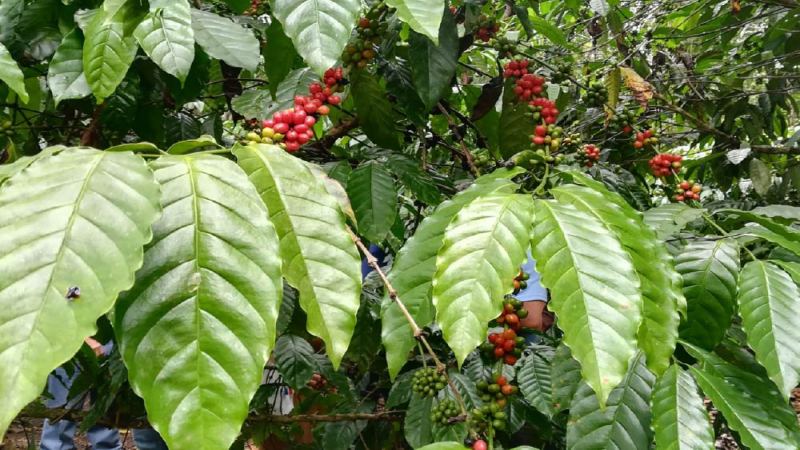
Why Do Geisha Coffee Beans Cost So Much?
Geisha coffee beans belong to the Ethiopian lineage within Arabica and originated in Africa, but the variety became famous after it was grown in Panama. Geisha from Panama and Central or South America shows delicate fruit acidity, floral aroma, caramel sweetness, and a tea-like quality. The Geisha still grown in Ethiopia is a different variety, with citrus, almond, and tea notes and less layered complexity.
Scarcity, small harvests, and competition results push prices well above ordinary lots, and the two varieties are often confused because they share a name. Auction placings for panamanian geisha reinforced the gap. Buyers who want the floral profile should look for Panamanian or Central American lots rather than Ethiopian geisha sold under the same label.
Geisha coffee is also known as "Yiji" coffee in China. It is a member of the Ethiopian lineage within the Arabica family and originated in Africa. Although it was born in Ethiopia, it became famous in Panama. Interestingly, the Geisha grown today in Panama and Central and South America is actually a different variety from the Geisha native to Ethiopia. Through comparison, Front Street Coffee has found that the two differ noticeably in flavor performance. This article will trace the discovery history of Geisha, analyze the varietal relationship between the two major producing regions, and introduce in detail the several Geisha coffee beans currently sold by Front Street Coffee and their flavor characteristics, providing coffee lovers with a complete guide to Geisha knowledge.
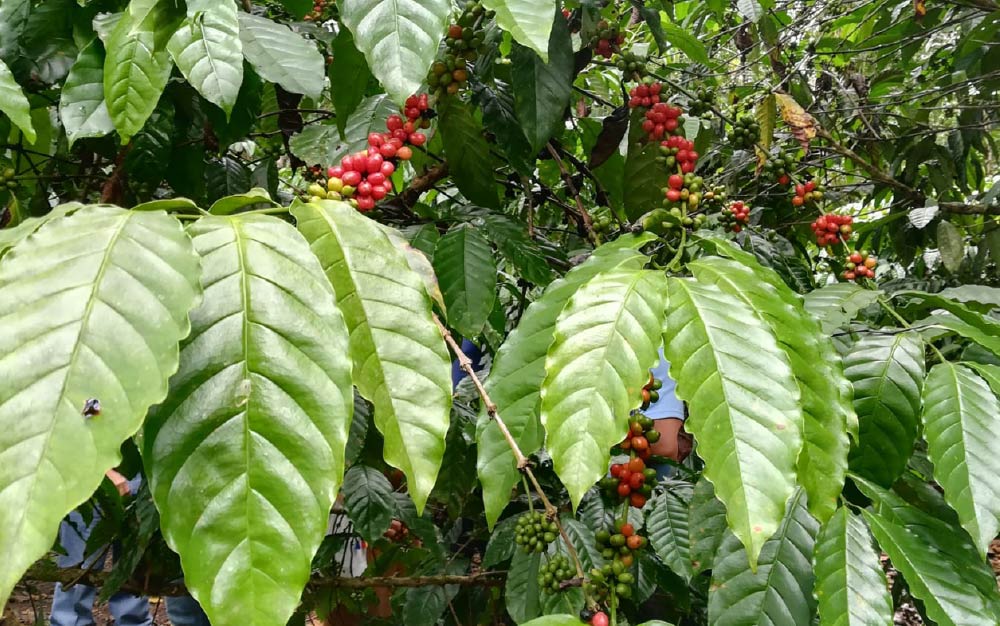
For more specialty coffee knowledge, please follow: Front Street Coffee ( Frontsteet Coffee )
Yiji coffee, also known in China as Geisha coffee, belongs to Arabica (Ethiopian lineage), and its place of origin is Ethiopia in Africa.
Although the Geisha variety originated in Ethiopia, it was Panama that truly made it famous. When coffee lovers around the world were full of praise for Geisha, a group of dream chasers obsessed with coffee returned to its birthplace to explore its roots and try to cultivate Geisha coffee beans of comparable quality in its native land.
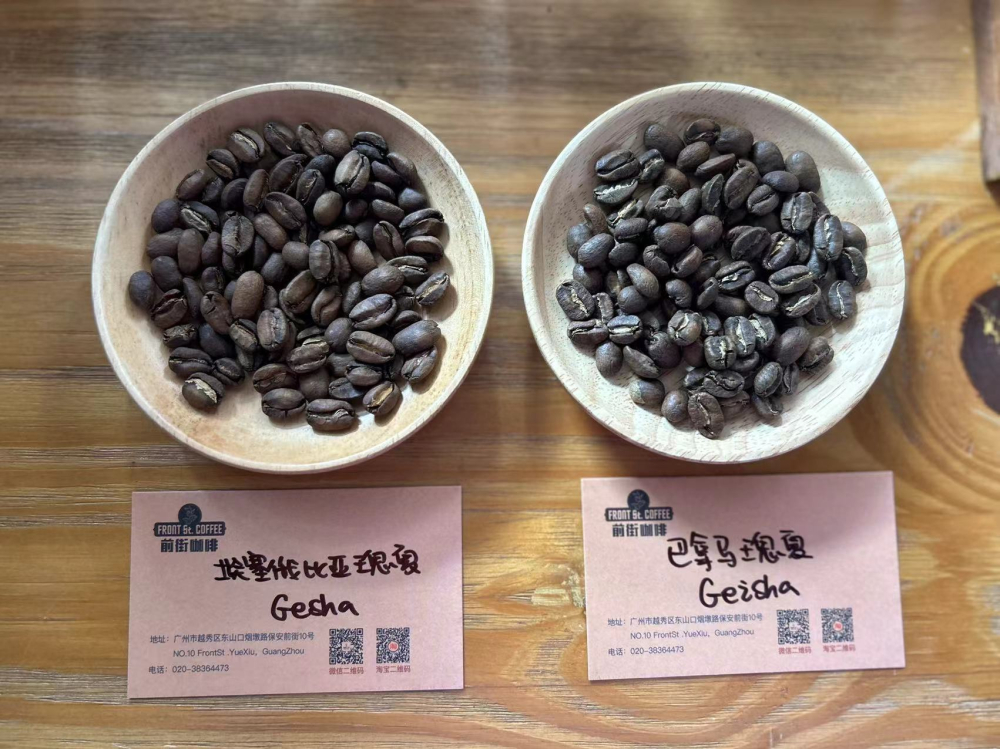
Although both are called Geisha, the Geisha coffee produced in Panama and Central and South America and the Geisha coffee grown in Ethiopia actually belong to two different varieties.
Through comparison, Front Street Coffee (FrontStreet Coffee) found that Geisha from Panama or other Central and South American regions is characterized by delicate fruit acidity, floral aromas, caramel sweetness, and a tea-like quality, while Geisha coffee produced in Ethiopia presents flavors of citrus, almond, and tea.
Overall, Ethiopian Geisha is inferior to Panama and Central and South American Geisha in the refinement and richness of flavor, and its layering is also somewhat lacking. Faced with such comparison results, Front Street Coffee (FrontStreet Coffee) consulted a large number of coffee documents and found the reason.
Who discovered the Geisha variety?
In the 1930s, after World War I ended, East African countries had already been divided among European powers as colonies, and the powers used this to seek economic benefits for their own countries. Ethiopia was one of the only two countries not colonized at the time, but the surrounding areas were entirely within the British sphere of influence, so troops were stationed along the border year-round. In order to find coffee varieties suitable for large-scale commercial cultivation, the British agricultural director in Kenya ordered a general survey of wild coffee varieties in Ethiopia and sent border garrison colonel Richard Whalle to lead troops deep into the Kaffa forest in southwestern Ethiopia to collect coffee tree seeds and bring them back for research.
At that time, there was a wild forest called Gesha near the Kaffa forest, and the coffee it produced was especially delicious, so it became widely known, and the European colonial powers therefore took an interest in this homeland of Arabica coffee. The colonel handed the various coffee seeds he collected to the British consul stationed in the Maji area, and they were then transferred to coffee research institutes in Kenya and Tanzania for classification and cultivation.
A letter once mentioned that they collected about 10 pounds of coffee seeds in a place called Geisha. The letter described that this primeval forest called Geisha belonged to a rainforest zone, and the coffee trees grew under dense, tall shade, in a shade-grown environment, relatively similar to the coffee growing conditions in the Sudan region. Because the report misspelled the collection place Gesha as Geisha, Geisha has been used by the world under this "wrong name" for more than a hundred years.
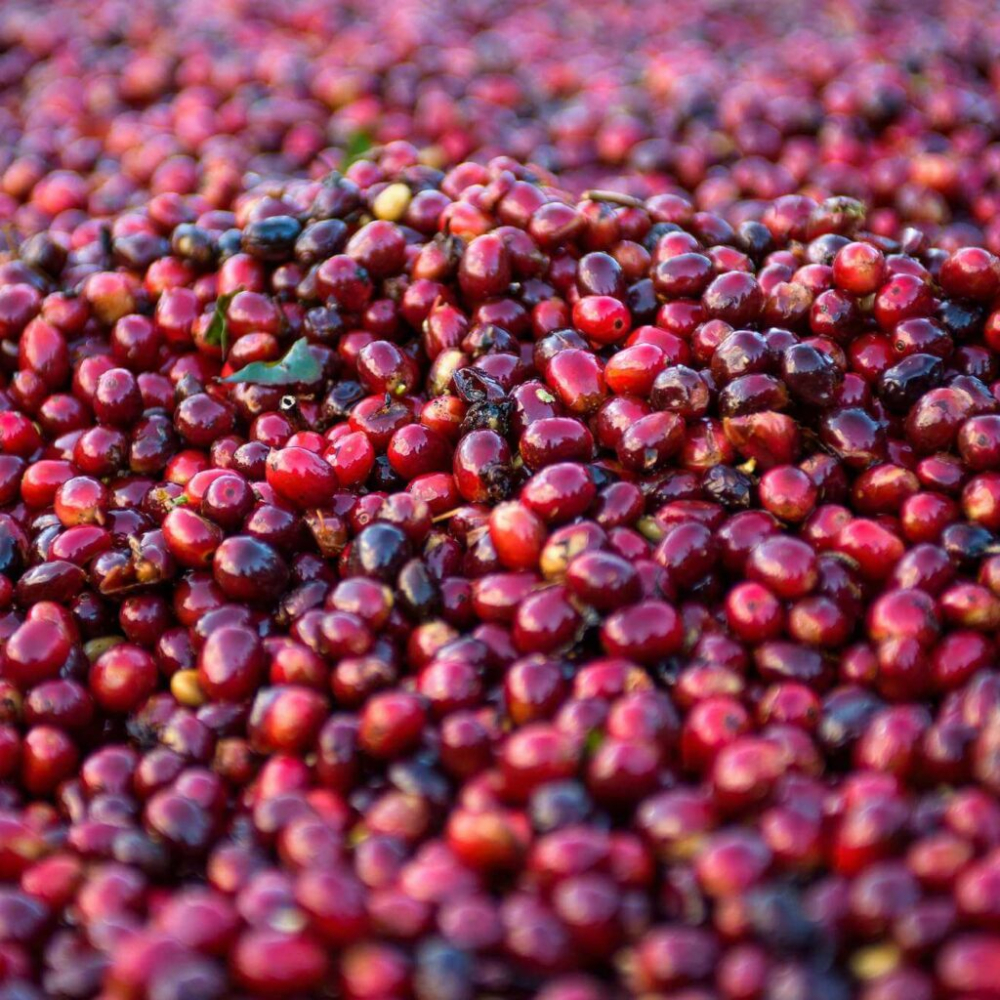
According to the report documents at the time, this collection work was carried out three times in total, once in 1931 and twice in 1936. The first batch of coffee was sent to Kitale in Kenya for trial planting, and in the second, seedlings numbered Geisha1, 9, 11, 123, and others were selected and sent to the Lyamungu Coffee Research Station in Tanzania for trial planting. Subsequently, the Lyamungu Coffee Research Station further characterized these Geisha through artificial selection and selected a group of seedlings numbered from VC496 to VC500.
In 1953, CATIE, the Tropical Agricultural Research and Higher Education Center in Costa Rica, obtained this batch of Geisha coffee seedlings from Ethiopia from the Lyamungu Coffee Research Station in Tanzania. It was not until the 1960s that CATIE sent this batch of Geisha coffee (including the T2722 variety numbered by Hacienda La Esmeralda) to Boquete in Panama and gave it to local farmers to plant in order to resist leaf rust. Another 40 years passed before it was discovered by the Peterson family and shone brightly on the BOP stage.
The relationship between Ethiopian Geisha and Panamanian Geisha
In fact, Geisha in Panama and Central and South America has little relationship with Geisha in Ethiopia; in other words, they are two completely different varieties. In many official documents, it can be noticed that Geisha in Central and South America is spelled Geisha, while Geisha in the Ethiopian region is spelled Gesha. The one-letter difference is not an accidental typo, but a deliberate attempt to distinguish the two.
According to documentary records, the Geisha that became famous in Panama came from a variety labeled "Gesha" purchased by a British colonel in 1931 in a region called Gesha in Ethiopia and surrounding markets, and then sent as a mixture to a British plantation in Kenya.
At that time, people used this batch of mixed coffee plants as research varieties and continuously bred many Geisha line plants mixed with different genes, and the one that became famous in Panama was precisely the Geisha variety numbered T2722. After many years of artificial cultivation and the continuous natural evolution of the plants themselves to adapt to the terroir environment, these delicate coffee flavors were created "by accident."
The Geisha in the Ethiopian region, on the other hand, refers to people returning to the Gesha region more than a decade ago to look for wild varieties with the same roots as Panamanian Geisha, hoping to grow an affordable alternative version. In order to draw more attention to this later variety, it was named Geisha (Gesha) after the region.
Because it was only discovered and researched for cultivation in recent years, the flavor of Geisha in the Ethiopian region has not yet been "tamed" by humans and the terroirs of different regions, so it is closer to the taste of native Ethiopian varieties, and its overall layered flavor is completely different from the well-known Panamanian Geisha.
Going back to 2004, the Geisha that won the championship on the BOP stage and amazed everyone was found through sample comparison to actually be the "geisha T2722" variety collected in the 1930s from the Gesha area near the Kaffa forest in southwestern Ethiopia and later cataloged by Costa Rica's CATIE as a fungal-resistant variety.
The variety name of Gesha Village Gold Label in Ethiopia often has a year added after it, called "Gesha 1931." The selection work at Gesha Village was led by Willem Boot. Because gene comparison technology was lacking at the time, the estate owner Adam, referring to the plant appearance and flavor performance of Panamanian Geisha, selected two Geisha varieties from the vast Gesha area, one of which had a flavor very similar to Hacienda La Esmeralda's Geisha, so it was named "Gesha 1931," symbolizing the year 1931 when Geisha was discovered.
From this, it can be confirmed that today's highly sought-after Panamanian Geisha (including Hacienda La Esmeralda) comes precisely from the coffee variety recorded at the time as "T2722," while Gesha Village's "Gesha 1931" is a similar variety found in the vast Kaffa forest using Panamanian Geisha as a reference template, so it cannot be proven to be of the same origin as Panamanian Geisha.
Among the Geisha coffee beans currently sold by Front Street Coffee (FrontStreet Coffee), there are native Geisha coffee beans from Gesha Village Estate in the Bench Maji region of Ethiopia, including Gesha Village Gold Label, Red Label, and Chaka.
Front Street Coffee (FrontStreet Coffee) Gesha Village Gold Label uses the Gesha1931 variety from the Oma region and has flavors of berries, chamomile, muskmelon, and tea. Gesha Village Red Label uses the Geri gesha variety and presents flavors of citrus, plum, cream, tropical fruit, and fermented aroma. Gesha Village Chaka uses Gesha1931, Geri gesha, and IIIubabor and carries flavors of lemon, berries, honey, cream, and oolong tea.
Geisha from Panama includes Hacienda La Esmeralda's sun-dried Red Label, washed Green Label, and Geisha coffee beans from the Boquete producing region.
Front Street Coffee (FrontStreet Coffee) Hacienda La Esmeralda sun-dried Red Label Geisha coffee beans are produced from the Mario plot, with flavor performance of full berry-like sweet acidity, rose aroma, tropical fruit fermentation aroma, and black tea-like sweet aftertaste; Hacienda La Esmeralda washed Green Label Geisha coffee beans present flavors of white flowers such as jasmine and ginger flower, refreshing citrus-like acidity, Tieguanyin-like sweet aftertaste, and honey-like finish; washed Boquete Geisha coffee beans present flavors of citrus-like acidity, roasted sweet potato-like sweetness, white floral aroma, and green tea-like sweet aftertaste.
The above content is compiled by CoffeeHunters, a coffee news website.


