The name Geisha is now almost a highly recognizable symbol in specialty coffee. But what many people don't know is that its roots actually lie in Ethiopia. In recent years, an estate named after Geisha—Gesha Village—has turned its gaze back to Ethiopia, making "native Geisha" an increasingly popular topic at auctions. This article follows that path of tracing origins to discuss where Geisha comes from.
Geisha's Roots Lie in the Forests of Ethiopia
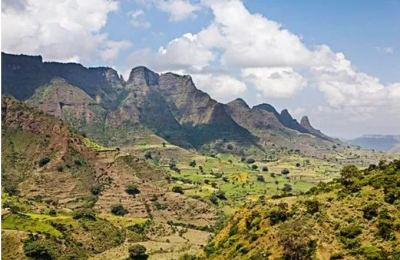
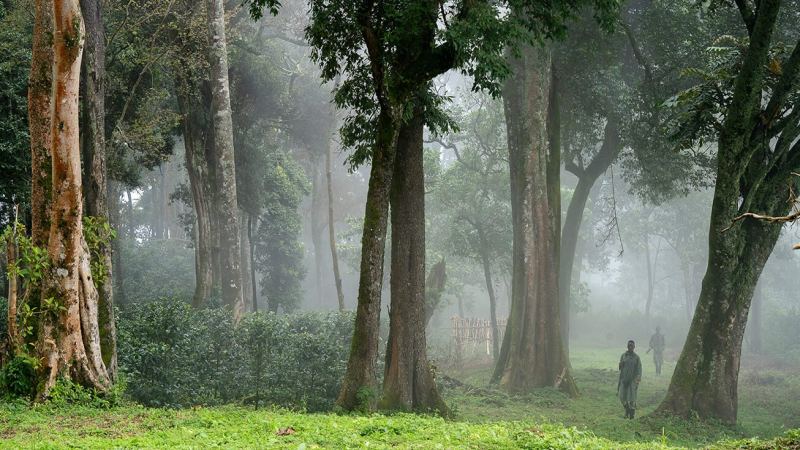
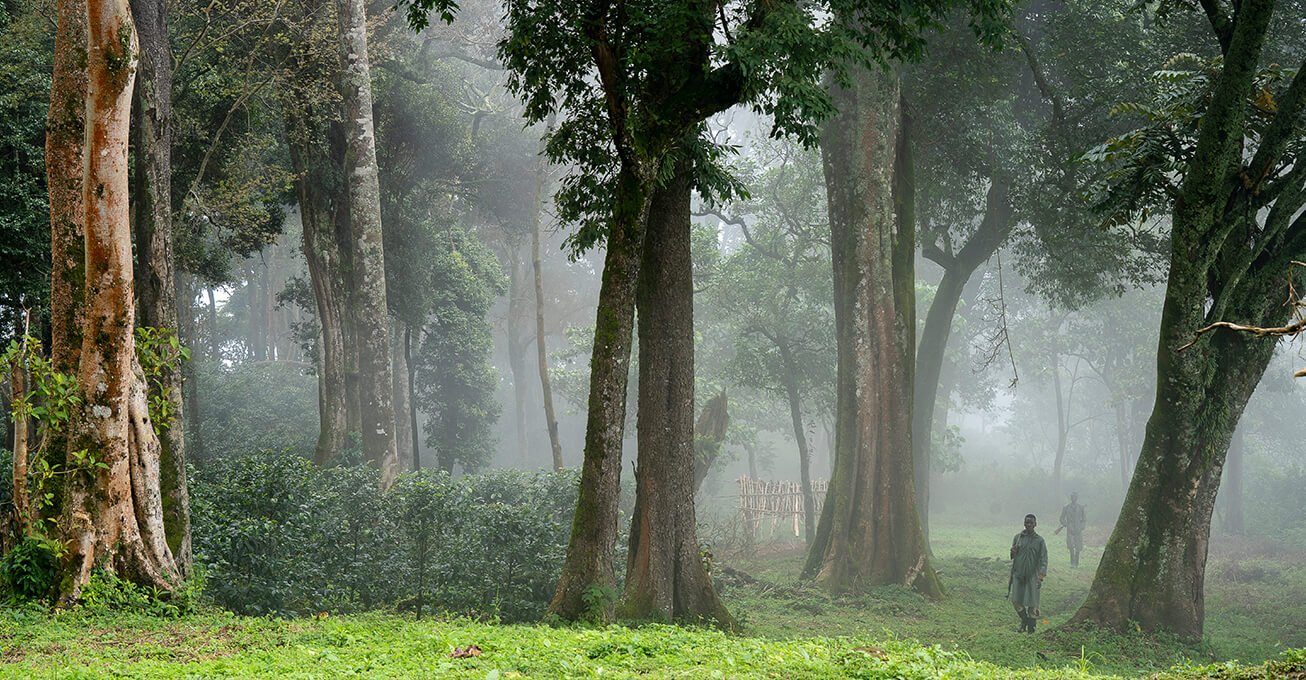
The Kafa forests in southwestern Ethiopia are globally recognized as the birthplace of Arabica coffee. In this ancient rainforest at elevations of 1,400 to 2,100 meters, a vast array of wild Arabica genetic groups thrives, and the now-famous native Geisha variety originates from this very forest. In other words, the glory of Panama Geisha began on Ethiopian soil. This has led many producing regions and estates to look back and seek the original form of Geisha.
Front Street Grana Estate Geisha: Native Geisha from the Guji Region
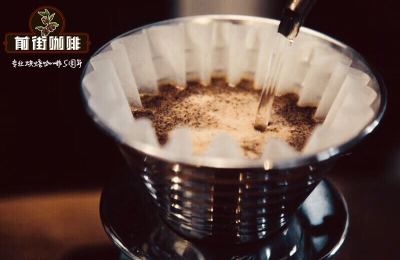
Front Street Grana Estate Geisha is produced at the Grana processing station in Ethiopia's Guji region, grown at elevations of 1,350 to 1,600 meters, and is an authentic Ethiopian native Geisha variety. Because the fruit maturation cycle is longer, flavor compounds accumulate more fully; during harvesting, only fully red ripe cherries are hand-selected, and then slowly sun-dried for 14 to 20 days, allowing the sugars in the mucilage to fully penetrate the bean core. When brewed, one can smell the aroma of white orange blossom, and on the palate, tropical fruit notes of guava, ripe apricot, strawberry jam, and pineapple unfold in layers, with bright and soft acidity, a warm brown sugar sweetness emerging in the mid-palate, and a finish with elegant green tea and oolong tea aromas, leaving a persistent and clean aftertaste.
Gesha Village and Recent Auctions
Gesha Village is located in southwestern Ethiopia, adjacent to the area where native Geisha is distributed, with its core focus on collecting and cultivating Ethiopian native Geisha. The estate separates different batches of beans by quality and processing method, and regularly participates in international auctions and green bean competitions, turning "Ethiopian native Geisha" from an academic concept into a flavor that can be tasted in the cup. In recent auctions, the performance of Ethiopian native Geisha has steadily risen, sparking more interest in the idea of "Geisha returning to Ethiopia."
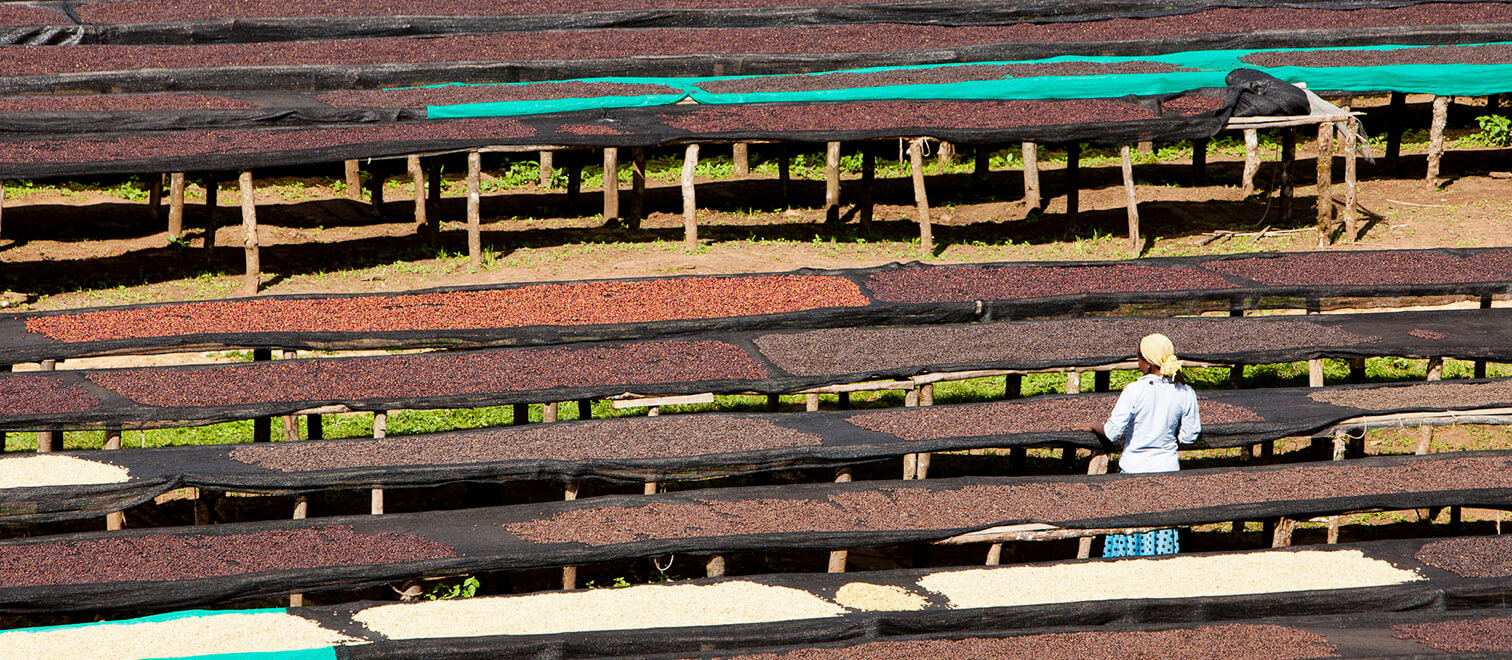
The Role of Sun-Drying in Geisha's Flavor
The flavor of native Geisha heavily depends on the processing method. Slow sun-drying allows coffee cherries to remain on drying racks for a longer time, enabling the sugars and aromatic compounds from the fruit pulp to fully enter the bean core, resulting in a more solid sweetness and more exuberant fruity notes; washed processing, on the other hand, makes the flavor cleaner and more transparent, with clearer acidity. The same lot of native Geisha, depending on whether it is sun-dried and the length of drying time, can taste like two different personas—this is precisely the source of value differences among various lots at auctions.
Summary
Gesha Village brings the Geisha narrative back to its origin: its native variety comes from Ethiopian forests, and now it is being re-cultivated, auctioned, and introduced to the world on Ethiopian soil. If you are interested in Geisha, why not start with a Front Street Grana Estate Geisha and taste what Ethiopian native Geisha, returned to its homeland, tastes like.
The above content is compiled by CoffeeHunters, a coffee news website.