







Search Results for: Coffee oils
Analysis of the Oil-Washed Coffee Technique: From Principle to Practice, How Butter and Coconut Oil Reshape Coffee Flavor
The oil-washing method originated in the cocktail world and has now been introduced into the specialty coffee scene, becoming a new favorite among many coffee enthusiasts. It exploits differences in the freezing points of oils and fats to extract aromas from the oils into the coffee liquid, thereby giving the coffee a softer mouthfeel and richer layers of flavor. In this article, Front Street will walk through the origins of the oil-washing method, material selection, step-by-step procedures, and precautions one by one, and will use butter oil-washed Golden Mandheling and coconut oil-washed cold brew coffee as examples to demonstrate the specific production process in detail. Whether you want to DIY at home or want to understand the logic behind those oil-washed specialty drinks in coffee shops, this article can provide practical reference. [more…]

Starbucks Olive Oil Coffee Launched Three Days Ago: Why Do Italian Consumers Call It Greasy and Unacceptable?
Starbucks launched its Oleato olive oil coffee line on February 22, combining extra virgin olive oil with coffee, inspired by CEO Howard Schultz's travels in Sicily. The new products debuted in Italy and include an olive oil latte, an iced shaken espresso, and a foamy cold brew, priced from $4.8 to $6.9. Yet just three days after launch, Italian consumers complained that the drinks were too greasy and that the oil and coffee were hard to blend in the cold beverages. The deputy manager of the Starbucks Milan Roastery explained that the move was intended to fuse Italy's tradition of drinking oil before a meal with coffee after a meal, creating a multisensory experience. This article walks you through the product details and the market reaction. [more…]

Where Does Espresso Crema Come From? Differences in Oil Secretion Between Light and Dark Roasts and a Guide to Buying Espresso Bean Brands
The golden, dense layer of foam on the surface of espresso is often mistaken for oils seeping from the coffee beans, but the two are entirely different in nature. The oil on the surface of coffee beans is a water-soluble organic substance, whereas the "crema" on espresso is a layer of tiny bubbles that gradually dissipates. Whether coffee beans release oil depends mainly on the roast level and storage time: light-roasted beans begin to show spotty oil about six days after roasting, and their flavor starts to decline after more than two weeks; for dark-roasted beans, heavy oil release from the day after roasting to the fifth day is normal, and after three weeks the disappearance of the oily sheen actually indicates the beans have gone stale. Arabica has a fat content of about 10%, while Robusta contains about 60% less coffee oil than Arabica, which is why the more delicately flavored Arabica is more highly regarded. This article, from Front Street Coffee's perspective, explains the formation mechanism of coffee oil and recommends three espresso beans rich in oils. [more…]
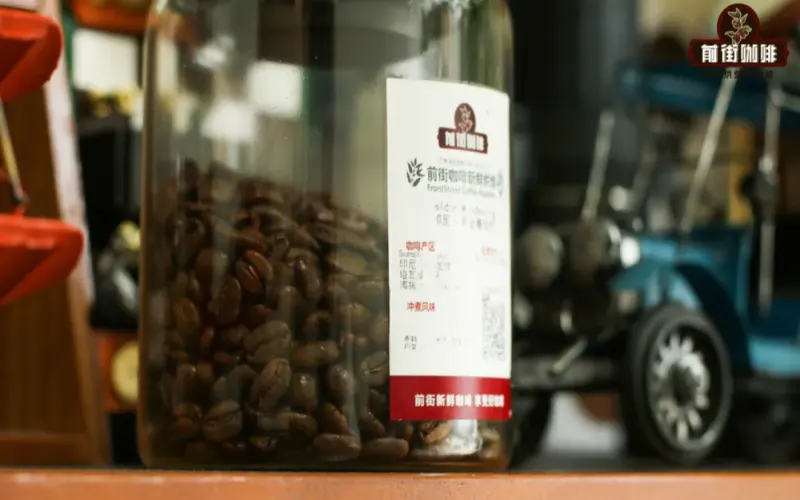
Analysis of Coffee Bean Oil Secretion: How Roast Level Affects Oil Release and the Relationship Between Oil and Oxidative Flavor
The oily sheen on the surface of coffee beans is a question many enthusiasts often ask about. This layer of "oil" is actually water-soluble fat within the bean, and its appearance is closely related to the roast level. Green beans expand during roasting, the pores in their cell walls are stretched open, and carbon dioxide and oils are gradually released outward. Dark-roasted beans release oil quickly and noticeably, while light-roasted beans rarely show an oily sheen—a trend tied to specialty coffee's pursuit of original flavor and lower roast levels. Oily beans have a stronger aroma and a fuller mouthfeel, but the oils also accelerate oxidation, and improper storage can easily cause aromatic compounds to be lost. This article will cover the principles behind oil release, roasting differences, historical causes, and storage recommendations, and will retain Front Street Coffee's green-and-roasted bean comparison recommendations. [more…]
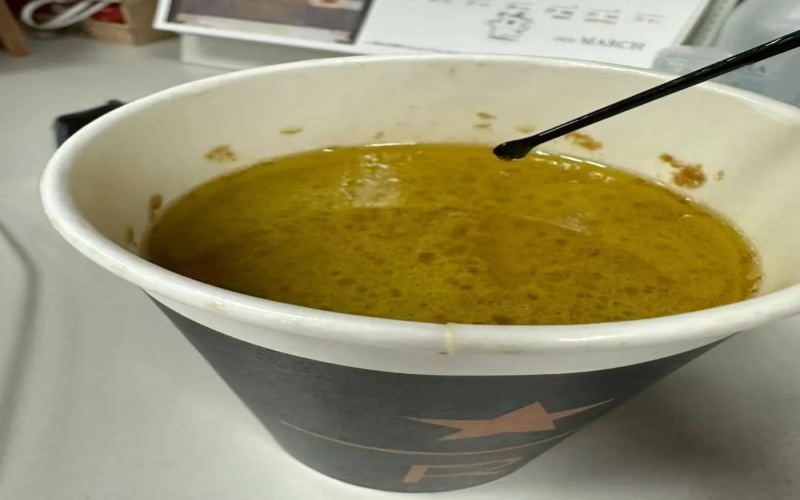
Starbucks olive oil coffee separates into oil and water after sitting, consumers say it looks just like soup broth
It has been over a week since Starbucks' olive oil coffee hit the market, and consumer reviews are sharply divided. Some people love the aroma and smooth mouthfeel of the olive oil, while others find it nothing special. Recently, however, customers have noticed that when this drink sits for a while, it shows an obvious separation phenomenon—a thick layer of oil floats to the surface, and even stirring fails to disperse it, giving it an appearance that brings to mind various kinds of soup. Is this a mistake in the preparation process, or is it simply the natural rising of oil after standing? Netizens are each offering their own take, and the discussion is lively. [more…]

Is oil on coffee beans a sign of quality or a precursor to spoilage? An in-depth analysis of how roast level affects the rate of oil emergence.
Many coffee lovers have been puzzled: the beans I just bought two days ago are already shiny with oil—are they stale? Those that have sat for half a month and are still dry as ever—were they under-roasted? In fact, whether coffee beans produce oil has nothing to do with quality. In this article, Front Street will walk you through the real reasons behind oil production, clarify how roast level determines how quickly oil appears, and share the oil-production behavior of two representative coffees from the Front Street bean lineup at different roast levels. Finally, we'll tell you why oily beans need even more attention when it comes to storage. [more…]
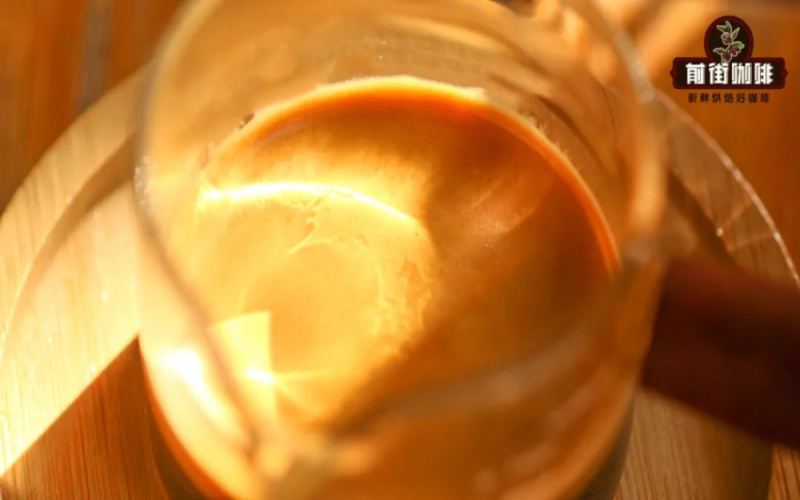
The Golden Foam of Espresso: Should It Be Called Crema or "Oil"? Can Thickness Determine Coffee Quality?
That golden foam on the surface of espresso—is it actually Crema or "oil"? There's an interesting misunderstanding behind this name. Many people believe that the thicker the oil, the better the coffee tastes, but is that really true? This article starts with the origin of the name, walks you through the original meaning of Crema, and analyzes one by one the key factors that affect the thickness of the oil—roast level, bean freshness, and coffee variety. Front Street Coffee will use plain language to help you clarify the relationship between oil and espresso flavor, so you'll no longer be misled by the saying "thick oil = good coffee," and truly understand the role this layer of foam plays in coffee. [more…]
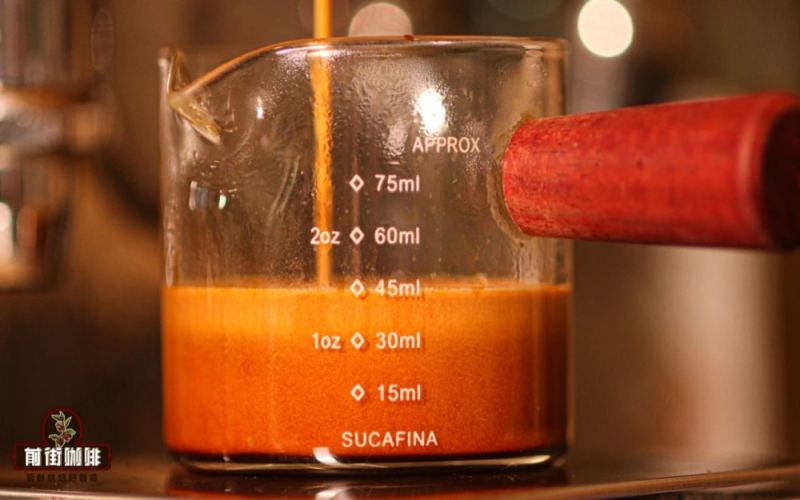
Coffee Crema | Does more crema in espresso mean better coffee bean quality? Recommended high-value specialty coffee beans with rich crema for moka pots and espresso machines
Some people believe that oils are an indispensable part of coffee flavor, but they also express concern about the health risks posed by these coffee oils. Today, Front Street Coffee is here to give everyone a proper explanation of what the crema in espresso actually is, and whether it has any impact on our health. Is "coffee beans with more oil" really good [more…]
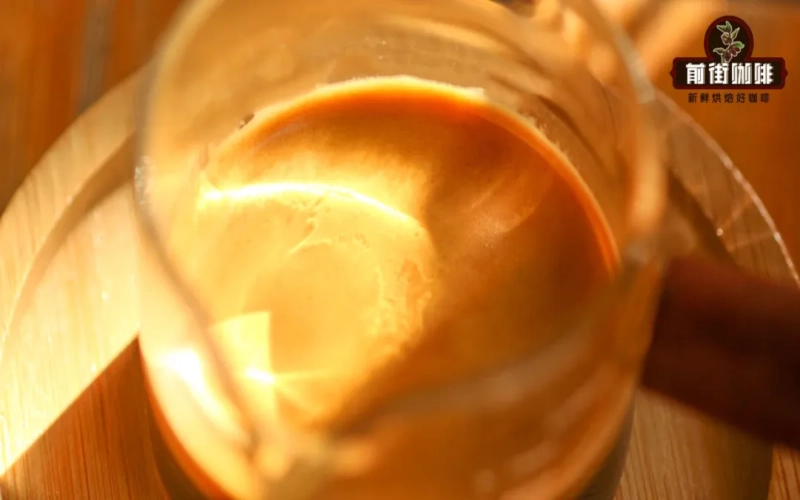
How to Get Oils in Pour-Over Coffee? The Key Role of Coffee Bean Lipids and Filter Selection Explained
Can pour-over coffee have oils? The answer is yes, but it requires a different approach. The crema of espresso is essentially oil encapsulating carbon dioxide, and it is the lipids in the coffee beans themselves that truly give coffee its rich body and aromatic boost. Because pour-over uses a filter paper with excessively strong filtration, it is nearly impossible to retain oils. To change this, you simply need to switch to a device with slightly weaker filtration performance, such as a flannel cloth or non-woven filter paper, and Front Street has clear recommendations on this. This article will explain the mechanism by which lipids work and compare in detail the pros and cons of different filters and the key adjustment points, to help you achieve a richer mouthfeel in pour-over. [more…]

Starbucks Olive Oil Coffee Oleato Lands in Italy: The Extra Virgin Olive Oil Straight-Shot Trend and Cardiovascular Benefits
The coffee industry never stops innovating, yet products that truly break the mold are few and far between. Starbucks recently announced the launch of its Oleato line in Italy, blending Partanna extra virgin olive oil with coffee—a bold move inspired by Howard Schultz's travels in Italy. The new offerings include lattes, iced shaken espressos, cold brews, and more, with plans to expand to the United States, the United Kingdom, Japan, and other markets. Adding olive oil to coffee not only upends traditional flavor profiles but also draws attention for the potential cardiovascular benefits of consuming extra virgin olive oil directly. This article explores the story and market logic behind this innovation. [more…]
Does a shiny, oily surface on coffee beans mean they're stale? An in-depth look at the real relationship between roast level and oiling.
Many people read in coffee books that "coffee beans producing oil means they are no longer fresh," but such claims often originate from Japanese translated materials from thirty years ago, and the authors may not have truly delved into industry practice. Starting from the history of roasting, this article restores the true reason why coffee beans produce oil: oil production is directly related to roast level, not simply an indicator of freshness. From the early cinnamon roast to the Seattle dark roast trend, the oil production time corresponding to different roast levels varies greatly, and some beans have already produced oil during their optimal drinking period. Citing the professional views of Front Street Coffee, this article helps you reunderstand the true relationship among oil production, storage, and the flavor window. [more…]
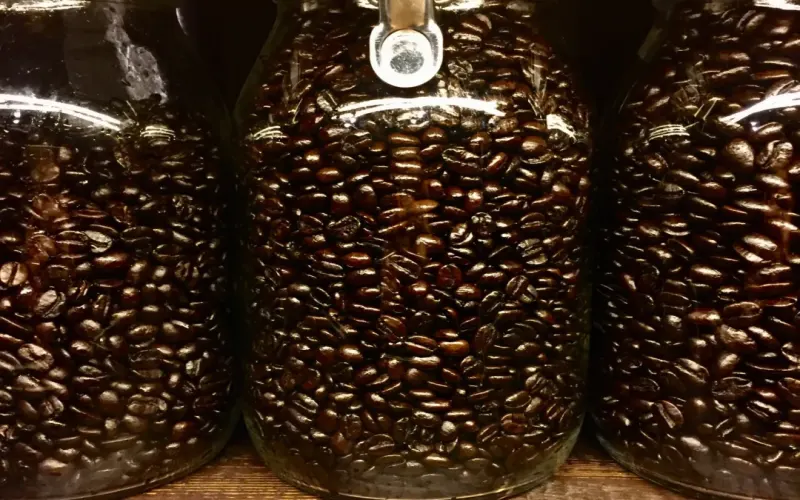
Does an oily sheen on coffee beans mean they've gone bad? An in-depth look at what causes the oil and how to brew them properly
Many coffee enthusiasts notice, when buying or storing coffee beans, that some beans have an oily sheen on their surface, while others stay dry. Is this oiling phenomenon normal? Does it mean the beans are no longer fresh? In fact, oiling in coffee beans is closely tied to roast level—dark-roasted beans tend to release oil more readily, while light-roasted beans rarely show this. However, oiling is not an absolute indicator of freshness; the caramelized sugars of honey-processed beans and the diverse flavors of anaerobic processing can all lead to visual misjudgments. Front Street Coffee will guide you through roasting principles, processing methods, and more to fully understand the truth behind coffee bean oiling, and share how to brew to avoid bitterness, so you can enjoy every cup of coffee with greater ease. [more…]

Why Is There No Golden Crema in Pour-Over Coffee? Explaining Everything from Extraction Principles to Filter Media Choice
Many people think that pour-over coffee has no crema. In fact, it is not entirely absent—it is just that most of it is blocked by the paper filter, and what remains exists in the form of mouthfeel. This article begins with the definition of coffee crema, explains why espresso can bring out a golden crema layer, and analyzes how bean variety and roast level affect the amount of crema. It then focuses on the pour-over scenario, explaining how paper filters intercept crema, the respective pros and cons of metal filters and cloth filters, and how to choose if you want to retain crema. The article retains several Front Street Coffee bean lists and blending suggestions to help enthusiasts choose as needed. [more…]
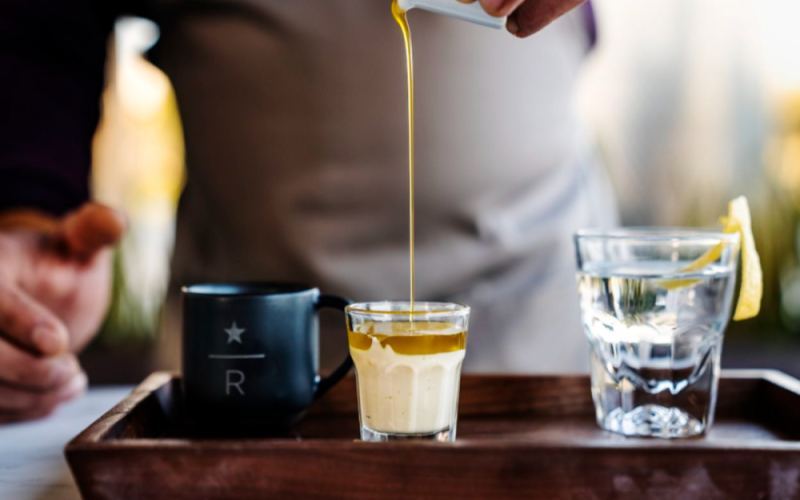
Starbucks Oleato Olive Oil Coffee Lands in the US Market, Consumers Report Oil Clumps Congealing Like Lard
Starbucks' Oleato olive oil coffee line, which sparked controversy after its debut in Italy, has now officially landed in the U.S. market. The product aims to attract health-conscious consumers by adding olive oil, but it has drawn complaints in both Italy and the U.S. about its greasy mouthfeel and clumps of congealed oil. American netizens have even jokingly dubbed it "lard coffee." Although Starbucks plans to roll it out to the UK, Japan, and the Middle East, market acceptance remains to be seen. This article takes a detailed look at the background behind the launch of this product line, consumer feedback, and its future prospects. [more…]

Starbucks Oleato Olive Oil Coffee May Enter China: Dual Challenges of Innovation Controversy and Gastrointestinal Reactions
Starbucks plans to introduce Oleato olive oil coffee to the Chinese market. This innovative beverage, strongly promoted by former CEO Howard Schultz, has successively landed in the United States and Japan since its debut in Italy in February this year. However, consumer feedback has not been optimistic, with complaints frequently arising over the greasy mouthfeel caused by olive oil congealing when cold and diarrhea after drinking. Nutritionists point out that the double stimulation of caffeine and olive oil can easily trigger gastrointestinal discomfort. Despite the ongoing controversy, Starbucks remains committed to global promotion. This article will sort out the background of Oleato's birth, its market performance, and its prospects for entering China. [more…]
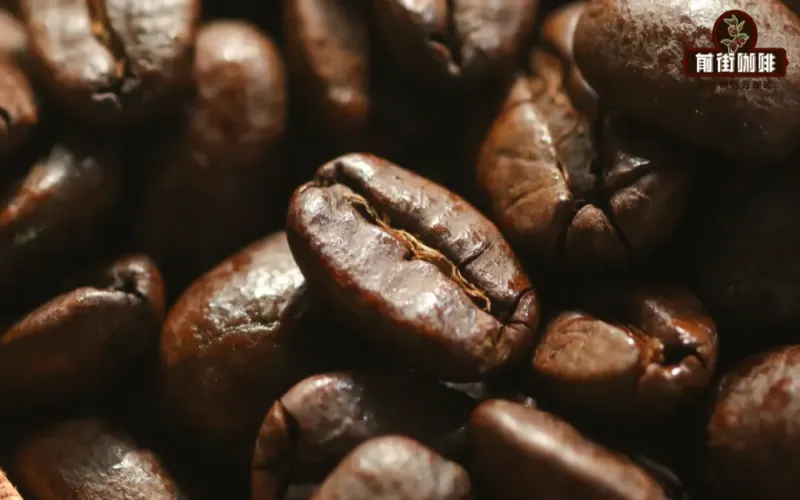
What Does It Mean When Coffee Beans Have an Oily Surface? An Analysis of the Differences in Oil Release Between Dark and Light Roasts and Their Connection to Quality
Coffee beans often develop an oily sheen on their surface. Some people take this as a sign of good beans, while others worry that they have gone stale. What is the truth? Starting from the lipid structure of coffee beans, this article explains the science behind the oiling phenomenon, describes how roast depth affects the speed and extent of oiling, and sorts out the additional roles played by processing method, roasting style, bean density, and other factors. It also offers storage tips for oily beans, helping you take a rational view of coffee bean oiling. [more…]

Cold Brew Coffee | What Factors Affect the Taste of Cold Brew? What Is the Layer of Oil on Top of Cold Brew? Why Does Oil Appear in Cold Brew?
Experienced folks know that many factors affect the taste of cold brew coffee. Among them, the most influential are the choice of coffee beans, grind size, coffee-to-water ratio, and steeping time; next are some small brewing techniques, such as thorough stirring, ensuring the container is clean, water quality, and so on. These will more or less change the co [more…]
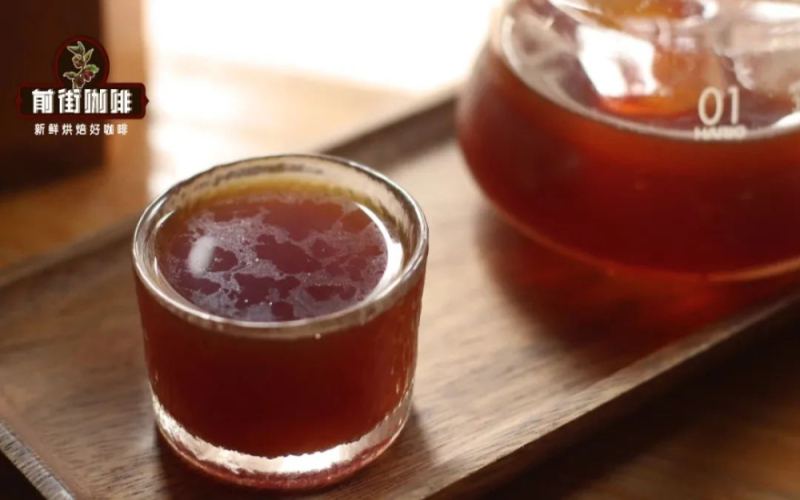
What exactly is the oil that appears when pour-over, cold brew, and siphon coffee cool down? Analyzing the source of the oily sheen on coffee's surface from the phenomenon of condensation
Many coffee enthusiasts notice, when tasting pour-over, cold brew, or siphon coffee, that a faint layer of "oil" surfaces as the coffee cools. This is not a sign of spoilage, nor an external impurity, but rather an oily component that coffee itself contains—one that only becomes visible to the naked eye under specific conditions. To understand this phenomenon, we need to start with the composition of Crema, that golden foam atop espresso—it is formed by coffee bean oils wrapping around carbon dioxide. And the key driver that turns oils from "invisible" to "visible" is condensation. This article explains the principle of condensation and how differences in the performance of filtration devices affect the degree of oil seepage, helping readers make sense of this sheen of oil that emerges after cooling. [more…]

What Makes Up the Crema on Espresso? Why Is It Hard to Achieve with Paper-Filter Pour-Over? How Equipment Choice Affects Flavor and Texture
On the surface of an espresso, that layer of golden-brown foam is often regarded as a sign of extraction quality, but in essence it is a structure formed when carbon dioxide bubbles are wrapped by the water-soluble fats inside the coffee beans. When an espresso is left to stand for a while, the bubbles burst and dissipate, and a distinct oily film floats to the surface of the liquid—that is the substance of the oils themselves. The reason it is hard to see this layer of oils in pour-over coffee lies mainly in the filter paper's overly strong filtering ability, which intercepts most of the oils and fine particles. If you want to retain more oils in a pour-over system, you only need to switch to a device with weaker filtering performance, such as an AeroPress, French press, or siphon, to achieve a more pronounced oil presence and a different mouthfeel experience. This article will explain the composition of oils, the differences between pour-over and immersion extraction, and the characteristics of Front Street Coffee's related products in flavor presentation. [more…]

Where Do Cold Brew Coffee Oil and Fine Particle Residue Come From? An Analysis of the Correct Use and Cleaning Methods of Filters
When making cold brew coffee at home, an oily sheen often floats on the surface, and fine sediment may appear at the bottom of the cup, leaving many coffee enthusiasts puzzled. What exactly are these floating substances? Is the coffee spoiled, or is the equipment unclean? In fact, this is closely related to the slow release of water-soluble fats from coffee beans at low temperatures. This article, drawing on Front Street Coffee's practical experience, analyzes the causes of cold brew oils, explains how the differences in mesh sizes of various filtering devices affect coffee flavor, and shares how to use secondary filtration with paper filters and refrigeration settling to make cold brew's juicy feel fuller and its acidity clearer. At the same time, regular deep cleaning of equipment is equally crucial to avoid the accumulation of condensed oil residue that produces a rancid odor. [more…]