





Why Are Some Coffee Beans Oily After Roasting?
That sheen on roasted coffee is the water-soluble fat held inside the bean. During roasting the green bean expands, cell-wall pores stretch open, and carbon dioxide and oils migrate outward. Dark roasts release oil quickly and visibly; light roasts rarely show a shine, which fits the specialty trend of lower roast levels.
Green beans expand roughly 1.5 to 2 times in volume during roasting, and darker roasts expand more and trap more carbon dioxide, pushing more oil to the surface. Oily coffee beans carry a stronger aroma and fuller body, but the surface oil oxidizes faster, so poor storage lets aromatic compounds fade.
The oily sheen seeping onto the surface of coffee beans is a question many enthusiasts often ask about. This layer of "oil" is actually the water-soluble fats inside the bean, and its appearance is closely tied to the roast level. Green beans expand during roasting, the pores in the cell walls are stretched open, and carbon dioxide and oils are gradually released outward. Dark-roasted beans release oil quickly and noticeably, while light-roasted beans rarely show an oily sheen—this is related to the specialty coffee trend of pursuing the bean's true flavor and lowering roast levels. Oily beans have a stronger aroma and a fuller mouthfeel, but the oil also accelerates oxidation, and improper storage can easily cause aromatic compounds to be lost. This article will cover the principles behind oil release, roasting differences, historical causes, and storage advice, and will also include Front Street Coffee's recommended green-bean-versus-roasted-bean comparison.
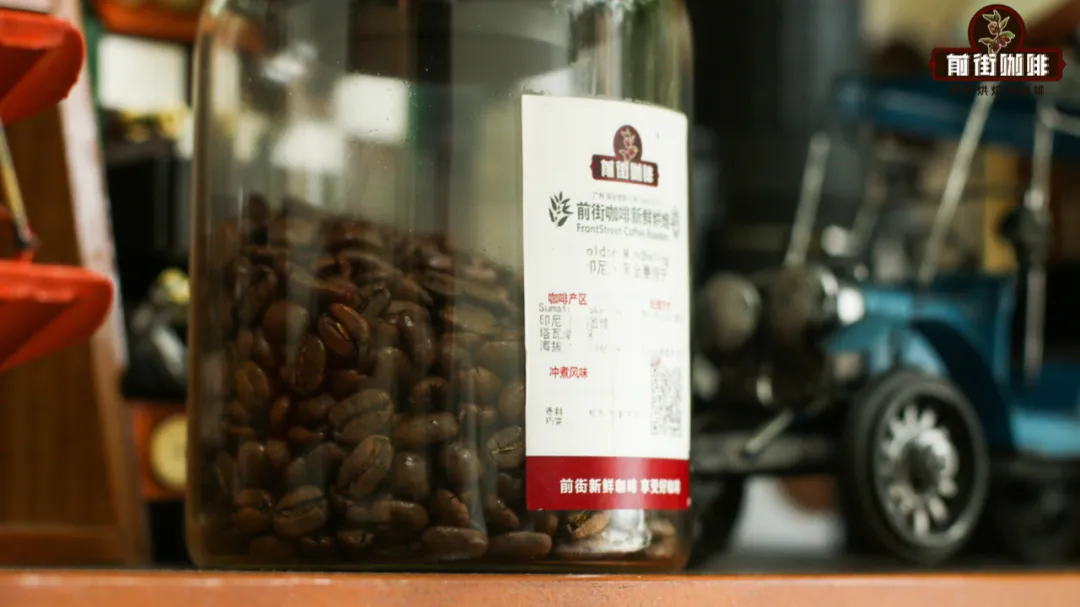
Coffee beans releasing oil is actually a very common physical phenomenon. That glistening "oil" on the bean surface is, plainly put, the water-soluble fats inside the bean. The reason some customers come specifically to ask about it is that not all roasted beans release oil—these days, beans that do show oil are actually quite rare. The key variable behind this is the roast level.
So what exactly is the relationship between oil release and roast level?
Before roasting, green coffee beans have a fairly dense internal structure, with water-soluble oils wrapped within a fibrous matrix. Once the green beans enter the roaster and continuously absorb heat, the bean body keeps expanding.
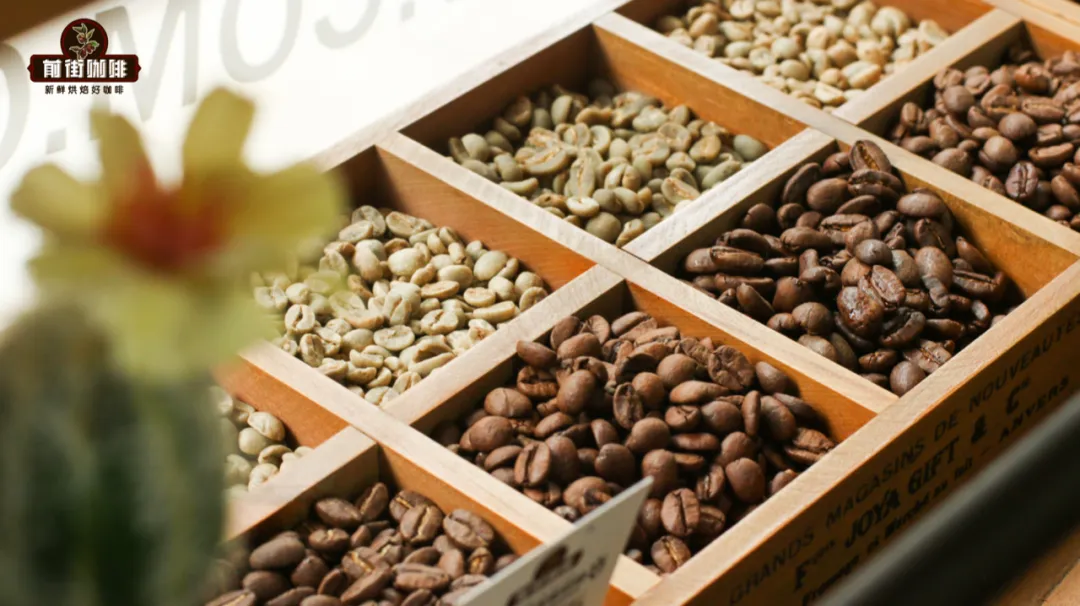
The Front Street shop has a corner specially displaying green beans alongside roasted beans for comparison. Customers who have noticed it will find that after green beans are roasted, their volume expands by roughly 1.5 to 2 times. The darker the roast, the greater the expansion.
As the volume expands, the pores in the cell walls are stretched even wider, and they hold a large amount of carbon dioxide produced during roasting. The darker the roast, the higher the expansion rate and the more carbon dioxide accumulates. After roasting ends, as the beans return from a high-temperature environment to room temperature and pressure, carbon dioxide and aromatic compounds begin to slowly release outward, and at the same time water-soluble oils gradually seep out onto the bean surface—this is the "oil" we see with the naked eye.
Not only is the amount of oil release determined by roast level, but the timing of oil release is also controlled by roast degree. For example, beans dropped after first crack ends but before second crack begins often take several days before a noticeable oily sheen appears on the surface.
But if the beans are dropped during the密集 stage of second crack, some oil seeping onto the bean surface can be observed right at the moment of dropping.
Why are oily beans so rare now?
After the specialty coffee philosophy became popular, roasters stopped using extremely dark roasts the way they once did, in order to present the bean's own flavors more clearly, lest the flavors formed by dark roasting mask coffee's original character. This applies not only to single-origin coffees that emphasize flavor—some shops, in pursuit of even more extreme flavor expression, have also begun lowering the roast level of espresso beans that originally needed dark roasting to stand up to the taste of milk.
So in this era where light roasting is the mainstream, oily dark-roasted beans have instead become a rarity.
If you turn the clock back 40 years, you would find that whether espresso or pour-over, the vast majority of roasted coffee beans worldwide were coated in a thick layer of oil, because the mainstream roast level at that time was dark roasting.
Interestingly enough, dark-roasted coffee beans were able to dominate the mainstream for the following few hundred years mainly for two unavoidable reasons. First, early roasting equipment struggled to roast coffee beans evenly; second, the quality of the coffee beans themselves was not up to standard. Since there was no way to roast the beans evenly, people simply used extremely dark roasting, so that the differences between beans would not be too great and the quality of the brewed coffee would be easier to keep consistent.
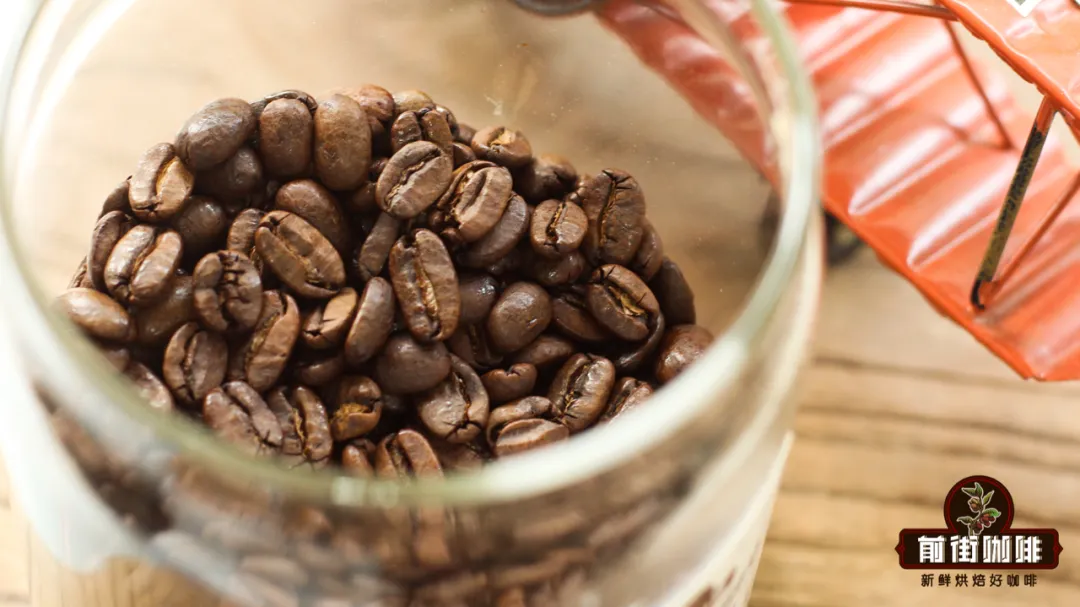
Oily coffee beans give off a more enticing aroma, and the brewed coffee has a fuller body and a more intense flavor. But it should be noted that this layer of oil accelerates the oxidation of coffee beans, so storage must be done properly to prevent the beans from losing their aromatic compounds prematurely under the effect of this "oil."
The above content is compiled by CoffeeHunters, a coffee news website.


