







Search Results for: surface
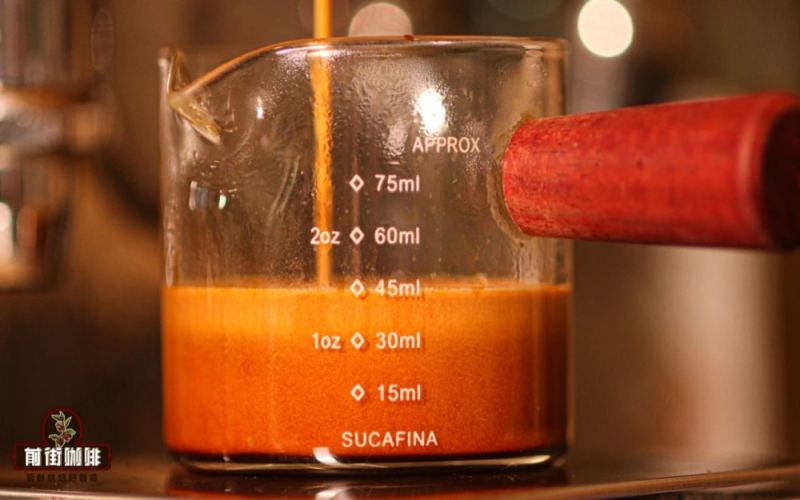
Coffee Crema | Does more crema in espresso mean better coffee bean quality? Recommended high-value specialty coffee beans with rich crema for moka pots and espresso machines
Some people believe that oils are an indispensable part of coffee flavor, but they also express concern about the health risks posed by these coffee oils. Today, Front Street Coffee is here to give everyone a proper explanation of what the crema in espresso actually is, and whether it has any impact on our health. Is "coffee beans with more oil" really good [more…]

Whether an espresso bean has a lot of crema depends first on the roast level.
When making espresso, the layer of golden or brown foam on the surface of the coffee liquid is often called crema. If you prefer coffee that looks thick and tastes stronger, the roast level can be a very useful clue when choosing beans. Generally speaking, the darker the beans are roasted, the more likely an oily sheen appears on the surface, and the crema extracted is also more pronounced, but the foam [more…]

Coffee Latte Art | Why Does the Surface of a Latte Become Rough After Sitting for a While? How to Improve Milk Foam Stability and Delay Defoaming?
The surface of a freshly made latte is incredibly fine and smooth. But if we leave it sitting without drinking it, we can see the smooth, delicate surface gradually become rough and uneven. This phenomenon is called "defoaming," a process in which the milk foam continuously dissipates. Milk foam is a frothy substance formed by injecting air into milk. [more…]

Latte Milk Foam Steaming Tutorial with Illustrations | What Are the Requirements for Milk When Making Latte Art? What Techniques Should Coffee Beginners Pay Attention to When Steaming Milk Foam for Latte Art?
To make latte art look good, choosing the right milk is very important! Front Street Coffee's daily in-store milk coffee offerings all use full-fat fresh milk, because it is rich in protein, lactose, and milk fat. The protein in milk is what makes the milk foam stable. [more…]

Coffee Basics | What is the standard way to make a Coffee Latte? What is the espresso-to-milk ratio and the thickness of the milk foam for a latte? What are the key points for making latte art?
For more specialty coffee knowledge, please follow our WeChat official account: Front Street Coffee (FrontStreet Coffee). To make beautiful latte art, choosing the right milk is very important! Front Street Coffee (FrontStreet Coffee) uses this for its daily milk coffee offerings: [more…]

Latte Milk-to-Coffee Ratio | How Do Coffee Shops Make Hot Lattes? Which Coffee Beans and Milk Are Suitable for Hot Latte Coffee? How Many Seconds to Steam Milk for a Latte?
For more specialty coffee knowledge, please follow: Front Street Coffee (Frontsteet Coffee). For a delicious latte, Front Street believes the most important things are the quality of the coffee beans and milk, the ratio of coffee to milk, and the extraction and blending technique. Point one: choose suitable ingredients. Why is latte so [more…]

Latte coffee recipe illustrated | What is the latte coffee pouring technique? Which coffee beans are suitable for latte art? The specific steps of basic fancy coffee knowledge
For more specialty coffee knowledge, please follow our WeChat official account: Front Street Coffee (FrontStreet Coffee). For a delicious latte, Front Street believes the most important factors are the quality of the coffee beans and milk, the ratio of coffee to milk, and the extraction and blending technique. Point one: choose suitable ingredients as [more…]
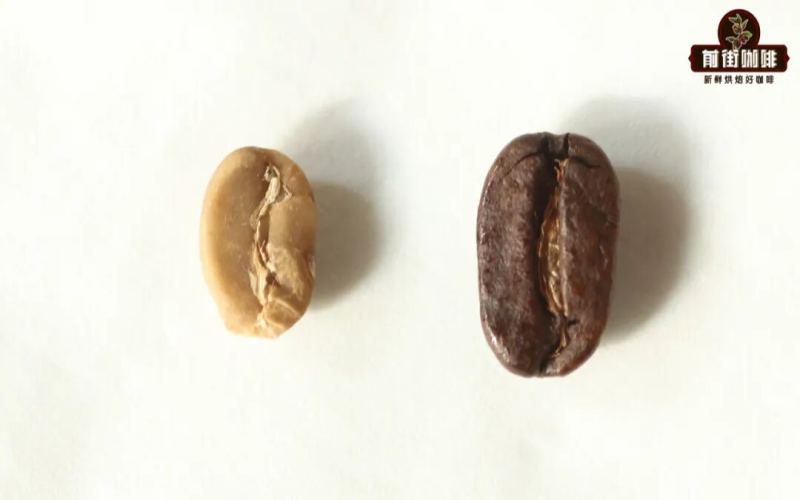
Coffee Bean Oil Release | What factors cause roasted coffee beans to become oily? Does coffee bean oil release mean poor coffee quality?
If you often buy beans and brew them at home, you've probably noticed that some coffee beans start to show oil on their surface after sitting for a while. Other beans, no matter how long they're stored, still look dry on the surface. This leads to a rather interesting phenomenon: some people believe that coffee beans [more…]
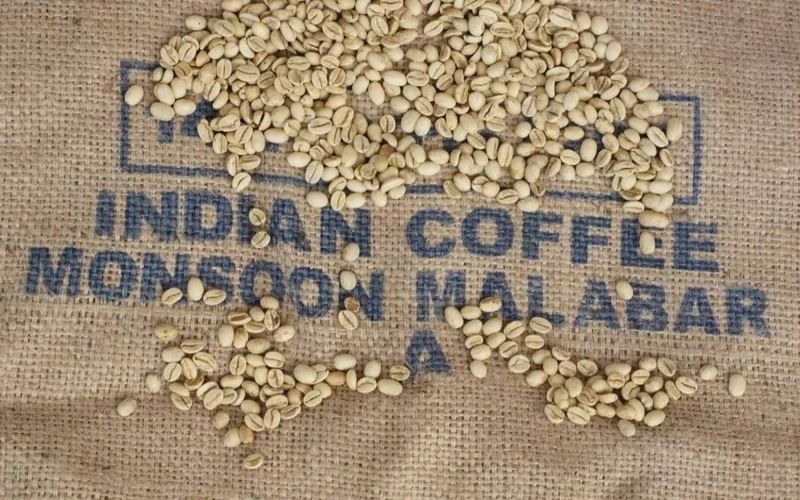
Rich crema on the surface of the espresso—the roast color gives you the answer.
When making espresso, the golden-brown foam on the surface of the cup directly affects both the visual appeal and the mouthfeel on entry. If you want a pronounced, rich crema, you can start by judging the roast level: the darker the color, the easier it usually is to form a thick foam and a full-bodied mouthfeel; lighter-colored beans, on the other hand, emphasize floral and fruity aromas, sweetness, acidity, and clarity. Neither direction is superior to the other, [more…]

The Ultimate Latte Guide | What's the Correct Coffee-to-Milk Ratio for a Latte? How Can Coffee Beginners Make a Delicious Latte at Home?
For a delicious latte, Front Street believes the most important factors are the quality of the coffee beans and milk, the ratio of coffee to milk, and the extraction and integration process. First point: choose suitable ingredients. Why is a latte so simple? Basically, every coffee bean menu has it as a staple, yet every shop's latte doesn't taste exactly the same. [more…]
Flavor Characteristics of Dark Roast Coffee | How Dark Does a Roast Have to Be to Count as Dark Roast Coffee Beans? Which Specialty Dark Roast Coffee Beans Make Good Pour-Over Coffee That Isn't Bitter?
As the third wave of coffee has developed to this day, people have increasingly focused on the so-called "original taste of black coffee." In the process of roasting coffee, there are many factors that affect the flavor and mouthfeel of the coffee, such as the length of roasting time, the roasting method, the degree of roast, and even the amount of coffee beans or the roaster's own experience. [more…]
Choosing coffee beans with a full-bodied crema based on roast level
If you want a cup of coffee that looks oily and has a thick, rich mouthfeel, make roast level your first consideration when choosing beans. Light-roasted beans usually emphasize floral and fruity notes along with bright acidity; their surface is dry and they show little oiliness. Medium to dark roasts, on the other hand, more readily develop nutty, cocoa, caramel, and roasted aromas, and taste richer as well. If your daily routine centers on [more…]
The Meaning and Core Principles of Coffee Roasting: A Complete Analysis of the Transformation from Green Beans to Rich, Aromatic Flavor
Roasting is the key step that transforms coffee beans from bland green beans into the rich aroma in your cup. During roughly twenty minutes of high-temperature treatment, the starches inside the beans convert into sugars and acidic substances, moisture and carbon dioxide escape, and proteins and fats combine to form an oily film on the surface, accompanied by the cracking sounds of first crack and second crack. Chlorogenic acid gradually dissipates, releasing pleasant fruit acids such as acetic acid, citric acid, and malic acid. Different roasting levels produce beans of varying darkness; charcoal-burned coffee is the typical example of a deep French roast, and its bitterness comes mostly from carbonization rather than just caffeine. When roasted properly, the beans expand evenly, with a smooth surface and consistent gloss, which is what allows coffee to show its ultimate character. Front Street Coffee believes that mastering the principles of roasting is an important foundation for brewing good coffee. [more…]
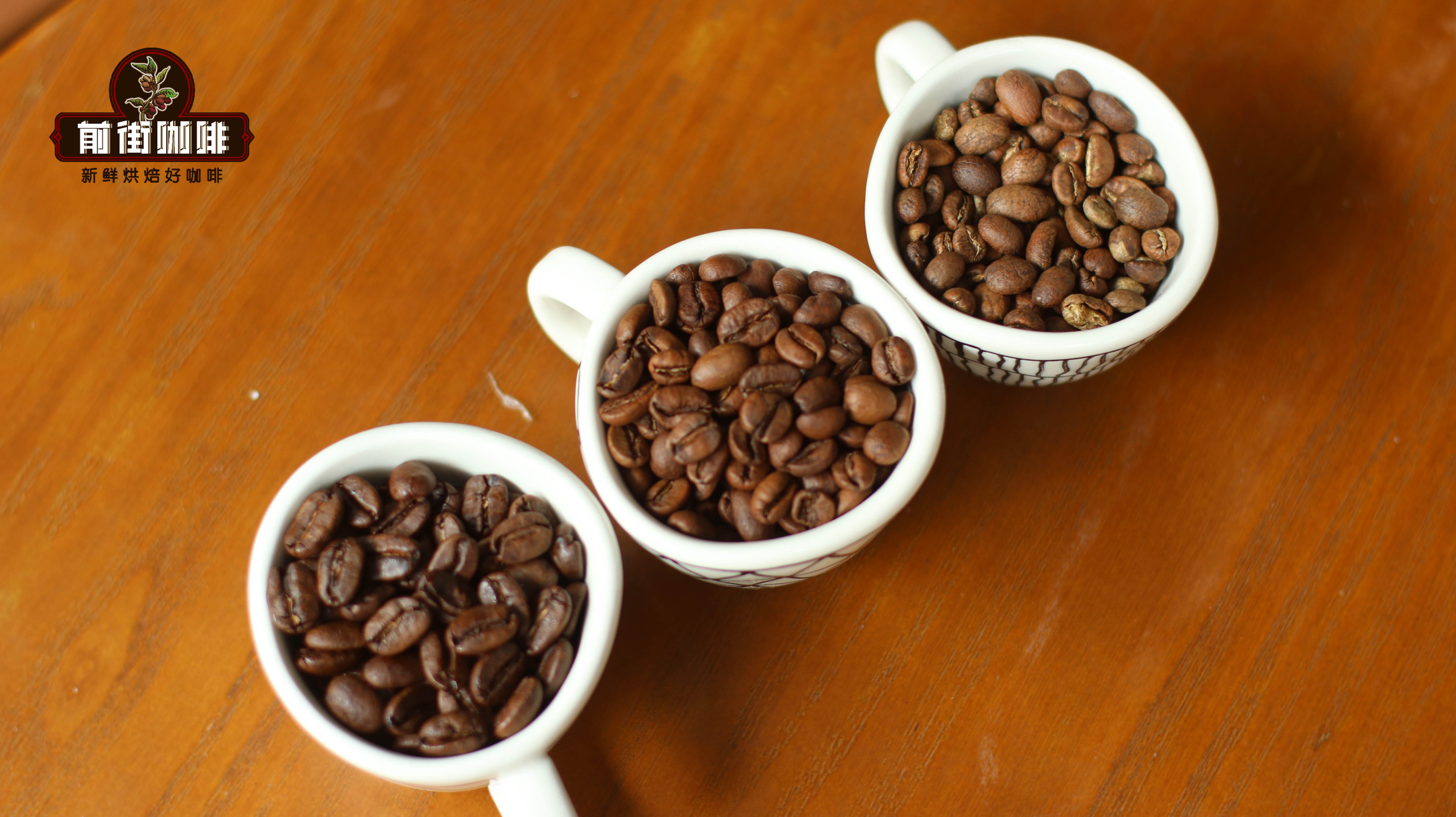
Coffee Bean Roast Levels Illustrated | What Do Japanese Extremely Dark Roast and Nordic Extremely Light Roast Mean? Which Tastes Better, Medium or Dark Roasted Coffee Beans?
Roasting is the process of turning green coffee beans into brown roasted beans~ The longer the roasting time and the longer the beans are exposed to heat, the darker the color of the coffee beans becomes. The surface color (bean surface) of the coffee beans when taken out of the roaster after different durations will also vary. This situation Front Street [more…]
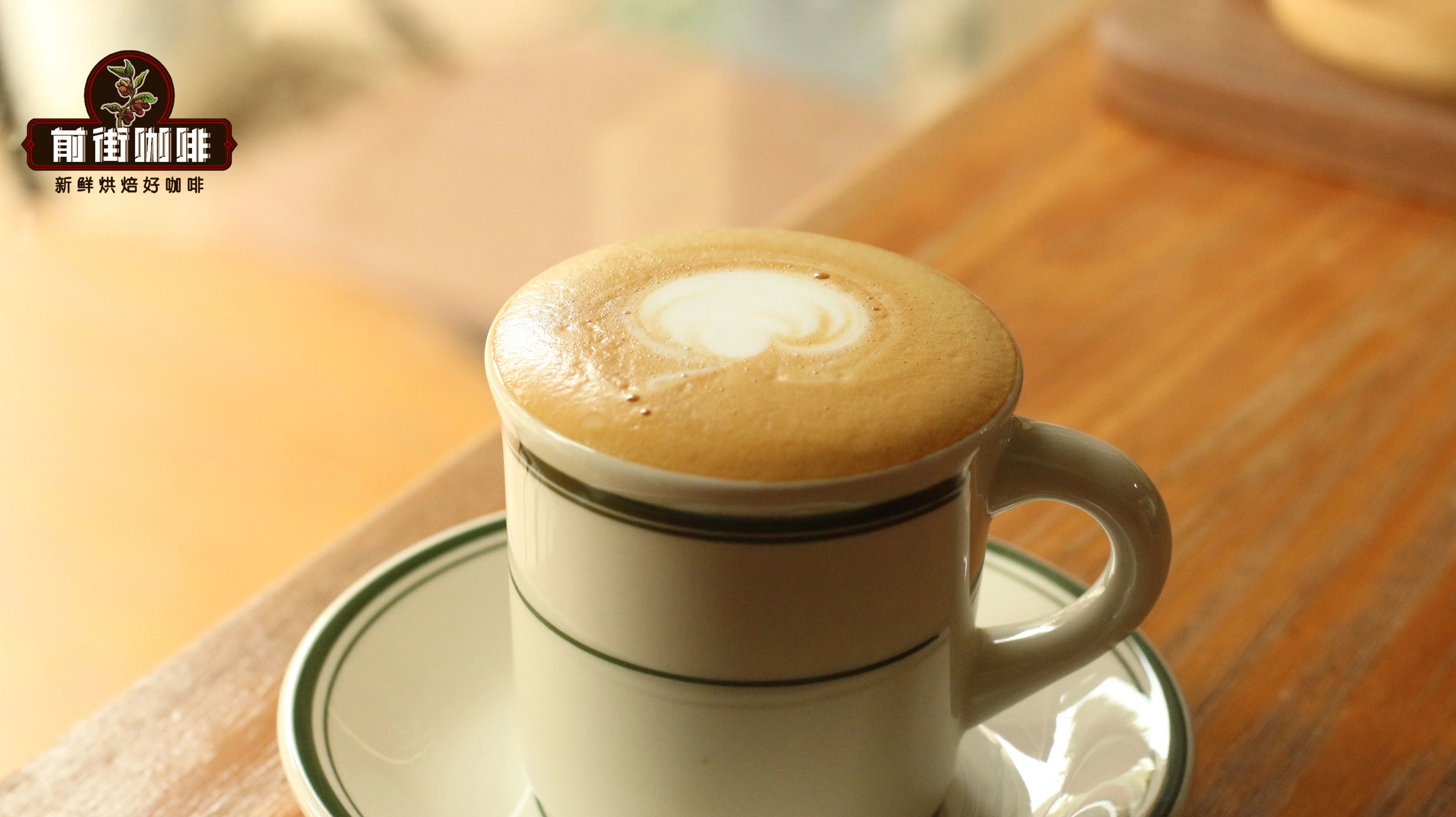
How to Steam Milk Foam for Latte | Latte Milk Foam Beginner Tutorial: How do you steam milk foam suitable for latte art?
Front Street Coffee has previously shared detailed knowledge about steaming milk foam. However, recently a friend sent some videos of steaming milk foam and asked Front Street Coffee for some advice. These problems happen to be quite common among beginners steaming milk foam, so we'll specifically discuss a few points to pay attention to when steaming milk foam. First category, after steaming. [more…]

Step-by-Step Guide to Pour-Over Coffee|Do pouring technique and blooming affect the flavor of pour-over coffee? Which pour-over brewing method is suitable for coffee beginners?
Front Street often encounters many pour-over beginners asking a question: Why does pour-over coffee need blooming? The most indispensable step in pour-over coffee is the blooming phase. The purpose of blooming is to allow the coffee to release gases and ensure even extraction, and it also clearly reveals whether the beans being brewed are fresh. Front Street focuses on freshness [more…]
A Complete Analysis of Coffee Bean Roast Levels: Temperature, Taste, and Time Comparison from Light Roast to Espresso Roast
The roasting degree of coffee beans directly determines the flavor profile of the final cup. From the bright acidity of a light roast to the rich, bittersweet depth of a dark roast, each stage has its own unique temperature range, timing, and visual characteristics. This article systematically breaks down the complete process of coffee beans from light roast, medium roast, medium-dark roast to dark roast, and includes a detailed comparison table to help you understand the flavor changes and suitable applications of different roasting stages. Whether you are a beginner pour-over enthusiast or a seasoned player pursuing the ultimate flavor, this guide can provide you with practical reference. The article also specifically retains product recommendations from Front Street Coffee for your reference when making purchases. [more…]

From Surfactants to Foam Stability: A Beginner's Guide to Latte Art and the Principles of Fluid Dynamics
Latte art is a romantic expression of a barista's skill, with white milk foam blooming into heart or leaf patterns on the surface of dark brown espresso. Latte art is divided into two types: free-pour latte art and etched latte art created after pouring. The wonder of the former lies in the pattern forming simultaneously with the pour, while the latter offers a wider range of designs because the stable foam allows for leisurely drawing. From a physics perspective, the core of latte art lies in surfactants—molecules that possess both hydrophilic and hydrophobic groups, capable of stabilizing the interface between air and liquid to form lasting foam. Milk proteins and coffee lipids act together as surfactants, enabling the two micron-scale foams to remain clearly separated for a long time after mixing, thereby allowing the pattern to persist. This article will guide you from the basic principles of surfactants to understand espresso's crema, the formation of hot milk foam, and why foam mixing rather than liquid mixing is the key to successful latte art, while also revealing the widespread applications of surfactants in daily life and industry. [more…]
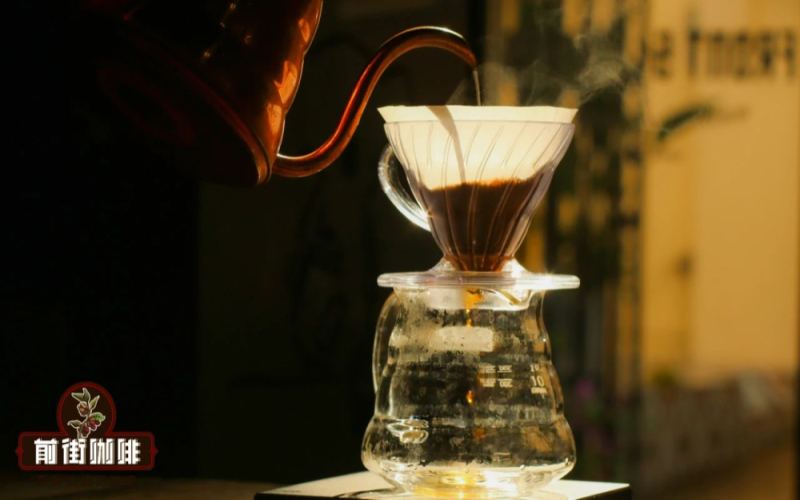
Recommended Varieties of Specialty Coffee Beans for Pour-Over | How Should Coffee Beginners Choose Single-Origin Beans for Pour-Over? What Are the Flavor Characteristics of Washed Gedeb, Golden Mandheling, and Panama Geisha When Made as Pour-Over Coffee?
More and more friends are now joining the ranks of pour-over coffee enthusiasts, and with so many coffee beans to choose from, many are once again struggling with choice paralysis. Generally speaking, the coffee beans used for pour-over coffee are single-origin beans. Single-origin beans refer to beans from a single region (from one estate/cooperative, or from multiple estates/cooperatives within a single origin). [more…]
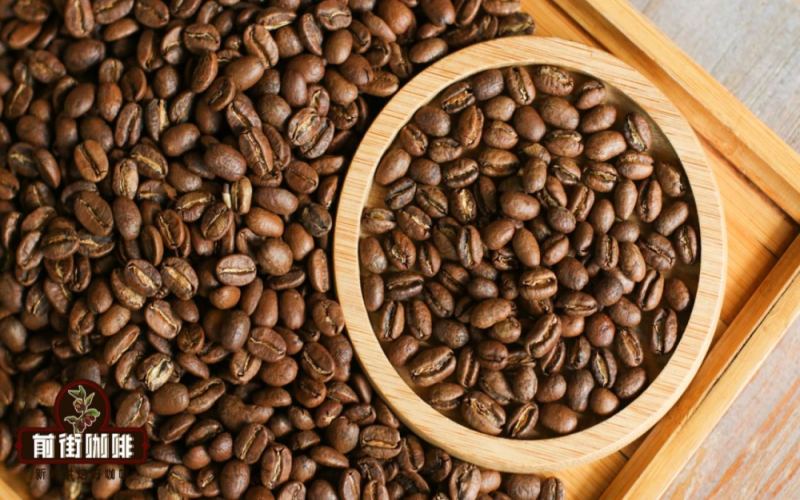
Coffee Roast Level Comparison | How Can Coffee Beginners Visually Determine Coffee Roast Level? What Are the Roast Flavor Characteristics of Espresso and Americano Coffee Beans?
The coffee beans we usually encounter have all been roasted. Roasting brings out the captivating aroma of coffee beans, and different roast levels give quite different impressions. In this issue, Front Street Coffee (FrontStreet Coffee) introduces several methods for identifying coffee roast levels. [more…]