








Why Are Some Coffee Beans Oily? It Comes Down to Roast Level
Oil on the surface of coffee beans is not a sign of quality or spoilage. It comes down to roast level. Green coffee beans hold lipids that make up roughly 10% to 18% of their dry weight, and these lipids help build coffee aroma and mouthfeel. During roasting, heat pushes those oils from the inside of the bean toward the surface, so darker roasts turn shiny sooner than lighter ones.
Lipid content varies by variety: Arabica runs about 14% to 18%, while Robusta sits around 9% to 12%. That difference also affects coffee aroma and crema thickness at a similar roast level. Oily beans are still fresh, but the surface oil makes them more sensitive to oxygen, so they need tighter storage to slow staling once the roast has opened them up.
Many coffee lovers have been puzzled: the beans I bought just two days ago are already shiny with oil—are they not fresh? I left them for half a month and they're still dry as ever—were they under-roasted? In fact, whether coffee beans release oil has nothing to do with quality. In this article, Front Street will walk you through the real reasons behind oil release, clarify how roast level determines the speed of oil release, and share the oil release performance of two representative coffees from Front Street's bean list at different roast levels. Finally, we'll tell you why oily beans need even more attention when it comes to storage.
The topic Front Street wants to discuss with everyone today revolves precisely around the phenomenon of oil appearing on the surface of coffee beans. In daily interactions with customers, Front Street has noticed that quite a few friends are unclear about why coffee beans release oil and what oil release actually means, so our customer service often receives questions like these:
"This bag of beans started getting oily just two days after I got it—has it already gone bad?" "My beans have been sitting for almost twenty days and are still dry—were they not roasted properly?"
From this feedback, we can see that everyone understands coffee bean oil release differently. Some people think oil release is a sign of good bean quality—the sooner it gets oily, the better the beans; others see oil release as a signal that the coffee beans are aging, believing that only beans stored too long will show an oily sheen.
The truth, however, is that whether coffee beans release oil has no connection whatsoever to their quality. The reason is that, in the end, this depends on how far the coffee beans were roasted.

Green coffee beans naturally contain a considerable amount of lipids, and these lipids are one of the key substances that build coffee's aroma and rich mouthfeel. Their content generally accounts for about 10% to 18% of the dry weight of coffee beans, with the specific proportion mainly varying by variety.
Generally speaking, Arabica has a higher lipid content than Robusta, roughly between 14% and 18%, while Robusta is about 9% to 12%. Precisely because of this, Arabica performs more prominently than Robusta in terms of coffee aroma (this is one of the reasons).
However, it is also because of this difference that, at a similar roast level, espresso extracted from Arabica will have a less thick Crema than one made from Robusta. Front Street has already explained this point in detail in a previous article, so we won't elaborate on it here.
Next, what everyone needs to understand is that although the lipid content of coffee beans is determined by variety, the amount of oil released is not decided by variety. As Front Street just mentioned, oil release mainly depends on the roast level of the coffee beans.
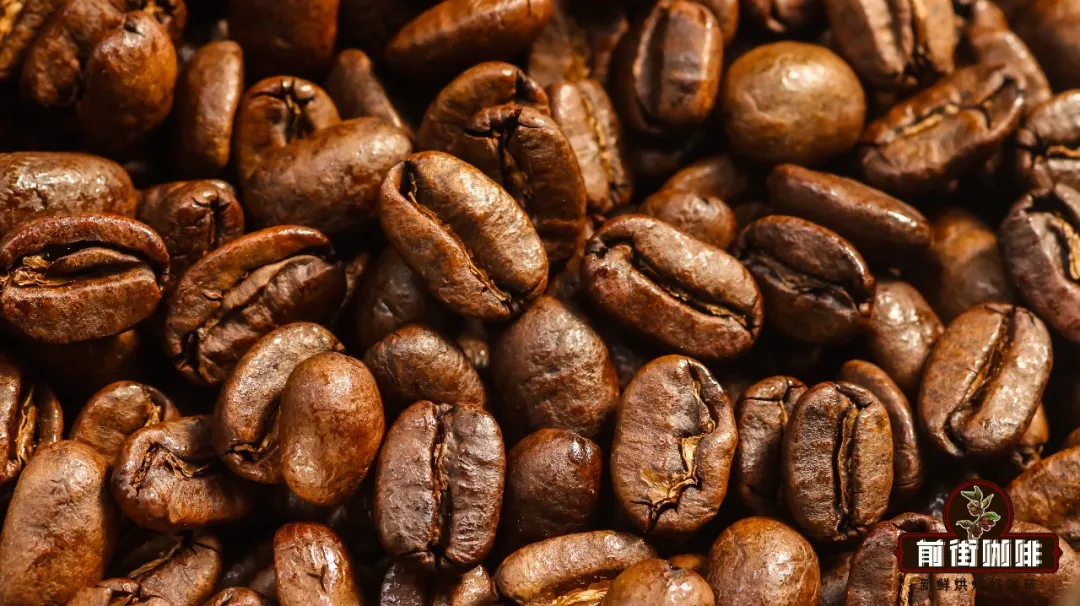
As we know, roast level affects every aspect of coffee beans, such as retained carbon dioxide, bean expansion rate, density, flavor direction, and aroma performance—all of which Front Street has covered in past content. In addition, another affected factor is the speed of oil release in coffee beans. The darker the roast, the faster the oil release; the lighter the roast, the slower the oil release. This is precisely the fundamental reason why the timing of oil release differs among different coffee beans.
Why can roast level influence the speed of oil release? The key lies in the fact that roasting changes the internal structure of coffee beans. Generally speaking, the darker the beans are roasted, the more the bean body expands, and the cell walls rupture, making the overall structure looser, so the lipids inside the beans can migrate to the surface more easily; conversely, when the roast level is lighter, the bean body expands less and the cells are more tightly arranged, so the speed at which lipids migrate outward is extremely slow.
This gap is quite significant. Taking Front Street's own bean list as an example, Front Street Ethiopia Hamasho is a medium-light roast bean dropped at the first crack stage. Because the roast is lighter, its oil release speed is very slow. One month after roasting, the bean surface only looks a bit more "moist," with no oil stains visible at all, and the flavor shows notes of strawberry, mango, floral, and guava.
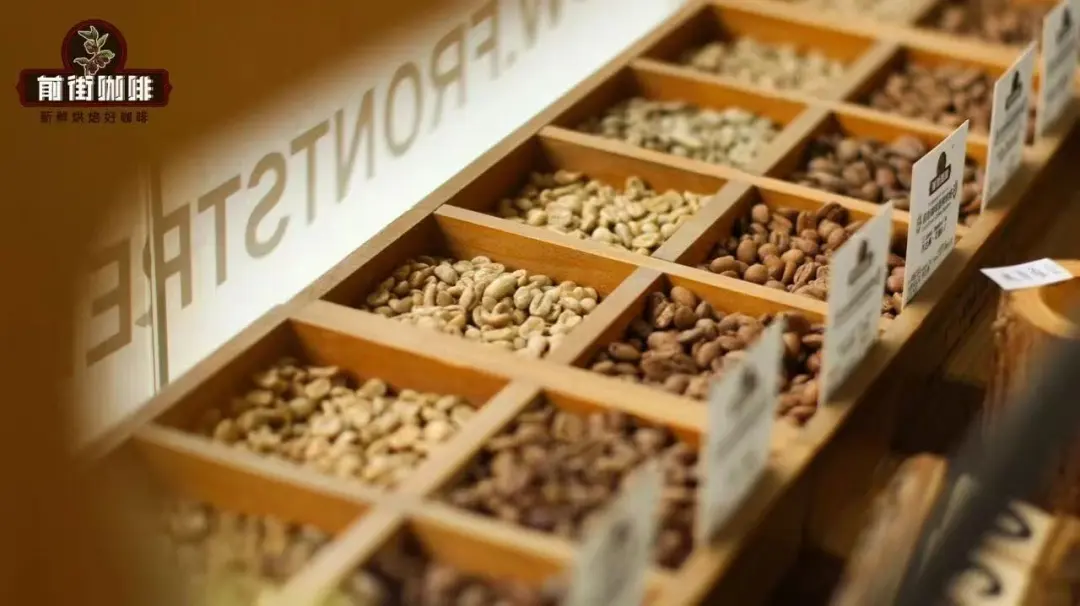
Another bean on Front Street's list—Front Street Indonesia · Front Street PWN Golden Mandheling—is a dark roast bean dropped after the second crack. Because the roast is darker, its oil release speed is fast: by the second day after roasting, an oily sheen had already appeared on the surface, and as time goes on, the amount of oil released continues to increase. Its flavor presents chocolate, caramel, nuts, and spices.
Of course, this is still not the fastest. If the roast level is even darker, then at the very moment the beans are dropped, we can already see an oily sheen on the surface. This shows that the speed of oil release in coffee beans is mainly governed by roast level.
Oil release does not equal spoilage; it is merely a normal physical phenomenon. Under proper storage conditions, the seepage of lipids can even bring us richer aromas, but the premise is that storage must be done well—oily coffee beans are more prone to deterioration than beans without oil.
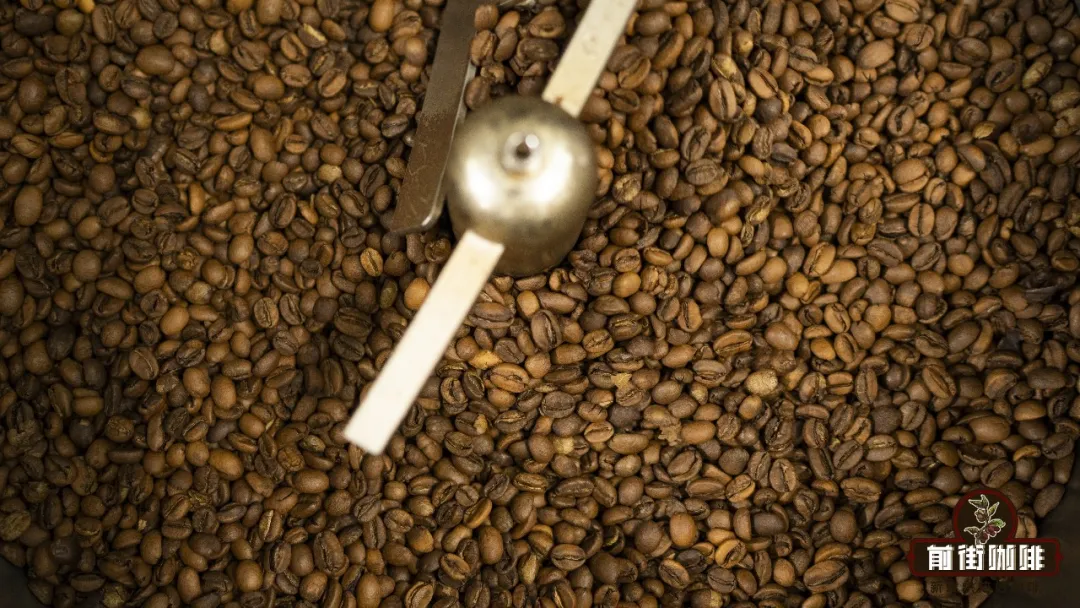
So, if what you bought is coffee beans that are on the darker side of roasting and already oily, please be sure to store them properly. Only in this way can you extend their peak flavor period and avoid spoilage affecting the coffee's flavor.
- END -
The above content is compiled by CoffeeHunters, a coffee news website.


