







Why Olive Oil Coffee After Meal Split Italian Drinkers
Starbucks launched its Oleato olive oil coffee line on February 22 in Italy, three days after which Italian consumers complained the drinks tasted too greasy and that oil and coffee separated in the cold versions. The line includes an olive oil latte, ice-shaken espresso, and foam cold brew, priced from $4.8 to $6.9, using Partanna extra virgin olive oil.
Interim CEO Howard Schultz said the idea came from a Sicily vacation, where locals drink olive oil daily, and the Milan Roastery framed the launch as fusing Italy's habit of olive oil before meals with coffee after meal. Sicilian residents noted that olives pressed for oil are bitter and astringent and cannot be eaten directly, which makes the flavor pairing hard to sell.
Starbucks launched the Oleato olive oil coffee line on February 22, combining extra virgin olive oil with coffee, inspired by CEO Howard Schultz's trip to Sicily. The new products debuted in Italy and include olive oil latte, ice-shaken espresso, and foam cold brew, priced from $4.8 to $6.9. However, just three days after launch, Italian consumers complained that the taste was too greasy and that the oil and coffee were difficult to blend in the cold drinks. The deputy manager of the Starbucks Milan Roastery explained that the move was intended to fuse Italy's tradition of drinking olive oil before meals with coffee after meals, creating a multi-sensory experience. This article takes you through the product details and market reaction.
For professional coffee knowledge exchange and more coffee bean information, please follow Coffee Workshop (WeChat public account: cafe_style)
For more specialty coffee beans, please add the private WeChat account Front Street Coffee (FrontStreet Coffee), WeChat ID: qjcoffeex
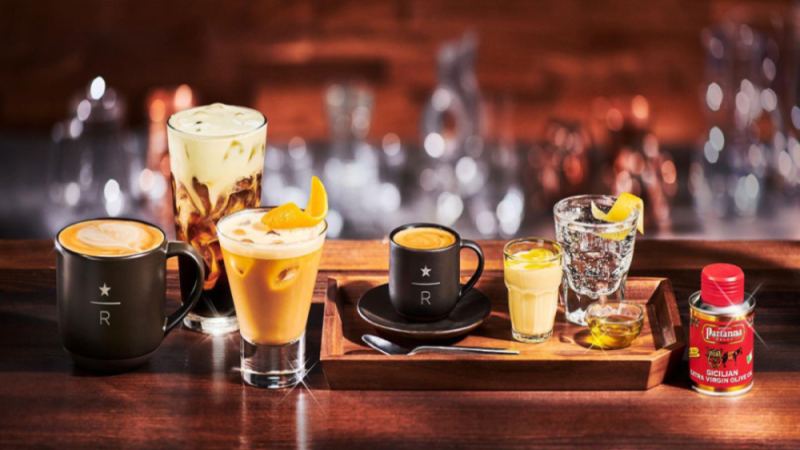
On February 22, Starbucks launched a product that surprised the entire coffee world and even locals in Sicily—the Oleato line of olive oil coffee. "Oleato" means "with oil" in Italian. The line includes olive oil latte, olive oil ice-shaken espresso, and olive oil foam cold brew. In addition, the Milan Roastery will offer olive oil deconstructed coffee and olive oil coffee martini for a limited time.
Just hearing the name is enough to make people frown. According to Starbucks interim CEO Howard Schultz, the inspiration for this product came from his vacation in Sicily last year, when he discovered that locals had a daily habit of drinking olive oil. So he also began trying coffee and olive oil together and came up with the idea of combining the two. The three regular drinks are priced between $4.8 and $6.9, about 33 to 47 yuan.
This line uses Partanna extra virgin olive oil, the highest grade in olive oil classification. Because this is a daily habit for Sicilians, Howard chose to launch it first in the Italian market. But only three days after going on sale, the new products were collectively criticized by Italian netizens, who generally reported that the taste was too greasy.
Some local Sicilian residents explained that the olive fruit used to press oil is usually bitter and astringent and cannot be eaten directly. When pressing the oil, the fruit must be crushed into a paste with a small amount of water at a temperature not exceeding 27°C, and then a centrifuge separates the water from the extra virgin olive oil. Therefore, high-quality extra virgin olive oil does not feel greasy in the mouth. Instead, because it is rich in antioxidants, it has a bitter taste, and after swallowing there is a peppery sensation in the throat. The higher the pungency, the richer the antioxidant content.
Extra virgin olive oil contains no cholesterol and is rich in monounsaturated fats, which help prevent cerebrovascular disease. In many parts of Europe, children and the elderly drink a spoonful of olive oil before breakfast to warm the stomach.
"But Starbucks' new products this time are really too oily!" this netizen said. Two of the olive oil line are cold drinks. After cooling with ice, the oily feeling remains in the mouth, completely different from the experience of drinking olive oil directly, and it is extremely greasy.
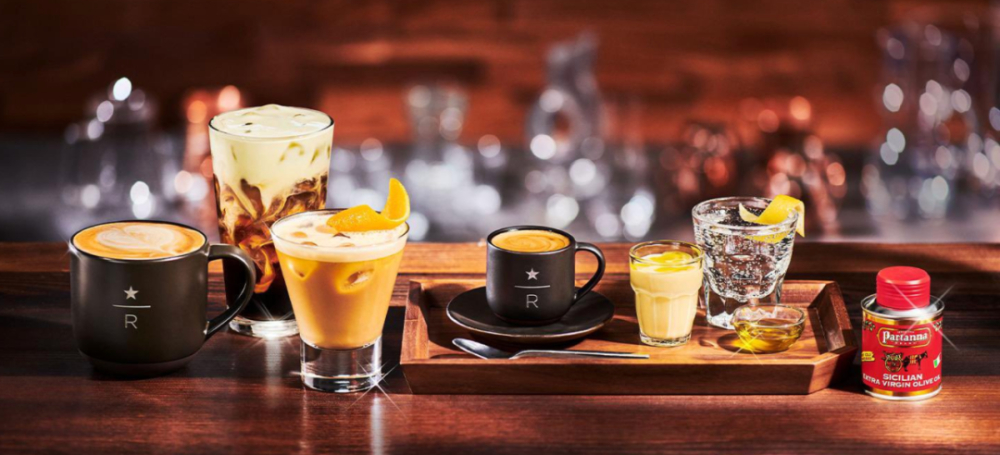
Among them, the olive oil ice-shaken espresso is made by adding a large amount of ice, olive oil, and hazelnut syrup and shaking them together, then pouring in an appropriate amount of plant milk before serving. Because the ice blocks the ingredients, the olive oil cannot fully blend with the espresso, resulting in oil being oil and coffee being coffee, with the syrup flavor also especially prominent. Although the layers are distinct, the overall balance is poor.
By comparison, the olive oil foam cold brew coffee is more acceptable. The olive oil is whipped into the foam of the cold brew coffee, and during production it can combine more fully with the cream, so it hardly feels greasy. Although the cold brew is relatively strong, the distinctive aroma of olive oil is still clearly recognizable.
The other hot drink, olive oil latte, is made by adding olive oil while steaming the milk foam, allowing the fat to emulsify better. After entering the mouth, the flavor of the olive oil is also much softer than in the cold drinks.

Apart from professional reviews, most netizens' comments still focused on it being too oily, Italians not liking this taste, and it being strange and jarring.
Some local consumers said bluntly in media interviews that drinking coffee this way is a strange idea. In her view, this product is far more appealing to foreigners than to Italians.
In response to Italian consumers' feedback over the past few days, Carlo Marchelli, deputy manager of the Starbucks Milan Roastery, explained that this idea aims to create "a kind of alchemy, a multi-sensory experience," combining two completely opposite Italian rituals: drinking a sip of olive oil before a meal to warm the stomach, and drinking a sip of coffee after a meal to aid digestion. Image source: Internet
The above content is compiled by CoffeeHunters, a coffee news website.


