







Does Thick Crema on an Arabica Coffee Bean Shot Mean Better Coffee?
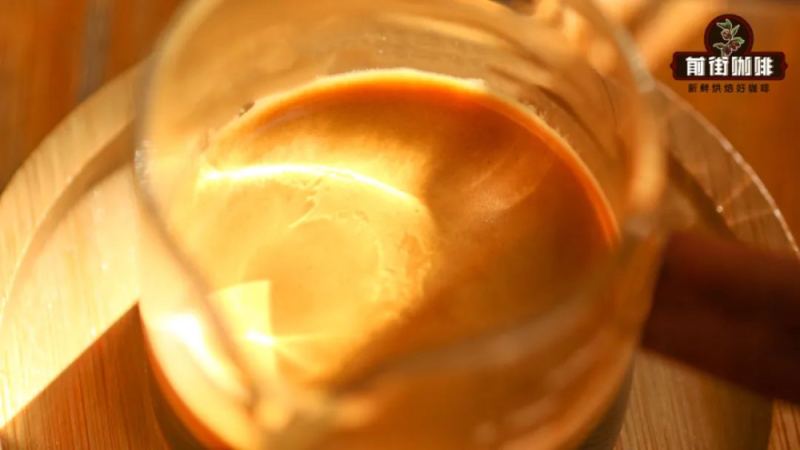
The golden layer on an espresso shot is Crema, not oil. The name comes from Spanish, where crema means cream, and it was adopted because the foam looks like lightly whipped cream. In China the layer became widely known as oil, an inaccurate term that stuck. Crema is a marker of espresso extraction, not a direct measure of cup quality.
Thickness depends on several factors: roast level, how fresh the beans are, and the coffee variety, including whether the blend leans on an arabica coffee bean. Darker, fresher roasts often release more gas and produce a heavier foam. A thin or thick layer alone does not prove flavour, so taste, origin and roast date remain the more reliable signals.
That golden foam on the surface of espresso—is it really Crema or oil? There's an interesting misunderstanding behind this name. Many people assume that the thicker the oil, the better the coffee tastes, but is that really true? This article starts with the origin of the name, walks you through the original meaning of Crema, and analyzes one by one the key factors that affect the thickness of the oil—roast level, bean freshness, and coffee variety. Front Street Coffee will use plain language to help you clarify the relationship between oil and espresso flavor, so you'll no longer be misled by the saying "thick oil = good coffee," and truly understand the role this layer of foam plays in coffee.
In the earlier article "Espresso's oil is so bitter—why does anyone like it?", Front Street once mentioned that the golden foam extracted by an espresso machine under high pressure is commonly called Crema or oil. Afterwards, readers left messages in the background asking: should this thing be called Crema, or oil?
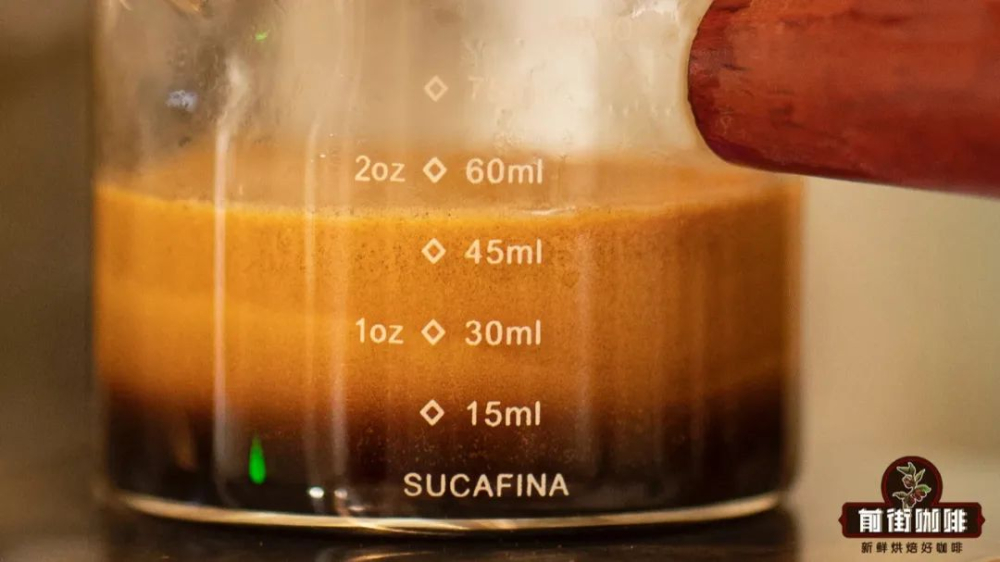
Let's first look at this overall cross-section of an espresso. A cup of espresso can roughly be divided into two parts: the dark coffee liquid at the bottom, and a layer of golden foam floating on top.
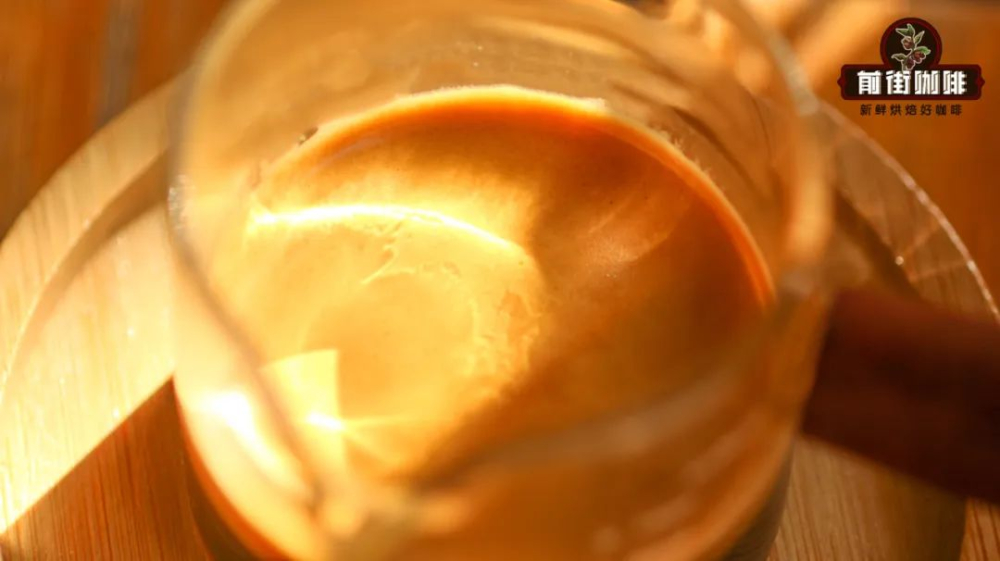
Tracing back to the source, when the espresso machine first came out, this layer of foam was precisely the key marker that set it apart from other coffee equipment. Only the powerful pressure provided by an espresso machine could force out espresso with golden foam. For this reason, people felt it necessary to give it a separate name to distinguish this kind of coffee from other categories.
When freshly extracted, this layer of foam is thick in texture and glossy on the surface, looking quite similar to cream that is about to finish whipping. So people at the time called it "Crema"—in Spanish, Crema means cream.
However, after this term was introduced into China, due to cultural differences, many people misunderstood it, thinking that Crema referred to oil with a creamy texture. And so, by mistake upon mistake, this layer of foam came to be called "oil" in China. Although the term "oil" is not accurate, it has long been widely accepted. To avoid confusing beginners about what Crema refers to, Front Street has also continued to use the term "oil."
So, is more oil always better?
In previous articles, Front Street explained that the presence of oil can give espresso a fuller aroma, a richer mouthfeel, and a longer aftertaste. Therefore, many friends naturally assume that the more oil a cup of coffee has, the better it must taste.
But the actual situation is not like that. The amount of oil cannot be used to judge whether an espresso tastes good or bad; it only plays a role of adding icing on the cake, such as making the layering a bit richer. The espresso itself has whatever flavor it has, and it will not change because the oil increases or decreases. After all, there are many ways to increase the oil, for example:
Increase the roast level: The roast degree of coffee beans directly affects the thickness of the oil. The darker the roast, the looser the internal structure of the beans, and the easier it is for carbon dioxide to be released during extraction, thus forming a richer oil.
Bean freshness: Carbon dioxide will continuously escape from the beans over time. So if you want a rich oil, you cannot use beans that have been sitting too long (more than two months from the roast date), because by then most of the carbon dioxide has already dissipated. An ideal choice is beans between the 5th day and 2 months after roasting; at this stage the carbon dioxide content is most abundant, and the amount of oil extracted is also the greatest.
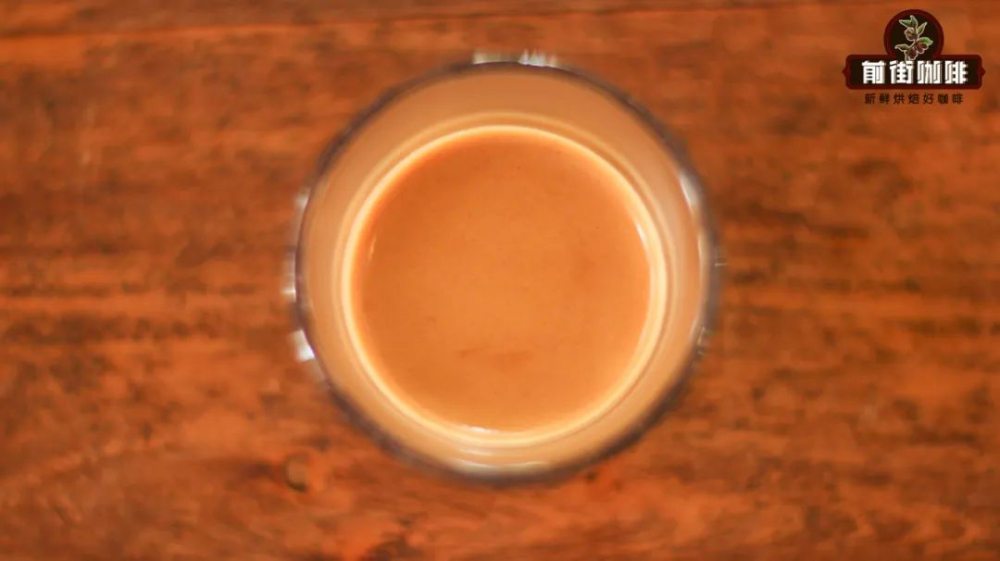
The reason freshly roasted beans are not recommended is that they have a counter-effect: too fresh, with too much gas, they can extract a lot of oil, but the foam will appear rough, dissipate extremely quickly, and taste dry like the period right after roasting.
Change the bean variety: Arabica is currently the mainstream variety used daily. If you don't care about flavor and only pursue the amount of oil, then you might as well switch to Robusta with the same roast level; it will bring a richer oil.
The main reason for this difference is the variation in lipid content among varieties. Arabica coffee beans have a lipid content of about 14%–18%, while Robusta is about 9%–12%.
Although on the surface Robusta has lower lipid content, in fact the more lipids there are, the more they hinder the formation of this layer of oil. So Robusta, with its lower lipid content, can extract a richer oil—as for the taste, well, you can imagine.
Front Street Coffee
No. 10, Bao'an Qian Street, Yandun Road, Dongshankou, Yuexiu District, Guangzhou, Guangdong Province

The above content is compiled by CoffeeHunters, a coffee news website.


