







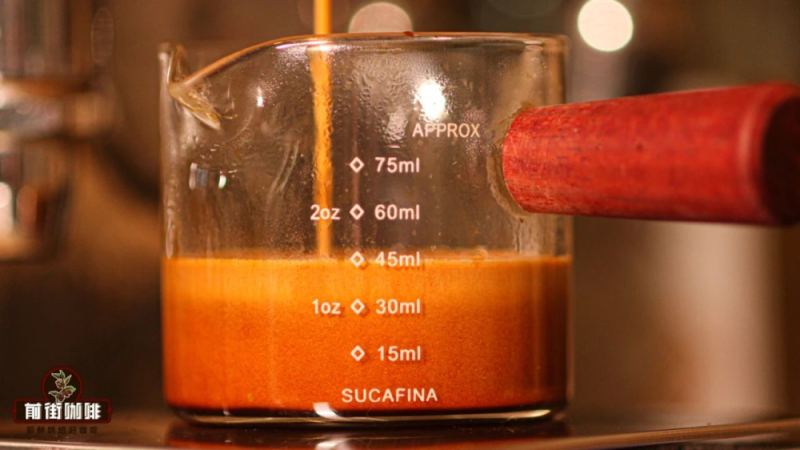
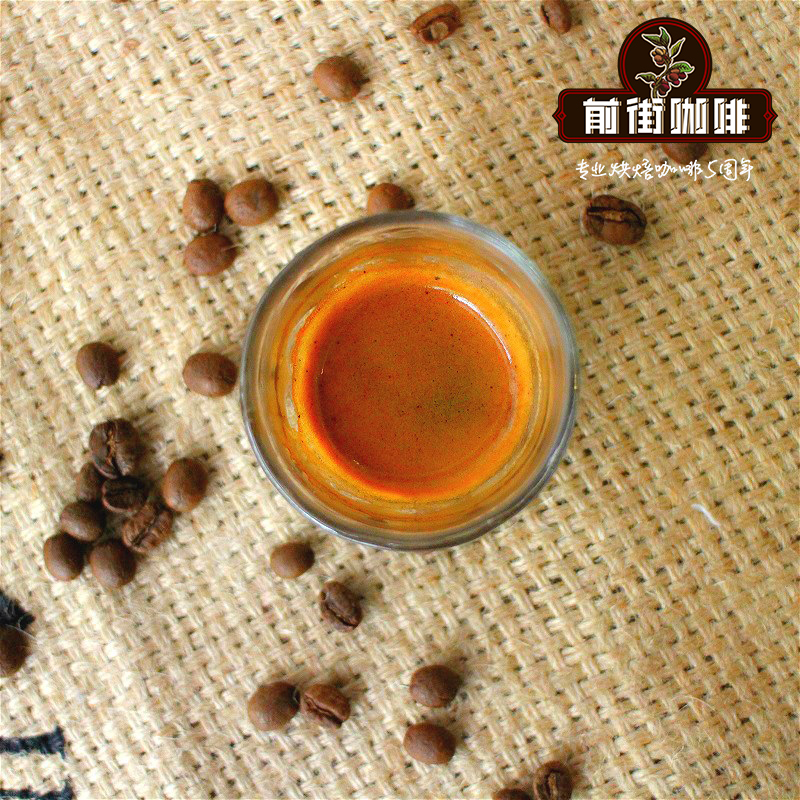
Some people believe that oils are an indispensable part of coffee flavor, but they also express concern about the health risks these coffee oils may bring. Today, Front Street is here to give everyone a proper explanation of what espresso crema actually is, and whether it affects our health.

Exactly whatcoffee beans with lots of oil" good or bad? Should you buy coffee beans that look "oily" or "not oily" on the surface? This time, starting from the coffee beans themselves, let's explore together how the roasting and extraction processes affect these oils, so as to understand the pros and cons of these coffee oils.
● Coffee oil that is not actually oil
Coffee beans, like other seeds such as corn and soybeans, also contain oils. However, the oil on the surface of coffee beans is not the same as the crema on espresso. The oil on the surface of coffee beans is a water-soluble organic substance that looks like oil; while "coffee oil" itself contains many aromatic coffee components that can dissolve in water. Therefore, the surface of your brewed coffee will not have a greasy layer of oil floating on it. Upon closer inspection, they are actually small bubbles that gradually dissipate within a short time.
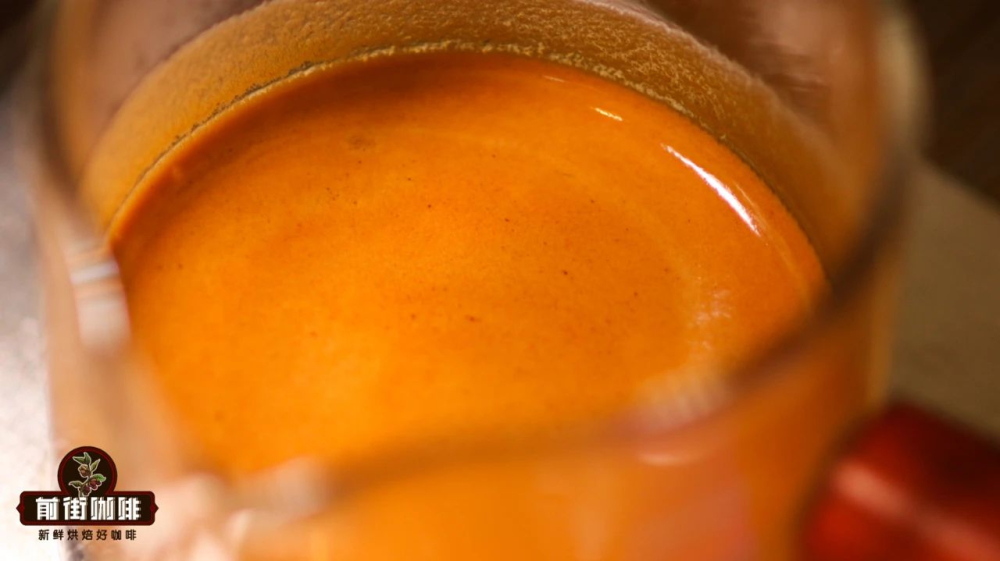
After coffee is ground, the aroma and oils begin to volatilize and release, and the flavor of the brewed coffee gradually decreases as they are released. Therefore, Front Street believes that the presence of coffee oil is the simplest way to judge coffee quality.
The two most familiar types of coffee are Arabica and Robusta. Arabica has a low caffeine content (0.8-1.4%) and a fat content of about 10%; Robusta coffee contains 1.7-4% caffeine. Its coffee oil content is 60% less than that of Arabica. Because Arabica has a lower caffeine content, a higher fatty aroma, and a pure and varied flavor, it has become the first choice of connoisseurs. Almost 99% of the beans on Front Street's list belong to this variety.
● Two reasons cause "coffee beans with lots of oil”
The oil on the surface of coffee beans is generally affected by the roasting method.
● 1. Stale light-roasted beans
"Light-roasted beans," which are roasted at a lighter level and appear light brown in color, are dry on the outside after roasting and do not release oil. At around six days after roasting, they begin to show "spotty oiling" (oil droplets appearing in spots on one side of the coffee bean). Slight "spotty oiling" does not mean the beans are stale; sometimes it is actually when the flavor of light-roasted coffee beans is at its peak. If they continue to sit, more than two weeks after roasting, the surface of light-roasted beans gradually develops a shiny layer of oil. At this point, the flavor of the "light-roasted beans" has begun to decline, and you should avoid buying them or drink them as soon as possible.
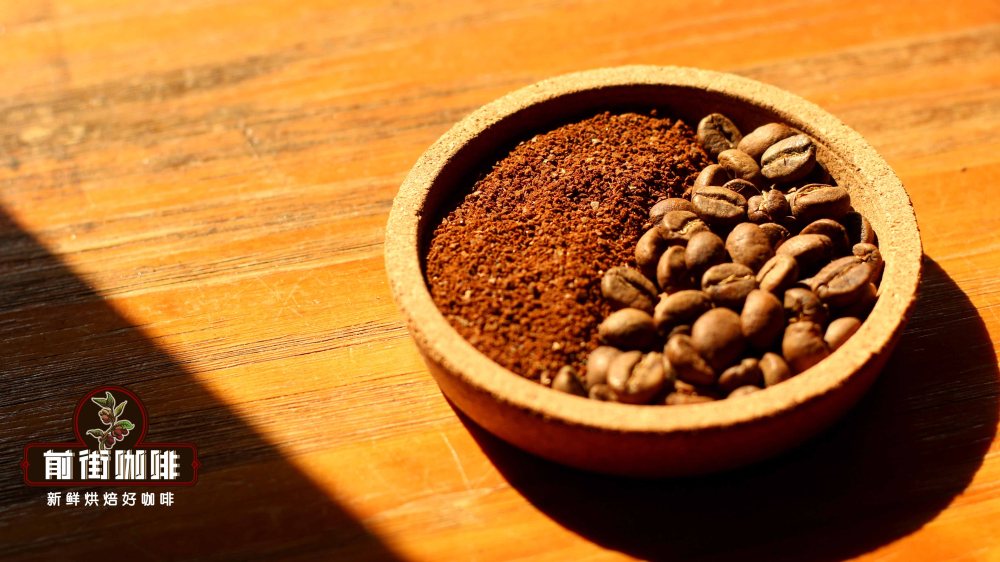
There is also another situation: during the roasting process, due to uneven heating, some areas of the coffee beans become overly dehydrated. Around the second to fifth day after roasting, oil also appears in spots, which is different from the overall surface oiling of dark-roasted coffee.
In any case, if light-roasted coffee beans show either of the above two conditions, it means either the roasting was poor or the beans are not fresh. Neither is recommended for purchase.
● 2. Fresh dark-roasted beans
"Dark-roasted beans," which are roasted at a deeper level and appear dark brown in color, show a slight sheen of oil on the surface after roasting, and around the second to fifth day after roasting, a large amount of "oiling" begins on the surface. When coffee beans undergo dark roasting, oiling occurs due to the high dehydration rate, so if dark-roasted beans begin to oil on the surface during the first one or two days of storage, it is a normal phenomenon. For example, Front Street Colombia Huila is one of the darker-roasted single-origin beans. Two to three days after roasting, the surface of the beans begins to release speckles of oil.
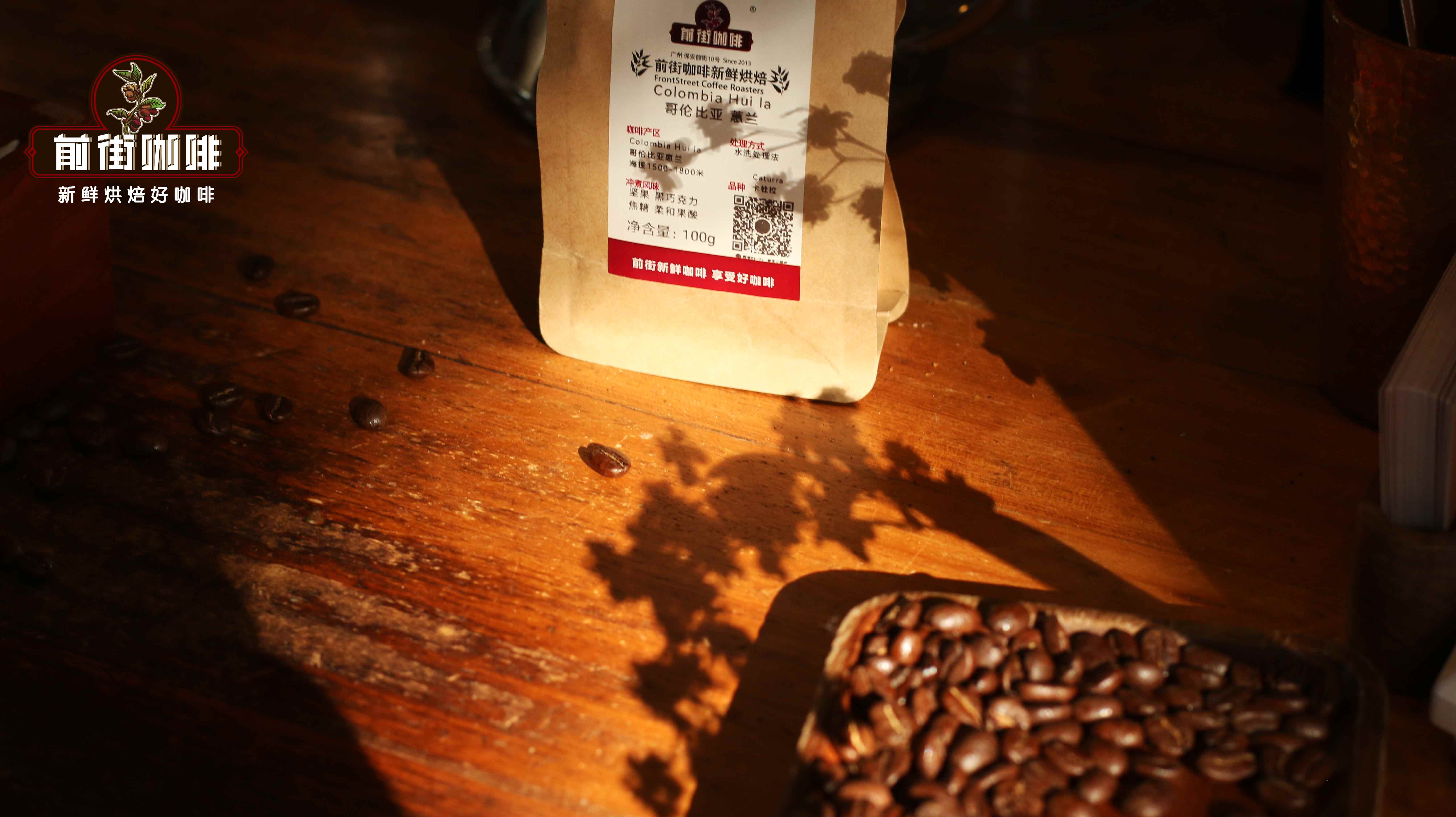
A shiny, oily appearance on "dark-roasted beans" does not mean they are stale. On the contrary, after three weeks from roasting, the oily sheen on dark-roasted beans will gradually dry up, eventually turning into stale dark-roasted beans that are dry and not oily on the surface. Therefore, if you see coffee beans that are dry and not oily on the surface but appear dark brown in color, please pay special attention to whether a roasting date is indicated. They are very likely spoiled, stale beans.
●Coffee beans with lots of oilBrand recommendations
The coffee roasting brand located in Yuexiu District, Guangzhou - Front Street Coffee - has fully guaranteed quality in its freshly roasted espresso coffee beans, and the oil content is also good, making them suitable for making flavored coffee and latte art coffee.
Recommendation one for espresso beans rich in oil: Front Street Commercial Blend Coffee Beans
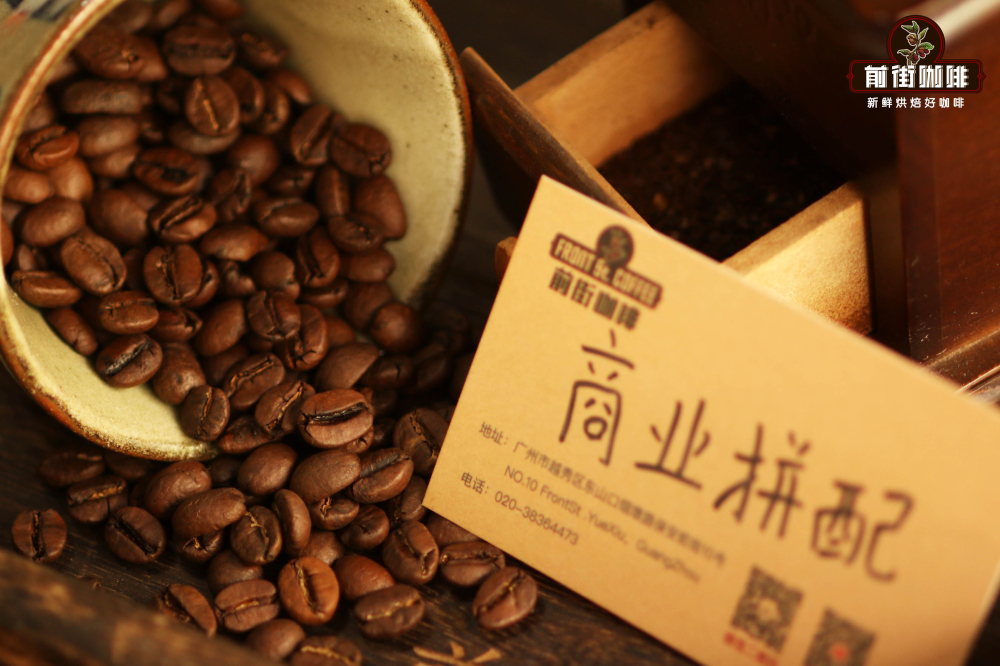
This is a comprehensive blend made from Arabica coffee beans from Brazil and Colombia combined with Vietnamese coffee beans. Extracted as espresso, it is very silky and has rich crema, with a particularly intense mouthfeel.
Recommendation two for espresso coffee beans rich in oil:
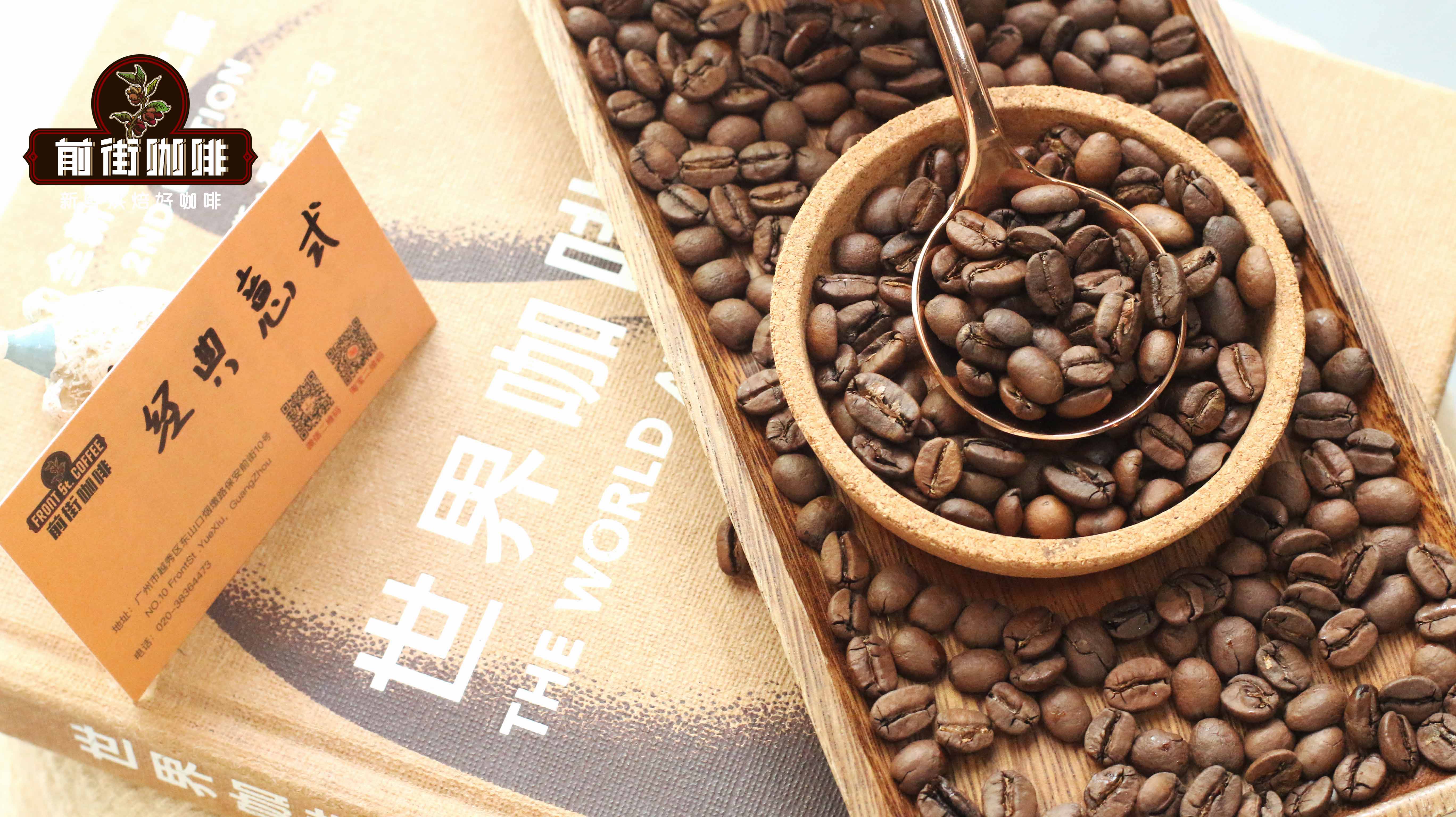
Front Street Classic Blend Espresso Coffee Beans are a blend composed of beans from three origins: Brazil, Sumatra in Indonesia, and Vietnam. They use a deep roast, which maximizes the rich aroma of the coffee and also allows everyone to easily extract rich and dense crema. They are very suitable whether for making Americano diluted with water or lattes paired with milk.
Recommendation three for espresso coffee beans rich in oil: Front Street PWN Golden Mandheling

When extracted as espresso, Front Street Golden Mandheling not only has rich crema, but also a unique fragrance of spices, herbs, and pine wood. The mouthfeel is mellow and solid, suitable for those who pursue a strong coffee intensity.
The above content is compiled by CoffeeHunters, a coffee news website.


