







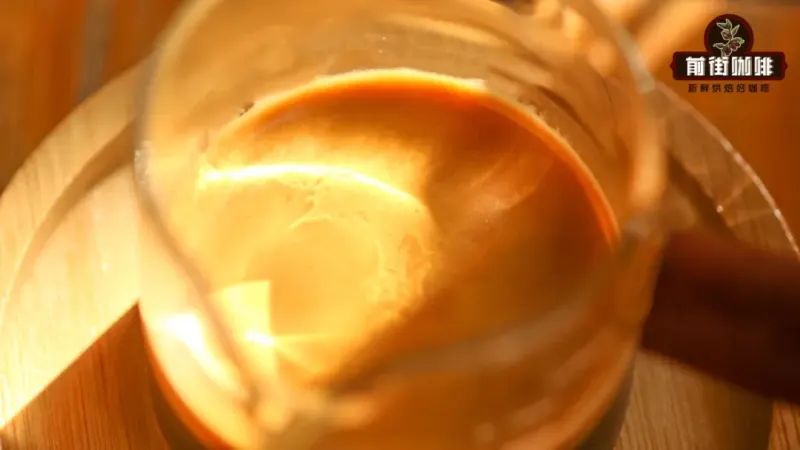
Can Coffee Brewing in a Pour-Over Keep the Oils?
Pour-over coffee can carry oils, but filter paper removes most of them. The crema on espresso is carbon dioxide trapped in oil, and the lipids in the beans themselves provide the rich mouthfeel and carry much of the coffee aroma. To keep more of them in a pour-over, the practical change is a device with weaker filtration.
Arabica beans hold roughly 20 percent oils and Robusta about 10 percent. Those oils sit inside the bean before roasting and migrate to the surface as the roast deepens, which is why darker beans look shiny. Because many aromatic compounds dissolve in oils, switching to a flannel cloth or non-woven filter paper lets more lipids reach the cup than standard paper does.
Can pour-over coffee have oils? The answer is yes, but it requires a different approach. The crema of espresso is essentially oil wrapping around carbon dioxide, and it is the lipids in the coffee beans themselves that truly give coffee its rich mouthfeel and aroma enhancement. Because pour-over uses filter paper with excessive filtration, it is nearly impossible to retain oils. To change this, you simply need to switch to a device with weaker filtration, such as a flannel cloth or non-woven filter paper, which Front Street explicitly recommends. This article will explain the mechanism of lipids and compare the pros and cons of different filters and adjustment points in detail, helping you achieve a richer mouthfeel in pour-over.

The answer is yes! But the problem is that without the help of pressure, pour-over coffee struggles to have a thick, delicate golden crema. So many friends give up on this idea right away. However, we need to understand that what gives espresso its richness is not the crema—crema is merely the appearance formed when carbon dioxide is trapped. What truly gives coffee its "attribute boost" is actually the lipids (oils) wrapping around the carbon dioxide! What are lipids As mentioned above, the crema of espresso is essentially the product of oils wrapping around carbon dioxide. And the oils come from the coffee beans themselves—they are the core of crema. You should know that oils not only provide richness but also make coffee aroma easier for people to perceive. After all, aside from fine particles, the taste of crema is mainly provided by the oils!
A coffee bean contains about 20% oils (Arabica; Robusta only has 10%). Before roasting, these oils hide within the bean. As roasting progresses and deepens, they slowly seep out to the bean surface at normal pressure and become visible to the naked eye (the darker the roast, the more oils seep out). Because many aromatic aliphatic carboxylic acids are soluble in oils, the presence of oils enhances the aroma and mouthfeel of coffee. Therefore, we can understand that even without the help of pressure, coffee can still benefit from the presence of oils. But we know that pour-over coffee comes out very clean, with almost no oils! So what should we do to get oils in pour-over coffee?

How can pour-over coffee get oils? I wonder if friends have tried other single-origin coffee brewing methods, like French press, AeroPress, siphon, etc. Black coffee made with these methods has a faint, thin layer of oil floating on the surface, which becomes more obvious when reflecting light or after condensation. The reason they differ from pour-over coffee is that the filtration performance of the filtering devices is different.
Pour-over coffee uses filter paper, whose filtration performance is extremely strong! Superfine particles and oils cannot cross this dense "wall," which is why pour-over coffee comes out so clean. The French press uses a metal mesh, whose holes are larger than those of pour-over filters, and the same applies to the cloth filter of the siphon and the airtightness of the AeroPress! So they can all make black coffee with oils, but pour-over with filter paper cannot, because filter paper's performance is too strong! Reading this, I believe many friends have already found the answer! If we want pour-over coffee to also have oils, we just need to replace the filter paper with a filtering device that has slightly weaker filtration performance~ In the field of pour-over coffee, the filters with such characteristics that Front Street recommends are: flannel cloth and non-woven filter paper. As long as you switch the pour-over filtering device to these, the coffee will have a richer mouthfeel!
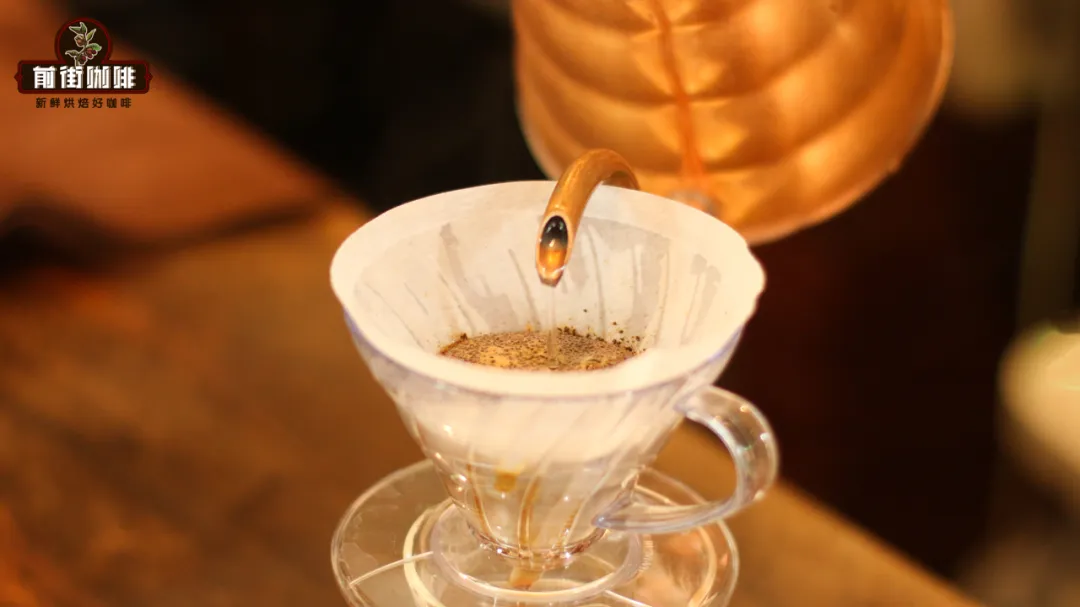
The pores/gaps of these two are larger than those of filter paper, so oils and some superfine particles can pass through, enhancing the coffee's mouthfeel. Flannel cloth is more visually appealing and more comfortable to brew with, but its downside is that cleaning is more troublesome and the price is higher. So if you don't want that hassle, you can choose non-woven filter paper. Compared to flannel, it is more affordable and more convenient~ Of course, it also has certain drawbacks, such as folding issues and fit with the dripper. But no matter which of the two filters you choose, they both require certain adjustments to the original brewing method to ensure that while the coffee gains the boost of oils, the extraction yield and concentration are also guaranteed. So friends can decide for themselves how to choose, and for details on flannel brewing and the use of non-woven filter paper, you can click the links below: "Flannel Cloth" and "Non-Woven Filter Paper." Front Street won't elaborate further here~
The above content is compiled by CoffeeHunters, a coffee news website.


