








Why Does Oil Appear on Coffee as It Cools?
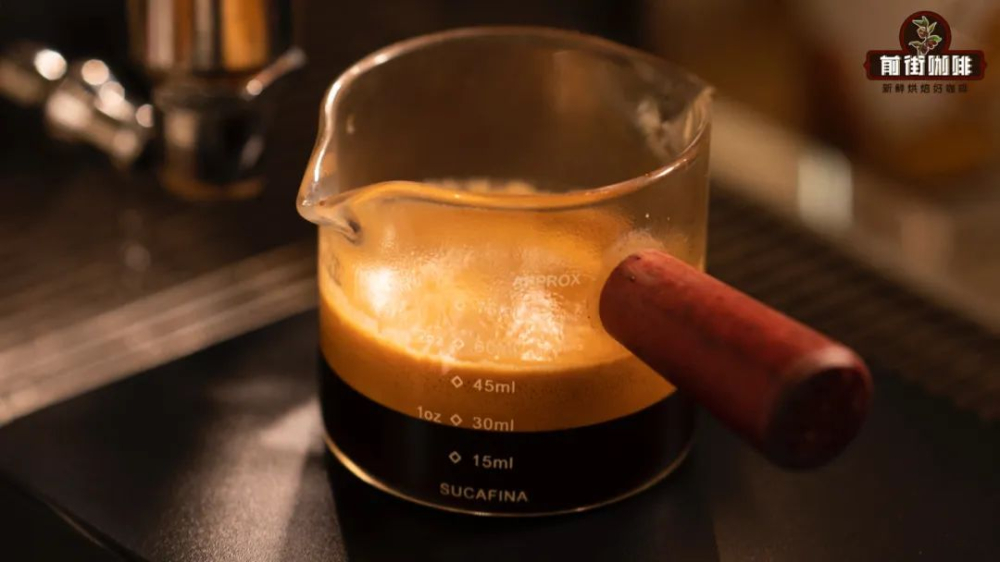
The sheen on cooled pour-over, cold brew, or siphon coffee is not spoilage or an outside impurity. It is oil that the coffee already contains, made visible by condensation as the drink drops in temperature. The same oils wrap around carbon dioxide to form crema on espresso, so the film is simply coffee's own oil rising into view.
How much oil reaches the surface depends on the filter. Paper filters trap most oily coffee beans compounds, so little shows up right after brewing, while metal and cloth filters let more through. The oils were always present in the bean; cooling only changes whether the eye can see them.
Many coffee enthusiasts, when tasting pour-over, cold brew, or siphon coffee, will notice a faint layer of "oil" appearing on the surface as the coffee cools. This is not a sign of spoilage, nor an external impurity, but rather an oil component that coffee itself contains—one that only becomes visible to the naked eye under specific conditions. To understand this phenomenon, we need to start with the composition of Crema, that golden foam atop espresso—it is formed by coffee bean oils wrapping around carbon dioxide. And the key driver that turns the oil from "invisible" to "visible" is condensation. This article explains the principle of condensation and how the performance differences of filtration devices affect the degree of oil seepage, helping readers understand this oily sheen that emerges after cooling.

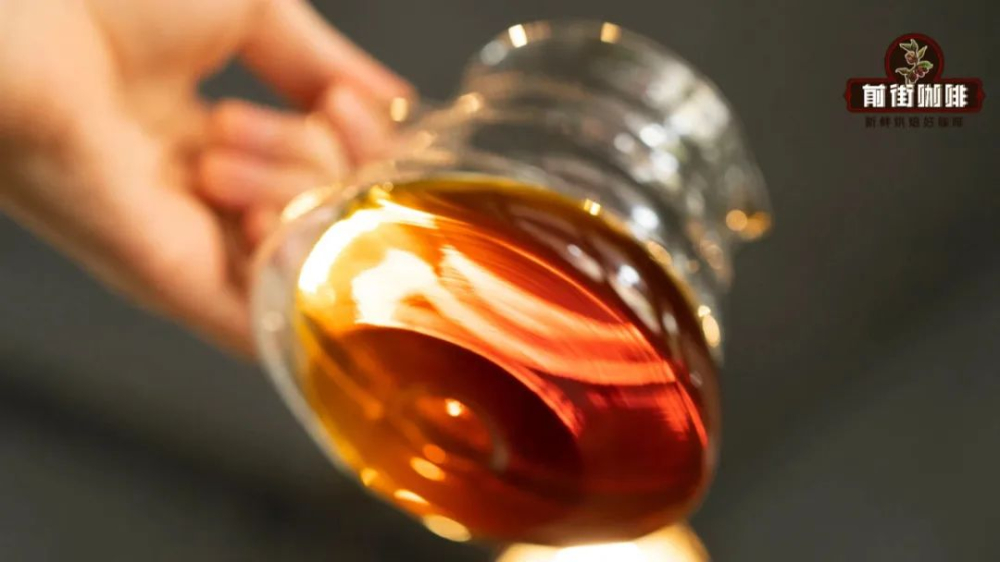
What exactly is that layer of "oil" that floats to the surface after coffee cools down?
Actually, it's not just pour-over—cold brew, siphon, and various other single-origin black coffees also develop a surface oily film after the temperature drops. When people hear the word "oil," most immediately think of the golden foam atop espresso—Crema. So, what exactly is Crema made of?
Crema is formed when the oils in coffee beans trap carbon dioxide within them. In other words, this layer of "oil" is neither an abnormal substance released after the coffee spoils, nor something that appears out of nowhere—it was always in the coffee, only its visibility has changed, shifting from initially unseen to seen. The key factor driving this transformation is "condensation." Front Street Trivia: "Condensation" refers to the phenomenon where gas or liquid condenses upon contact with low temperatures. For example, water vapor condenses into water when cooled, and water freezes into ice when cooled.
The degree to which oils become visible in coffee largely depends on the performance of the filtration devices used in different brewing methods.
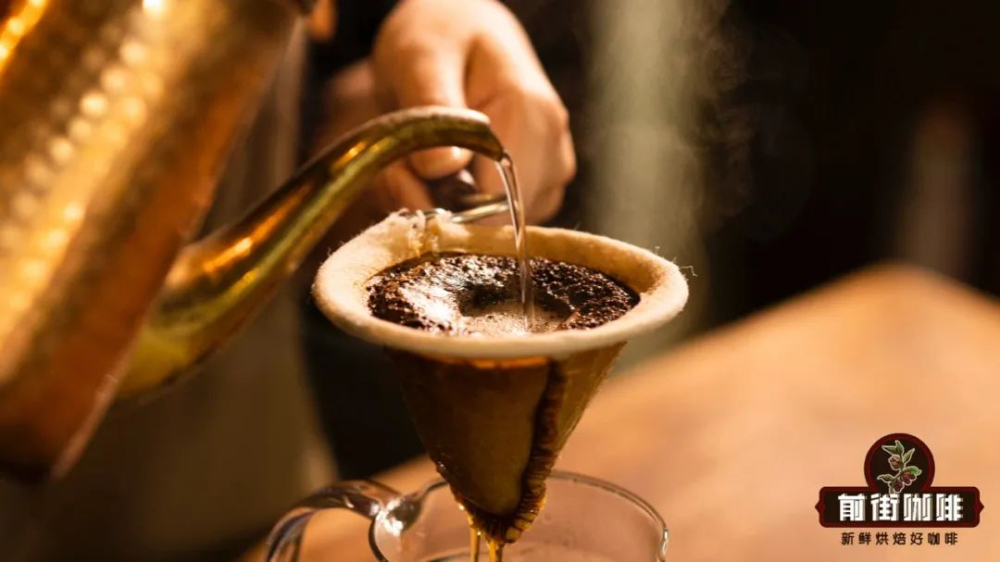
The stronger the filtration capability of the device, the less oil can pass through. Therefore, in extraction methods using highly effective filters like paper filters, the amount of oil that can pass through is naturally very limited. Right after brewing, you can't see any oily layer floating on the surface of the coffee at all.
Front Street Coffee (FrontStreet Coffee)
No. 10 Baoqian Street, Yandun Road, Dongshankou, Yuexiu District, Guangzhou, Guangdong Province

The above content is compiled by CoffeeHunters, a coffee news website.


