







Search Results for: lipids
How to Get Oils in Pour-Over Coffee? The Key Role of Coffee Bean Lipids and Filter Selection Explained
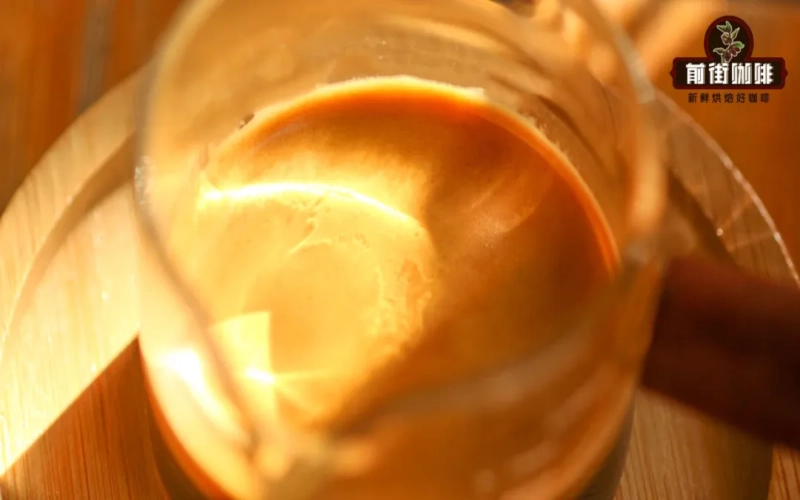
Can pour-over coffee have oils? The answer is yes, but it requires a different approach. The crema of espresso is essentially oil encapsulating carbon dioxide, and it is the lipids in the coffee beans themselves that truly give coffee its rich body and aromatic boost. Because pour-over uses a filter paper with excessively strong filtration, it is nearly impossible to retain oils. To change this, you simply need to switch to a device with slightly weaker filtration performance, such as a flannel cloth or non-woven filter paper, and Front Street has clear recommendations on this. This article will explain the mechanism by which lipids work and compare in detail the pros and cons of different filters and the key adjustment points, to help you achieve a richer mouthfeel in pour-over. [more…]
What Mesh Size Should You Choose for a Metal Pour-Over Coffee Filter? A Full Analysis of the Differences vs. Paper Filters and the 400-Mesh Micron Conversion
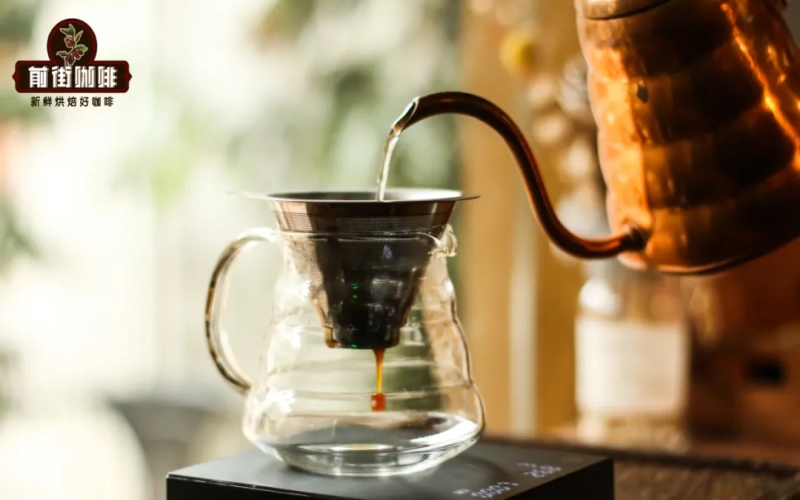
In coffee brewing, the choice of filter directly influences the flavor direction. Metal filters, with their unique pore size, retain coffee lipids and aromas while offering the advantages of being eco-friendly and cost-saving, but the issue of fine particles passing through cannot be ignored. In this article, Front Street will focus on a 400-mesh metal filter (corresponding to 38 microns), from analyzing its pros and cons to a practical brewing demonstration, explaining in detail how to maximize its strengths and avoid its weaknesses. Compared with paper filters, metal filters allow water to pass through faster, requiring adjustments to the pouring technique; when brewing Yirgacheffe Gudingding, the lipids brought a richer mouthfeel and a longer-lasting aftertaste. If you also want to try brewing with a metal filter, you might as well follow Front Street's steps to find out. [more…]
What Are the Considerations for Using a Paper Filter in an Espresso Basket? The Trade-Off Between Clarity and Body in Americano
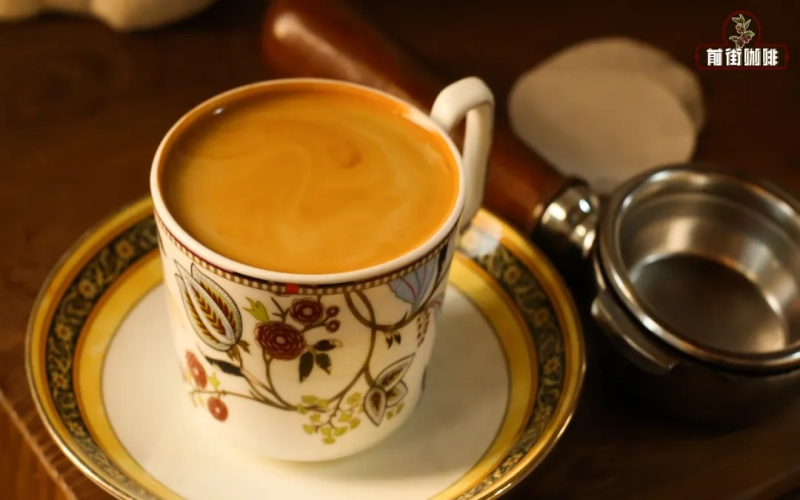
When making espresso-based Americano, some people are in the habit of placing a filter paper at the bottom of the portafilter basket—what changes does this actually bring? Starting from a comparative experiment at Front Street, this article analyzes the specific effects of filter paper on coffee cleanliness, aroma, body, and flavor layering. Filter paper can intercept the fine particles in espresso, making the Americano taste cleaner, but it may also weaken the aroma and solid mouthfeel brought by lipids. Through a comparison of two cups of Strawberry Candy Espresso Americano, the article demonstrates the significant difference between using and not using filter paper, and explains why other espresso drinks such as lattes usually do not adopt this practice. Ultimately, the choice depends on whether you want a clean, light Americano or a coffee with a solid, richly layered flavor. [more…]
What Does It Mean When Coffee Beans Have an Oily Surface? An Analysis of the Differences in Oil Release Between Dark and Light Roasts and Their Connection to Quality
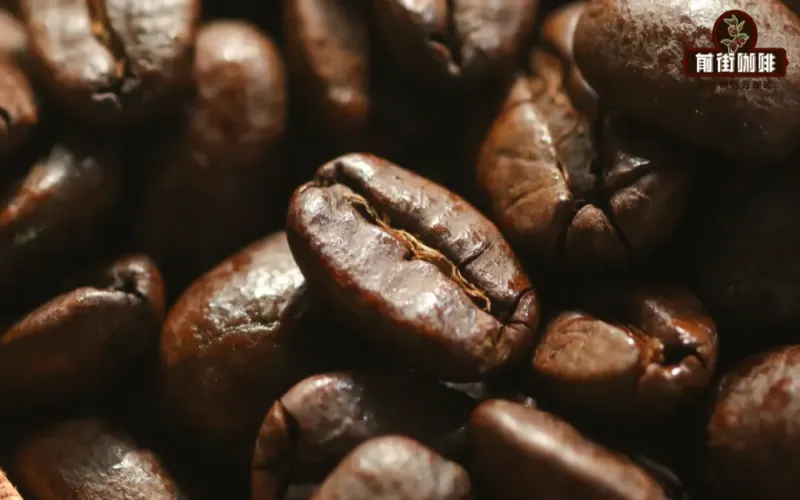
Coffee beans often develop an oily sheen on their surface. Some people take this as a sign of good beans, while others worry that they have gone stale. What is the truth? Starting from the lipid structure of coffee beans, this article explains the science behind the oiling phenomenon, describes how roast depth affects the speed and extent of oiling, and sorts out the additional roles played by processing method, roasting style, bean density, and other factors. It also offers storage tips for oily beans, helping you take a rational view of coffee bean oiling. [more…]

Is oil on coffee beans a sign of quality or a precursor to spoilage? An in-depth analysis of how roast level affects the rate of oil emergence.
Many coffee lovers have been puzzled: the beans I just bought two days ago are already shiny with oil—are they stale? Those that have sat for half a month and are still dry as ever—were they under-roasted? In fact, whether coffee beans produce oil has nothing to do with quality. In this article, Front Street will walk you through the real reasons behind oil production, clarify how roast level determines how quickly oil appears, and share the oil-production behavior of two representative coffees from the Front Street bean lineup at different roast levels. Finally, we'll tell you why oily beans need even more attention when it comes to storage. [more…]
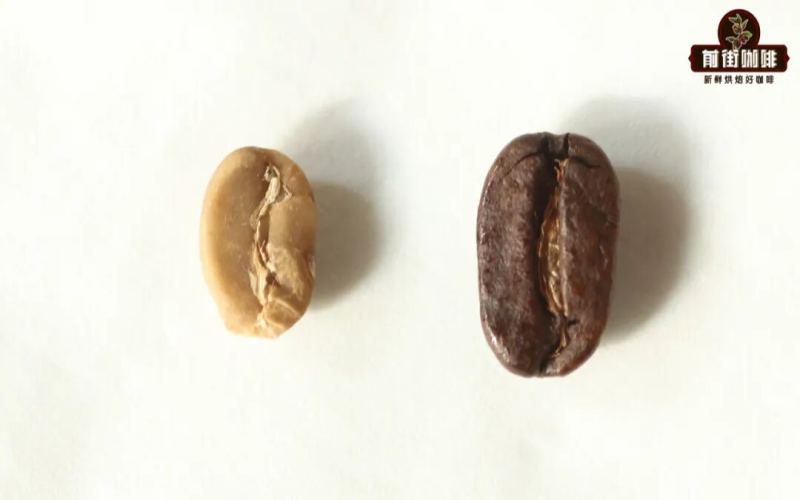
Coffee Bean Oil Release | What factors cause roasted coffee beans to become oily? Does coffee bean oil release mean poor coffee quality?
If you often buy beans and brew them at home, you've probably noticed that some coffee beans start to show oil on their surface after sitting for a while. Other beans, no matter how long they're stored, still look dry on the surface. This leads to a rather interesting phenomenon: some people believe that coffee beans [more…]
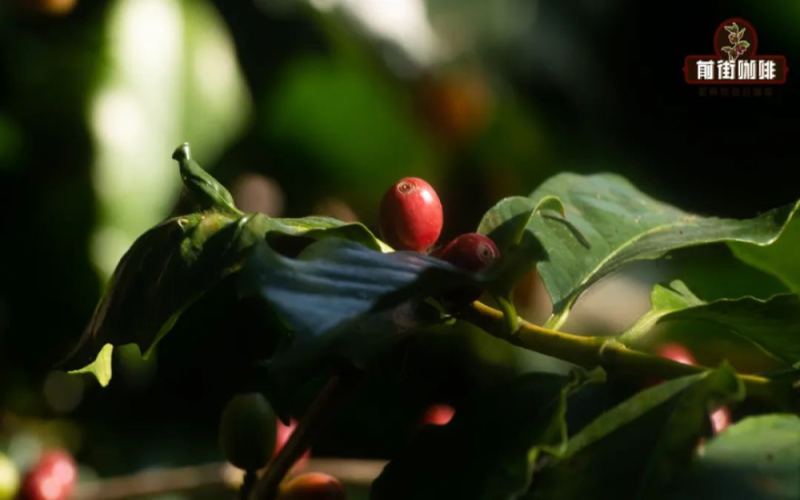
What Is the Relationship Between Coffee Cherries and Coffee Beans? A Detailed Explanation of Coffee Structure and Composition, and the Caffeine Content in a Single Bean
What exactly is the relationship between the coffee fruit and the coffee bean? A coffee cherry, from the outside in, consists of multiple parts including the exocarp, pulp, pectin layer, parchment, silver skin, bean core, and center line, with each layer playing a different role in coffee processing and flavor formation. The green coffee bean itself is composed of substances such as water, polysaccharides, lipids, proteins, sucrose, chlorogenic acid, other organic acids, amino acids, and caffeine, all of which directly affect coffee's mouthfeel, aroma, and the balance between bitterness and acidity. This article will dissect the structure of the coffee fruit layer by layer and systematically sort out the compositional substances of coffee beans, while also explaining the difference in caffeine content between Arabica and Robusta, helping coffee enthusiasts gain a more comprehensive understanding of the science behind the flavors in their cup. [more…]
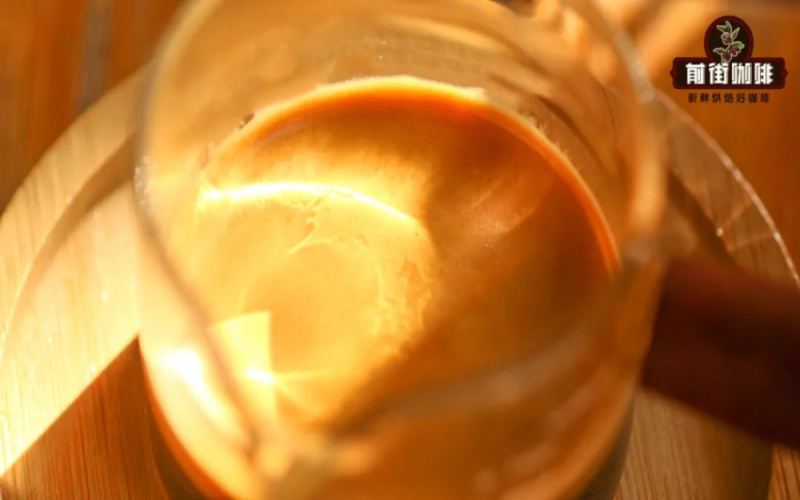
The Golden Foam of Espresso: Should It Be Called Crema or "Oil"? Can Thickness Determine Coffee Quality?
That golden foam on the surface of espresso—is it actually Crema or "oil"? There's an interesting misunderstanding behind this name. Many people believe that the thicker the oil, the better the coffee tastes, but is that really true? This article starts with the origin of the name, walks you through the original meaning of Crema, and analyzes one by one the key factors that affect the thickness of the oil—roast level, bean freshness, and coffee variety. Front Street Coffee will use plain language to help you clarify the relationship between oil and espresso flavor, so you'll no longer be misled by the saying "thick oil = good coffee," and truly understand the role this layer of foam plays in coffee. [more…]
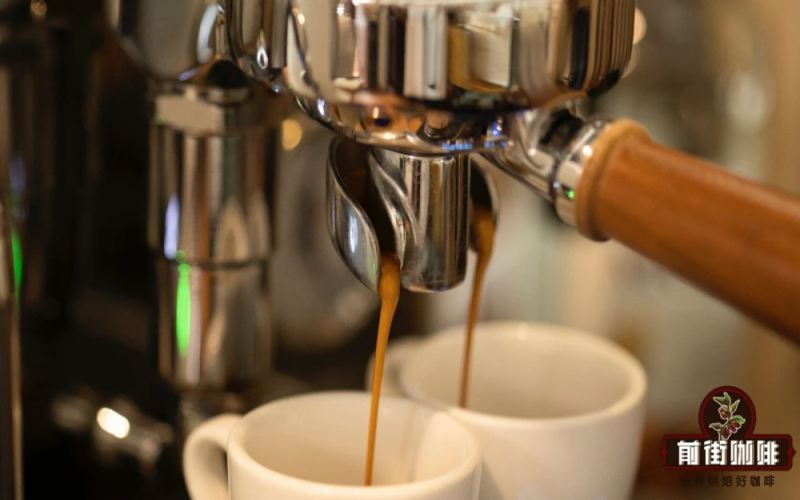
Espresso Crema Explained: Composition, Extraction Factors, and Troubleshooting Common Issues
The golden, dense layer of crema on the surface of espresso, known in Italian as crema, is the most recognizable visual feature of espresso and an important basis for many coffee enthusiasts to judge extraction quality. What substances actually make up this layer of crema? What conditions influence its thickness? Starting from the essence of coffee crema, this article systematically sorts out the effects of key variables such as coffee bean variety and roast level, extraction pressure, flow rate, and channeling on crema performance, and analyzes the reasons one by one for common situations where crema is missing or too thin during extraction. At the same time, combined with the characteristics of several commercial blend beans from Front Street Coffee, it provides selection suggestions suitable for different needs, helping readers understand the crema performance of espresso more comprehensively. [more…]
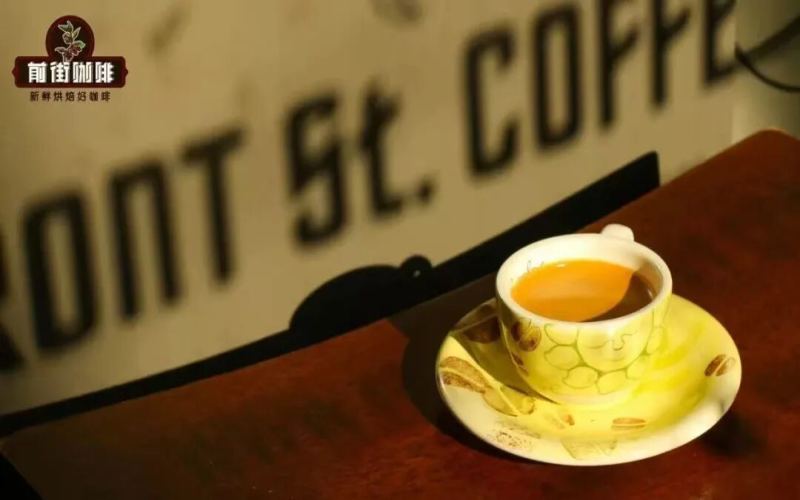
Espresso Crema | What Is Crema in Espresso? What Coffee Information Can the Crema on an Espresso Reveal?
As is well known, the coffee extracted from an espresso machine is not only very rich and intense, but also comes with a layer of golden crema. Because this layer of crema gives the coffee a rich aroma and a smooth, dense mouthfeel, and is also a product unique to espresso, people often call it the soul of espresso. But... [more…]
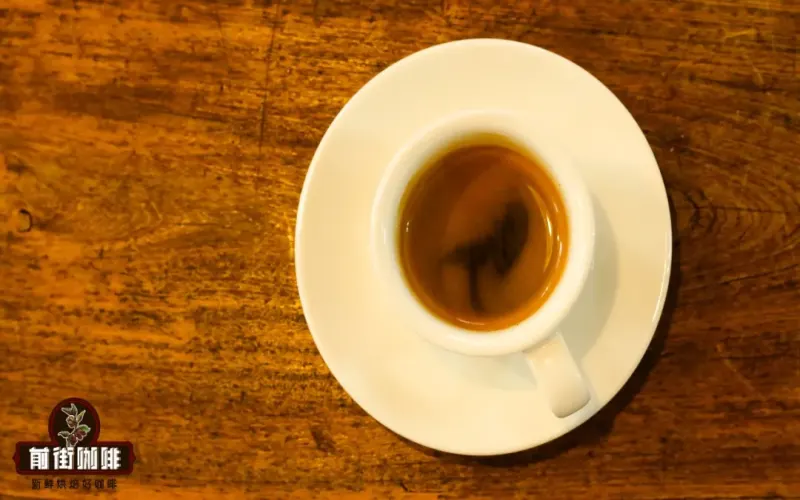
Why Moka Pots and Espresso Machines Produce Thin Crema: The Nature of Crema, Carbon Dioxide, and Pressure Explained
Many friends who use moka pots or espresso machines run into the problem of thin crema in their espresso. In fact, what we call "coffee oil" isn't real oil at all, but an emulsion-like foam called crema, formed when coffee lipids wrap around carbon dioxide bubbles. Two core factors affect how rich the crema is: the carbon dioxide content of the coffee beans themselves, and the pressure applied during extraction. Carbon dioxide content depends on roast level and freshness, while pressure is closely tied to dose and grind size. This article breaks down the reasons for thin crema one by one, explains why the amount of crema doesn't directly equate to coffee quality, and recommends Front Street Coffee beans suited to moka pots and espresso machines, helping you adjust your extraction approach accordingly. [more…]

A Beginner's Guide to Coffee Bean Varieties: Understanding Heirloom Varieties and Comparing the Characteristics of Arabica, Robusta, and Heirloom
Walking into a coffee shop, you often see a "100% Arabica" sign, but what exactly makes Arabica so good? And what are the essential differences between it and Robusta? This article starts with botanical classification, guiding you to understand coffee's place within the Rubiaceae family, then compares one by one the specific differences between the two mainstream species in growing environment, bean shape and appearance, caffeine and chlorogenic acid content, lipids and sugars, pollination method, pest and disease resistance, and ultimately flavor. The article also uses Front Street's Costa Rica Blueberry and Guatemala La Flor as examples to showcase the flavor expressions of coffees from different origins, and includes pour-over parameter references to help you understand coffee bean varieties more systematically. [more…]
What Are the Differences Between Arabica and Robusta? A Comprehensive Comparison from Botanical Characteristics to Flavor in the Cup
Coffee belongs to the Rubiaceae family, but the two varieties we actually drink in daily life are mainly Arabica and Robusta. Have you ever noticed that coffee shops often advertise "100% Arabica"—what exactly does that mean? The two differ significantly in growing conditions, bean shape and appearance, caffeine content, lipids and sugars, pollination method, and resistance to pests and diseases, ultimately producing completely different flavors in the cup. This article will systematically sort out the characteristics of Arabica and Robusta, and use specific beans such as Front Street Coffee Costa Rica Blueberry and Guatemala Flower of God as examples to demonstrate pour-over parameters and flavor performance, helping coffee lovers more clearly understand the influence of variety and origin on taste. [more…]
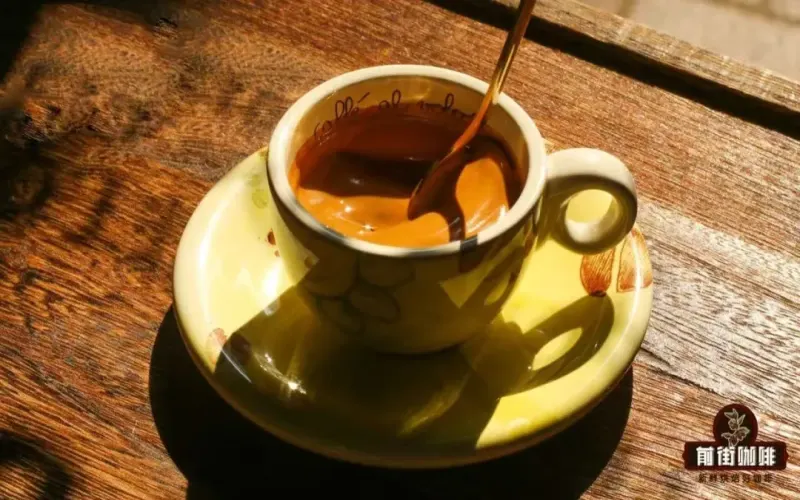
The Secrets Behind Espresso Crema Thickness: Judging Coffee Bean Freshness and Extraction Timing from Crema Condition
The layer of golden-brown crema on the surface of an espresso is not just a visual pleasure—it actually carries important clues about the state of the coffee beans. Many friends who own espresso machines will notice that the crema extracted each time is sometimes thick and rough, and sometimes fine and thin. These differences are not accidental, but an external manifestation of changes in the carbon dioxide content inside the coffee beans. From the perspective of Front Street, this article guides everyone to understand the essential composition of crema, and to learn to judge whether the coffee beans are in their optimal flavor period by observing the thickness, fineness, and stability of the crema, so as to adjust the extraction plan in time and let every cup of espresso perform at its proper level. [more…]

Is the Crema of espresso actually oil? Unraveling the mystery of real and fake coffee crema and its essential causes
The layer of golden, dense foam on the surface of espresso is often called "crema" and hailed as the soul of espresso. But have you ever considered that this layer of "crema" is not actually real oil? Recently, Front Street Coffee came across online discussions about "real vs. fake crema," which sparked curiosity among many coffee enthusiasts. This article will start from the essential composition of crema, explain why it is mistranslated as oil, analyze how pressurized extraction and coffee bean characteristics together create this emulsified foam, and further clarify the difference between "real oil" and "fake oil." Whether you are a beginner just starting out or a seasoned connoisseur wanting to understand the principles of espresso more deeply, you will find clear answers here. [more…]
Comprehensive Comparison of Arabica and Robusta: An Analysis of Caffeine Content, Growing Conditions, and Flavor Differences
In the world of coffee, Arabica and Robusta each have their own followers. The former is often seen as synonymous with specialty coffee, while the latter, with its strong body and rich crema, plays an important role in espresso blends. But is Arabica really superior to Robusta across the board? This article will compare the two across eight dimensions: caffeine content, lipids and sugars, price, uses, bean shape, plant height, chlorogenic acid content, and growing regions, while also detailing their respective growing environment requirements and global production distribution, to help you more fully understand the essential differences between these two coffees. Whether you are an Arabica lover who prefers soft fruity acidity, or a Robusta devotee who loves intense richness, you will find valuable reference here. [more…]

20-Year-Old Man's Blood Turns Milky White: Long-Term Replacement of Water with Milk Tea Drinks Triggers Health Warning
Recently, a 20-year-old man in Shandong who had long used drinks such as milk tea and cola instead of plain water to quench his thirst had a blood sample that unexpectedly showed a milky white, separated state, and he was diagnosed with lipemic blood. Doctors pointed out that milk tea is a high-calorie drink, and long-term excessive intake can lead to elevated blood lipids, increased blood viscosity, and even trigger blood vessel blockage and cardiovascular disease. What is worrying is that similar cases are not isolated among young people, and reports keep appearing on social platforms of young people facing health crises because of their addiction to milk tea. This sounds a warning bell for all milk tea lovers: it is urgent to reasonably control the intake of high-sugar, high-fat drinks and cultivate healthy eating and exercise habits. [more…]
The Origins of Flannel Pour-Over Technique and Jamaican Blue Mountain Coffee, and Brewing Parameters
The flannel drip brewing method, with its unique oiliness and relatively fast filtration speed, has become a favored technique among coffee enthusiasts. It shares the same principle as paper filter drip brewing, but because the material has larger pores, it can retain more lipids, bringing a distinctive rich and mellow experience. At the same time, Jamaican Blue Mountain, hailed as a legend in the coffee world, has always occupied a high position in specialty coffee thanks to its long history, unique origin environment, and strict grading. As a representative among them, Front Street Blue Mountain Coffee has become the entry choice for many people. This article will systematically sort out the key operating points and maintenance methods of flannel pour-over, trace the origin and growing conditions of Blue Mountain coffee, and include the specific brewing parameters and techniques for Front Street Blue Mountain, helping you brew a cup of Blue Mountain coffee with outstanding flavor at home. [more…]
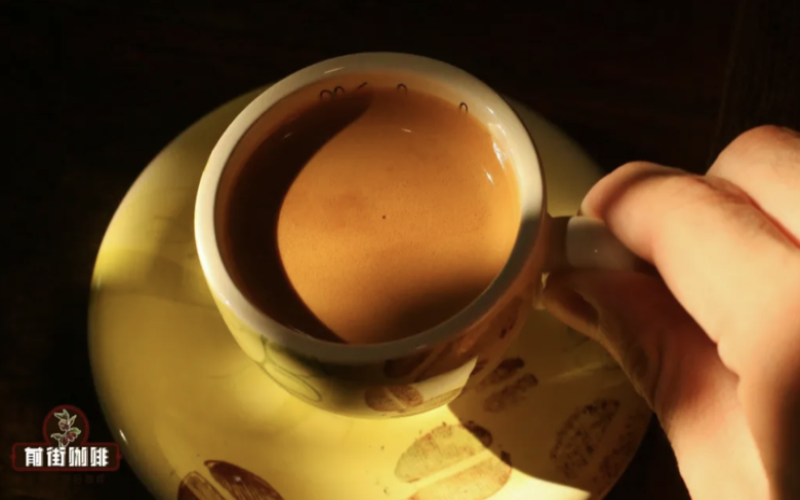
Rich or Clear: The Balance Point of Coffee's Oily Flavor
Those who chase crema often reach a fork in the road: the thicker the crema, the richer the flavor, but the delicate floral and fruity notes tend to blur along with it. Richness and clarity are like the two ends of a seesaw—finding your own balance point is more worth pondering than simply piling on more crema. The essence of crema is carbon dioxide, lipids, and proteins. [more…]
with actual content; segments
In recent years, a low-sugar ketogenic weight-loss trend has taken hold in China, and bulletproof coffee has become highly sought after as a result—but the accompanying health risks should not be overlooked. Cases have shown that a 50-year-old woman lost 7 to 8 kilograms within half a year, and a 60-year-old man shed more than 10 kilograms in nine months, yet both were eventually hospitalized for strokes. Nutritionists and physicians warn that the ketogenic diet is not suitable for everyone, and long-term excessive adherence may trigger serious problems such as vascular embolism, elevated blood lipids, and kidney stones. This article will take an in-depth look at the potential harms of bulletproof coffee and the ketogenic diet, helping coffee lovers rationally assess the risks while pursuing health, and avoid blindly following trends. [more…]