








How do coffee oils relate to the arabica definition?
Espresso shows a golden crema because 9 bar of pressure emulsifies oils that wrap around carbon dioxide and float to the surface. Pour-over has no such pressure, and a paper filter blocks most oils, so little visible oil remains. Those oils are not gone entirely; what stays behind shows up mainly as mouthfeel when drinking rather than as a surface layer.
Bean variety also shapes oil content, which matters for the arabica definition and its comparison to what is robusta. Robusta generally holds more oil than Arabica, so adding a small amount of Robusta to an Arabica blend gives a fuller body and richer golden oils. Filter choice matters too: paper intercepts oils, while metal and cloth filters let more through.
Many people think that pour-over coffee has no oils, but in fact they are not completely absent—they are just mostly blocked by the paper filter, and what remains exists in the form of mouthfeel. This article starts with the definition of coffee oils, explains why espresso can surface a golden layer of crema, and analyzes how bean variety and roast level affect the amount of oils. It then focuses on the pour-over scenario, explaining how paper filters intercept oils, the respective pros and cons of metal filters and cloth filters, and how to choose if you want to retain the oils. The article retains Front Street Coffee's various bean lists and blending suggestions to help enthusiasts choose as needed.
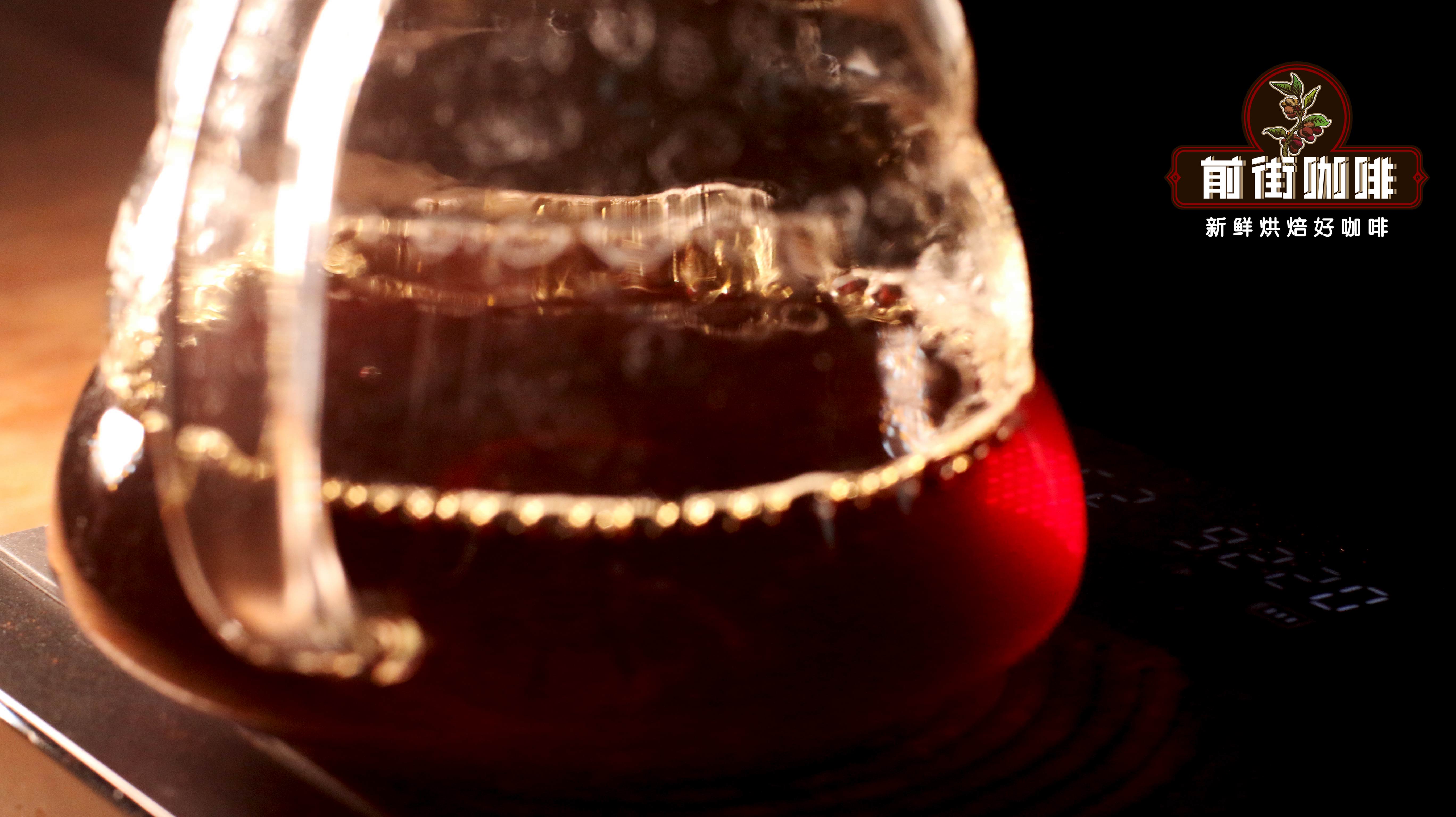
"Why does pour-over coffee have no oils—is it because the beans aren't fresh?" Front Street Coffee recently noticed a discussion like this. Strictly speaking, pour-over coffee doesn't really remove the oils completely; they're just not very visible and more often show up in the tactile sensation when drinking.
What are coffee oils?
When coffee oils are mentioned, most people probably picture the golden foam on the surface of an espresso. But when it comes to drip or immersion brewing, that golden layer is almost nowhere to be seen. The reason starts with pressure extraction.
During roasting, coffee beans accumulate a large amount of carbon dioxide internally, and after grinding these gases escape rapidly. Espresso uses high pressure to force out flavor in a short time; in a relatively sealed environment at 9 bar, carbon dioxide and water are in a supersaturated state. At the same time, the oils in the coffee are emulsified, wrapping around the carbon dioxide and coffee liquid and being carried out together. Since oils are less dense than water, the liquid gradually separates after extraction, and the golden oils float to the surface, creating a visually striking effect.
Factors affecting coffee oils
The amount of oils first depends on the coffee bean variety. Robusta typically has a higher oil content than Arabica, which is also why Front Street Coffee's espresso blend beans can show noticeably richer oils as long as a small amount of Robusta is added.
Front Street Classic Blend and Front Street Commercial Blend are made by adding a small portion of Robusta to the original Arabica recipe, which not only gives a fuller body but also produces delicate golden oils.
Second, it is tied to the degree of roasting. The darker the roast, the more carbon dioxide is produced; when beans enter a deep roast, the degree of dehydration is high, and oil may also appear on the surface. This also explains why when using light-roasted beans to make SOE single-origin espresso, no matter how you extract it, the oils always look rather thin.
If you care more about oil performance, you can look at Front Street PWN Golden Mandheling, Front Street Queen's Estate, Front Street Blue Mountain No. 1, Front Street Brazil Semi-Washed, and Front Street Colombia Washed. They spend longer exposed to heat and can release more gas when they meet water, which is then wrapped by soluble substances to form the coffee oils we want.

Why can't you see coffee oils in pour-over coffee?
The key lies in the coffee paper filter. Paper filters are made of interwoven and stacked pulp fibers; the thicker they feel, the slower the filtration speed and the stronger their interception effect on coffee grounds and coffee oils. But thicker is not always better—an overly thick paper filter will slow filtration and prolong the contact time between grounds and water, making over-extraction easy.
A paper filter of moderate thickness can block fine grounds while also intercepting more than 80% of the coffee oils. The small amount of oils that "make it through" forms an extremely thin layer that is hard to detect with the naked eye. But the oils do exist and can be perceived through the tactile sensation in the mouth. What Front Street Coffee often calls creaminess and smoothness is the manifestation of coffee oils in the mouth.
How can you brew pour-over coffee with oils?
If you want to retain the oils in pour-over, you have to remove the paper filter. ("If you remove the paper filter, how do you filter out the coffee grounds?") Front Street Coffee has already heard everyone's concerns. Besides paper filters, the tools that can filter out coffee grounds also include pour-over metal filters and pour-over cloth filters.
From a structural point of view, metal filters can retain most of the oils, but fine grounds can also easily pass through the filter holes, resulting in a cup that isn't clean enough. Cloth filters can effectively block fine grounds and retain some oils, but they are quite troublesome to clean—because they are coated with oils, they must be rinsed repeatedly and carefully after every use to ensure there is no residue, otherwise it will affect the taste of the next brew.
The above content is compiled by CoffeeHunters, a coffee news website.


