







Search Results for: Coffee Tamping Techniques
A Complete Guide to Espresso Distribution and Tamping Techniques: Causes of Channeling and the Path to Even Extraction
To make a proper espresso, tamping and distributing the grounds is an unavoidable key step. Tamp too hard, and water struggles to penetrate the puck, so a thirty-milliliter shot may take forever to finish dripping, and the flavor will naturally be disappointing; tamp too loose, and the high-pressure hot water will wash away the layer of grounds, leaving small perforations and causing uneven extraction just the same. This article explains the difference between light and heavy tamping, the technique and key points of the rotating tamp, and the principles behind how channeling occurs, helping coffee enthusiasts understand how to make the puck density consistent and the surface level, so that hot water passes through evenly and fully extracts the aromatic compounds. The article also specifically draws on the practical experience of Front Street Coffee to provide beginners with actionable tamping advice. [more…]
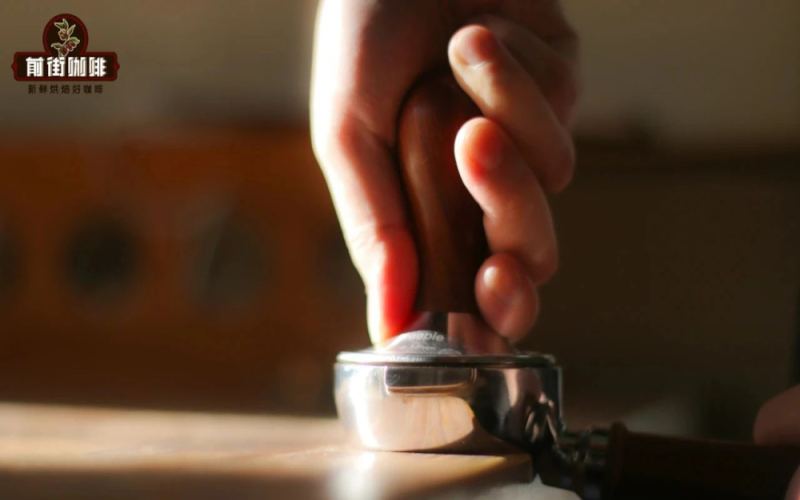
Espresso Tamping Techniques Explained: Pressure Control, Distribution vs. Tamping, and Impact on Extraction Stability
In the process of making espresso, tamping is one of the key steps that determines the success or failure of extraction. Tamping too lightly will cause the flow rate to be too fast and the flavor to be weak; tamping too heavily may make the coffee bitter and hard to swallow. In this article, Front Street Coffee will systematically explain the true purpose of tamping, the difference between distribution and tamping, the correct way to use a tamper, and the actual impact of tamping force on the extraction result. Through comparative experiments, we will guide you to understand the significant differences in flow rate and flavor between espresso extracted without tamping and with tamping, helping coffee lovers master more stable and more professional barista techniques. [more…]
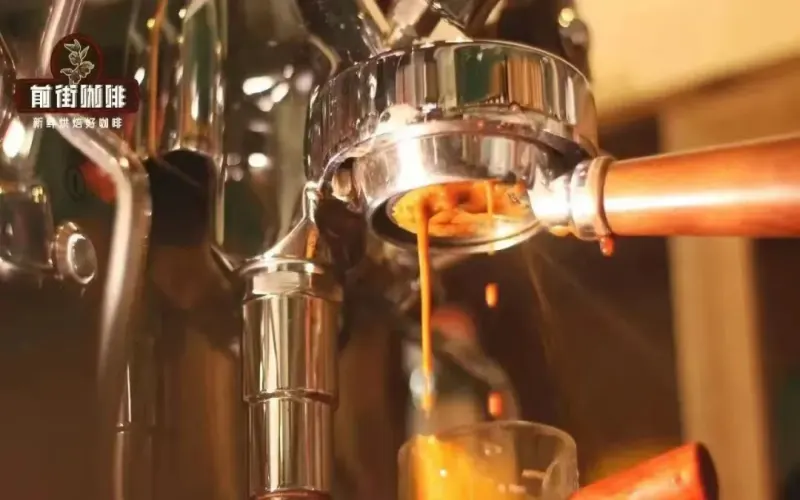
Espresso Coffee Distribution and Tamping Techniques Explained: How Much Tamping Pressure Is Right? Sharing Even Distribution and Tamping Methods
In the process of making espresso, distributing and tamping the coffee grounds are key steps to ensuring extraction stability. Many beginners often wonder: how much force is actually needed to tamp the coffee grounds? Does the amount of force really affect extraction time? In this article, Front Street Coffee will combine experimental data to deeply analyze the actual impact of tamping force on extraction, and share a practical set of techniques for even distribution and proper tamping to help you reduce channeling and make every cup of espresso extract more evenly and stably. Whether you are a beginner or an advanced enthusiast, you can find key points to improve your skills. [more…]
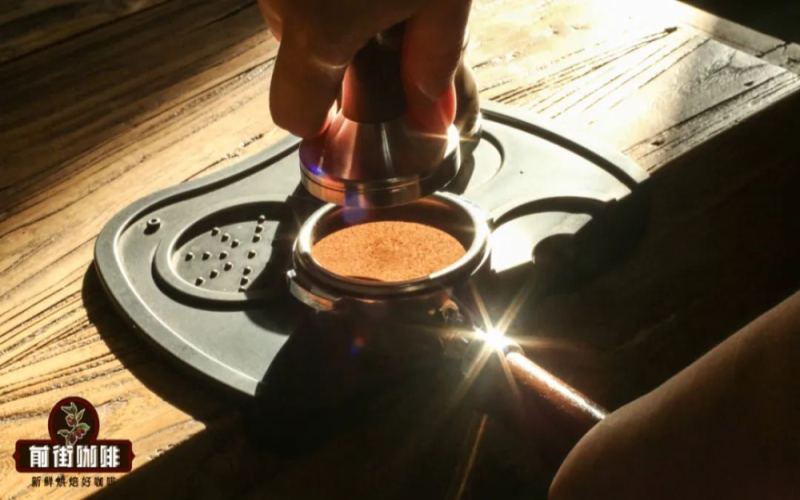
A Detailed Guide to Espresso Tamping Techniques: How Much Force Should a Barista Use When Tamping?
In the process of making espresso, the tamping step is often overlooked by beginners, yet it directly affects whether extraction is even and whether flavor is balanced. In the article "The Importance of Distribution and Tamping," Front Street once pointed out that both the distribution of coffee grounds in the portafilter basket and the consistency of force applied during tamping can impact the final espresso output. However, that article did not specify how much force should be used for tamping, leading many readers to repeatedly ask Front Street in the comments: exactly how much force is needed for tamping? This article will center on this core question, starting from the basic principles of distribution and tamping, and combining them with baristas' practical experience to analyze in detail the reasonable range of tamping force and the criteria for judging it, helping coffee enthusiasts master a stable and consistent tamping technique, thereby improving the extraction quality of espresso. [more…]
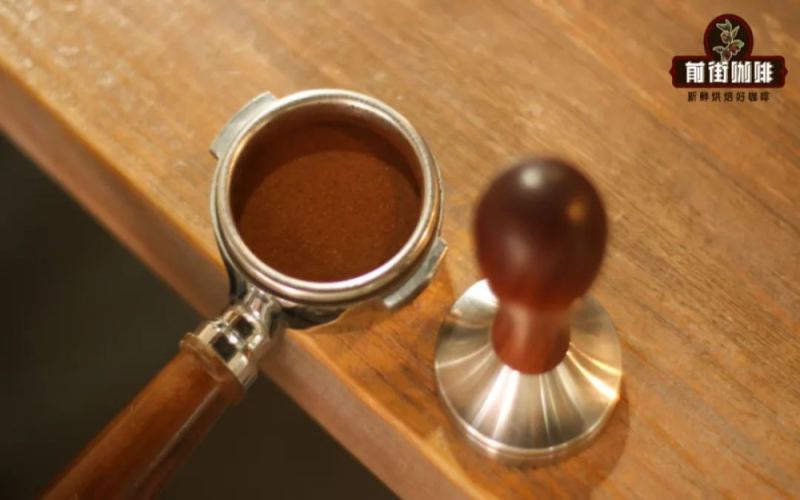
How to Choose the Tamping Pressure for an Espresso Tamper? Experimental Analysis Comparing Distribution Techniques for Fine vs. Coarse Grinds
Tamping is a seemingly simple yet highly debated step in espresso extraction. Some people give the tamper a gentle twist, just enough to level the bed, while others put their whole body into it, determined to compress the puck to the extreme. So how much force should actually be used? Do different grind sizes call for different tamping strategies? Front Street Coffee ran two sets of comparison experiments using coarse and fine grounds, tamping with a normal force of 1.5 kg and a full-force press of about 9 kg respectively, and recorded the difference in the time needed to extract 40 ml. The results showed that fine grounds are quite sensitive to changes in tamping force, while coarse grounds are almost unaffected. Through the experimental data, this article will help you understand the true role of tamping force and find the tamping method suited to different grind states. [more…]

A Complete Guide to Espresso Tamping Techniques: Key Points on Pressure, Angle, and Extraction Evenness
Making an ideal espresso is something where the step of tamping is often overlooked by beginners, yet it directly affects whether the extraction is even. This article starts from Front Street Coffee's hands-on comparison, first using two sets of experiments—one with tamping and one without—to intuitively show the impact of tamping on flow rate and flavor, then explains the respective roles of distribution and tamping, focusing on breaking down the coordination of force, angle, and stance during tamping, and provides two practical solutions to the problem of uneven tamping. At the end, it includes the espresso extraction parameters of Front Street Coffee's store, as well as an introduction to the flavor and recipe of Front Street Sunflower Warm Sun espresso blend coffee beans, for coffee enthusiasts to reference and practice. [more…]
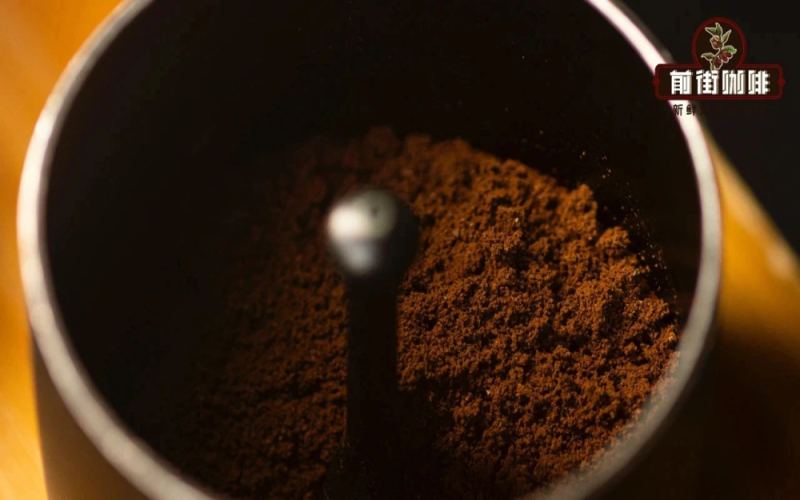
How Much Force Is Appropriate for Tamping Espresso? Practical Techniques and Parameter Sharing for Leveling Coffee Grounds
Making espresso seems simple, but many coffee enthusiasts still find the flavor unsatisfactory even after following the parameters. Front Street Coffee believes the problem often lies in the tamping step—this inconspicuous step directly affects the even extraction of the coffee grounds. Through comparative experiments, this article explains the necessity of tamping, clarifies the principles behind distribution and tamping, and explains in detail the correct tamping posture, pressure, and angle to help solve common problems such as tilted or uneven tamping. It also shares the complete parameters for extracting espresso at Front Street stores, as well as the flavor characteristics of the espresso blend beans used, for coffee enthusiasts to reference and practice. [more…]
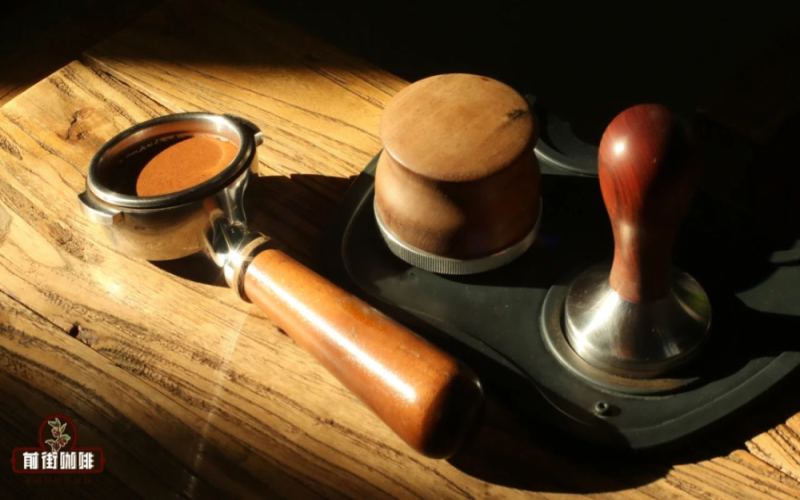
Leveler Working Principle and Tamping Techniques: How to Avoid Uneven Espresso Extraction
Why is it still necessary to tamp after leveling the coffee bed with a distribution tool? Both look flat on the surface, but their functions are completely different. Distribution is about making the coffee grounds evenly distributed in the portafilter basket, while tamping is about compressing the loose coffee bed to resist the impact of the high-pressure water flow from an espresso machine. If you only distribute without tamping, the water flow can easily carve new channels, leading to uneven extraction. From Front Street's perspective, this article sorts out the relationship between distribution and tamping, the drawbacks of the traditional finger distribution method, the advantages of distribution tools, and the key points of applying vertical force when tamping and the choice of tamper. Finally, it also answers the question of whether the surface can be tamped a second time if it is uneven after tamping. [more…]
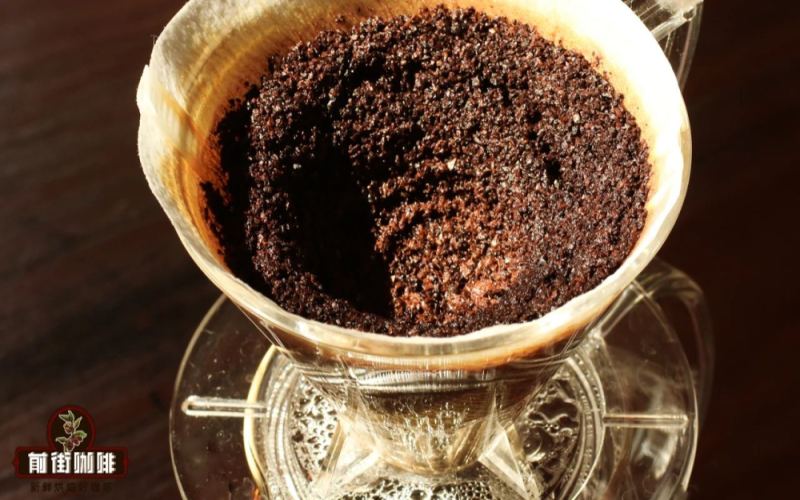
A Complete Guide to Espresso Tamping Techniques: Master the Correct Tamping Method and the Key Steps to Knocking Out a Perfect Puck
Extracting a qualified espresso shot—the tamping step is often overlooked by beginners, yet it directly affects the integrity of the puck and the final flavor. This article focuses on the correct way to use a tamper, starting from the phenomenon of knocking out an intact puck, and explains how each tamping step affects coffee quality. Whether you are an enthusiast just getting into espresso or a seasoned coffee pro hoping to refine your skills, you can understand why an intact puck can reflect extraction quality, and master the key operational details that make coffee taste better. [more…]
Espresso Extraction Key Points: Analysis of the 14g Dose, 50ml, 25-Second Standard and Tamping Techniques
The extraction of espresso may seem simple, but in reality it hides quite a few intricacies. When many coffee enthusiasts learn to make Espresso, they encounter a classic set of parameters: 14 grams of coffee grounds, extracting 50 milliliters, in 25 seconds. However, in actual practice, not many people truly extract according to this standard, often because of poor past experiences and a habit of increasing the dose to achieve a stronger flavor. In fact, extracting 50 milliliters from 14 grams is precisely an ideal baseline for testing a coffee bean's flavor performance, allowing for a relatively complete extraction of the coffee's balanced taste. On this basis, increasing the dose and adjusting the concentration according to personal preference is the more scientific approach. This article will focus on key steps such as grind setting, tamping pressure, and extraction observation, breaking down in detail the essentials of making espresso to help you produce a cup of balanced-flavor Espresso. [more…]
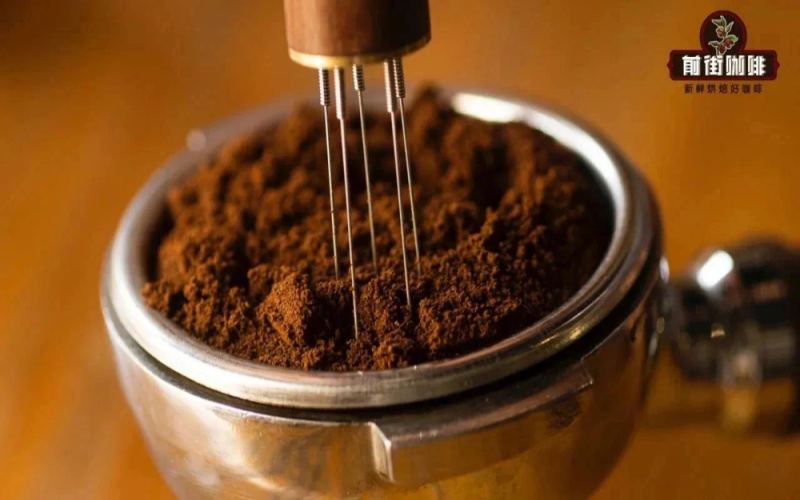
Why Does Espresso Distribution Determine Success or Failure? A Key Analysis of Even Distribution and Tamping Techniques
In the process of making espresso, distributing the coffee grounds is a seemingly simple yet crucial step. Whether the coffee grounds are evenly distributed within the portafilter basket directly determines whether channeling can be avoided during extraction, which in turn affects the final flavor of the coffee. Today, Front Street Coffee will take an in-depth look at the core purpose of distribution, common misconceptions, and the correct operating techniques, including details such as whether the portafilter basket needs to be tapped. By understanding the principle of water flow inertia and the potential channels at the edges of the puck, you will learn how to use gentle finger sweeps and side taps to get the coffee grounds into their proper places, thereby improving the even extraction and mouthfeel of your espresso. [more…]
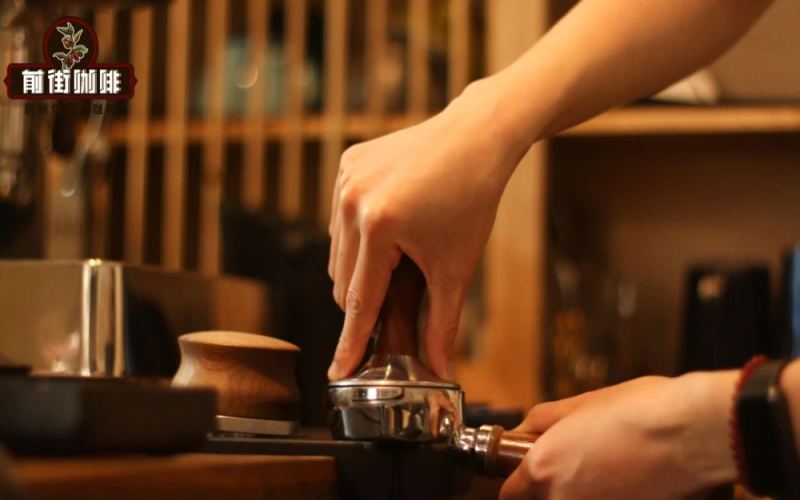
The Correct Guide to Using a Coffee Tamper: A Full Analysis of Espresso Tamping Techniques and French Press Grind Size
Making a proper espresso is impossible without tamping, a step that cannot be skipped. The tamper not only affects the density of the coffee puck but also directly determines whether extraction is even. This article starts from the actual function of the tamper, explains why it comes in so many sizes, and analyzes how different brands, materials, and designs affect its price. It also clears up a common misconception: although a French press has "press" in its name, it is a completely different concept from espresso tamping. The article also includes the specific brewing parameters and flavor description for Front Street Coffee's Strawberry Candy coffee beans in a French press, making it suitable for coffee lovers who want a deeper understanding of tamping and how to use a French press. [more…]
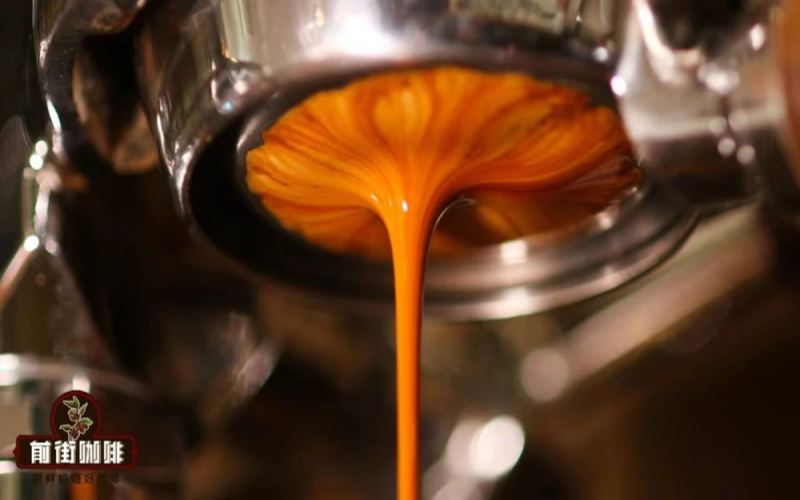
Analysis of the Causes of Espresso Channeling and Distribution and Tamping Techniques to Avoid Uneven Extraction and Burnt, Bitter Flavors
Espresso serves as the foundation of all Italian-style coffee, capable of amplifying a bean's strengths while exposing its flaws without reservation. Many baristas and enthusiasts are often troubled by negative flavors such as burnt bitterness and astringency, and these issues are frequently linked to channeling during the extraction process. Channeling occurs quite often and has a notably significant impact on the taste of espresso. From the perspective of Front Street, this article first discusses what kind of coffee beans are suitable for espresso, then explains what channeling actually is, and finally provides specific optimization techniques for distribution and tamping. As long as distribution and tamping are done solidly, making a satisfying and delicious espresso becomes much easier. [more…]
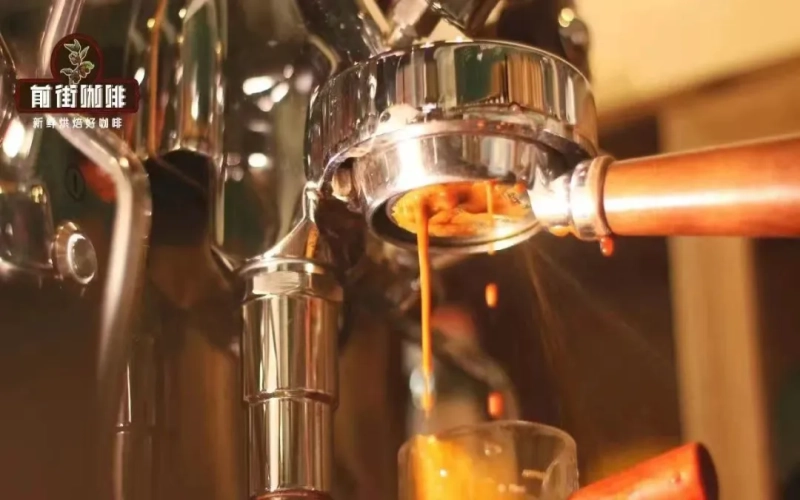
Espresso Coffee Distribution and Tamping Techniques: How to Avoid Channeling and Improve Extraction Uniformity
In the making of espresso, although distribution is just a simple step, it directly affects whether the extraction is even. Many coffee enthusiasts find that the puck surface looks level, yet during extraction channeling occurs frequently, with coffee liquid spraying everywhere. The key reason behind this often lies in the uneven distribution of coffee grounds inside the basket, rather than the flatness of the surface. Using its commercial espresso blend beans as an example, Front Street Coffee explains in detail the correct methods of distribution and tamping, including the choice of how to catch the grounds, the technique of smoothing with a finger, and the points to note when tapping the portafilter, helping everyone start from the details to reduce channeling and improve the extraction quality of espresso. [more…]
Analyzing the Causes of Espresso Channeling: Distribution and Tamping Techniques, and Solutions for Over-Extraction Bitterness and Astringency
Extracting a qualified espresso is the foundation for making all espresso-based coffee drinks. Espresso can multiply the strengths of coffee beans while also magnifying their flaws without reservation. In practice, the source of many flavor problems points to the same phenomenon—channeling. It doesn't occur rarely; once it happens, hot water concentrates through the puck along paths of lower resistance, creating a situation where localized over-extraction and localized under-extraction coexist, ultimately giving the coffee burnt, bitter, astringent, and other off-flavors. This article will explore several aspects including coffee bean selection, the definition and manifestations of channeling, and optimization techniques for distribution and tamping, to help coffee enthusiasts understand why channeling occurs and how to effectively avoid it in daily brewing, thereby consistently producing a delicious espresso. [more…]
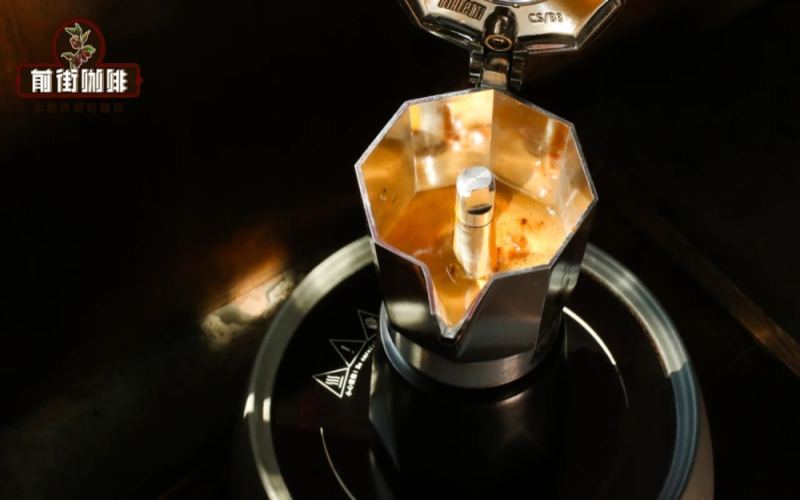
How Fine Should You Grind Coffee for a Moka Pot? A Full Guide to Basket Capacity and Tamping Techniques
The extraction effect of a moka pot is closely related to the grind size of the coffee grounds, the amount filled, and the tamping method. Many people are puzzled about how full the filter basket should be, whether to tamp the grounds, how much pressure to apply, and how to judge the coarseness of the grounds. This article starts with the correspondence between the filter basket's capacity and the amount of coffee, explaining the grind state suitable for a moka pot—slightly coarser than fine espresso grounds, similar to the texture of fine salt; it explains why filling the basket is recommended, and how insufficient coffee grounds can easily cause channeling and uneven extraction; it also provides gentle distribution and pressing methods when reducing the amount of coffee, and warns of the safety hazards that may arise from tamping too hard. The article also combines Front Street Coffee's classic espresso blend beans to demonstrate the balanced flavor of an iced latte made after adjustment. [more…]
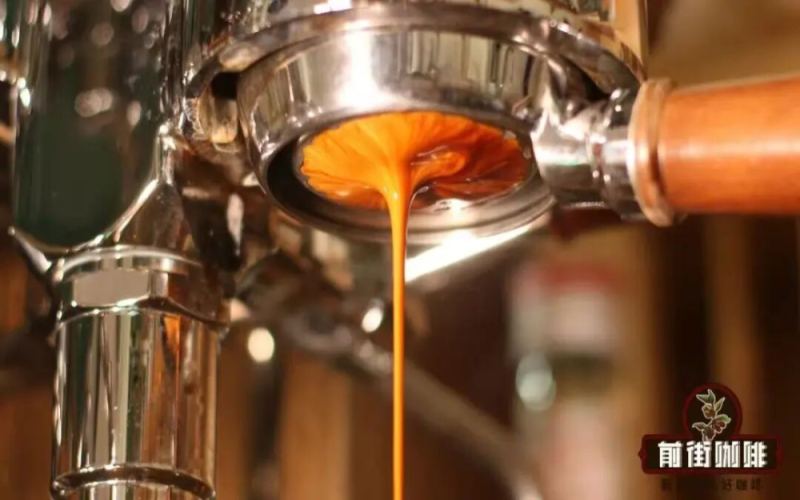
How to Fix Frequent Espresso Spritzing? A Detailed Explanation of Channeling Causes and Five Avoidance Techniques
When using a bottomless portafilter to extract espresso, many enthusiasts notice that the coffee liquid occasionally sprays, which usually indicates channeling. Channeling refers to hot water preferentially passing through the areas of least resistance in the puck during extraction, causing over-extraction in some parts and under-extraction in others, ultimately producing a cup of coffee that is sharply acidic, bitter, and muddled. Although channeling cannot be completely eliminated, standardizing the operating procedure can greatly reduce the probability of it occurring. Starting from Front Street's practical experience, this article systematically analyzes the principles behind channeling and, focusing on five aspects—evenness of distribution, tamping pressure, portafilter locking, dose and grind size, and handling of clumped grounds—provides specific suggestions for improvement to help everyone extract a delicious espresso more consistently. [more…]

The Complete Guide to Espresso Extraction: Time, Dose-to-Yield Ratio, and Daily Parameter Adjustment Techniques
Many coffee enthusiasts focus their attention on milk foam and latte art, but what truly determines whether a milk coffee tastes good is actually the extraction quality of the espresso. Drawing on the hands-on experience of Front Street Coffee, this article explains in detail why an espresso blend is chosen, why extraction parameters must be adjusted every day, and the complete steps from locking in the portafilter, flushing, drying, grinding, distributing, tamping, to extraction. The article also provides the specific parameters of the Lelit espresso machine used in Front Street's own stores, and shares how to judge whether extraction is up to standard by observing flow rate and tasting, making it suitable reading for baristas and seasoned enthusiasts who want to improve their espresso skills. [more…]
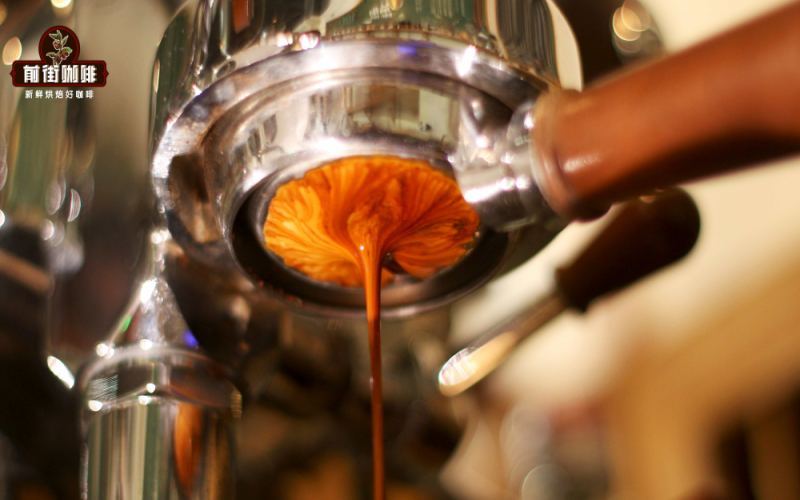
Analyzing the Causes of Channeling in Espresso Extraction and How to Avoid Spraying Issues
When making espresso, the parameters are clearly fine, yet the taste is both sharply sour and weak, and when you knock out the puck you find a hole in it—this confusing situation is actually mostly caused by "channeling." This article will start from the principles, clearly explain what channeling is and why it occurs, and analyze one by one how key factors such as coffee bean degassing, dose matching, dosing and distribution technique, and tamping operations affect extraction uniformity. It will also give practical suggestions such as reducing degassing, choosing the right dose, and standardizing distribution and tamping, to help you reduce the probability of spraying and perforation and make espresso extraction more stable. The article also retains Front Street Coffee bean recommendations suitable for espresso preparation. [more…]
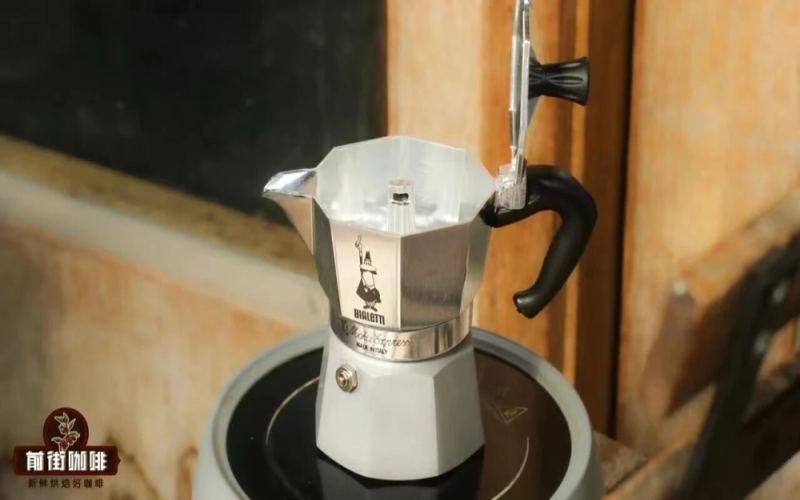
Bialetti Moka Pot Practical Guide: How to Choose the Right Coffee Beans and a Full Breakdown of Grinding and Tamping Techniques
The moka pot is a popular choice for many home users taking their first steps into making coffee themselves, and Bialetti, as a classic brand, is much loved for its retro design and vibrant colors. However, if you want to brew a delicious cup of coffee with a moka pot, every step—from choosing beans to grinding and tamping—has its own finer points. This article will use the Bialetti moka pot as an example to explain in detail the logic of selecting coffee beans, the importance of freshness, and the correct grind size and filling technique, and will recommend two Front Street espresso coffee beans suitable for the moka pot, helping you easily avoid common pitfalls and consistently produce a cup of moka pot coffee with rich crema and a full-bodied taste. [more…]