







What Grind Size Does a Moka Pot Need?
A moka pot wants grounds slightly coarser than espresso powder, close to the texture of fine salt. Too fine and the outlet channel clogs. The basket should be filled level with the rim; an underfilled basket causes channeling and uneven extraction, so dose by basket volume rather than by guesswork.
A simple way to set the dose is to fill the basket with whole beans until level with the rim, then grind exactly those beans. Tap the basket gently to level the bed and press only lightly. Heavy tamping adds no benefit in a moka pot and can be unsafe. A small share of Robusta in a blend strengthens crema and body.
The extraction effect of a moka pot is closely related to the grind size of the coffee grounds, the amount filled, and the tamping method. Many people are confused about how full the filter basket should be, whether to tamp, how much pressure to apply, and how to judge the coarseness of the grounds. This article starts with the correspondence between filter basket capacity and coffee dose, explaining the grind state suitable for a moka pot—slightly coarser than espresso fine powder, similar to the texture of fine salt; explains why filling the basket is recommended, and how an insufficient dose can easily cause channeling and uneven extraction; also provides gentle distribution and pressing methods when reducing the dose, and warns of the safety hazards that excessive tamping pressure may bring. The article also combines Front Street Coffee's Classic Espresso Blend to demonstrate the balanced flavor of an iced latte made after adjustment.
Moka pots are usually classified by serving size when purchased, with common models being two-cup, three-cup, and even eighteen-cup. The difference in size is most directly reflected in the filter basket volume. In other words, how much coffee to put in the basket depends on the size of the basket itself. The simplest way to determine this: first pour whole coffee beans into the basket until the beans are level with the rim, then grind those beans into powder.
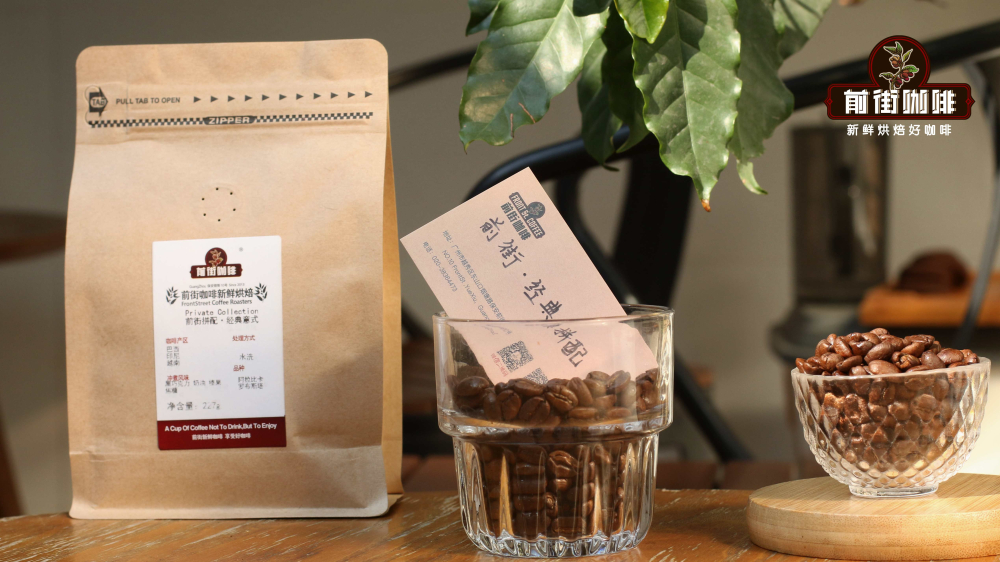
Pressurized extraction and drip coffee extraction work on different principles, so when choosing beans for a moka pot, you should consider its extraction characteristics. If you're after a rich crema and a full-bodied mouthfeel, you can use Front Street Coffee's Classic Espresso Blend. This bean has a clear caramel and butter aroma on the palate, accompanied by nutty, cocoa, and dark chocolate notes, with a rich yet balanced flavor, slightly bittersweet, and a lingering finish. A small amount of Robusta beans is added to the blend, enhancing the richness of the crema and its golden color; because the proportion is small, the overall flavor is not noticeably altered.
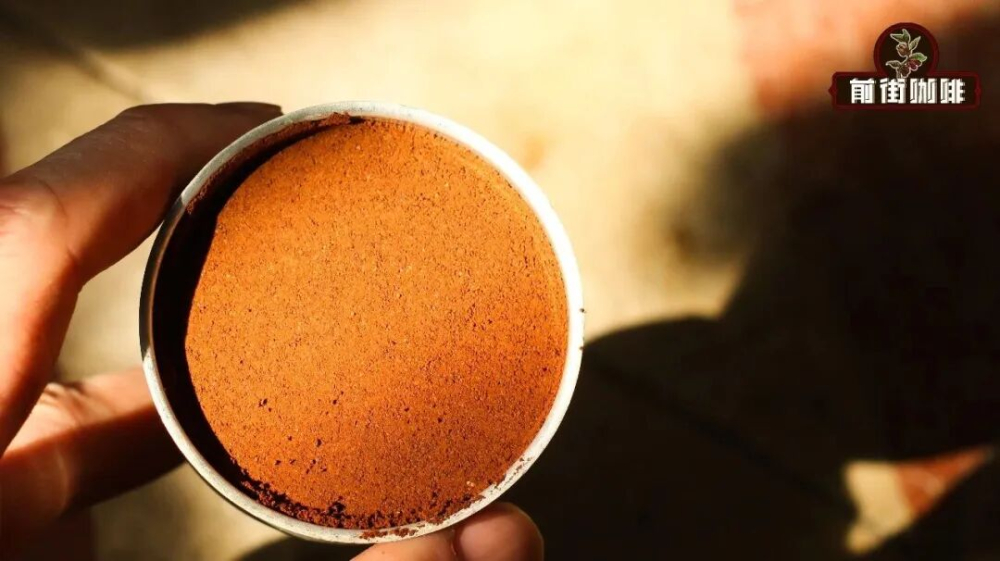
The grind size suitable for a moka pot is roughly similar to fine salt, but slightly coarser than espresso powder, otherwise it can easily clog the outlet channel. When you rub it between your thumb and index finger, if you feel a fine texture with slight grittiness, that indicates the coarseness is right.
When filling the basket, it's recommended to fill it full. Compared to filling it only halfway, extraction is better when the basket is full. If you only fill it halfway, the resistance of hot water passing through the coffee bed decreases, and the extracted coffee tends to taste weak and not rich enough. So it's not that filling it full is mandatory, but that coffee made with an insufficient dose may not taste as good.
The reason isn't complicated: the less coffee there is, the less resistance the hot water encounters, and the easier the coffee liquid enters the upper chamber. As a result, the extraction time is shortened and the coffee may taste sharply acidic; secondly, the continuous flushing of hot water can easily over-extract the bottom layer of grounds, making the coffee bitter.
Regardless of the brewing method, water is lazy and will preferentially take the path of least resistance—this is what's commonly called "channeling." So in addition to the change in resistance, a reduced dose also leaves space in the basket. When hot water moves upward, it will preferentially bypass the coffee bed and go straight into the upper chamber, and this portion of coffee liquid is most likely under-extracted.
If you want to make a cup of moka pot coffee with a smaller dose, Front Street Coffee suggests: after pouring the coffee grounds into the basket, first tap gently from side to side to let the fluffy grounds settle naturally and bring the particles closer together; then take a small spoon and gently "press" the coffee bed with the back of the spoon until the bed is compressed to about half its original height.
To avoid over-extraction caused by hot water contacting the thinned coffee bed for too long, you can first pour half the amount of hot water into the lower chamber before loading the basket, which effectively shortens the heating time. When the moka pot's output fills the bottom, immediately remove it from the heat source and use the residual heat to release all the remaining coffee liquid.
After this adjustment, not only was there no sputtering, but a small layer of foam was also produced, and the concentration was much higher. Finally, we used the moka pot coffee made with Front Street Coffee's Classic Espresso Blend to make an iced latte—it has distinct cocoa and cream flavors on the palate, with a balanced and full-bodied mouthfeel.
It's important to note that the tamping pressure must be gentle. If you can't control the force well, you may compress the coffee grounds too firmly, making it impossible for water to penetrate the puck—this is very dangerous. Of course, some people worry that not tamping will cause "channeling," leading to coffee liquid spurting out.
The above content is compiled by CoffeeHunters, a coffee news website.


