







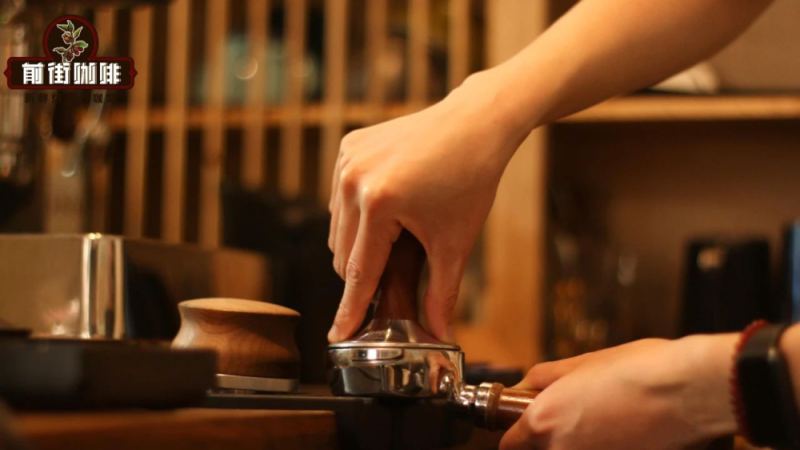
Making a qualified espresso is a process where tamping is an essential step that cannot be skipped. The tamper not only affects the density of the coffee puck but also directly relates to whether the extraction is even. This article will start from the actual role of the tamper, explain why it exists in various sizes, and analyze how different brands, materials, and designs affect the price. It will also clarify a common misconception: although the French press has "press" in its name, it is a completely different concept from espresso tamping. The article also includes the specific brewing parameters and flavor description of Front Street Strawberry Candy coffee beans in a French press, suitable for coffee enthusiasts who want to gain a deeper understanding of tamping and French press usage.
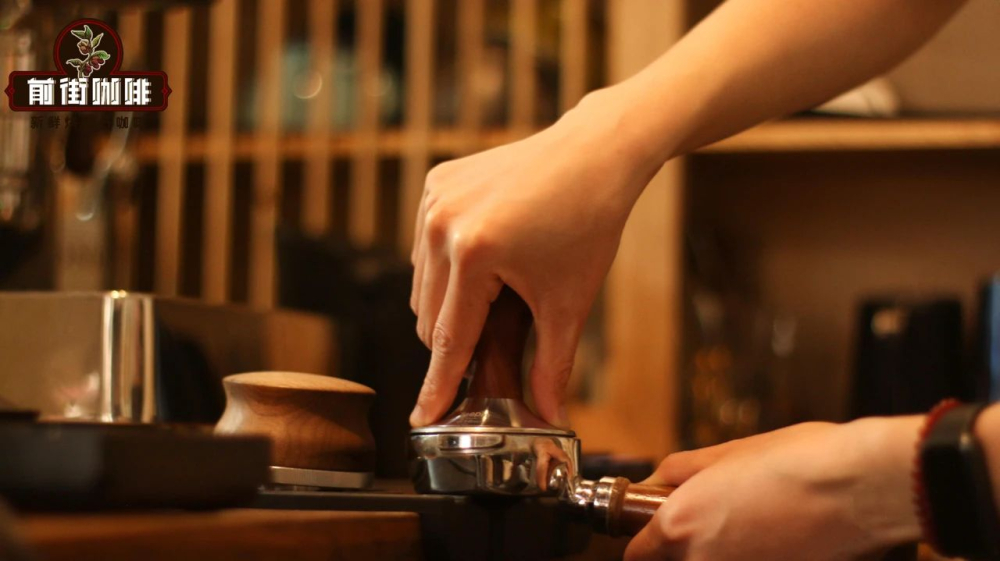
From ordinary baristas to brand practitioners like those at Front Street, almost everyone hopes to own a well-fitting Tamper, that is, a tamping hammer. The reason is simple: when making espresso, it is needed to compress and level the ground coffee powder, thereby improving the extraction effect. Of course, a few schools choose not to tamp.
So what function does the tamper actually serve? Why can it sell for a relatively high price? Why do sizes differ? What is the difference between one-piece and split types? Why are the base shapes all different? Faced with these options, how should we choose?
1. The core role of the tamper:
In the process of making espresso, the tamper mainly performs the following functions:
First, compress the ground coffee powder so that hot water can pass more fully through the coffee puck;
Second, make the gaps between the particles in the powder layer more consistent, because coffee powder expands after contacting water, and if the gaps are uneven, extraction is prone to imbalance;
Third, press the coffee powder in the portafilter basket into a flat horizontal surface, so that the coffee puck can withstand the strong pressure generated during espresso machine extraction and avoid being scattered by the water flow, which would ruin the taste.
2. Why do tampers come in different sizes?
In fact, tamper sizes are roughly divided into two categories: small ones are about 49mm to 53mm (4.0cm to 5.2cm), and large ones are between 57.5mm and 58.5mm (5.75cm to 58.5cm). This size difference mainly stems from the distinction between home espresso machines and commercial coffee machines. Commercial equipment is generally equipped with large baskets, while different coffee machine manufacturers set their own size standards, resulting in a range from 57.5mm to 58.5mm.
Most tamper manufacturers tend to make their products 58mm, first because it is convenient for production, and second because the cost is lower. If more precise sizes are required, manufacturing difficulty and technical investment will rise, and the price will accordingly range from a few dozen yuan to three hundred yuan. In addition, factors such as brand, shape, material, weight, design, and limited releases will further affect tamper pricing.
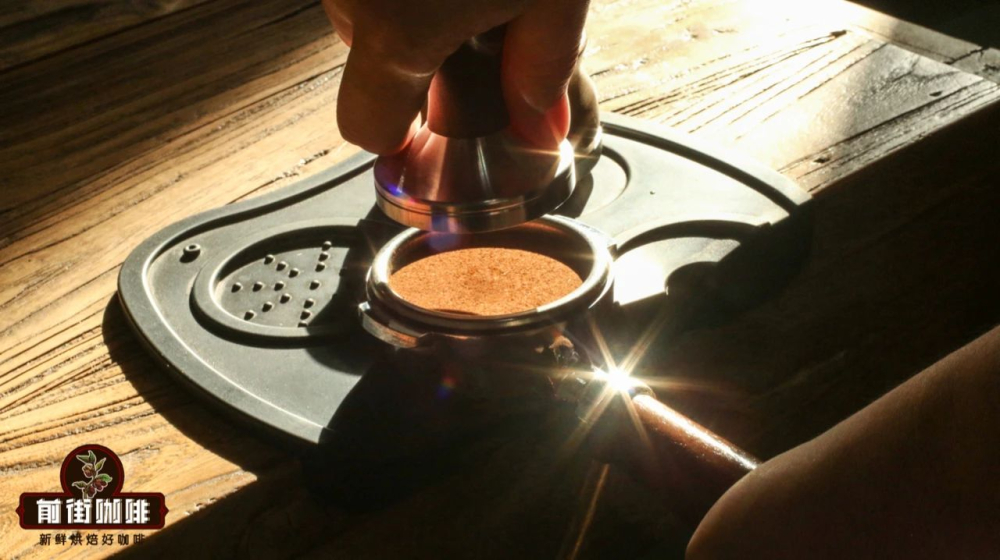
From the above two points, it can be seen that the tamper's primary task is to flatten and compact the coffee powder. From this perspective, it is like a communication bridge between the barista and the coffee machine.
Finally, it should be noted that although it also contains the word "press," the French press belongs to a different system. It is a brewing tool that is simple to operate: put ground coffee powder into the pot, pour in hot water, let it sit for a few minutes, and it is ready to drink. To prevent over-extraction, the grind size for a French press is usually coarser than for pour-over. Taking Front Street Strawberry Candy coffee beans as an example, grind to the size of coarse granulated sugar, steep for 4 minutes, and the final coffee will present the aromas of rose, orange, grape, and strawberry.
The above content is compiled by CoffeeHunters, a coffee news website.


