





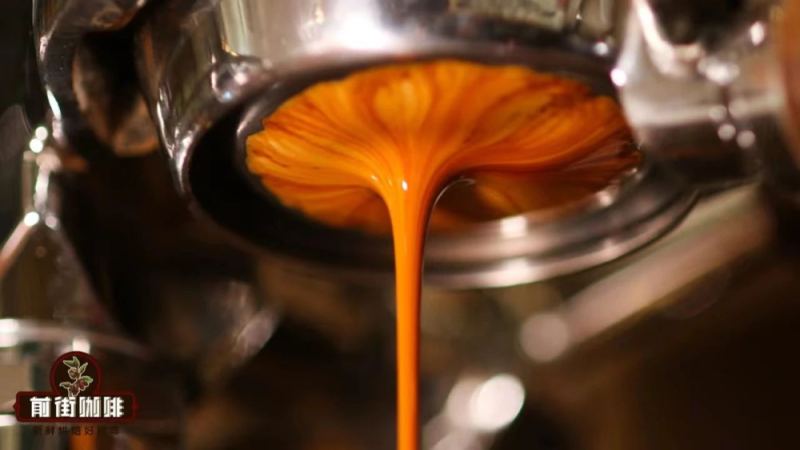
Why Does Channeling Ruin an Espresso Pull?
Channeling happens when water forces narrow paths through the coffee puck instead of flowing evenly through it. The result is uneven extraction: some grounds are over-extracted and turn burnt and astringent, while others stay under-extracted and taste sour or weak. It is common, and it damages flavor noticeably in the cup.
The fix sits in two steps. Distribute the grounds level in the basket before tamping, then tamp flat and consistent so the bed has uniform density. Bean choice matters too: avoid heavily dark or very light roasts and start with a medium roast. Applied consistently, that routine makes a clean pull coffee far easier to repeat.
Espresso is the base of all Italian-style coffee; it can amplify a coffee bean’s strengths, but it will also expose every flaw without reservation. Many baristas and enthusiasts are often troubled by negative flavors such as burnt bitterness and astringency, and these problems are often related to channeling during the extraction process. Channeling does not occur rarely, and its impact on espresso flavor is quite significant. From Front Street’s perspective, this article first discusses what kind of coffee beans are suitable for espresso, then explains what channeling actually is, and finally gives specific optimization techniques for distribution and tamping. As long as these two steps—distribution and tamping—are done solidly, making a satisfying and delicious espresso will become much easier.
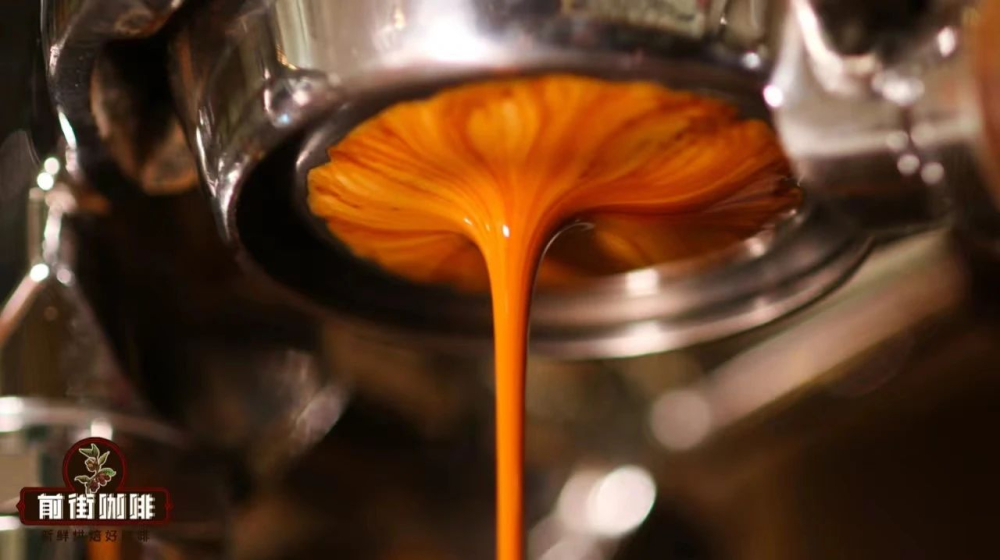
An outstanding espresso is the foundation of all Italian-style coffee. A properly extracted espresso can fully showcase the various strengths of the coffee beans, while once it is done poorly, it will naturally magnify the defects exponentially. Therefore, how to correctly make an espresso has become a required lesson that both baristas and coffee enthusiasts cannot avoid.
Many flavor problems cannot be separated from the concept of “channeling.” The reason is that during espresso extraction, once channeling appears, the taste of the coffee will be negatively affected to a certain degree. And its probability of occurring is really not low! So today Front Street will talk with everyone about what channeling actually is! And how to prevent it from happening~
What coffee beans are suitable for espresso?
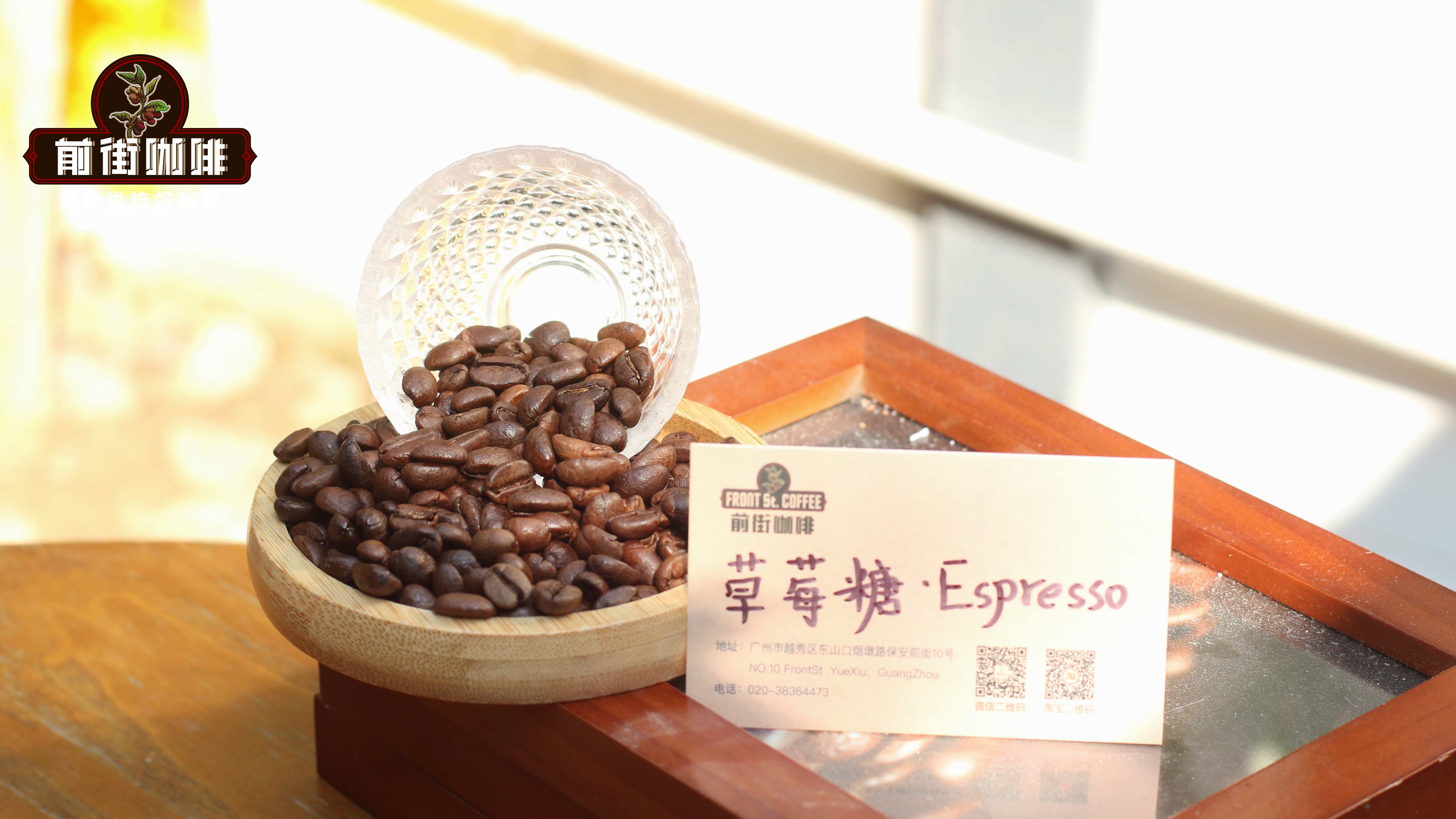
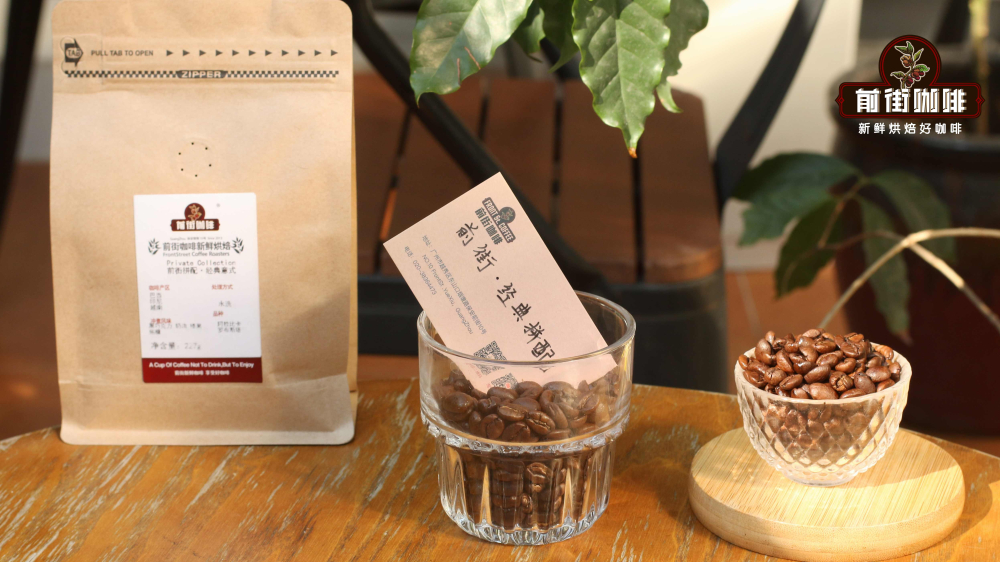
If you want to consistently make ideal espresso, the first step is to avoid dark-roasted beans with overly heavy bitterness, as well as light-roasted beans with prominent acidity. If you are a beginner trying it for the first time, you might as well buy medium-roasted Front Street. Strawberry Candy Espresso. This is an espresso recipe designed for friends who prefer floral and fruity notes, blending three origins: Costa Rica, Colombia, and Ethiopia. It has aromas of rose, citrus, grape, and dried blueberry, and after adding milk it presents a sweet aroma like strawberry gummy candy.
If you want to reduce the occurrence of channeling, choose Front Street. Front Street Classic Blend. It uses a medium-dark roast and combines the strengths of Brazilian, Mandheling, and Vietnamese coffee. After grinding, it appears fluffy, and during extraction it can bring rich and smooth crema, giving off aromas of butter, chocolate, hazelnut, and caramel, with higher stability as well.
What is channeling?
Channeling in coffee refers to a phenomenon during extraction in which hot water is distributed unevenly. To get a delicious and tasty cup of coffee, in addition to ensuring stable parameters, you also need to let hot water evenly penetrate most of the coffee grounds. Only in this way can the coffee grounds release appropriate and suitable amounts of flavor substances.
Under ideal conditions, water will naturally permeate downward under the pull of gravity, allowing the coffee grounds to be evenly extracted. However, water is inert; it will preferentially seek out paths that are easy to flow through and concentrate its seepage there.
For example, this is like watering a piece of cracked dry land. If there are cracks on the surface, the water poured down will concentrate and drill into the cracks. Applying this principle to hot water extracting coffee makes it easy to understand!
In this way, the areas where the water flow concentrates receive extremely efficient extraction, dissolving out off-flavor substances that originally should not have been dissolved! Meanwhile, the areas not specifically favored by the water are under-extracted, meaning not enough substances are dissolved. This under-saturated coffee liquid will drag down the whole cup, causing deficiencies in both strength and taste.
The extraction most affected by channeling is none other than espresso! This is because espresso extraction must dissolve two-thirds of the soluble substances from a puck in an extremely short time, and the extraction efficiency of all parameters is quite high. In such an extreme environment, if channeling occurs, the impact on coffee flavor is still quite obvious.
Although we cannot directly see the flow state during hot water extraction, that is okay. Because once channeling occurs, its manifestations are very obvious. Even before drinking the coffee, you can judge from the following situations whether channeling has already occurred.
1. Holes in the puck
The cause of channeling is uneven distribution of coffee grounds in the puck and inconsistent water flow resistance across different areas, causing hot water to concentrate and break through somewhere with weaker resistance. Therefore, after channeling occurs during extraction, when the puck is removed, many dense holes will be seen on its surface. They are precisely the “channels” pierced through by hot water! And “perforation” is what we call this phenomenon.
2. Splattering during extraction
Using a bottomless portafilter can help us observe this phenomenon more intuitively. After all, the bottomless portafilter was born precisely for this purpose. So, if extraction is performed with a bottomless portafilter, as long as channeling occurs during the process, splattering may appear as the espresso flows out, as shown in the figure below.
How to solve channeling?
Since the problem mainly lies in the distribution of the coffee grounds, we only need to optimize the distribution step.
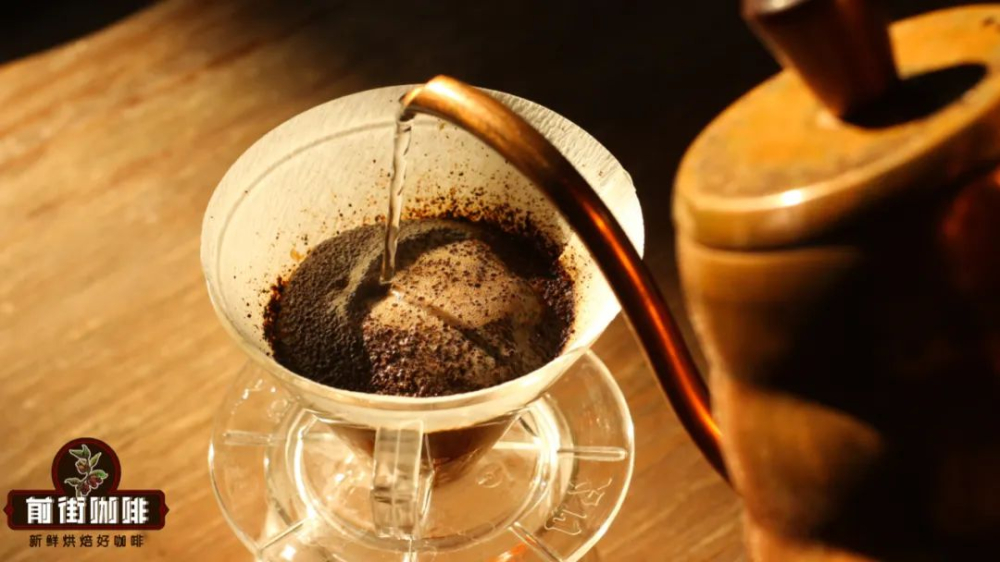
After the measured dose of coffee grounds falls into the portafilter basket, first tap gently so the particles spread more evenly in the basket, then use a distribution tool to cover it and rotate a few times. In this way, after the coffee grounds are tamped, there will be no channels left for hot water to “take shortcuts” through.
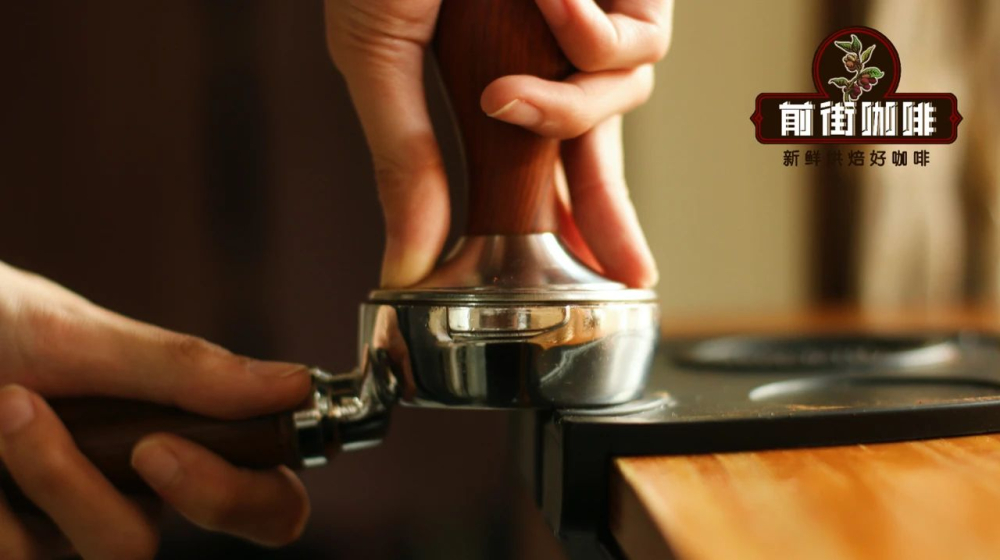
Then tamp: use your thumb and index finger to occupy one side of the tamper respectively, while the other three fingers and palm wrap around the handle together, keep your arm vertical, and apply pressure downward.
When we can do both distribution and tamping properly, making delicious espresso will become easier!
The above content is compiled by CoffeeHunters, a coffee news website.


