







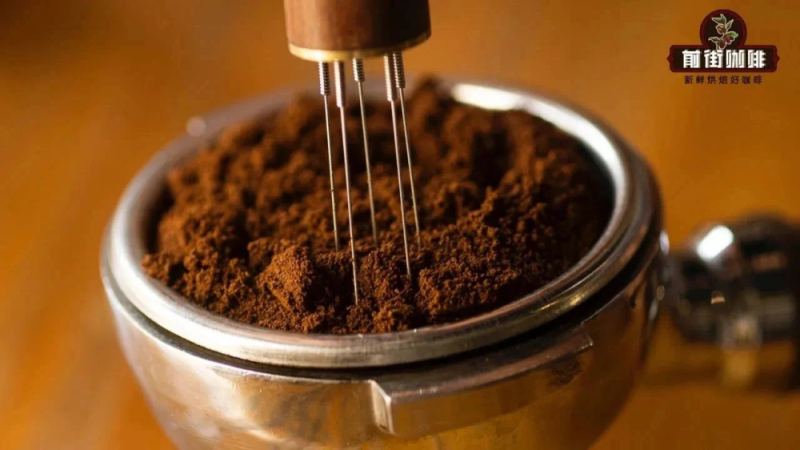
What's an espresso and why does distribution matter?
Espresso is a concentrated coffee brewed by forcing hot water under pressure through a packed bed of finely ground coffee. Because that bed is thin and the shot finishes in seconds, any unevenness in the grounds creates channeling, where water concentrates along paths of least resistance and leaves part of the puck over-extracted and the rest under-extracted.
Distribution, meaning spreading the grounds evenly in the portafilter basket before tamping, is what prevents those channels from forming. A gentle finger sweep and a few side taps settle the grounds into place, so the espresso maker uses its pressure across the whole puck instead of one weak spot. Skipping this step usually shows up as sharp sourness and burnt bitterness in the cup.
In the process of making espresso, distributing the coffee grounds is a step that seems simple yet is crucial. Whether the coffee grounds are evenly distributed in the portafilter basket directly affects whether channeling can be avoided during extraction, which in turn influences the final flavor of the coffee. Today, Front Street Coffee will delve into the core purpose of distribution, common misconceptions, and the correct operating techniques, including details such as whether the portafilter basket needs to be tapped. By understanding the principle of water's inertia and the potential channels at the edges of the puck, you will learn how to use gentle finger sweeps and side taps to guide the coffee grounds into place, thereby improving the uniformity of espresso extraction and the taste performance.
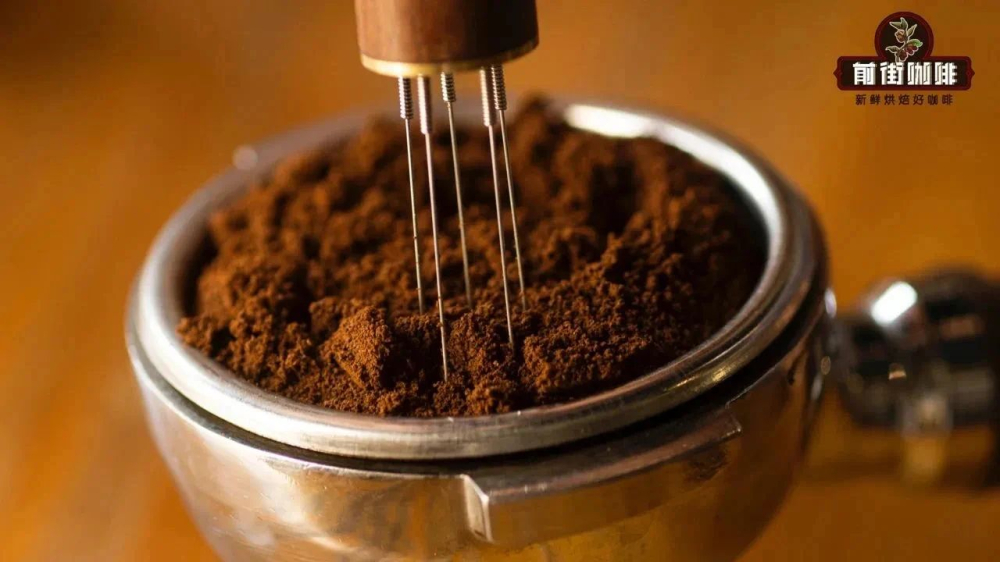
So-called distribution refers to the operation of manually loading coffee grounds into the portafilter basket and spreading them evenly after the coffee beans have been ground. This step is a key link in making a high-quality espresso; the quality of distribution can even directly determine the final success or failure of a cup of coffee. Today, Front Street will focus on the topic of distribution and explain how to achieve the ideal distribution effect.
Although the step of distribution looks very simple, in actual operation there are still many details that are easily overlooked, and these details will all affect the extraction process, thereby changing the flavor direction of the coffee.
Distribution
In the final analysis, whether it is distribution or tamping, they both serve one common core goal—avoiding the occurrence of channeling. Water has inertia and always tends to flow along the path of least resistance. When coffee grounds are unevenly distributed in the portafilter basket, the gaps between particles will form a large number of "channels." During extraction, hot water will concentrate through these channels, causing some coffee grounds in the puck to be over-extracted while the rest are severely under-extracted. The resulting coffee tastes both sharply sour and astringent, and carries a burnt bitterness that is hard to accept.
Therefore, the first thing we need to complete is "distribution"! After a set amount of coffee grounds falls into the portafilter basket, they need to be redistributed so that the coffee grounds are spread evenly throughout the basket. In this way, after tamping, there will be no channels left for hot water to "slip through."
However, most people are accustomed to directly catching the coffee grounds falling from the grinder with the portafilter, which causes the coffee grounds to pile up into a "little hill" in the center, or to create uneven thickness from left to right. Front Street recommends not directly using a distribution tool in these two states.
The reason is that when the distribution tool is pressed down, it generates downward pressure, and this force will first compact the coffee grounds piled in the center, after which the distribution tool spreads out the uncompacted layer on the surface.
In this situation, the surface of the puck appears flat, but in reality the coffee dose is concentrated in the middle, while the layer around the edges is very thin. A puck in this state is highly likely to develop channeling during extraction! Not only do gaps increase, but it also significantly affects the extraction result of the espresso.
To emphasize again, water has inertia and will flow toward areas where it can pass more easily. Even if we have evenly distributed the coffee grounds and completed tamping, water still has a channel that is easy to pass through! That is: "the edge of the puck," namely the interface where the coffee grounds contact the portafilter basket.
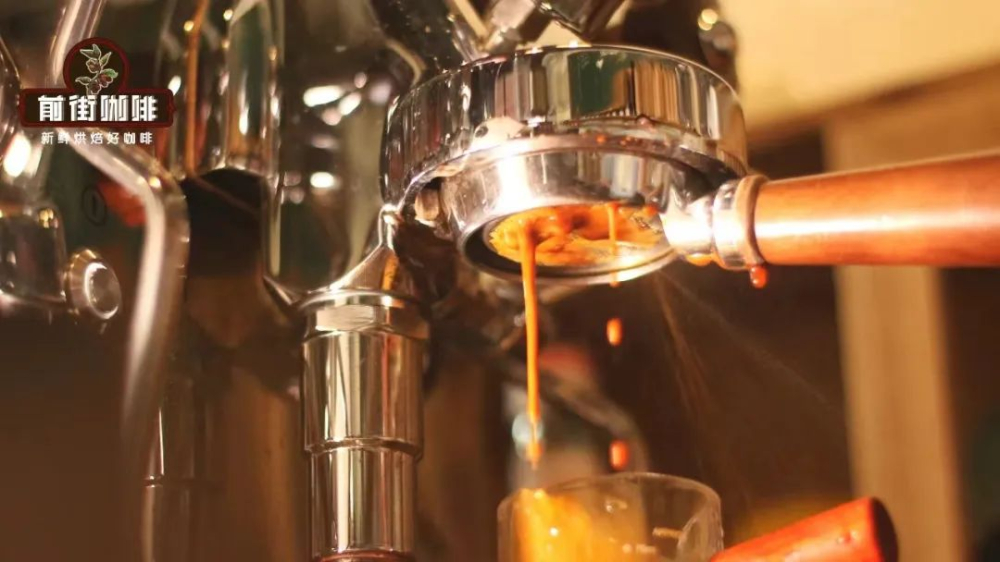
Although visually the puck appears to have been pressed tight and firm, in reality, because the surface of the portafilter basket is smooth and flat, the puck does not completely adhere to it. Under pressure as high as 9 bar, water will preferentially flow along these gaps, and only afterward penetrate into the central area to extract the coffee grounds. This also explains why, when espresso flows out, the coffee liquid always gathers from the surroundings toward the center.
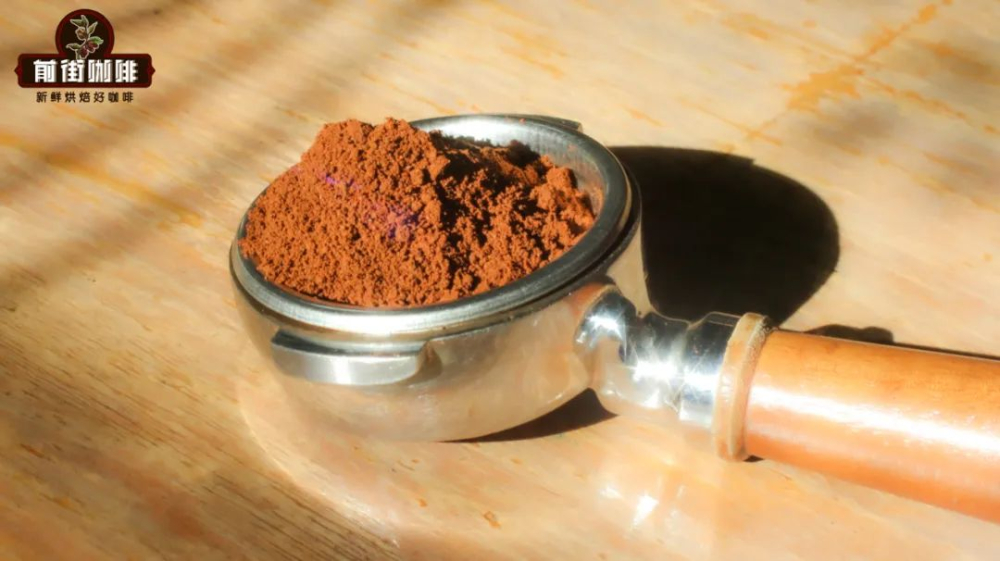
Without using a dosing funnel, the coffee grounds caught in the basket usually show a distribution in which some areas have more accumulation and some areas have very little. In this case, you cannot directly distribute, because the use of a distribution tool will apply a certain amount of pressure and cause partial tamping. The correct approach is to first gently stir the coffee grounds with your fingers, sweeping the excess piled-up grounds toward the areas with too little coffee.
Next, gently tap the side of the portafilter basket so that the coffee grounds inside can fall into their proper "positions."
The above content is compiled by CoffeeHunters, a coffee news website.


