








In making espresso, distributing the coffee grounds may seem like a simple step, but it directly affects whether extraction is even. Many coffee enthusiasts find that the puck surface looks level, yet channeling frequently occurs during extraction, with coffee liquid splashing everywhere. The key reason behind this is often uneven distribution of coffee grounds inside the basket, not the surface levelness. Using its commercial espresso blend beans as an example, Front Street Coffee explains in detail the correct methods for distribution and tamping, including the choice of grinding/catching method, finger-leveling techniques, and points to note when tapping the portafilter, helping everyone start from the details to reduce channeling and improve espresso extraction quality.

For more specialty coffee knowledge, please follow the WeChat public account: Front Street Coffee (FrontStreet Coffee)
In the espresso-making process, "distribution" is an indispensable step. It is not complicated to perform, but its importance cannot be ignored. The core purpose of distribution is to make the coffee grounds more evenly distributed in the basket, thereby reducing the probability of channeling. Conversely, if channeling occurs during extraction, it is most likely because something went wrong in the distribution step.
Recently, many friends have reported a confusion to Front Street: the puck is clearly tamped very level and looks evenly distributed, but during extraction channeling repeatedly occurs, and the espresso sprays everywhere, making a mess.
When this happens, there is only one reason: the uneven distribution of coffee grounds that Front Street just mentioned. The puck surface is level only because tamping pressed the coffee to the same height, but the distribution of coffee grounds inside the basket is still uneven—some areas have more grounds, and some have fewer. Areas with more grounds are denser, while areas with fewer grounds are looser. During extraction, hot water preferentially flows out from the looser areas, thus forming channels.
There are two main reasons for this situation: first, there are too many clumped coffee grounds; second, improper distribution movements cause deviations in coffee ground distribution. According to Front Street's observations, channeling caused by the latter is more common, because many people are accustomed to catching grounds directly with the portafilter.
Here, take Front Street's commercial espresso blend coffee beans as an example. This is a medium-dark roast espresso recipe, designed to help everyone easily replicate the same flavor as in coffee shops and quickly find the corresponding parameters to brew delicious coffee. Next, Front Street will talk with everyone about what details need attention in espresso distribution and tamping. Before distributing, the ground coffee needs to be poured into the basket. There are two ways to get the coffee grounds into the basket: one is to use a dosing cup, and the other is to catch the grounds directly with the portafilter.
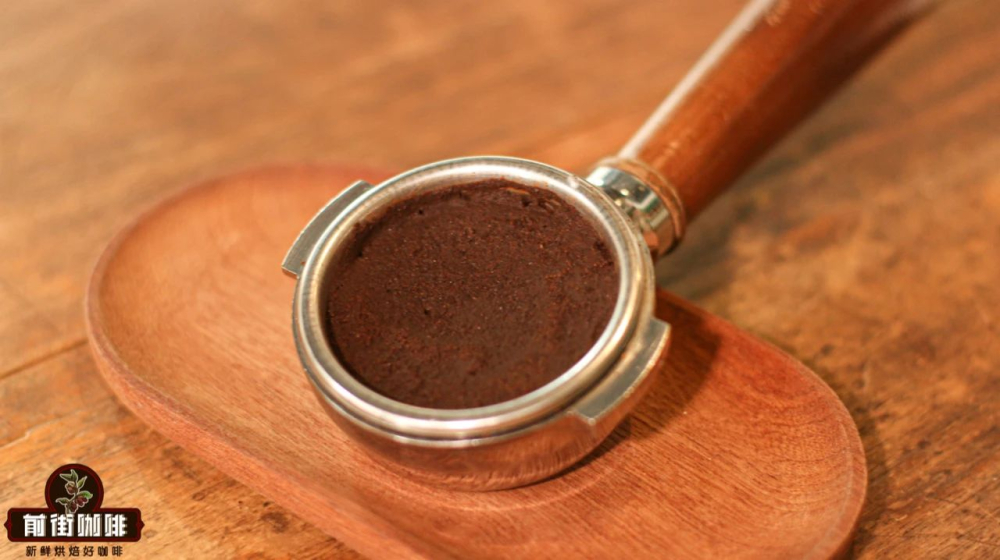
Both methods have advantages and disadvantages. A dosing cup can make the coffee grounds fall into the basket more evenly, but it adds an extra step, so making a cup of coffee takes slightly longer; catching grounds directly with the portafilter is faster, but when catching the grounds, the coffee grounds will concentrate in one position, piling up into a small mound. Afterward, it is necessary to level the coffee grounds by stirring with a finger and shaking the basket.
However, as long as the leveling of the coffee grounds is done improperly, the coffee grounds will concentrate in the position where they first piled up. For example, if the grounds initially pile in the middle, after improper leveling they will become more concentrated in the middle and less around the edges, thereby causing channeling. No worries—next, Front Street will share how to correctly level the coffee grounds.
Finger leveling is the most traditional distribution method. After the coffee grounds are poured into the basket, use your index finger or the web between your thumb and index finger to push the excess coffee grounds back and forth, so that the coffee grounds at the "high positions" fall into the gaps as much as possible, completing a simple distribution of the coffee bed.
When leveling, note that your finger can only push the coffee grounds forward and must not apply downward pressure. Once you press downward, the coffee grounds at the point where force is applied will be compacted first, and afterward it will be difficult to redistribute that portion of grounds elsewhere by shaking or tapping. There is also one more thing to note—remember to wash your hands.
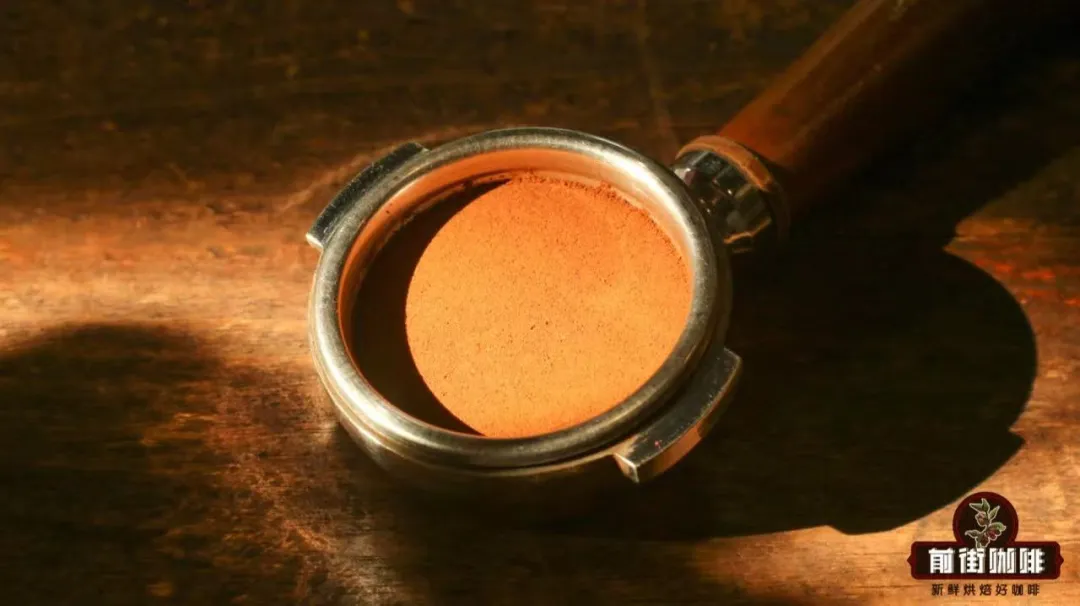
.
After simply distributing the coffee grounds with your fingers, you also need to redistribute the coffee grounds by shaking or lightly tapping, and this is exactly where many friends easily make mistakes!

Many friends will at this time grip the portafilter tightly and then tap the portafilter forcefully. What result does this cause? The coffee grounds will all concentrate in the direction you tap. Although doing this can indeed make the surface of the coffee grounds become level in a short time, it only looks level! Because the vast majority of the coffee grounds are actually concentrated on the side that was tapped, this will also cause channeling.
Therefore, when tapping the portafilter by hand, it is best to be careful not to grip or tap too forcefully. Only in this way can the coffee grounds be distributed as evenly as possible through shaking, and the extraction quality can thereby be improved.
The above content is compiled by CoffeeHunters, a coffee news website.


