







Search Results for: Spraying
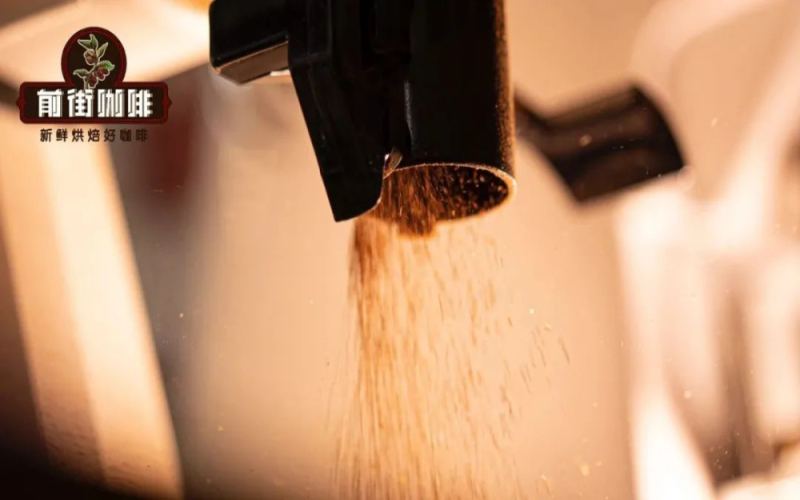
How to Solve the Coffee Grinding Static Problem? An Analysis of the Principle, Effectiveness, and Practical Risks of the RDT Water-Spraying Method
When grinding coffee beans, static electricity often sends fine particles flying and clumping together, not only dirtying the grinder's chute but also disrupting the uniformity of water flow during extraction. To solve this problem, as early as 2005 someone proposed spraying a small amount of water onto the coffee beans, commonly known as RDT (Ross Droplet Technique). Does this method actually have a scientific basis? Will it have a negative impact on grind quality? This article starts from the mechanism by which static electricity is generated, combines it with the latest research, analyzes the actual effectiveness of the water-spraying method, and also points out the risks to watch for during operation, especially the problems that can arise when the amount of water sprayed gets out of control, such as coffee grounds becoming damp, clumping, and even burrs rusting. For friends who like making coffee at home, as well as for Front Street Coffee, which insists on professional output, understanding these details helps in using this technique more rationally. [more…]

Espresso Extraction Troubles: Causes and Solutions for Channeling-Induced Spraying
Crafting a perfect espresso is the goal of many coffee enthusiasts. However, in practice, sudden spurting, pinholes, or channeling in the espresso flow often catch people off guard. These phenomena not only affect the uniformity of coffee extraction, but also lead to weakened aroma, a thinner mouthfeel, and even unpleasant flavors such as sharp acidity and bitter burnt notes. This article will take an in-depth look at the causes of channeling, from dosing details, portafilter knocking, dose control, to coffee grounds clumping and more, helping you find the root of the problem and offering practical solutions. At the same time, we will also discuss whether a split portafilter can truly solve channeling issues, and share Front Street Coffee's classic espresso blend recommendation to help you easily improve the quality of your espresso. [more…]
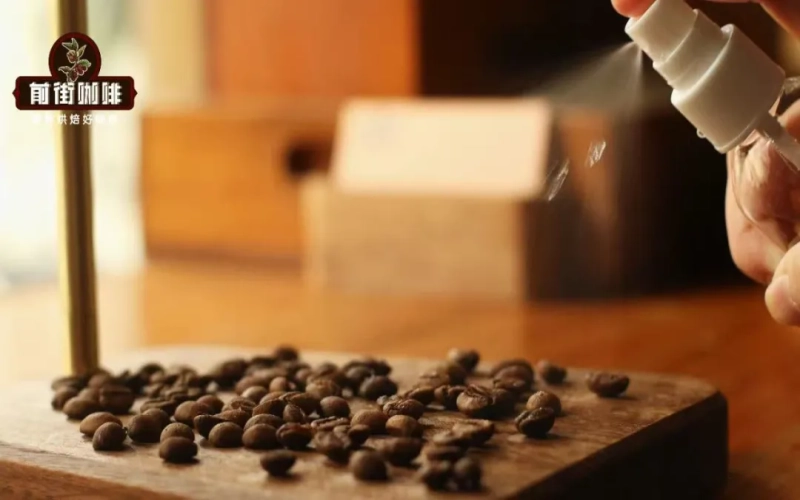
Can spraying water on coffee before grinding reduce static clumping? A detailed explanation of the principles, effects, and limitations of the RDT technique
Among the many supplementary techniques for making coffee, RDT (Ross Droplet Technique) is a method of reducing static electricity and clumping by spraying water onto coffee beans before grinding. Its principle is not complicated: during grinding, coffee beans generate static electricity due to friction and uneven charge distribution, causing fine particles to stick together into clumps, which in turn lowers the extraction yield and induces channeling. RDT can effectively alleviate this problem, but it also has obvious shortcomings—it is only suitable for single dosing, the water amount is difficult to control, and long-term use may damage the burrs. In this article, Front Street Coffee breaks down the ins and outs of RDT, its actual effects, and its operational limitations in detail, and offers a more reliable alternative. [more…]
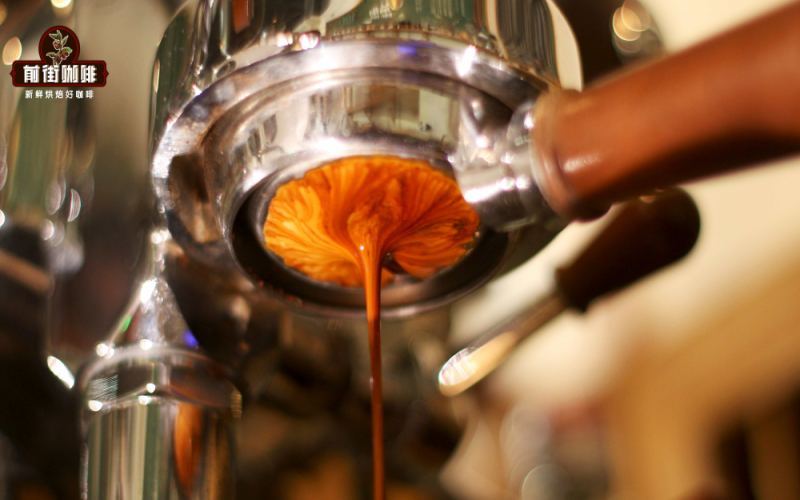
Analyzing the Causes of Channeling in Espresso Extraction and How to Avoid Spraying Issues
When making espresso, the parameters are clearly fine, yet the taste is both sharply sour and weak, and when you knock out the puck you find a hole in it—this confusing situation is actually mostly caused by "channeling." This article will start from the principles, clearly explain what channeling is and why it occurs, and analyze one by one how key factors such as coffee bean degassing, dose matching, dosing and distribution technique, and tamping operations affect extraction uniformity. It will also give practical suggestions such as reducing degassing, choosing the right dose, and standardizing distribution and tamping, to help you reduce the probability of spraying and perforation and make espresso extraction more stable. The article also retains Front Street Coffee bean recommendations suitable for espresso preparation. [more…]
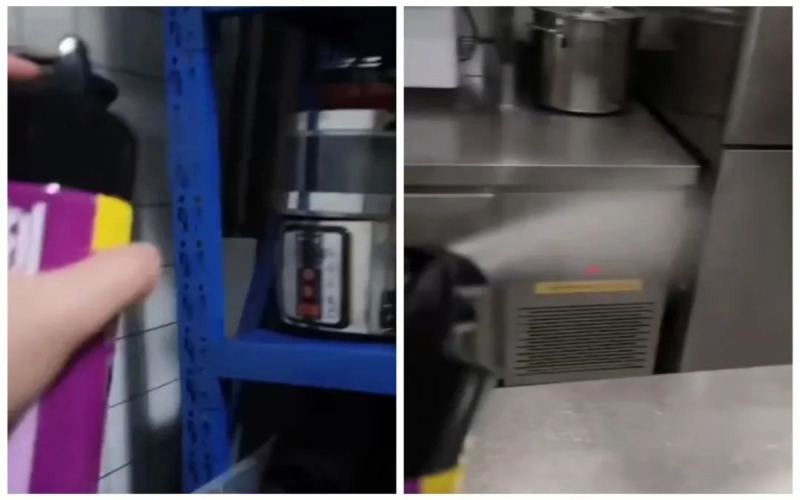
Milk tea shop employee sprays insecticide recklessly, sparking controversy; Shanghai Hongkou regulatory authorities intervene in investigation.
Recently, a video of a milk tea shop employee heavily spraying insecticide inside the store has drawn widespread attention. In the footage, the employee is seen directly spraying insecticide on the counter, water dispenser, ingredient area, and other surfaces, without taking any protective measures for food-contact surfaces, leaving many netizens and industry peers alike gasping in disbelief. After the incident came to light, the person who posted it reported the matter to the 12345 platform, and the Shanghai Hongkou District Market Supervision Administration has launched an investigation. The store involved has been ordered to close, and the brand has suspended the employee suspected of the action. This incident has once again brought the sanitation and disinfection practices of food service establishments and food safety issues into the public spotlight. [more…]
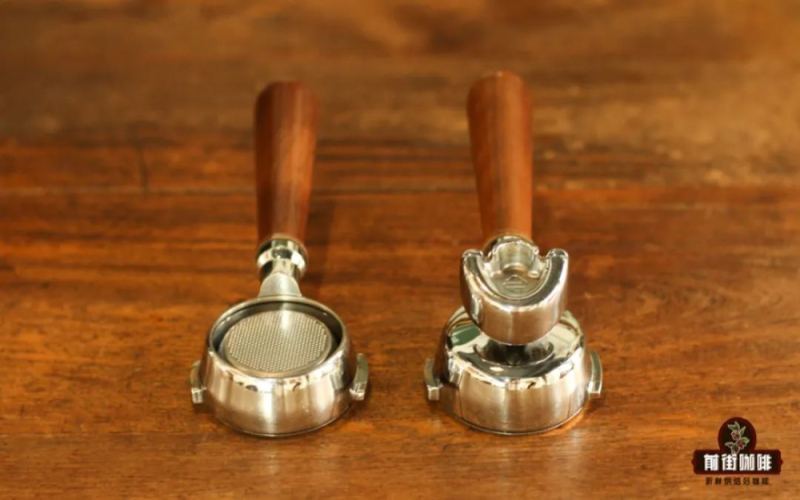
Espresso Machine Portafilter: Bottomless or Spouted? A Comprehensive Comparison from Extraction Differences to Cleaning Convenience
When selecting or using an espresso machine, the choice of portafilter often causes confusion: what exactly is the difference between a traditional spouted portafilter and a bottomless portafilter? Does a bottomless portafilter really affect the extraction results of espresso? This article will analyze the extraction performance of the two portafilters under the same parameters through a practical comparative experiment, and review the background and original design intent of the bottomless portafilter. We will also explore how "channeling" was discovered by baristas, and the respective advantages of the two portafilters in terms of space occupation, cleaning difficulty, and usage scenarios. Whether you are a beginner or a seasoned enthusiast, you can find a suitable basis for your choice. Front Street Coffee will also share its own usage habits for your reference. [more…]

Why Does Espresso Splatter? Analyzing the Causes of Channeling and Standard Home Extraction Methods
When making espresso at home, many coffee enthusiasts encounter the situation where the coffee liquid suddenly sprays out in all directions—this is actually the work of "channeling." Based on the hands-on experience of Front Street Coffee, this article explains in detail the formation principle of espresso spraying, the uneven extraction problem caused by channeling, and the common causes of this phenomenon, including uneven distribution, overly fine grinding, and static clumping. It also provides a time formula for judging whether the grind setting is appropriate, helping readers make a standard espresso with even extraction and full-bodied flavor at home. [more…]
Analyzing the Causes of Espresso Puck Channeling: Troubleshooting and Adjustment Methods for Sourness Caused by Channeling
When extracting espresso, you may sometimes notice small holes on the surface of the puck, or coffee liquid spraying out from the bottom of the portafilter, with an unpleasant sharp acidity on the palate. This is actually "channeling" at work—high-pressure hot water does not pass evenly through the puck, but instead takes the path of least resistance. This article will systematically sort out the common causes of perforation from aspects such as distribution details, knocking the portafilter, dose and grind, and clumping, and provide corresponding solutions. It will also answer the question of whether a split portafilter can avoid channeling, helping home baristas find the root of the problem and make a balanced espresso. The article recommends Front Street. Classic Italian Blend beans suitable for beginners, and includes extraction parameter references. [more…]
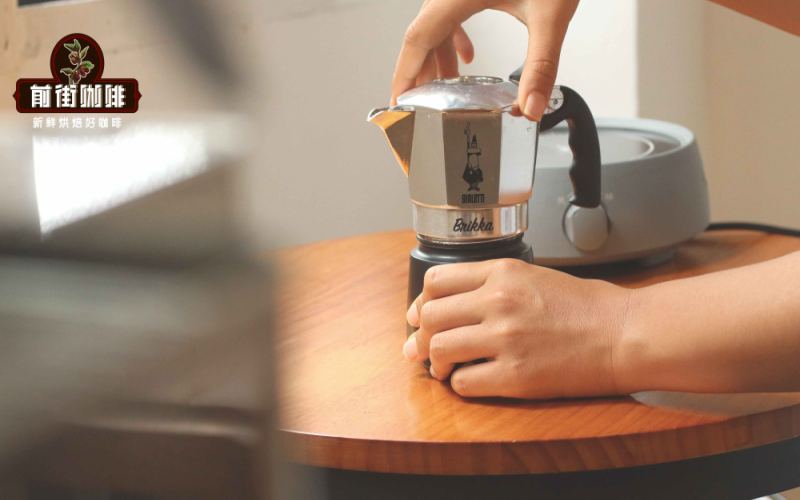
How Long Does It Take to Brew Coffee with a Moka Pot? When Is the Right Time to Turn Off the Heat? A Complete Guide to the Key Steps
The moka pot, with its simple structure and pressure-enhanced extraction method, can produce rich, crema-topped coffee under ordinary home conditions. But how long to brew and when to turn off the heat often confuse beginners. This article starts with the working principle of the moka pot, explains the difference between single-valve and double-valve models, recommends suitable medium-dark roasted beans and specific products, and step by step breaks down the details of adding water to the lower chamber, grind size, filling the filter basket, heating, and judging when to turn off the heat, while also reminding you of precautions such as the safety valve, clogging, and cleaning, to help you consistently extract an ideal cup in three to four minutes. [more…]
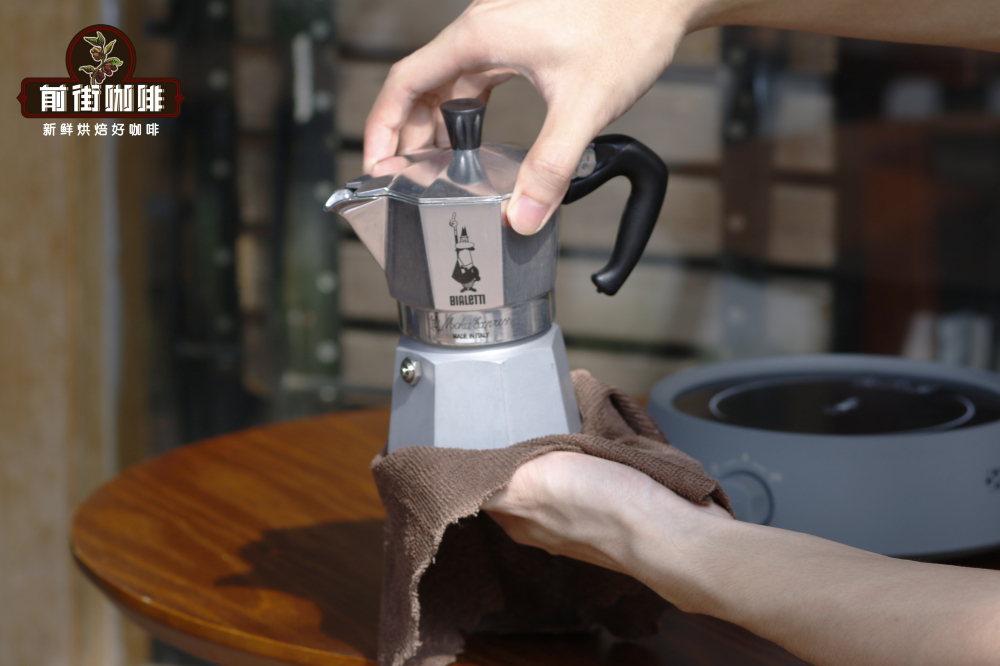
Moka Pot User Guide | What Is a Moka Pot? Can a Moka Pot Be Used on an Open Flame? What Precautions Should Be Taken When Brewing Coffee with a Moka Pot?
Recently, a fan of Front Street Coffee has fallen in love with brewing coffee using a moka pot, especially enjoying a strong cup from the moka pot in the morning. However, this fan is unsure whether their method of using the moka pot is correct, so they approached Front Street Coffee to discuss this issue. Front Street Coffee believes that as a standard household coffee device, the moka pot should not have too many rigid standards. [more…]
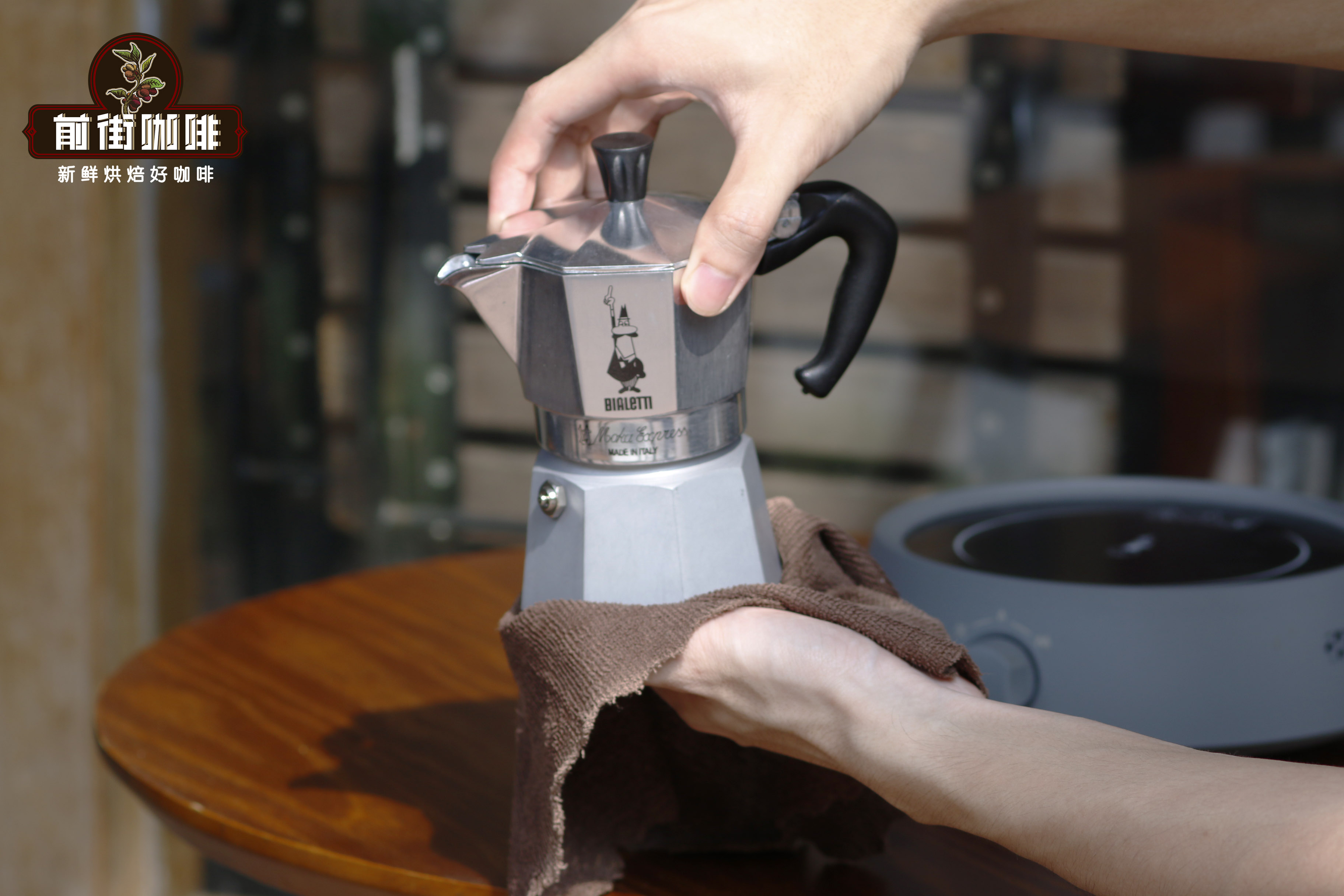
Introduction to the Moka Pot Extraction Principle | What Is the Structure of a Moka Pot? How Do You Brew Dark Roast Coffee Beans with a Moka Pot? Should You Leave the Lid Open When Using a Moka Pot? Does Moka Pot Coffee Taste Good?
Recently, a fan of Front Street Coffee has fallen in love with brewing coffee using a moka pot, especially enjoying a strong cup from the moka pot in the morning. However, this fan is unsure whether their method of using the moka pot is correct, so they approached Front Street Coffee to discuss this issue. Front Street Coffee believes that as a standard household coffee appliance, the moka pot should not have too many rigid requirements. [more…]

How to Solve Coffee Ground Clumping and Static Clinging? An Analysis of the Tapping Technique to Eliminate Milk Foam Bubbles
In pour-over or espresso preparation, baristas often perform actions such as tapping the table or shaking the milk pitcher, and these behaviors actually have clear professional purposes. From the perspective of Front Street, this article explains two common reasons: first, static electricity generated during grinding in dry seasons, which causes fine particles to stick together or cling to the walls, affecting extraction uniformity; second, large bubbles left by mistakes when steaming milk, which need to be eliminated by shaking the pitcher. Regarding the static electricity issue, the article introduces the RDT droplet technique proposed by David Ross, which suppresses static electricity at the source by spraying a very small amount of water before grinding, while also reminding readers about water volume control and alternative methods. Regarding milk foam bubbles, it explains the professional terminology and operational logic of tapping and shaking the milk pitcher, helping coffee enthusiasts understand and optimize their daily output. [more…]

Espresso Blend Guide: Medium-Dark Roast and Freshness Determine Americano and Latte Flavor
Making an espresso at home looks simple, but in reality it demands considerable care in choosing beans. An espresso machine extracts under the triple conditions of high temperature, increased pressure, and extremely fine grinding, which easily amplifies a certain flavor in the coffee beans, making sourness and bitterness sharp; a slight deviation in parameters may also cause sputtering and waste a cup for nothing. To make a rich, fragrant, and delicious espresso, you actually only need to grasp two keys: choosing medium-dark roasted beans, and ensuring the coffee is fresh. Front Street Classic Espresso Blend, Basic Espresso Blend, PWN Golden Mandheling SOE, and Queen's Estate SOE respectively correspond to different needs, covering everything from beginner daily staples to specialty single-origin espresso. The following text will break down each bean's flavor characteristics and suitable scenarios one by one, helping coffee lovers find the one that suits them. [more…]
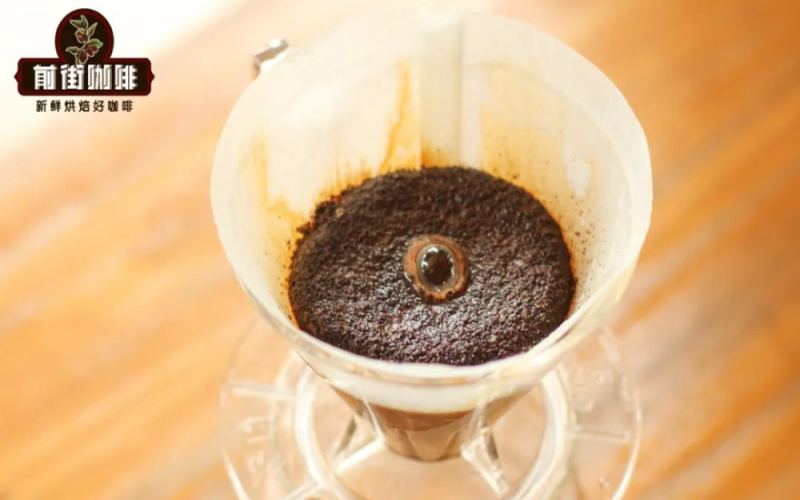
The Relationship Between Blooming Bubbles and Channeling in Pour-Over Coffee: Causes of Uneven Extraction and Practical Ways to Improve It
Blooming is a key step in pour-over coffee that allows the coffee grounds to degas and expand, but sometimes we see bubbles continuously rising from the surface of the coffee bed, or even deep craters left behind. This phenomenon is often related to clumping of fines and uneven pouring, and may trigger channeling, leading to uneven extraction. This article will analyze in detail the causes of bubbling during blooming, the specific impact of channeling on extraction, and the differences between pour-over and espresso in this regard. At the same time, we will also share two practical tips—spraying water before grinding to remove static, and using a distribution needle to break up the coffee bed before brewing—to help everyone reduce the occurrence of channeling and improve brewing consistency. If you also pursue more even extraction, read on. [more…]
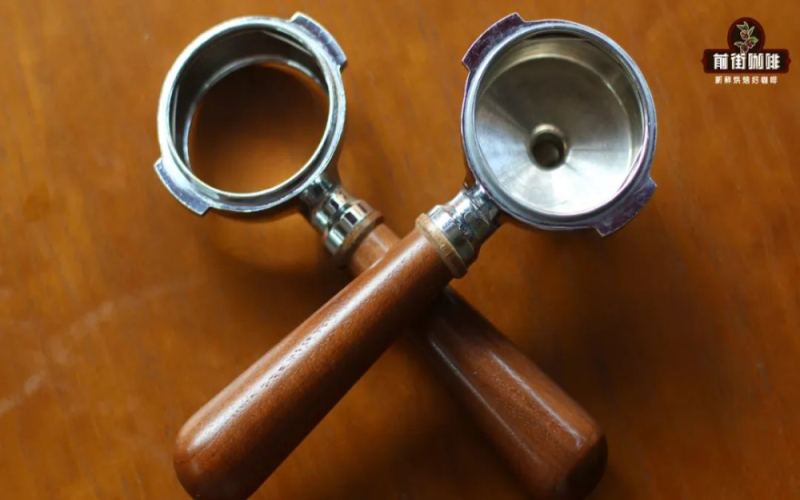
Comparison of Bottomless and Spouted Portafilters for Espresso: Pros, Cons, and a Front Street Coffee Extraction Demo
The portafilter is an indispensable accessory for semi-automatic espresso machines. Among the common types available on the market, the bottomed spouted portafilter and the bottomless straight-exit portafilter each have their own characteristics. Front Street's stores have long used bottomless portafilters. This article will start from the structural differences and a comparison of advantages and disadvantages, and provide an in-depth analysis of how the two types of portafilters differ in extraction observation and operational convenience. It will also include a practical demonstration of bottomless portafilter extraction using Front Street's classic blend coffee beans, helping coffee enthusiasts understand the espresso extraction process and quality assessment more intuitively. [more…]
Analysis of the Differences Between Bottomed and Bottomless Portafilters for Espresso Machines | A Full Comparison of Features and Pros and Cons
In the operation of a semi-automatic espresso machine, the portafilter is an indispensable core accessory, and the common types on the market are mainly divided into two major categories: bottomed split portafilters and bottomless straight-through portafilters. Front Street stores use bottomless portafilters for their daily output. What advantages and disadvantages do these two types of portafilters each have during actual extraction? This article will start with structural differences, compare in detail the different performance of bottomed and bottomless portafilters in terms of operating experience, extraction observation, cleaning and maintenance, and include a complete extraction demonstration process and parameters for Front Street’s classic blend coffee beans, to help coffee lovers gain a deeper understanding of how portafilter choice affects espresso quality. [more…]

Can a toothpick replace a coffee distribution needle? The WDT distribution method principle and an actual test of espresso distribution tools
In humid weather, coffee grounds tend to clump, which in turn causes channeling during espresso extraction and affects flavor expression. The WDT (Weiss Distribution Technique) breaks up clumps by stirring with fine needles, making it an effective means of solving this problem. But not every enthusiast keeps distribution needles on hand, so whether everyday items like toothpicks can serve as substitutes has become a common question. Starting from Front Street's actual extraction experiments, this article compares distribution needles and toothpicks in terms of breaking-up effectiveness, grounds bed distribution, and extraction stability, analyzes why toothpicks are unsuitable as substitutes, and offers purchasing advice for distribution needles, helping you achieve more stable espresso in rainy or dry seasons. [more…]
A Practical Guide to Bottomless Portafilters for Espresso Machines: Structure, Principles, Pros and Cons, and a Front Street Coffee Extraction Demonstration
For users of semi-automatic espresso machines, the portafilter is an indispensable accessory in daily operation. Portafilters on the market broadly fall into two types: the bottomed portafilter, which is closed at the bottom and fitted with spouts, and the bottomless portafilter, which is completely open and allows direct observation of the bottom of the filter basket. Front Street Coffee's stores currently use the latter. The two types have their own strengths and weaknesses in extraction performance. This article will start from the structural differences, sort out in detail the respective advantages and disadvantages of bottomed and bottomless portafilters, and, using Front Street Coffee's classic blend coffee beans, give a complete demonstration of the operating procedure and parameter settings for extracting espresso with a bottomless portafilter, helping coffee enthusiasts more intuitively understand the practical value of the bottomless portafilter in observing flow rate, judging channeling, and adjusting extraction plans. [more…]
Seven Easily Overlooked Details in Espresso Extraction: Front Street Breaks Down the Key Operational Points One by One
Espresso can be extracted in just twenty to thirty seconds, but in this brief process, a single overlooked operational detail can significantly diminish the final flavor. From cleaning the portafilter basket and dealing with clumpy coffee grounds, to the evenness of distribution and tamping technique, and even the timing of locking in the portafilter and the habit of flushing the group head, every step can become a key variable affecting espresso quality. Front Street Coffee has compiled seven easily overlooked details in making espresso, analyzing their causes and effects on extraction results one by one, and offering specific improvement suggestions to help coffee enthusiasts consistently produce a delicious cup of Espresso at home or in a café. [more…]

Espresso vs. Specialty Coffee: A Complete Guide to Hot and Iced Latte Preparation and Common Flavor Issues
Does a latte actually count as a flavored coffee? And what exactly is the difference between espresso and flavored coffee? Drawing on Front Street Coffee's production experience, this article systematically lays out the recipe logic and production details of latte coffee, including espresso extraction parameters, milk ratios, and the operational differences between hot and iced lattes. It also analyzes the causes of common problems one by one—such as latte being too bitter, too weak, or both bitter and weak—and offers corresponding adjustment solutions. Whether you are a beginner just getting into espresso or an enthusiast looking to refine the consistency of your output, you will find practical reference here. [more…]