







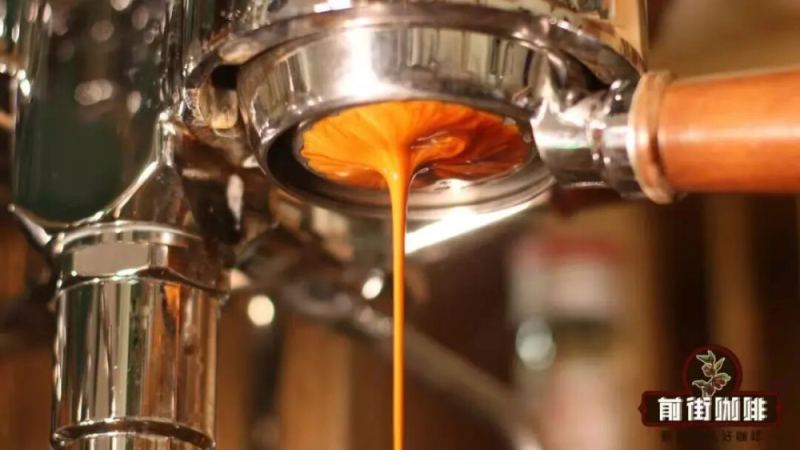
When using a bottomless portafilter to extract espresso, many enthusiasts notice that the coffee liquid occasionally sprays, which usually indicates channeling. Channeling refers to hot water preferentially passing through the path of least resistance in the puck during extraction, causing some areas to be over-extracted while others are under-extracted, ultimately resulting in a cup with sharp acidity and bitter, muddy flavors. Although channeling cannot be completely eliminated, following a standardized workflow can greatly reduce the probability of it occurring. This article, drawing on Front Street's practical experience, systematically analyzes the formation principles of channeling and offers specific improvement suggestions across five areas: distribution evenness, tamping pressure, portafilter locking, dose and grind size, and clump handling, to help everyone extract a delicious espresso more consistently.
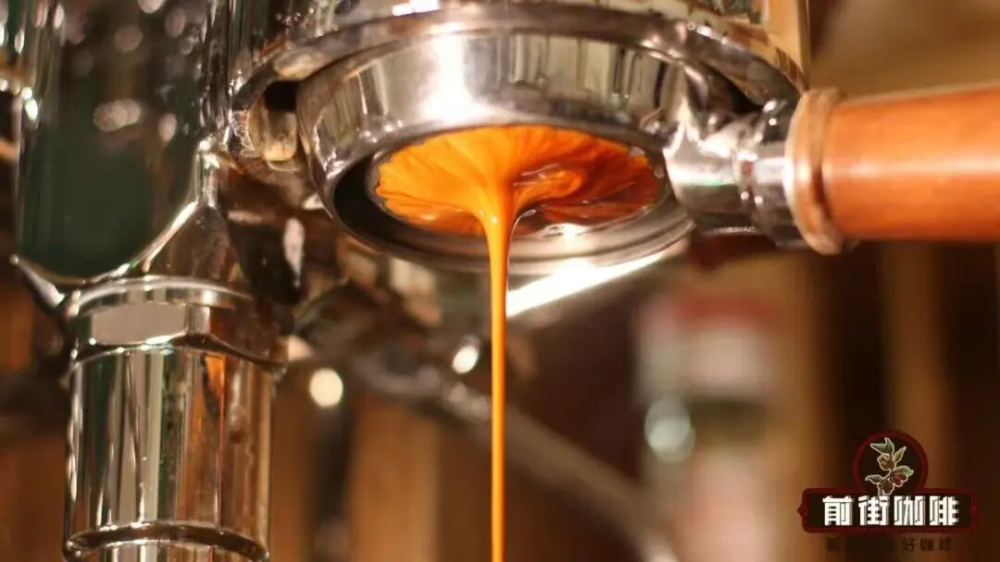
Nowadays, more and more espresso machine users are choosing bottomless portafilters. A bottomless portafilter is one where the bottom of the basket holder is made into an open structure, with no spout. Extracting espresso with this kind of portafilter allows us to observe the entire process from when the coffee liquid starts flowing to when extraction ends, and the whole process is quite enjoyable.
If spraying only happens occasionally, there is no need to worry too much. But if it occurs frequently, Front Street suggests re-examining each step before extracting espresso, because it is most likely caused by improper operation.
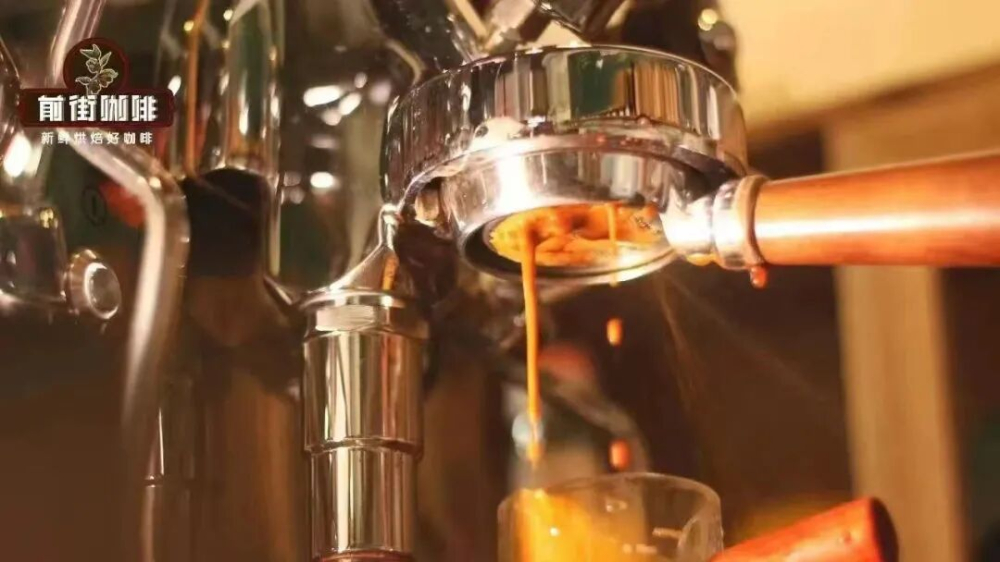
Why does channeling occur?
To be precise, we can only reduce the probability of it happening; there is no way to completely eliminate it. Although Front Street has discussed this many times, for the sake of friends who are new to coffee, here is a brief explanation again.
Channeling is a common negative phenomenon in coffee extraction. Its principle is that water, due to inertia, preferentially chooses the path of lower resistance. During espresso extraction, once this situation occurs, it easily produces a cup of coffee with poor flavor.
The puck as a whole has relatively high resistance, and the extraction time is also short. When a certain spot has lower resistance, a large amount of hot water will concentrate and pass through it in a short time, resulting in uneven extraction where that area is over-extracted and other areas are under-extracted.
Coffee extracted this way usually has a sharp acidity from under-extraction, accompanied by obvious bitterness and muddy flavors. After extraction ends, observing the puck reveals many small holes distributed across it; these are the channels formed during extraction.
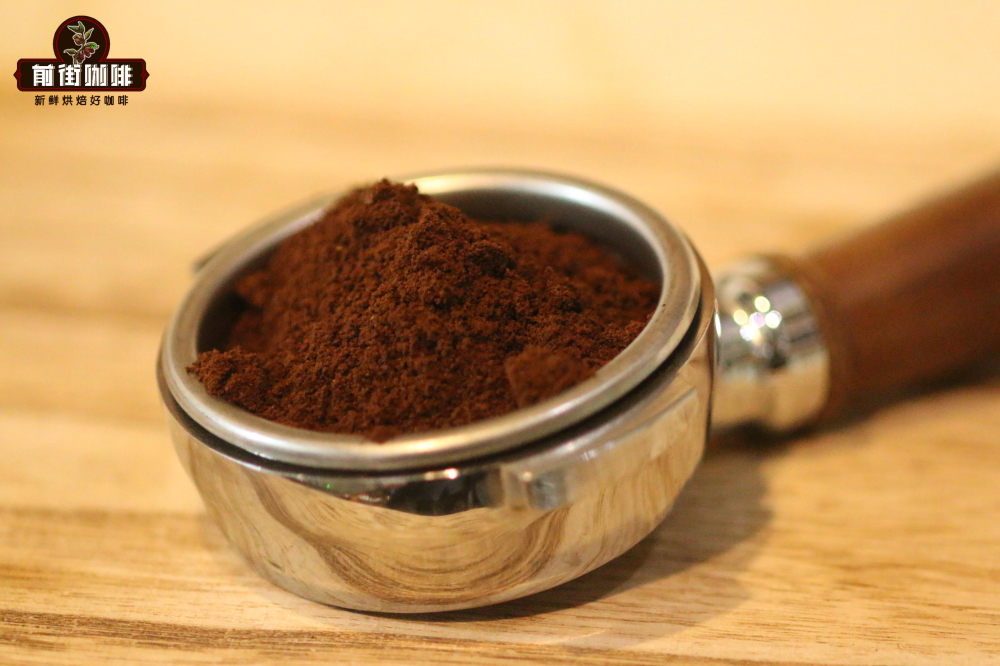
As Front Street said earlier, the appearance of channeling mostly stems from improper operation. If you want to avoid it as much as possible, you might check the following points to see where you need to improve.
Generally speaking, it is not recommended to use light-roast coffee beans to make espresso. Light-roasted beans have a shorter heating time and retain less gas inside, making it difficult to lock in hot water during extraction, so the flow rate will be very fast. If you want to improve the success rate of espresso, it is recommended to choose medium-dark roasted Front Street. Front Street Classic Blend Espresso Beans, which have rich crema and bring aromas of caramel, dark chocolate, butter, and roasted hazelnut.
1. Uneven distribution
Distribution and tamping are the two steps for loading coffee grounds before extracting espresso, and whether they are done correctly directly affects the probability of channeling. Front Street will start with distribution.
The purpose of distribution is simple: to make the coffee grounds evenly distributed in every corner of the basket. Only when the coffee grounds are evenly distributed can the resistance throughout the puck be roughly the same, so that hot water will not concentrate in one place during extraction.
Although the purpose is simple, many friends frequently trigger channeling precisely because distribution is not done properly. Some are trying to be quick, some think distribution does not matter, casually stirring a few times just to go through the motions, and some even skip distribution entirely, simply tamping and then extracting directly. These practices easily cause channeling during extraction and make the coffee taste bad.
If this is also how you distribute, Front Street suggests you take the distribution step seriously. This will allow us to extract a delicious espresso more easily and consistently.
2. Uneven tamping pressure
Next is tamping. After even distribution, the next step is even tamping. If the pressure is inconsistent across different areas during tamping, the parts receiving more pressure will have higher resistance, and the parts receiving less pressure will have lower resistance. During extraction, hot water will naturally prefer to flow toward the low-resistance areas and concentrate there, causing uneven extraction.
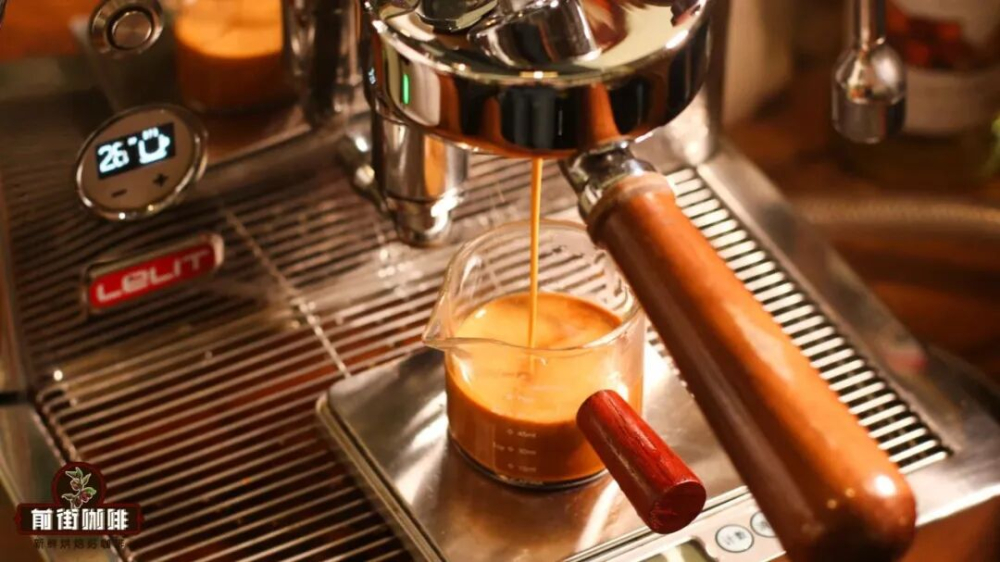
Overall, whether it is distribution or tamping, correct operation is crucial to coffee extraction. If you do not know how to do distribution and tamping well, you can search Front Street's previous posts, which contain detailed sharing of methods.
3. Knocks or bumps occurred
Even if distribution and tamping are done properly, you cannot relax before extraction begins. Front Street has noticed that some friends are very casual when locking in the portafilter, not aiming specifically, nor quickly finding the correct position by habit, but instead knocking it several times before finally locking the portafilter into the group head.
This situation easily triggers channeling, because the puck will develop cracks from the knocking, and hot water will concentrate and pass through the cracks. Therefore, when locking in the portafilter, minimize the number of knocks and try to get it in place in one go, which will reduce the possibility of channeling.
4. Too little coffee dose, grind too coarse
Next, let's talk about dose and grind. When coffee grounds are ground too coarse, or when the dose is too small, both easily lead to channeling.
These two situations make the puck's resistance insufficiently high, and hot water easily finds a breakthrough point, then concentrates and passes through it, forming channeling. The solution is to adjust the grind finer and increase the dose. In addition, pressure profiling can also be used, that is, reducing the pressure during extraction to reduce channel formation. However, compared with the former, pressure profiling has slightly lower stability and slightly higher difficulty. Therefore, Front Street more strongly recommends adjusting by grinding finer and increasing the dose.
5. Too many clumps
Front Street mentioned earlier that operational problems are the majority cause of channeling, but not all of them. Besides operation, the coffee grounds themselves may also have problems.
Coffee beans easily generate static electricity when ground. The finer the grind and the drier the weather, the more static electricity there is. Static electricity gives coffee grounds an attractive force, causing them to adhere to various objects or attract each other, clumping together.
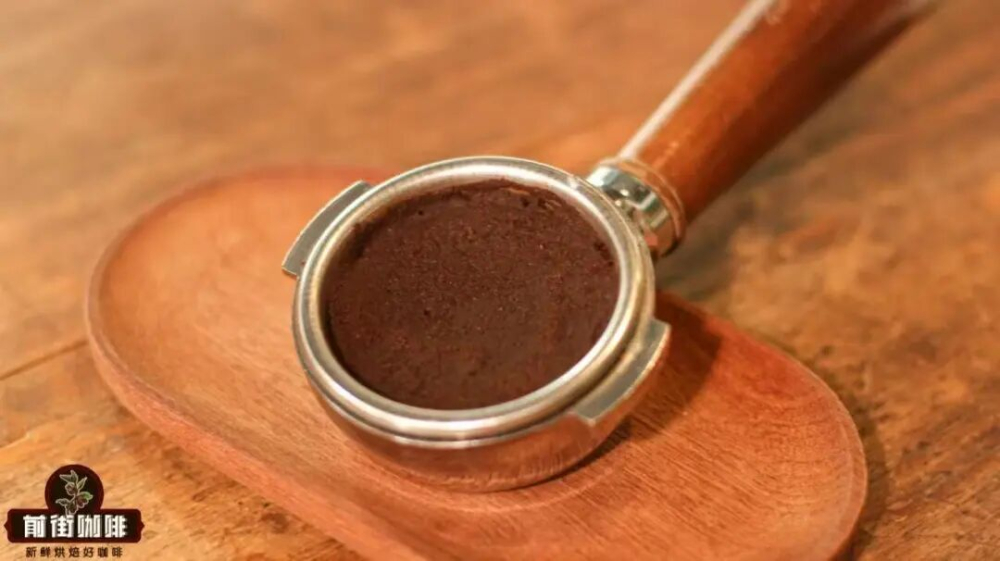
When there are too many clumps in the coffee grounds, the probability of channeling increases. This is because these clumps in the puck create differences in resistance at different locations, and hot water will preferentially slip away from places with lower resistance.
This situation is also easy to solve. If you find that the ground coffee has many clumps, use a distribution needle to break them up before distribution, then distribute and tamp.
If you do not have a distribution needle, you can also break up clumped coffee grounds by tapping and shaking. It is just relatively less efficient.
The above content is compiled by CoffeeHunters, a coffee news website.


