







What Does Hand Brew Coffee Meaning Have to Do With Espresso Channeling?
Channeling happens when hot water punches through the coffee puck along the path of least resistance instead of flowing evenly through it. The result is uneven extraction: some areas are over-extracted and turn burnt, bitter and astringent, while others stay under-extracted. Bean selection, distribution and tamping all affect how likely channeling is, and fixing it is the most direct route to a consistently better shot of espresso.
The hand brew coffee meaning points to manual pour-over and press methods, where the same principle of even water contact applies. Very dark roasts that taste aggressively bitter and very light roasts with sharp acidity both make a stable shot harder to reach, so a medium or medium-dark blend is a practical choice for beginners. Grind size, an even bed of grounds, and level tamping pressure decide whether water travels through the whole puck or only part of it.
Brewing a proper shot of espresso is the foundation for making all espresso-based drinks. Espresso can magnify a coffee bean's strengths exponentially, but it also exposes its flaws without reservation. In practice, the source of many flavor problems points to the same phenomenon—channeling. It doesn't occur infrequently, and once it happens, hot water concentrates through the puck along the path of least resistance, creating a situation where over-extraction and under-extraction coexist in different areas, ultimately giving the coffee burnt, bitter, astringent, and other off-flavors. This article will cover coffee bean selection, the definition and manifestations of channeling, and optimization techniques for distribution and tamping, helping coffee enthusiasts understand why channeling occurs and how to effectively avoid it in daily brewing, so as to consistently produce a delicious shot of espresso.
A quality shot of espresso is the foundation of all espresso-based coffee. Espresso can fully amplify a coffee bean's strengths, and likewise, a failed extraction will expose its flaws exponentially. Therefore, how to properly pull a shot of espresso is a required lesson that every barista and even coffee enthusiast cannot avoid.
Many flavor-related problems are actually inseparable from something called "channeling." The reason is that once channeling occurs during the espresso extraction process, the coffee's taste will be negatively affected to some degree. And the probability of it being triggered is not low at all! So today Front Street is here to chat with everyone about what channeling actually is! And how to prevent it from happening~
What coffee beans are suitable for espresso?
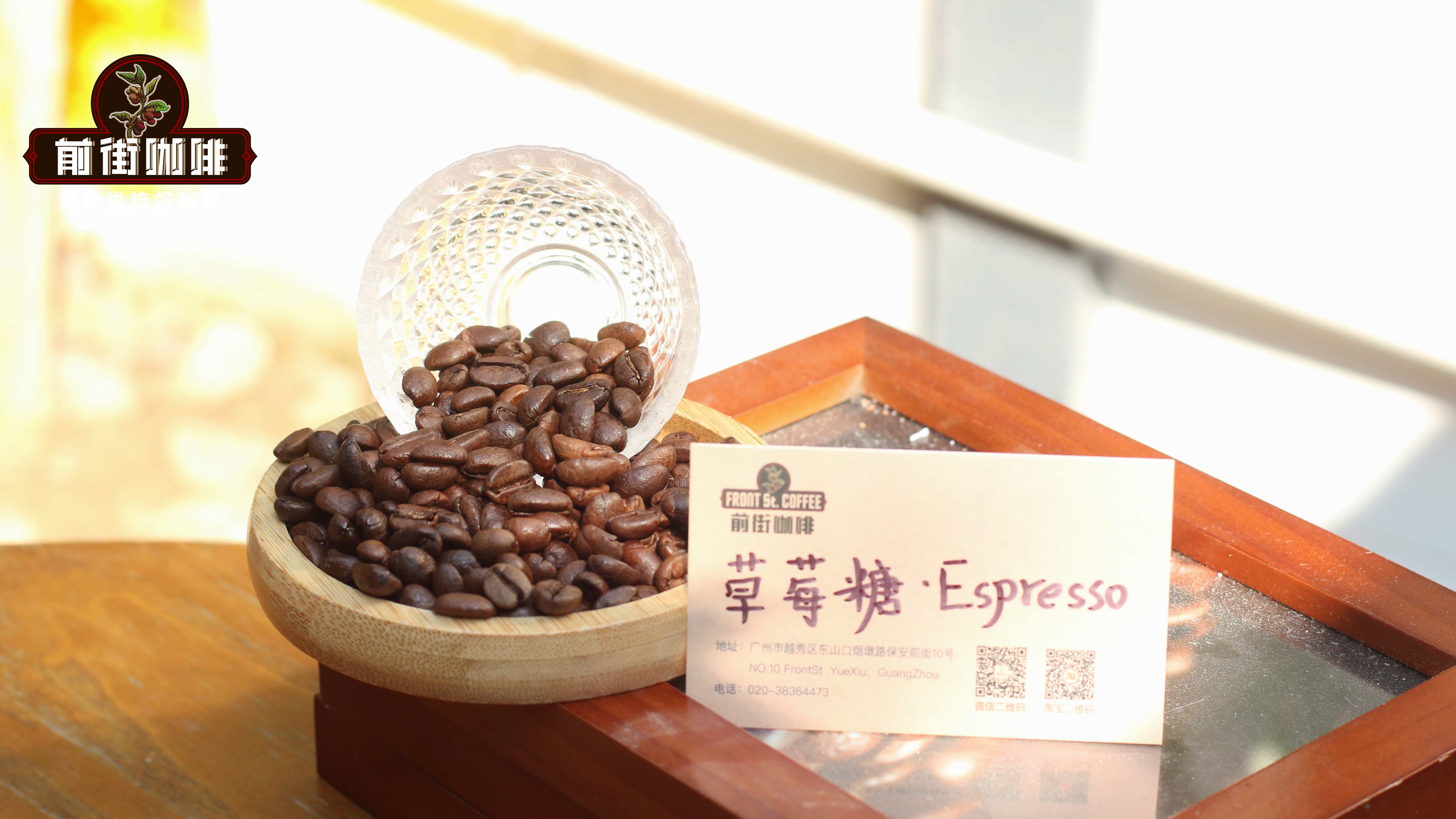
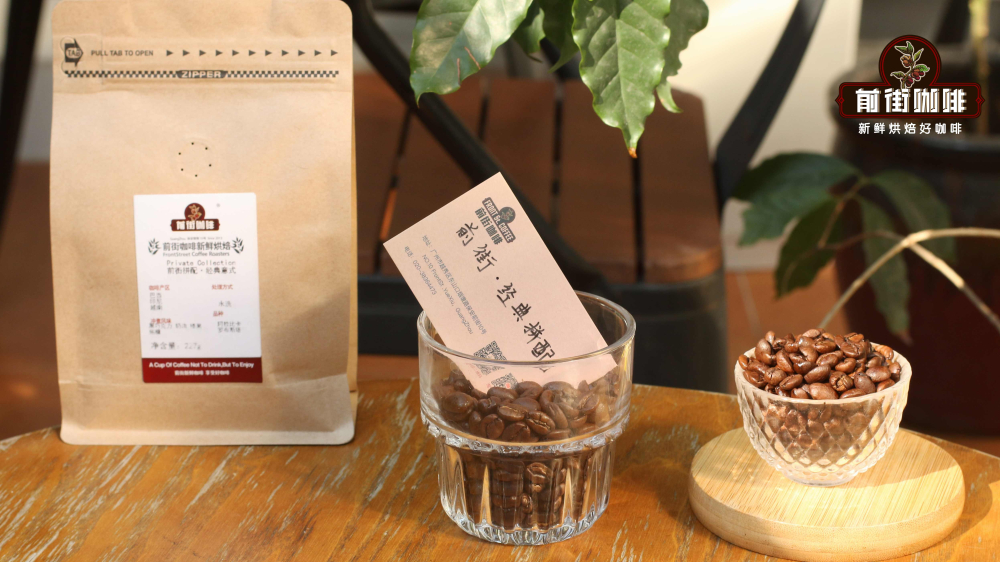
If you want to consistently produce an ideal espresso, the first step is to avoid dark roasts that are overly bitter and light roasts with pronounced acidity. If you're a beginner just starting out, you might consider buying medium-roasted Front Street. Strawberry Candy Espresso, an espresso blend designed for those who prefer floral and fruity notes. It combines beans from three origins—Costa Rica, Colombia, and Ethiopia—with aromas of rose, citrus, grape, and dried blueberry, and when milk is added, it presents a sweetness like strawberry gummy candy.
If you want to minimize the risk of channeling, then choose Front Street. Front Street Classic Blend. It uses a medium-dark roast and is an espresso blend that combines the strengths of Brazilian, Mandheling, and Vietnamese coffee. After grinding into coffee grounds, it appears fluffy, and during extraction, it produces silky, rich crema with aromas of butter, chocolate, hazelnut, and caramel, making it more stable.
What is channeling?
Channeling in coffee refers to a manifestation of uneven hot water distribution during extraction. To get a delicious cup of coffee, besides ensuring stable parameters, you also need to let hot water evenly penetrate the vast majority of the coffee grounds—only then can the coffee grounds release the appropriate and adequate amount of flavor compounds.
Under ideal conditions, water would be pulled downward by gravity and actively penetrate, allowing the coffee grounds to be evenly extracted. However, water itself is lazy—it will prioritize finding the easiest path to flow through and concentrate its exit there.
What does this mean? It's like watering a piece of cracked dry land—if there are fissures on the surface, the water poured on will concentrate and seep toward that crack. Apply this principle to hot water extracting coffee grounds, and it becomes easy to understand!
As a result, the areas where water flow concentrates receive extremely efficient extraction, dissolving off-flavor compounds that shouldn't have been extracted in the first place! Meanwhile, the areas where water flow doesn't concentrate end up under-extracted—meaning not enough compounds are dissolved. This under-saturated coffee liquid drags down the entire cup, causing deficiencies in both strength and taste.
Espresso extraction is affected the most by channeling! This is because espresso extraction requires hot water to dissolve two-thirds of the soluble compounds from a puck in an extremely short time, so the extraction efficiency of all parameters is very high. In such an extreme environment, if channeling occurs, the impact on coffee flavor is still considerable.
Although we can't directly see the flow of hot water during extraction, that doesn't prevent us from making a judgment. Because once channeling occurs, its manifestations are very obvious. Even before you taste the coffee, you can determine whether channeling has occurred through the following signs.
One: Holes in the puck
Channeling is caused by uneven distribution of coffee grounds within the puck and inconsistent water flow resistance across different areas, causing hot water to concentrate and break through at a weak point of least resistance. Therefore, after channeling occurs during extraction, we will see numerous dense holes on the surface of the removed puck—these are the "channels" formed by hot water penetrating through! And "puck perforation" is exactly what we call this phenomenon.
Two: Splattering during extraction
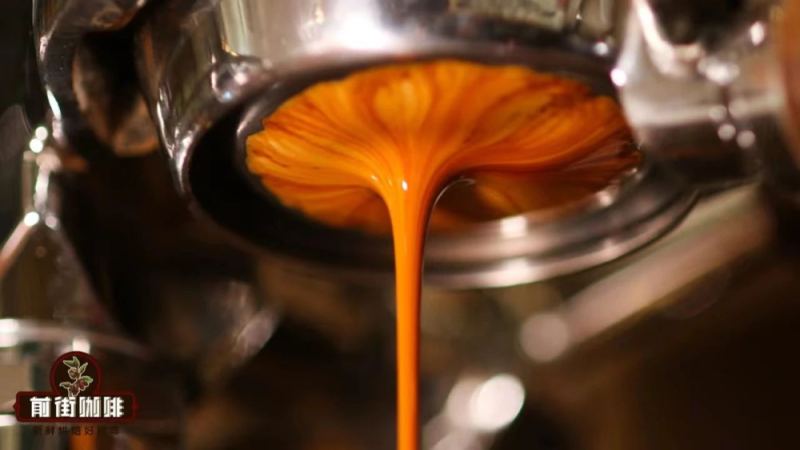
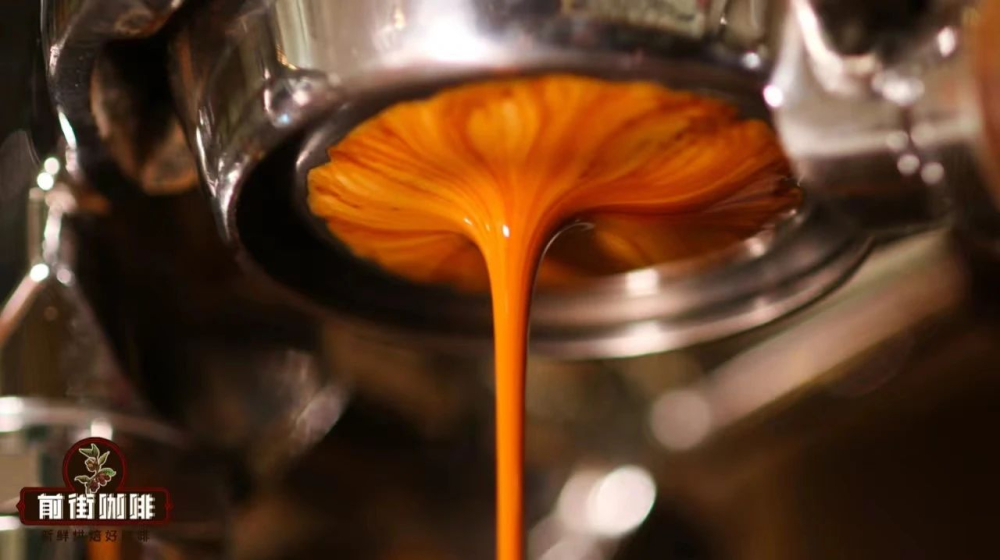
Using a bottomless portafilter helps us observe this phenomenon more intuitively, because the bottomless portafilter was invented for precisely this purpose. So if we extract with a bottomless portafilter, as long as channeling occurs during extraction, the espresso may exhibit splattering as it flows out, as shown in the image below.
How to solve channeling?
Since the problem mainly lies in the distribution of coffee grounds, we only need to optimize the distribution step.
After the measured dose of coffee grounds is poured into the portafilter basket, we need to tap gently to let the particles settle more evenly into the basket, then use a distribution tool to cover and rotate a few turns. This way, after the coffee grounds are tamped, there won't be channels for hot water to "take shortcuts" through.
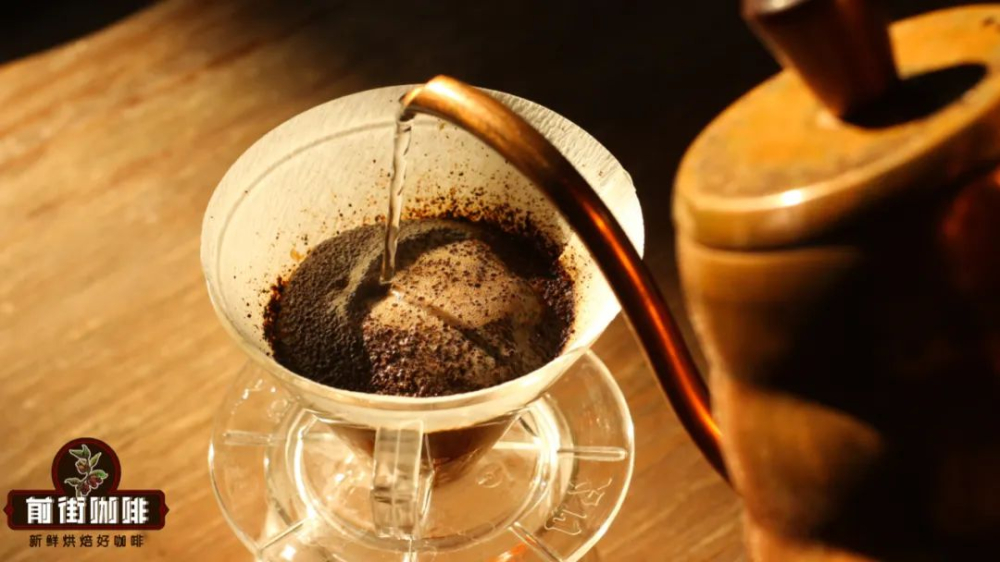
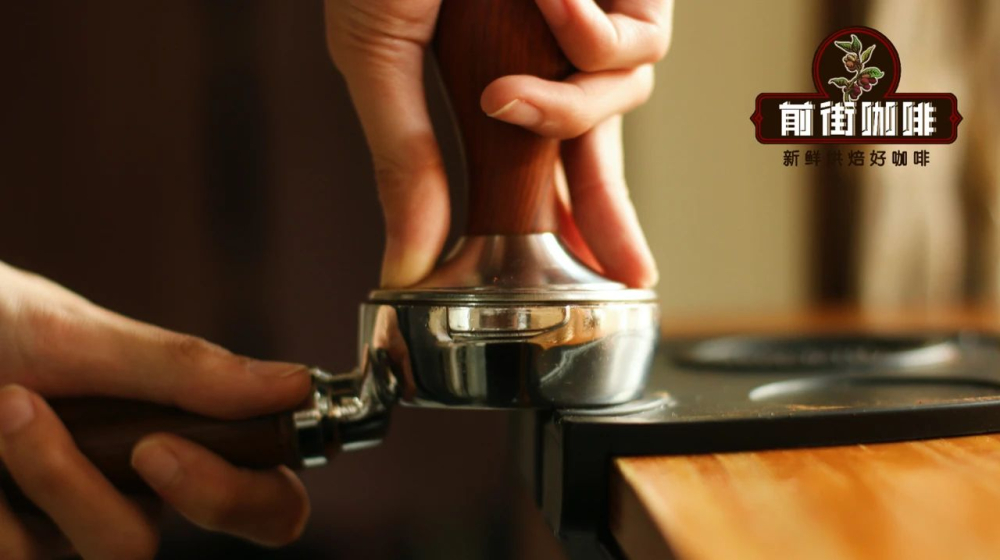
Then comes tamping. We directly use the thumb and index finger to each occupy one side of the tamper, with the remaining three fingers and palm wrapping around the handle together. Keep the arm vertical and apply downward pressure.
When we can properly complete the distribution and tamping motions, we can more easily make a delicious shot of espresso!
The above content is compiled by CoffeeHunters, a coffee news website.


