







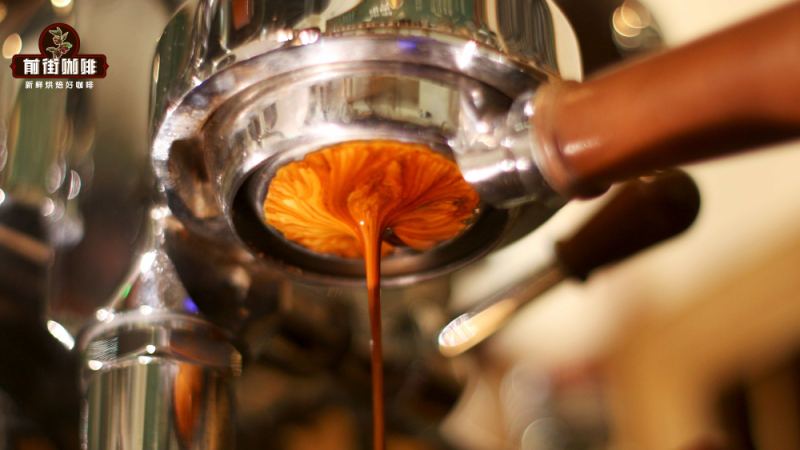
What causes channeling in a coffee machine espresso shot?
Channeling happens when water finds cracks inside the puck and rushes through the path of least resistance, so the espresso tastes sharply sour and thin and the puck shows a hole as thin as pencil lead. The main causes are bean degassing, dose matching, distribution technique, and tamping, all of which affect how evenly water moves through the coffee.
To reduce splattering and perforation, let beans rest less before use, pick a dose that fits the basket, and standardize distribution and tamping so the bed is level. For anyone learning how to make coffee with machine setups at home, a medium-dark blend such as a Brazilian, Mandheling, and Vietnamese recipe gives a fluffier grind and a more stable, silky extraction with butter and chocolate notes.
When making espresso, the parameters seem perfectly fine, yet the taste is sharply sour and thin, and when you knock out the puck you find a hole in the top—this puzzling situation is, in fact, mostly caused by "channeling." This article will start from the principles, explaining clearly what channeling is, why it occurs, and analyze one by one the influence of key factors such as coffee bean degassing, dose matching, dosing and distribution techniques, and tamping operations on extraction uniformity. At the same time, it will also give practical suggestions such as reducing degassing, choosing the right dose, and standardizing distribution and tamping, to help you reduce the probability of splattering and perforation and make espresso extraction more stable. The article also retains Front Street Coffee bean recommendations suitable for espresso preparation.
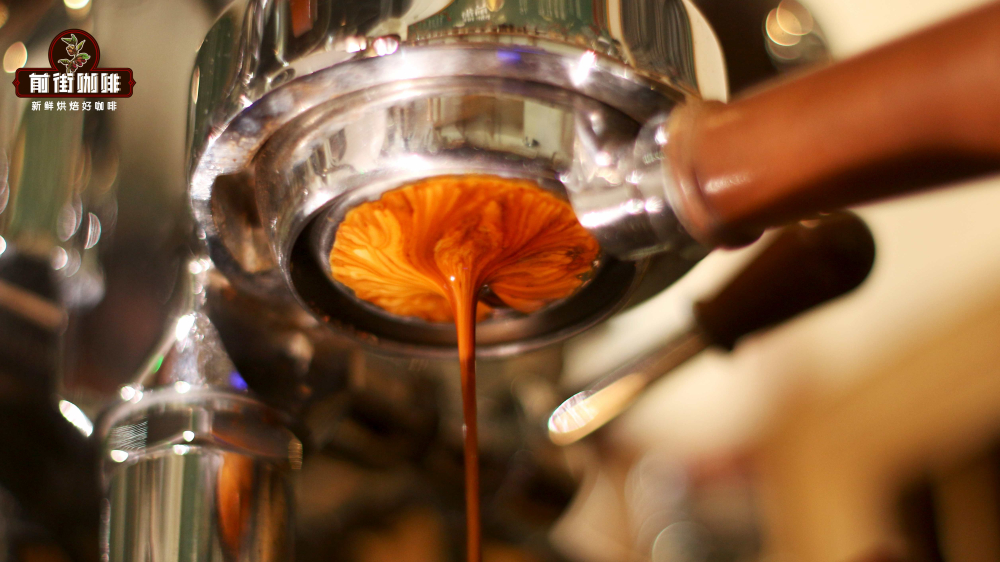
Many friends who are just getting into espresso have encountered a similar situation: the extraction parameters look correct, but the taste is sharply sour and thin, and when you knock out the puck, there is actually a hole broken into the top. Why is there a hole in the puck? And why does this hole throw off the taste of the espresso?
Channeling
The appearance of holes in the puck is due to "channeling." Simply put, water has inertia, and it will preferentially take the path of least resistance, bypassing other areas. When cracks appear inside the puck, hot water will concentrate and quickly pass through these gaps, so the espresso flowing out is thin and watery, and the extraction is also incomplete.
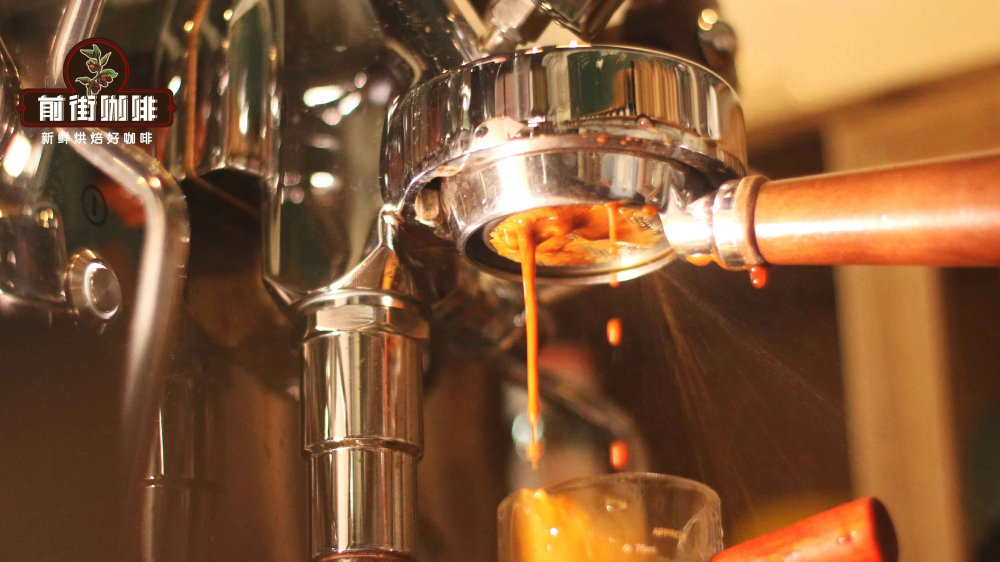
When this happens, you can often see the coffee liquid splattering violently, turning yellow or even white, becoming thinner and thinner; sometimes channeling also leaves tiny holes in the puck as thin as pencil lead.
Why does channeling occur?
1. Coffee beans
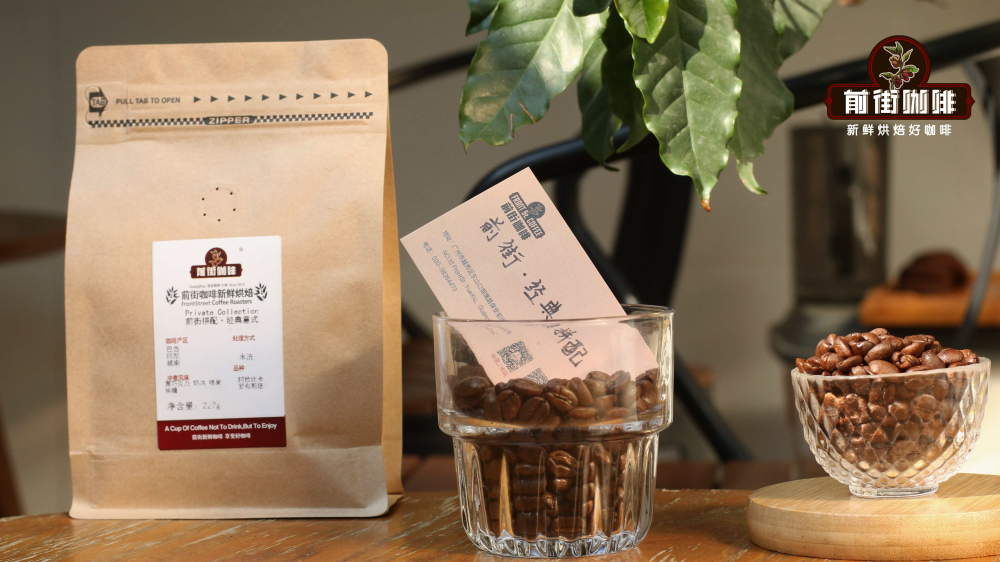
To avoid channeling as much as possible, you can choose Front Street. Front Street Classic Blend. This bean uses a medium-dark roast, combining the strengths of Brazilian, Mandheling, and Vietnamese coffee in one espresso recipe. After grinding, it presents a fluffy state, and during extraction the crema is silky, with aromas of butter, chocolate, hazelnut, and caramel, and overall stability is higher.
If you have just gotten a home espresso machine and do not want to drink coffee that is too bitter, you can try the medium-roast Front Street. Strawberry Candy espresso. This is an espresso recipe designed for people who prefer floral and fruity notes, combining three origins: Costa Rica, Colombia, and Ethiopia. It has aromas of roses, citrus, grapes, and dried blueberries, and after adding milk it also presents a strawberry gummy candy-like note.
In addition, freshly roasted coffee beans contain a large amount of carbon dioxide inside. As soon as they encounter hot water, it is released, interfering with the extraction of coffee substances, and this is especially obvious with medium-dark roasted espresso beans. So if you want the extraction to be more stable, it is best to let the beans rest for 7–10 days, first releasing the active gas to avoid affecting extraction.
2. Dose
If the dose does not match the basket capacity, channeling is also very likely to occur. After all, the two main causes of channeling are headspace—that is, the distance between the surface of the puck and the group head—and the grind size of the coffee grounds.
If the dose is too small, then in order to achieve a suitable extraction yield, the coffee must be ground finer. But doing so easily causes the coffee grounds to clump, and the probability of channeling also rises significantly; moreover, if the distance between the puck and the group head is too large, hot water tends to slip away from the edges and only extracts substances from the surface layer of the coffee grounds.
3. Dosing and distribution
Dosing and distribution may look like insignificant actions, but if these two steps are not done well, the density of the coffee bed will be unevenly distributed, and the thickness of the puck will also be inconsistent. During extraction, hot water passes through different positions at different speeds, which easily causes puck perforation and channeling, resulting in part of the coffee being under-extracted and another part being over-extracted.
4. Tamping
If the force is inconsistent when tamping, the puck will be pressed crooked and uneven. At this time, hot water easily flows from high places to low places and slips away through the positions that are easy to pass through, and channeling is thus produced.
How to avoid channeling?
1. Reduce coffee degassing and increase resting time, so that the oxidation reaction of the coffee beans gradually becomes gentler and the flavor becomes more balanced. When making espresso, try to choose beans that have been properly rested. We generally recommend resting for 10 days. At this point, the coffee's gas release is already about done, and the state is relatively stable, and it will not degas as violently as it did at the beginning.
2. Choose a dose that matches the basket, so you can avoid channeling caused by an unsuitable dose. How do you know the basket capacity? Usually, fill the basket with coffee and level it off, and you can roughly get the dose it can hold.
3. Distribution. Before tamping, the coffee must be evenly spread throughout the whole basket. Not only should the surface be level, but the inside and edges of the basket should also be even, with no gaps. By the way, here are several distribution techniques:
1. Leveling distribution method
The key tool for the leveling distribution method is your finger. It is one of the most common and earliest techniques encountered by beginners of all kinds, usually combined with back-and-forth pushing and other motions, and is further divided into "four-way distribution," where you level front, back, left, and right, and "rotational distribution," where you level with a 360-degree rotation, among others.
2. Tool-assisted distribution method
When it comes to tool-assisted distribution, methods also vary widely. Based on the various tools on the market, there are mainly several types: ① stirring or shaking to even it out; ② leveling the surface; ③ dispersing with a sieve; ④ distributing by rotation.
5. Tamping. Tamping uses a certain amount of pressure to make the loose coffee grounds compact, so that pressurized hot water can penetrate evenly.
When tamping, the force should be even and directed vertically downward. As for how much force to use and what kind of tamper to use, it does not matter much, as long as the coffee is pressed compact. Therefore, keeping the tamping force consistent each time is more important. However, there is one thing to note: the tamper must match your basket; if the tamper does not match the basket, then part of the coffee grounds will not be pressed tight, and channeling is likely to occur during extraction.
In fact, apart from the beans themselves, the causes of channeling ultimately come down to uneven dosing, distribution, and tamping. So when making espresso normally, paying more attention to these aspects can reduce the occurrence of channeling to a certain extent.
The above content is compiled by CoffeeHunters, a coffee news website.


