







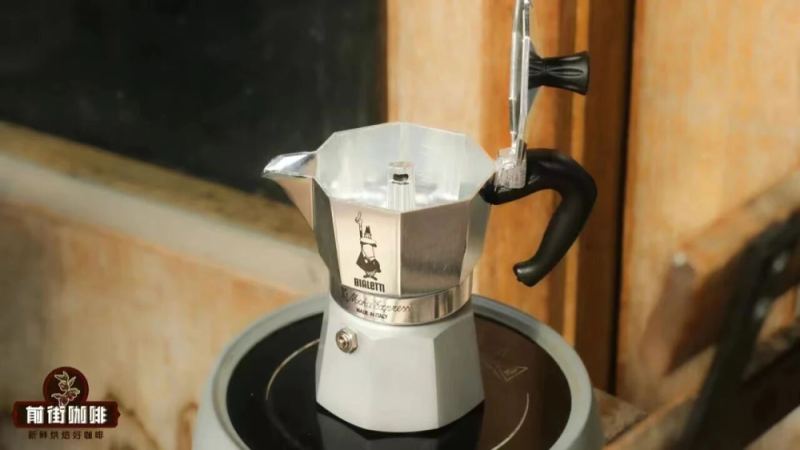
The moka pot is a popular choice for many home users entering the world of homemade coffee, and Bialetti, as a classic brand, is favored for its retro look and colorful designs. However, to brew a delicious cup of coffee with a moka pot, every step—from bean selection to grinding and tamping—requires care. This article will use the Bialetti moka pot as an example to explain in detail the logic of choosing coffee beans, the importance of freshness, and the correct grinding degree and filling technique. It will also recommend two Front Street espresso beans suitable for moka pots, helping you easily avoid common pitfalls and consistently produce a rich, full-bodied moka pot coffee with abundant crema.
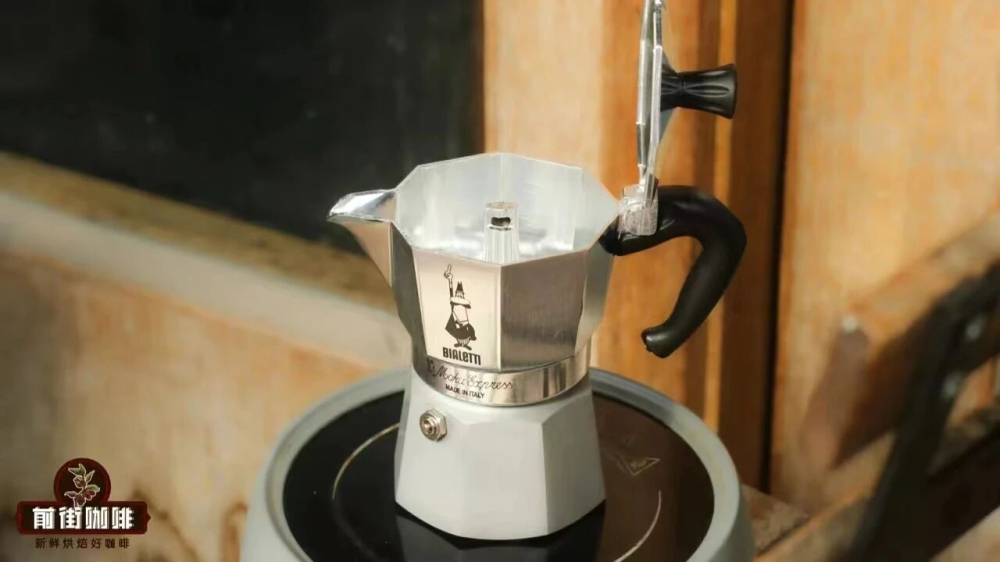
When it comes to moka pots, Bialetti is undoubtedly a classic brand that cannot be overlooked. It not only has an appealing appearance but also offers a variety of bright color options, making it very suitable for users who want to easily make coffee at home.
Coffee brewed with a moka pot has a strong "Italian home-style" character. Although its strength is not as intense as true espresso, it is noticeably stronger than coffee made with pour-over or French press. With proper operation, you can definitely make a delicious moka pot Americano or latte. For beginners just getting started with a Bialetti moka pot, besides wondering which pot to choose, the biggest challenge is often not knowing how to select coffee beans.
In theory, any coffee bean can be extracted with a moka pot, but to achieve outstanding flavor, you still need to put some thought into bean selection. The moka pot uses pressure extraction, and medium-dark roasted coffee beans retain more carbon dioxide and produce rich caramelized substances, so the extracted coffee has thicker crema, a fuller body, and less sharp acidity, making it more delicious whether used for black coffee or milk coffee.
It is especially important to note that no matter which coffee beans you choose, freshness is key. After roasting, coffee beans have an optimal flavor window of 4 to 45 days. Once this time passes, the aroma drops sharply, eventually leaving only woody and bitter notes, and the brewed coffee will naturally not taste good. For this reason, Front Street Coffee beans are freshly roasted within 5 days and shipped within 24 hours after ordering, ensuring that you can enjoy the full flavor from the moment you receive them.
Overall, when making coffee with a Bialetti moka pot, you should prioritize fresh medium-dark roasted beans. If you are looking for value and rich crema, you can consider espresso blend beans; if you prefer standout flavors, you can choose single-origin SOE espresso beans.
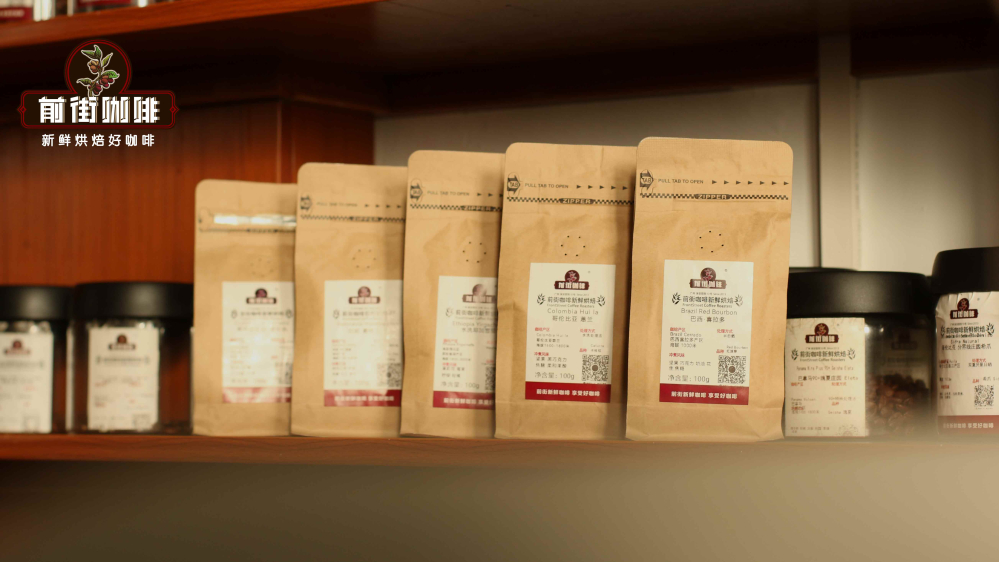
1. Front Street Classic Espresso Blend Coffee Beans: When used in a moka pot, they easily extract thick crema and give off aromas of butter, toast, hazelnut, and caramel. After adding milk, the texture is smooth; made into a moka pot Americano, it is refreshing and sweet with almost no acidity, suitable for both home users and coffee shops.
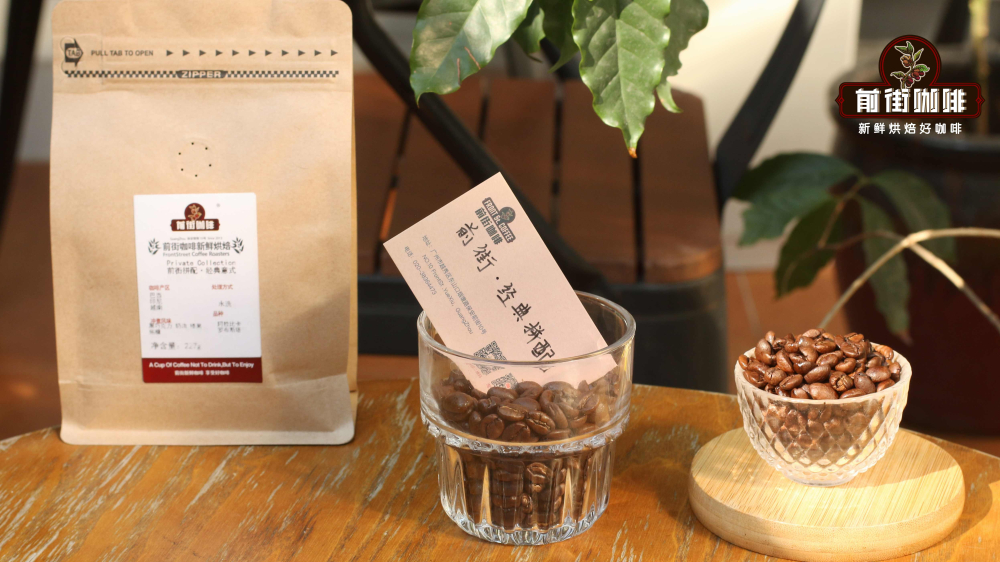
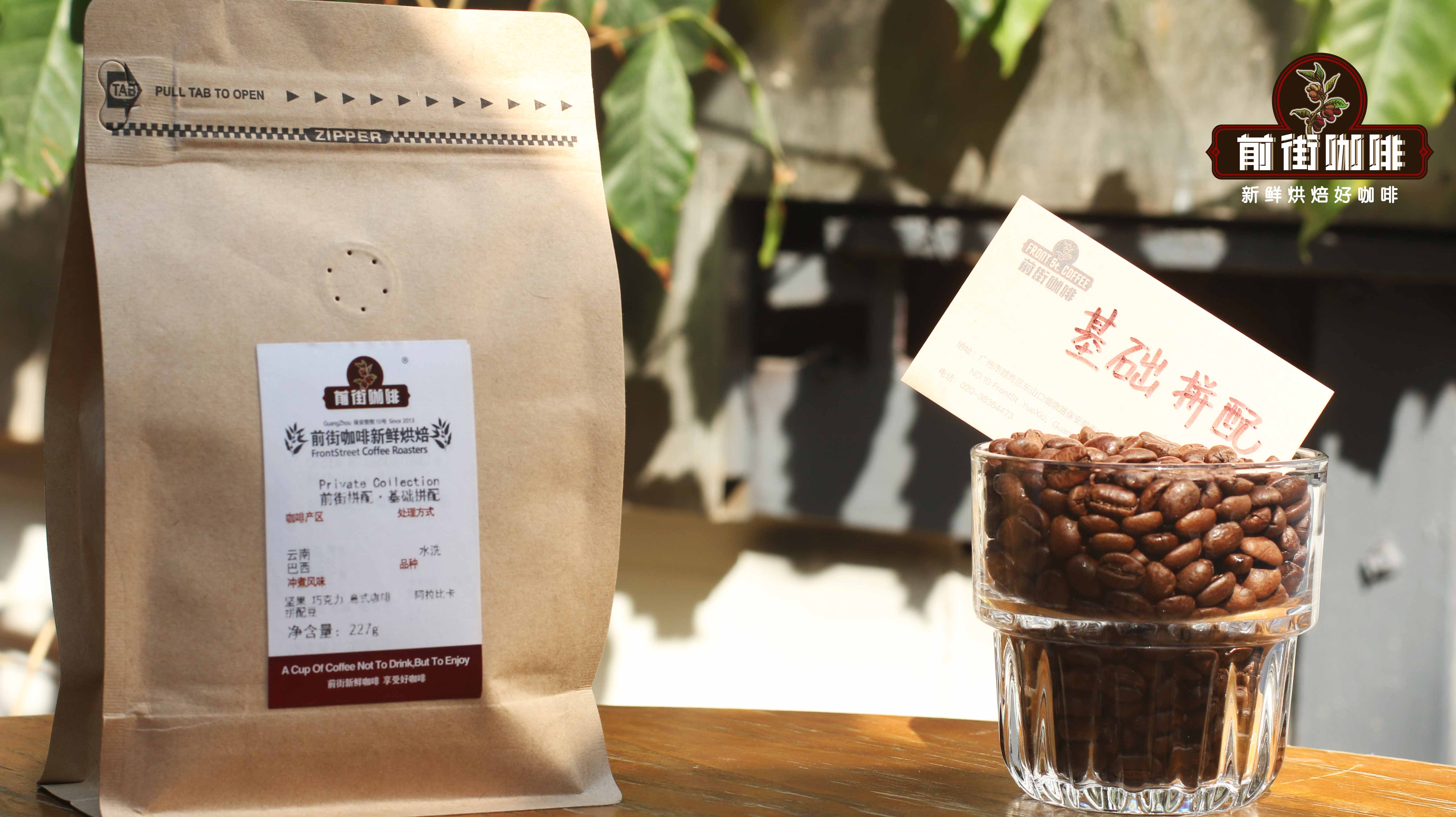
2. Front Street Dark Cocoa Espresso Blend Coffee Beans (recommended by many baristas): Made with Yunnan small-bean coffee and Brazil Cerrado coffee, the brewed moka pot coffee has soft flavors of mixed nuts, cream, chocolate, and plum, with low acidity, a smooth and balanced milk coffee, and stable overall performance. It is very suitable for beginners and offers excellent value for money, making it the top choice for home users seeking "large quantity and satisfying" and for those planning to open a shop.
Once the beans are decided, the next step is grinding. The grind size for a moka pot is much finer than for pour-over, only a tiny bit coarser than espresso. The principle is to grind as fine as possible, but not so fine that it falls into the gaps of the filter basket, otherwise the coffee liquid will not come up (because the pressure in a moka pot is not enough to overcome the resistance of the coffee puck), and there may also be an explosion risk due to poor pressure release.
(Left: pour-over grind; center: moka pot grind; right: espresso grind)
After grinding, it's time to fill the coffee, which is also a key step in controlling pressure. Usually the amount of coffee powder is determined by the size of the moka pot. Here, taking the 3-cup moka pot used by Front Street as an example, about 19 grams of coffee powder is needed.
As you can see, the coffee bed height will be higher than the groove. At this point, many people press it directly with their hands—but wait! First, level the surface of the coffee, then gently tap left and right to distribute the lower layer of coffee evenly. This reduces gaps and effectively minimizes channeling.
After that, decide whether to press based on the grind size: if the grind is slightly coarser, you can gently press down with your fingers while leveling to increase resistance and help crema form; if the grind is finer, there is no need to press because the resistance is already sufficient—just assemble the pot and it is ready to brew.
After pressing, pour 110 ml of hot water into the lower chamber, then assemble the filter basket and upper chamber in order, and you can start heating.
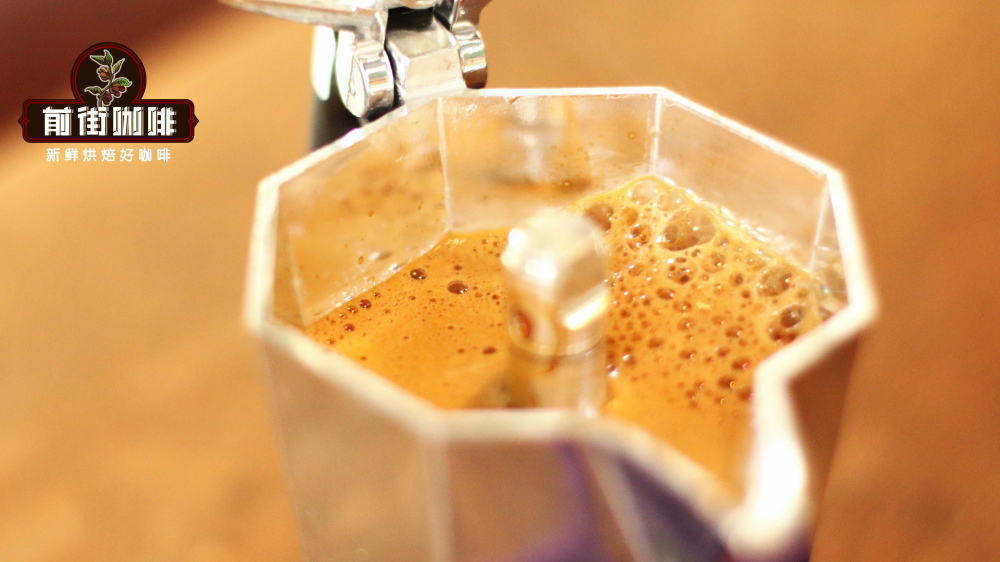
Wait until the crema gradually covers the silver surface at the bottom of the moka pot, then remove it from the heat source.
The residual heat is enough to extract all the remaining liquid.
In this way, you get a cup of moka pot coffee with thick crema. If your moka pot is a double-valve version, the crema will be even richer. No need to wait—just make it into your favorite coffee and enjoy.
The above content is compiled by CoffeeHunters, a coffee news website.


