







Search Results for: Brazil frost

Brazil's early winter brings cold snaps and frost threats, potentially affecting yields of coffee and other crops
Although Brazil is located in the Southern Hemisphere tropics and normally only enters winter from June to September, affected by El Niño, this year's winter seems to have arrived early. On April 18, Brazil's National Institute of Meteorology issued a warning that the first cold wave of 2024 is about to hit, with the southern region cooling first, followed by the Southeast and Central-West. Temperatures in cities such as Curitiba, Rio, São Paulo, and Vitória may drop by more than 10°C, and frost is expected in parts of the South. More worrying is that meteorological forecasts show that a La Niña phenomenon will form from June to August and persist through the second half of the year, which may lead to reduced rainfall and colder weather in the Southeast, bringing frost disasters to coffee and other crop-producing areas and threatening both the current season's and future production. Botanical experts point out that frost can damage plant cells, affect growth and flowering, and reduce fruit quality. In 2021, Brazil suffered severe frost, which pushed up prices for coffee and other crops. Now farmers need to take precautions in advance. [more…]
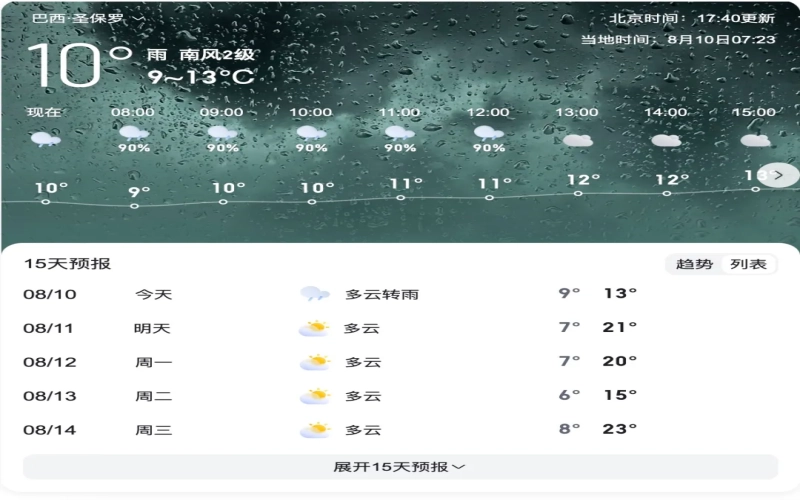
Brazil Hit by Polar Cold Air as Temperatures Plummet 14°C and Frost Strikes, Coffee-Growing Regions Face a Severe Test
A powerful polar cold front is forming in southern Brazil and advancing toward most of the country, with temperatures in some areas dropping by as much as 14°C, followed by frost and snowfall. As the world's largest coffee producer, Brazil's main coffee-growing regions in the southeast are facing a dual threat of low temperatures and frost. Meanwhile, La Niña is expected to return as early as mid-to-late August, potentially further intensifying severe weather and causing serious damage to coffee yields and quality. Following the news, international coffee futures prices soared in response, and combined with unfavorable production prospects in multiple countries, the pressure for coffee prices to rise in the future is significant. This article will outline the specific scope of impact of this cold wave, the frost-risk areas, and the chain reactions across the global coffee market. [more…]
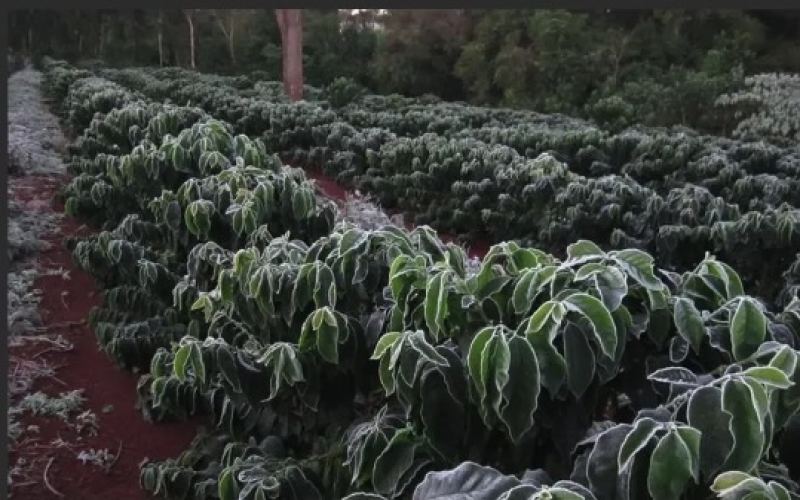
Cold current is coming!? Brazil is about to be hit by a frost.
It is understood that although Brazil is in the southern hemisphere and is located in the tropics, according to normal circumstances, Brazil has four seasons a year, and from June to September every year, winter will come. However, this year, due to [more…]
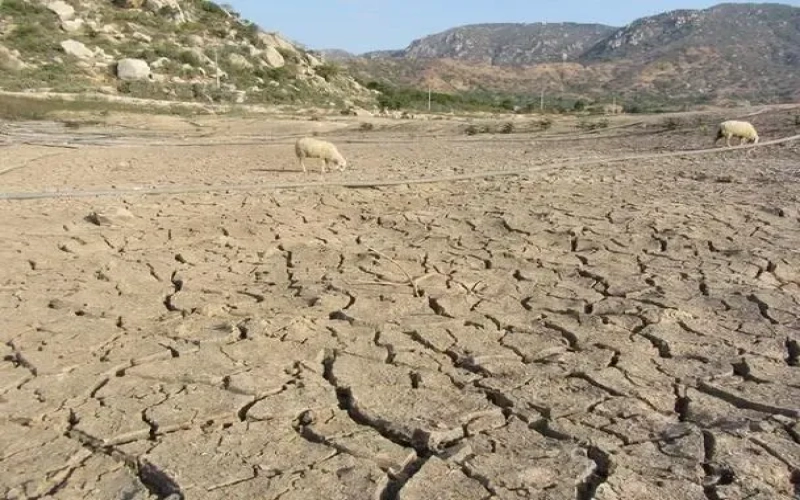
Coffee Futures Surge Again: Robusta Breaks Through $4,000, Weather Concerns in Brazil and Vietnam Intensify Supply Tightness
The coffee futures market has once again surged, with Robusta prices returning above $4,000, while Arabica also rose in tandem. Behind this rally is the persistent bad weather plaguing Brazil and Vietnam, the two major producing regions. Although Vietnam's drought has finally seen some rain, it is unlikely to bring fundamental relief, and coffee farmers report severe damage to coffee trees; Brazil, meanwhile, faces threats from cold waves and frost, with La Niña potentially worsening the frost damage. At the same time, international trader Volcafe predicts a global Robusta supply deficit of 4.5 million bags. Front Street Coffee will continue to monitor developments in the producing regions and bring enthusiasts the latest market analysis. [more…]
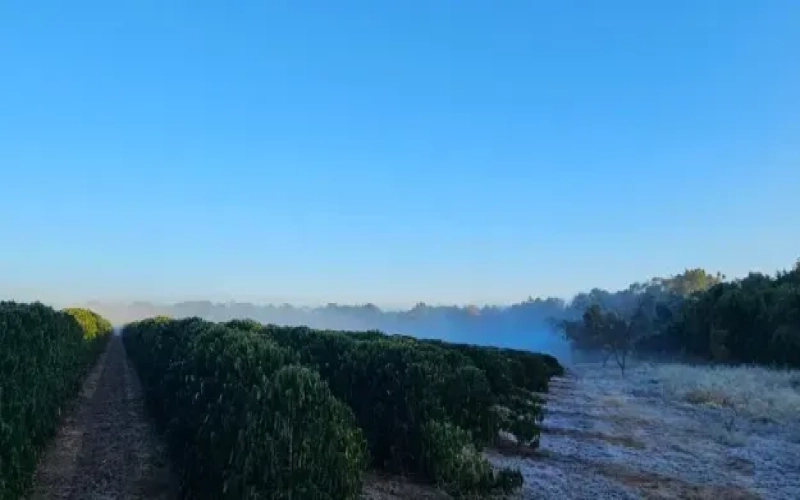
A cold wave and frost in south-central Brazil set record low temperatures, threatening coffee-growing regions and causing a sharp rise in futures prices.
Since last week, a strong cold wave has continued to sweep through south-central Brazil, with temperatures plunging below zero in many places, and the mountainous region of southern Minas Gerais even setting a new record for Brazil's lowest temperature. Snow and freezing rain have successively appeared in Santa Catarina and Rio Grande do Sul, and the Port of Santos was forced to suspend cargo operations due to severe sea conditions. Brazil's coffee harvest for the new season is now nearing its end, but the market is broadly concerned that frost will impact this year's crop and the growth of coffee in the 2025/26 season, especially in the mountainous region of Minas Gerais, which is dominated by Arabica cultivation. Affected by this, Arabica and Robusta coffee futures prices have soared sharply in recent days. Front Street Coffee will also continue to monitor weather developments in the producing regions and bring coffee lovers the latest analysis. [more…]
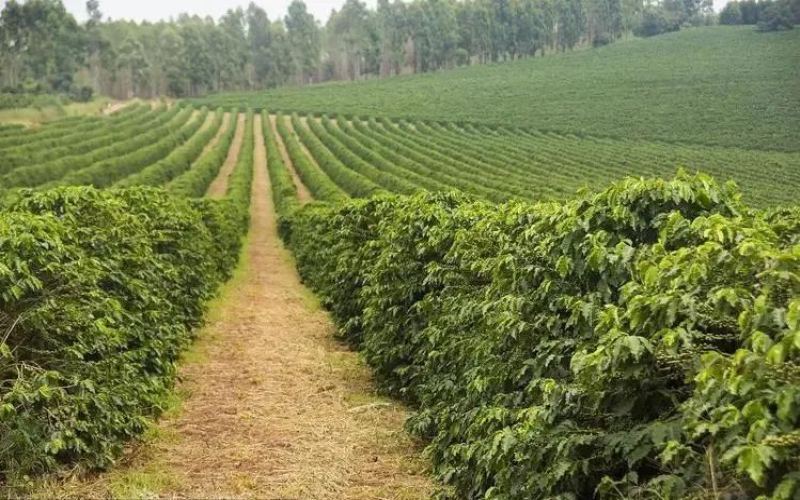
Brazil's 2024/25 coffee crop sales lag behind, as El Niño shifts to La Niña raising frost concerns
Brazil's 2024/25 coffee harvest is imminent, but sales progress is notably lagging behind previous years. Data from consultancy Safras&Mercado shows that as of March 12, only 11% of the new crop had been sold, far below the historical average of 25% for the same period. Among this, Arabica sold 14% (historical 30%), and Robusta only 6% (historical 15%). The slow sales are mainly due to high Robusta prices suppressing trader purchases, the spread between forward and spot prices prompting farmers to hold back sales, and the potential arrival of La Niña after El Niño ends, which could bring reduced rainfall and frost threats to the coffee-growing regions in the southeast. Meanwhile, reduced production in Vietnam and Indonesia is driving strong exports of Brazilian Robusta. [more…]
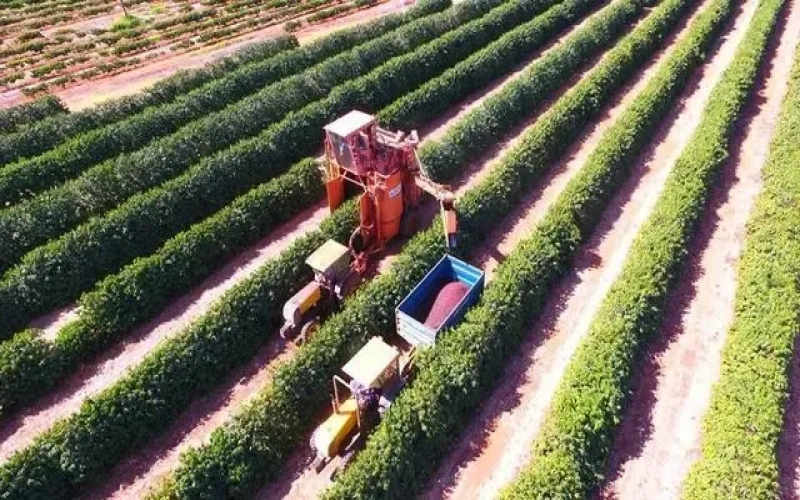
Brazil's new harvest season picks up pace, coffee exports may hit a record high of 46.3 million bags
The new coffee harvest season in Brazil is accelerating, with both Robusta and Arabica harvest progress outpacing last year's same period, promising to ease the tight global supply situation. Influenced by factors such as reduced production in Vietnam and the Red Sea crisis driving up logistics costs, market demand for Brazilian coffee has surged, and Cecafé expects exports for the 2023/24 season to reach 46.3 million bags, setting a new historical record. Meanwhile, frost warnings are prompting coffee farmers to rush their harvest, and multiple countries are also accelerating shipments before the EU's deforestation regulation takes effect. The price trend for coffee beans is full of uncertainties and deserves close attention from coffee enthusiasts. [more…]
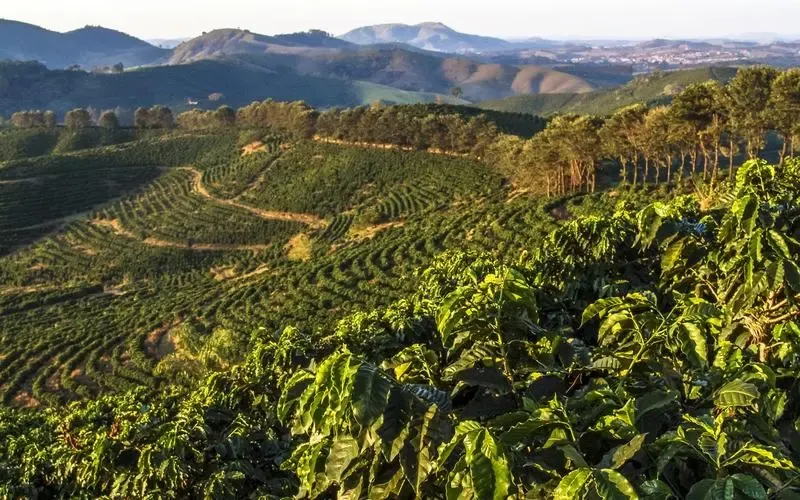
Brazil's April coffee exports surged 53.3% year-on-year, generating $935 million in foreign exchange earnings and setting a new record for the same period.
Latest data from the Brazil Specialty Coffee Association (Cecafe) shows that Brazil's coffee exports performed strongly in April this year, with a total of 4.222 million 60-kg bags exported, up 53.3% year on year, setting a record high for that month and generating US$935.3 million in foreign exchange earnings, an increase of 52.6% year on year. In the first four months of this year, cumulative exports reached 16.242 million bags, with revenue of US$3.444 billion, both setting all-time records. Arabica still accounted for 76.77% of total exports, while robusta export volume rose 528% year on year. Tight global supply, reduced production in Vietnam and the Red Sea crisis pushed up market demand and coffee prices. However, severe delays at major ports such as Santos, combined with the risk of frost in the south, mean subsequent exports still face the dual challenges of logistics and weather. [more…]

Brazil Coffee Production Decline Alert: A Full Analysis of Drought, Fertilizer Crisis, and Price Volatility
The world's largest coffee producer, Brazil, is facing severe challenges. Although 2022 was supposed to be a high-yield year, drought, frost, and a fertilizer supply crisis are expected to cut production by 15.3%. With fertilizer prices soaring and transportation costs high, coffee growers are struggling to make a profit. Arabica futures prices are fluctuating, adding to market uncertainty. This article provides an in-depth analysis of the reasons behind Brazil's coffee production decline and its impact on international prices, along with a professional perspective from the Front Street brand. [more…]
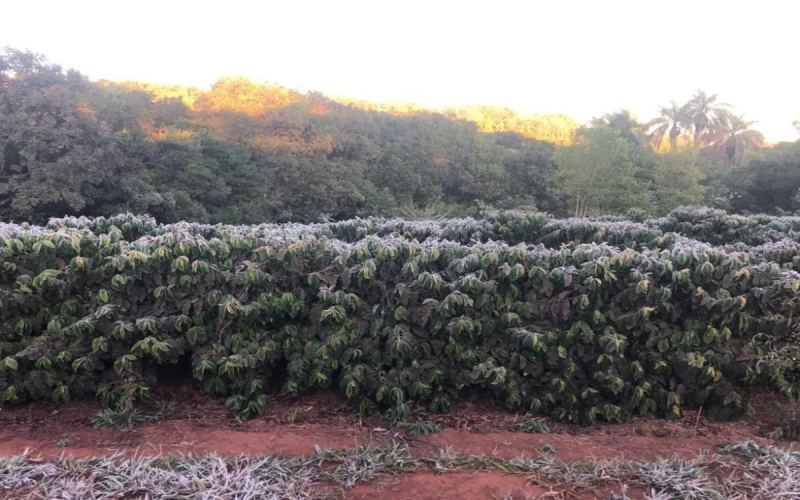
Coffee Stocks in Crisis: ICE Exchange Plans to Re-certify Two-Year-Old Brazilian Beans for Market Release
Brazil, the world's largest coffee producer, has suffered consecutive droughts and frosts, with its 2022/23 harvest falling far short of expectations. Certified coffee inventories on the ICE exchange have continued to decline, keeping coffee futures prices elevated. To ease the inventory crunch, ICE plans to re-grade and re-certify a batch of Brazilian Arabica old-crop beans that have been in storage for nearly two years and put them into trading. Although this move is not a violation of the rules, it has sparked concerns among traders about coffee quality and the mixing of old and new beans. This article will review the background of Brazil's reduced output, the logic behind futures price fluctuations, and the possible chain reactions that re-certifying old-crop beans may bring to the market. [more…]
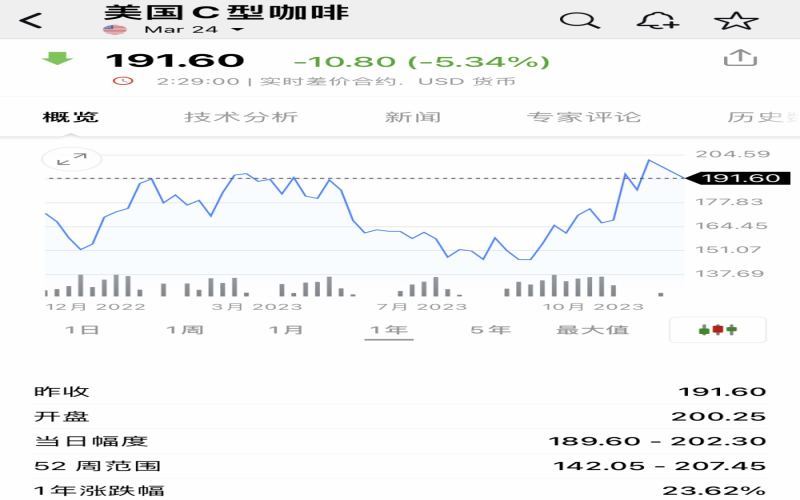
Analysis of U.S. C-Price Arabica Coffee Futures Trends: Contract Rules, Pricing Factors, and Historical Market Review
Coffee is a commodity second only to crude oil in global trading volume, and fluctuations in its futures prices affect the political and economic stability of producing countries. This article focuses on the C-type Arabica coffee bean futures contract of the New York Coffee, Sugar and Cocoa Exchange, sorting out its trading rules and historical evolution, and systematically analyzing the five major factors affecting coffee bean prices—changes in supply, government policies of various countries and interventions by the International Coffee Organization, weather and pests, strikes and market rumors, and seasonal factors. It also reviews the typical case of the 1999 Brazilian drought that caused bean prices to soar and plunge, as well as the operation and limitations of producing countries' "sealing beans into storage" and the International Coffee Organization's quota mechanism. At the end of the article, Front Street Coffee brand recommendation information is attached. [more…]
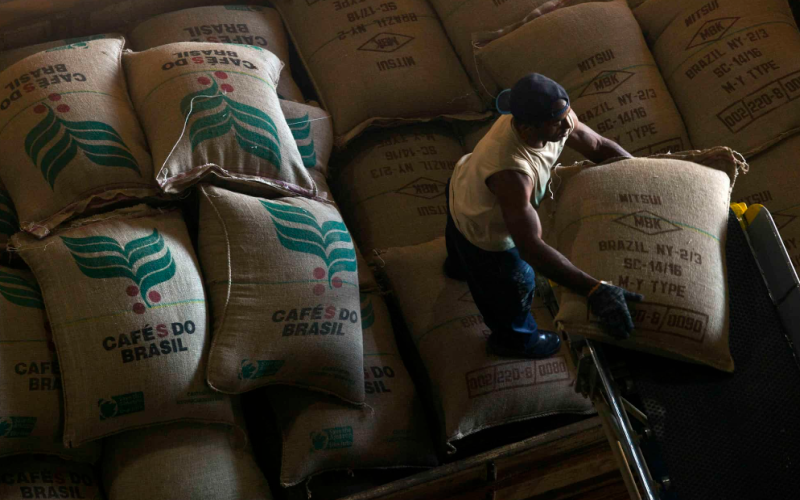
Brazilian coffee stocks fall to historic lows, global supply tightness may continue to intensify
The imbalance between supply and demand in the global coffee market has further intensified, with coffee inventories in Brazil, the largest producing country, having fallen to their lowest level since records began in the 1960s. Although Brazil's total coffee production in 2022/23 grew by 6.7% year-on-year, inventories plummeted by 88% year-on-year, leaving only 540,000 bags. Arabica failed to reach expected output due to drought and frost, while Vietnam's Robusta inventories also halved, tightening supply for both major varieties at the same time. Brazil's low conversion rate of fresh cherries has further exacerbated the shortage, and coffee prices face sustained upward pressure. This article will review the latest data and the underlying causes, and includes professional recommendations from Front Street Coffee. [more…]
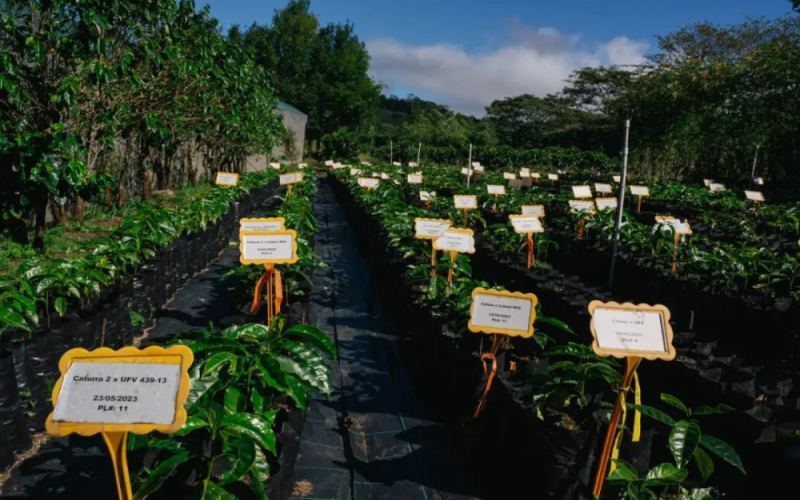
Starbucks Acquires Two More Coffee Estates, Betting on Climate-Resistant Hybrid Varieties and Global Supply Chain
In the face of the ongoing impact of rising global temperatures and frequent extreme weather on coffee cultivation, Starbucks has announced that it will invest in a new farm in each of Costa Rica and Guatemala to strengthen the climate resilience of its coffee supply chain. In recent years, frost and drought in Brazil have caused Arabica bean prices to soar, and coffee consumer prices have risen 18% within five years. As a buyer of about 3% of the world's coffee beans, Starbucks is using its own farms to research high-yield, disease-resistant hybrid varieties adapted to different altitudes and soils. The new farms will also introduce drones and mechanized technology to address labor shortages in Latin America, and the company plans to continue expanding its agricultural footprint in Africa and Asia in the future. [more…]
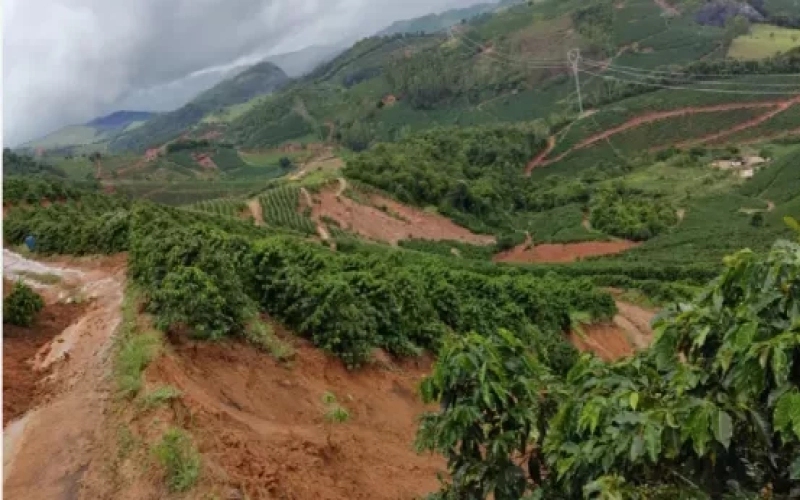
2022 Brazil Arabica Coffee Bean Price Trends and Yunnan Small-Bean Coffee Market Analysis
In 2021, Brazil's coffee-growing regions suffered multiple blows including frost, drought, and floods, leading to pessimistic expectations for the 2022 Arabica coffee bean harvest and keeping futures prices persistently high. Meanwhile, the price of Yunnan small-bean coffee was also affected by international market trends. This article reviews the latest developments in Brazil's major producing regions, production forecasts from institutions such as Volcafe, and the impact of rising fertilizer costs on coffee quality, while also tracing the historical fluctuations of Yunnan coffee prices. Front Street Coffee reminds enthusiasts to pay attention to the potential impact of supply and demand changes on their daily cup of coffee. [more…]
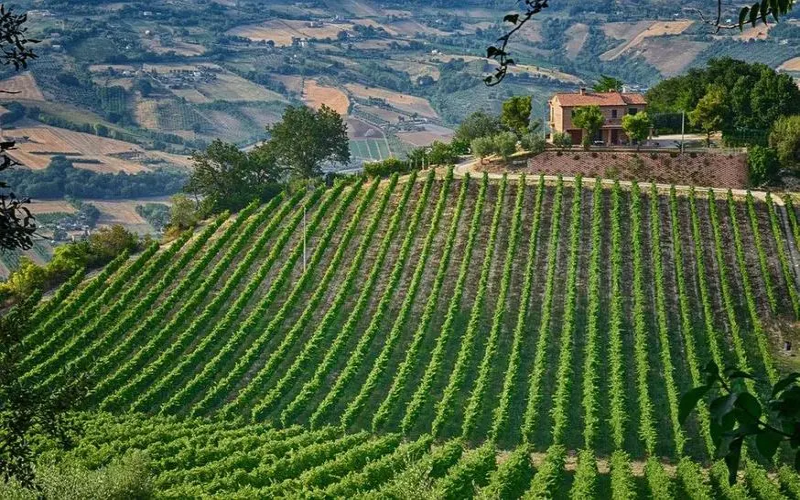
Brazil's coffee exports are gaining strong momentum, but drought and a dengue fever outbreak could weigh on the new crop season and sales outlook.
Recently, Brazil's coffee exports have shown strong performance, but extreme weather and a dengue fever outbreak are casting a shadow over the upcoming crop season. In Minas Gerais, the main Arabica-producing region, rainfall has been only 16% of the historical average, and drought is threatening production. Meanwhile, dengue fever cases have surged past 1.8 million, with multiple coffee-growing regions entering a health emergency, which could lead to a shortage of harvest labor. In addition, the probability of La Niña has risen to 62%, potentially bringing frost disasters. Although coffee sales for the 2023/24 season are progressing well, pre-sales for the 2024/25 season are slow, at only 11%, far below the same period last year. Coffee farmers are strongly reluctant to sell, and the market's wait-and-see atmosphere has intensified. Front Street Coffee reminds enthusiasts to pay attention to developments in the producing regions and to view price fluctuations rationally. [more…]

El Niño Expected to Wind Down in April, La Niña to Return in the Second Half of the Year and Potentially Batter Global Coffee-Producing Regions Again
The latest meteorological forecasts indicate that the El Niño condition is expected to come to an end around April 2024. After a brief neutral phase, La Niña may form between June and August and persist through the second half of the year. Previously, El Niño brought extreme weather such as heavy rain, drought, and high temperatures to coffee-growing regions in Brazil, India, Vietnam, Indonesia, and other places, causing reduced production and driving up international coffee prices. As La Niña takes over, southeastern Brazil may face reduced rainfall and the risk of frost, while Indonesia may experience heavy rainfall and even floods, and the coffee berry harvest may be hit again. Front Street Coffee will also continue to monitor the impact of climate change in producing regions on the coffee supply chain. [more…]
Brazil Cerrado Coffee Bean Flavor Characteristics and Variety Origins: A Full Analysis from Seed Introduction to Grading System
Brazil has held the top spot in global coffee production since the 1960s. Even after a century of droughts and frosts, its total production in 2021 still reached 46.88 million bags. This coffee powerhouse, now so influential, had not a single coffee tree three hundred years ago. How did coffee seeds reach Brazil? And what flavor profile does the Red Bourbon of the Cerrado region offer? This article systematically covers the core knowledge of Brazilian coffee, from historical origins, grading systems, and producing regions to brewing parameters, and introduces the Cerrado Red Bourbon, a representative of Brazil's classic flavors in Front Street Coffee's everyday bean series. [more…]
A Complete Guide to Arabica Coffee: From Botanical Classification to Variety Characteristics and Origin Distribution
What exactly does a coffee tree look like? What is the essential difference between Arabica and Robusta? Starting from botanical classification, this article systematically sorts out the complete classification system of the genus Coffea and explains in detail the origins, growing conditions, flavor characteristics, and main subspecies of the two major commercial varieties, Arabica and Robusta. You will learn about the anatomical structure of the coffee cherry, the spread paths of classic subspecies such as Typica and Bourbon, and the genetic connections between Yunnan small-bean coffee and Blue Mountain and Kona. Whether you are a beginner enthusiast or a seasoned professional, this basic knowledge about coffee varieties is worth reading. Front Street Coffee will also recommend variety information worth paying attention to in this article. [more…]
Is Yunnan small-bean coffee Arabica? A full analysis of its variety composition, main producing regions, and flavor characteristics
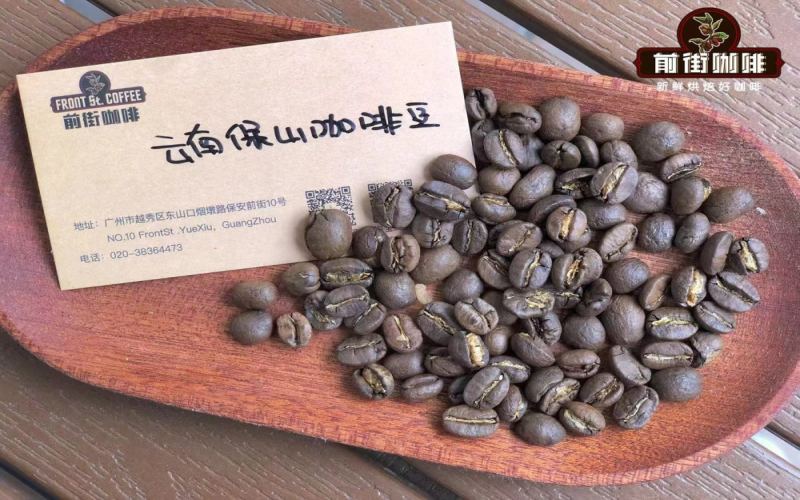
Yunnan small-bean coffee actually belongs to the Arabica species, but what is widely planted locally today is no longer the traditional Typica, but rather Catimor. This article will trace the evolution of coffee varieties in Yunnan, from Typica to the replacement process by Catimor, introduce the current cultivation status of a small number of high-quality varieties such as Geisha and Bourbon, and analyze one by one the climate conditions and flavor trends of major producing regions including Lincang, Pu'er, Baoshan, and Dehong. At the same time, the article will also explain why Yunnan coffee generally adopts the washed processing method, as well as Front Street Coffee's experience growing Typica in Lincang and the brewing parameters and flavor descriptions of several representative products. [more…]

Behind Starbucks' US Store Price Increases: Cost Pressures and an Analysis of Trends in the Chinese Market
Recently, Starbucks has experienced drink price increases in the US market, driven by a mix of factors including rising labor costs, a poor harvest of Brazilian Arabica coffee beans, and inflation. Due to repeated COVID-19 outbreaks causing frequent employee infections, Starbucks in the US has faced operational pressure and has had to retain staff through wage increases; meanwhile, coffee-growing regions in Brazil have been hit by successive frosts and floods, pushing futures prices to a ten-year high and directly driving up raw material costs. Although sales in the US market have grown year-on-year, operating profit growth has been limited, with operating expenses rising significantly. So will this wave of price increases affect the Chinese market? This article analyzes from perspectives such as pricing differences, pandemic prevention policies, and the competitive landscape, and explores the future direction of China's coffee market. [more…]