





Which Arabica Variety Is Behind Yunnan Small-Bean Coffee?
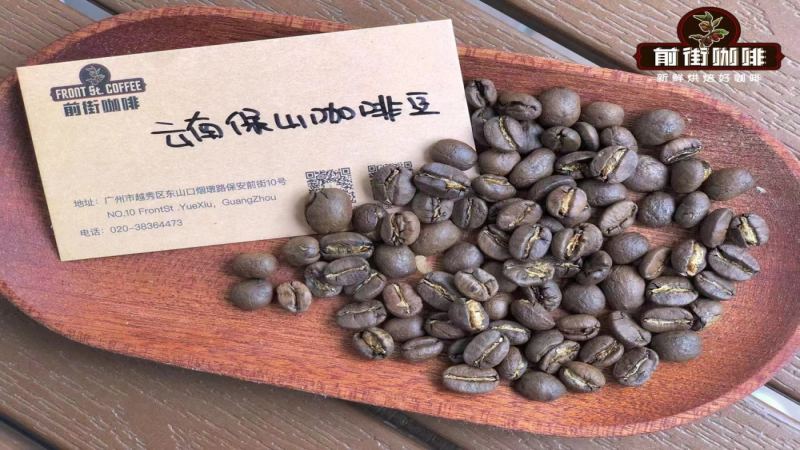
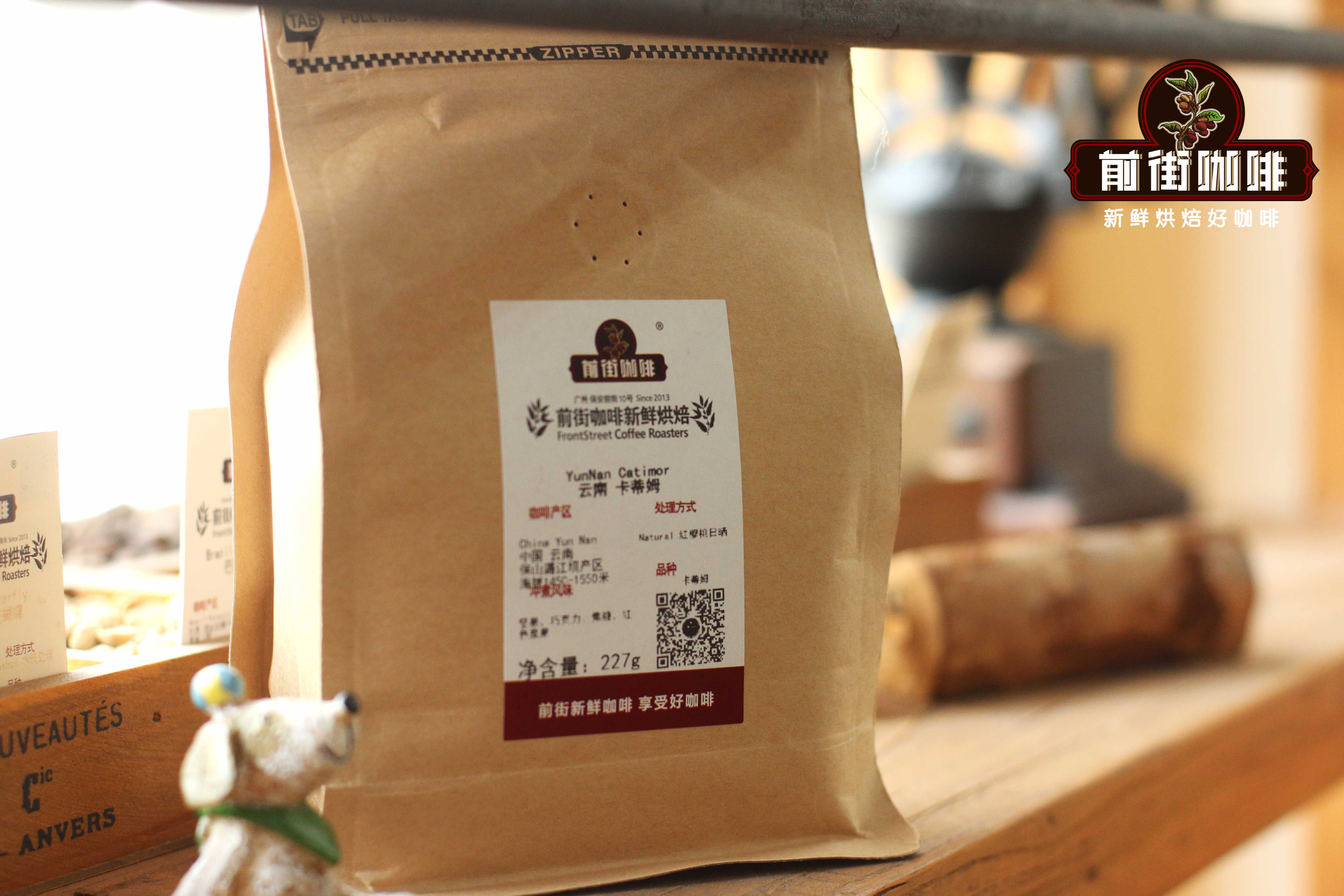
Yunnan small-bean coffee belongs to the Arabica species, but the tree planted across most of the province today is Catimor, not the traditional Typica. More than ninety percent of Yunnan beans are Catimor, a cross of Timor and Caturra that carries Robusta blood, which is why its cup has long been debated.
Typica arrived first and dominated early plantings, yet it resists leaf rust poorly and yields little. Nestlé introduced Catimor to Yunnan in 1992, and its disease resistance and higher output let it replace the older trees quickly. Small plots of Geisha, Typica, and Bourbon still grow in Lincang, Pu'er, Baoshan, and Dehong.
Yunnan small-bean coffee actually belongs to the Arabica species, but what is widely planted locally today is no longer the traditional Typica, but rather Catimor. This article will trace the evolution of coffee varieties in Yunnan, from the replacement of Typica by Catimor, introduce the current cultivation status of small quantities of high-quality varieties such as Geisha and Bourbon, and analyze one by one the climate conditions and flavor tendencies of major producing regions including Lincang, Pu'er, Baoshan, and Dehong. At the same time, the article will also explain why Yunnan coffee generally adopts the washed processing method, as well as Front Street Coffee's experience growing Typica in Lincang and the brewing parameters and flavor descriptions of several representative products.
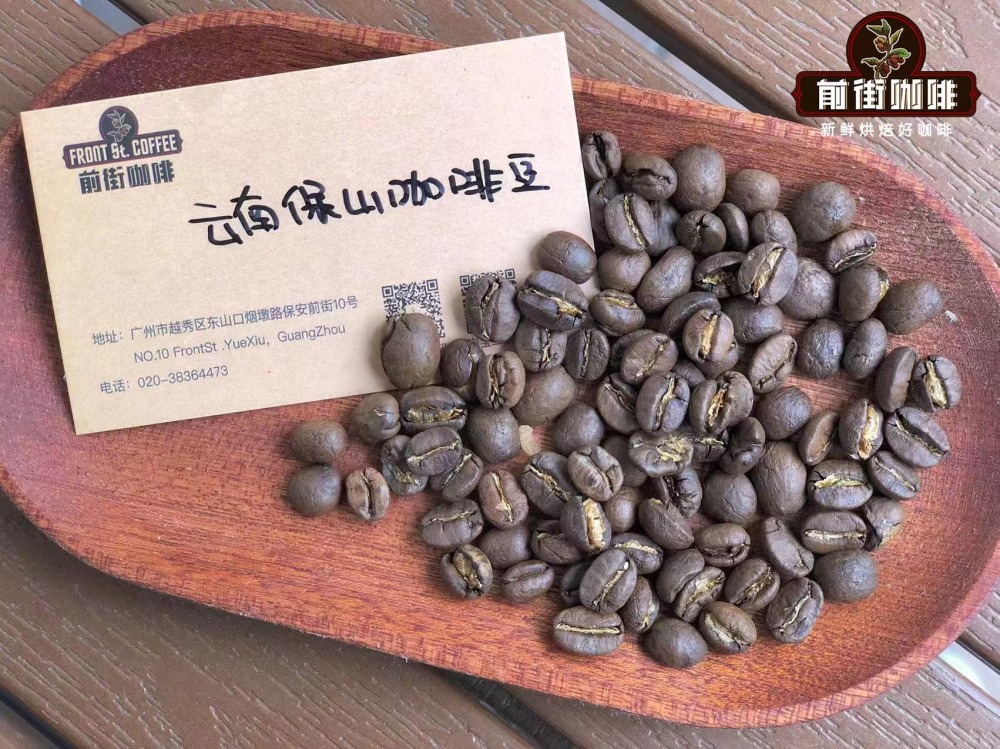
Yunnan coffee is also called Yunnan small-bean coffee, and small-bean coffee refers to the Arabica species. The varieties introduced and cultivated in Yunnan in the early period were mainly pure Arabica — Typica — but Typica lacks resistance to leaf rust and also has low yields. In 1992, Nestlé introduced Catimor to Yunnan. With strong disease resistance and high-yield advantages, Catimor quickly replaced traditional varieties and became the main force of Yunnan coffee. So when locals say Yunnan small-bean, it has also changed from Typica to the Catimor that is now planted on a large scale.
Among Yunnan coffees, there are actually also high-quality varieties such as Geisha, Typica, and Bourbon, but they account for only a very small proportion. As early as 2013, Front Street began planting trials in Lincang. The first batch of Typica planted there only achieved a relatively good harvest in the 2020-21 season, with a yield of just over 200 kilograms. In terms of flavor, it did not have the devilish aftertaste that Mr. Han used to describe Catimor, but instead presented nuts, brown sugar, and slight fruit acidity.
Of the coffee beans produced in Yunnan, more than ninety percent are Catimor. Catimor is a hybrid of Arabica and Robusta. It inherits Robusta's strong disease resistance and high yield, and because it carries Robusta blood, its flavor has always been controversial.
Catimor (Catimor) was developed from a cross between Timor and Caturra. To explain the birth of Catimor, one must start with leaf rust. Leaf rust can be called a terminal disease for coffee trees, with no cure. It first appeared in 1861 in the coffee-producing region around Lake Victoria in East Africa, then spread rapidly to many places in Southeast Asia, and eventually affected coffee-producing regions in southern, central, and western Africa. To save the coffee industry, in 1959 the Portuguese Coffee Leaf Rust Research Center CIFC bred Catimor with the goals of disease resistance, high yield, and consideration of flavor.
Catimor inherited Timor's Robusta genes, giving it better resistance to coffee berry disease and coffee leaf rust, as well as stronger resistance to pests and diseases, rapid fruit ripening, and high yield. But this also means its flavor development is not sufficiently complete, and when processed improperly it easily develops negative flavors such as intense bitterness and grassy notes.
Catimor (Catimor): an important variety among current commercial beans. East Timor was once colonized by Portugal for four hundred years, and the Portuguese had long been in contact with local coffee trees. In 1959, the Portuguese moved Caturra, a Bourbon mutation from Brazil, to East Timor and crossed it with Timor, which carried Robusta blood, successfully breeding Catimor with strong disease resistance and productivity. Between 1970 and 1990, leaf rust swept through coffee-producing countries worldwide. With the assistance of international organizations, producing countries vigorously promoted Catimor to resist leaf rust and increase productivity. However, although Catimor inherited Robusta's strong disease resistance, it also inherited genes for inferior flavor; in addition, although early Catimor had high productivity, it needed shade trees for care, otherwise it easily withered, making it outwardly strong but inwardly weak.
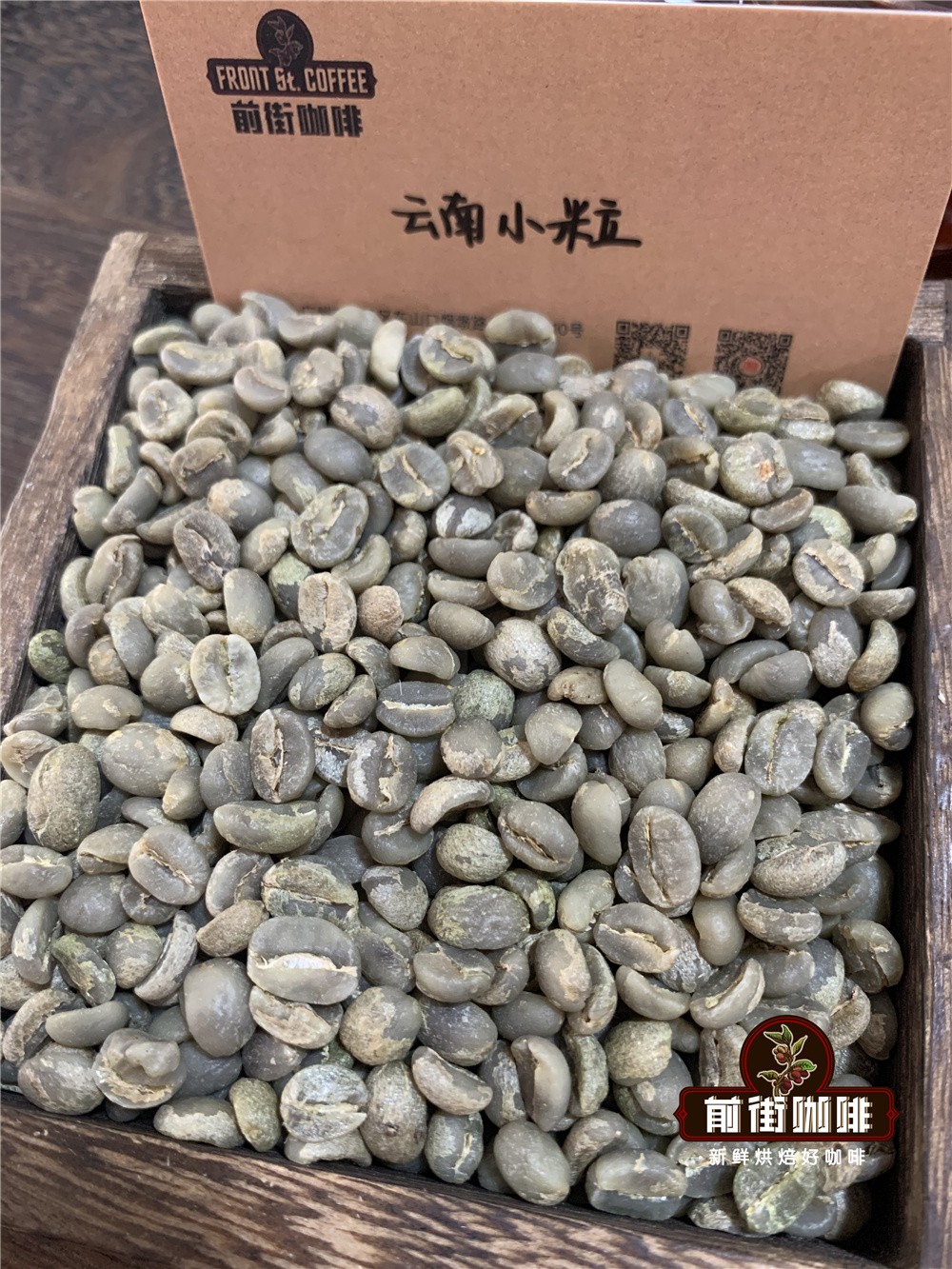
Typica (typica): the most classic high-quality Arabica variety, from which many commercial improved varieties originate. Typica has excellent flavor performance and is recognized as a specialty coffee variety, but its yield is very low, and it is susceptible to rust disease, requiring more labor for management. Typica originated in Ethiopia and southeastern Sudan and is the most widely cultivated coffee variety in the Western Hemisphere. The plant is relatively robust, but it is not tolerant of strong light, and it has higher yields in Hawaii. The top leaves of Typica are copper-red, so it is called red-top coffee.
For decades, many botanists have studied the improvement of the Catimor variety, and dozens of new varieties have been bred. Colombia is the largest beneficiary. In 1982 it bred a Catimor that could be grown in full sun and named it after the country, "Colombia." Colombia claims that after multiple generations of crossbreeding, it is different from ordinary Catimor. At present, it and Caturra are the country's two main varieties, and it has long replaced the fragile, disease-prone, and low-yielding Typica. However, most COE competition winners are Caturra, and those with Robusta blood rarely win awards. The commercial beans Colombia exports in large quantities should be lower-altitude Caturra rather than traditional Typica. This is also the main reason why the flavor is becoming increasingly poor, but Colombia cannot possibly revive low-yielding Typica.
Main Producing Regions of Yunnan Coffee
Western and southern Yunnan Province lie between 15°N and the Tropic of Cancer, exactly within the geographical position of the coffee belt, and most areas also have the high-altitude conditions required for growing coffee. The terrain is mainly mountainous and sloping, with considerable undulation, fertile soil, abundant sunshine, ample rainfall, and large temperature differences between day and night. Yunnan coffee is mainly grown in Lincang, Pu'er, Baoshan, Xishuangbanna, Wenshan, Dehong, and other places.
Lincang
Lincang City has a subtropical low-latitude plateau mountainous monsoon climate, with complex terrain and topography and diverse climate types. It is mainly affected by the warm, humid airflow from the Indian Ocean and the southwest monsoon. The division of the four seasons is not obvious, but the dry and rainy seasons are distinct, with relatively high rainfall and long sunshine hours. The average annual sunshine exceeds 2,000 hours, and the frost period is relatively short; some areas are frost-free year-round. The vertical climate is obvious, and the average annual temperature in mountainous areas is 13–15°C.
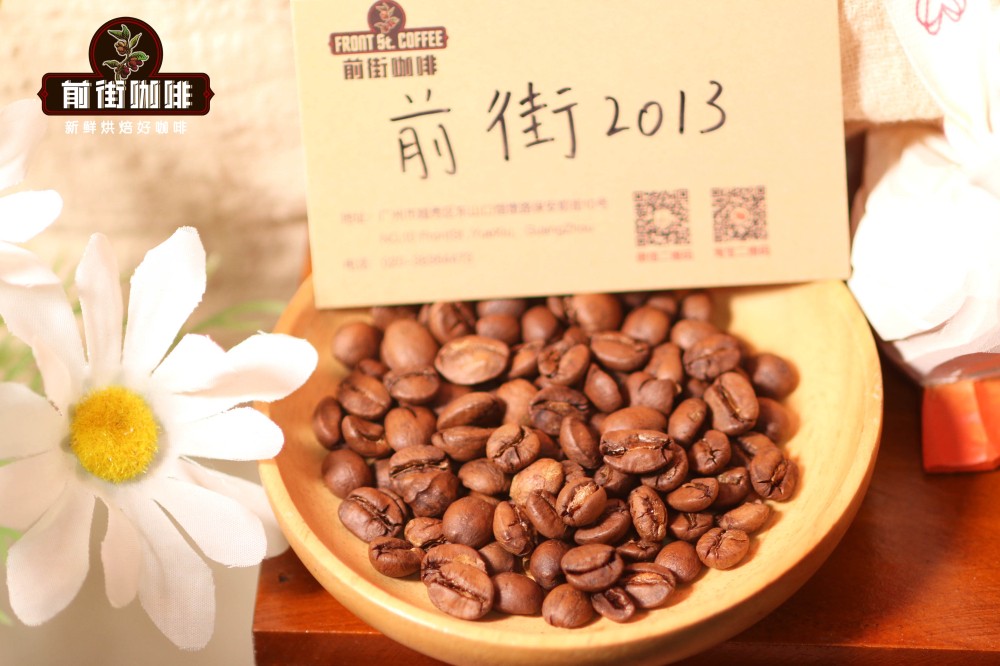
Because Typica has low yields, coffee farmers who grow Catimor are unwilling to switch to Typica without income, and growing Typica also requires a great deal of time and energy. Front Street believes this is also the main reason why Yunnan coffee beans, even with the support of special processing methods, still cannot sell at a high price. Since not many people are willing to do this, Front Street Coffee (FrontStreet Coffee) has seized this opportunity in recent years and led by example, establishing Front Street Coffee (FrontStreet Coffee) Estate in Lincang and planting the Typica variety. Front Street 2013 Sun-Dried Typica Coffee was thus born and became a widely popular coffee.
Pu'er
Pu'er, a tea hometown, has a history of coffee cultivation of 150 years. In the early 1990s, Pu'er City began to cultivate coffee as an advantageous backbone industry for adjusting the industrial structure and helping farmers increase income and become prosperous. Pu'er is affected by a subtropical monsoon climate. Most areas are frost-free year-round, with no severe cold in winter and no extreme heat in summer. The average annual temperature in Pu'er City is 15 to 20.3°C, the annual frost-free period is more than 315 days, and the annual rainfall is 1,100 to 2,780 millimeters.
Baoshan
Coffee cultivation in Baoshan began in the mid-1950s. The first coffee seedling was introduced from Southeast Asia by the late patriotic overseas Chinese Mr. Liang Jinshan. In recent years, with the expansion of international trade, the small-bean coffee of Lujiangba has become even more famous. Baoshan has a low-latitude mountainous subtropical monsoon climate. Located on a low-latitude plateau with complex topography and landforms, it forms a vertical climate of "one mountain, four seasons; ten miles, different weather."
Dehong
Dehong has no severe cold in winter and no extreme heat in summer, with abundant rainfall, rain and heat in the same period, dry and cold in the same season, small annual temperature difference, large daily temperature difference, and a short frost period with few frost days, providing good conditions for coffee trees to grow and overwinter. The entire prefecture lies close to the Tropic of Cancer, with low latitude, and is affected by the southwest monsoon from the Indian Ocean, belonging to a southern subtropical monsoon climate.
Yunnan Coffee Bean Processing Methods
Yunnan has no four seasons, only a dry season and a rainy season, and most coffee-producing regions are similar. This is also the fundamental reason why some producing regions adopt the natural sun-dried method. Entering June marks the beginning of the rainy season in the producing regions. The next three to four months will be rainy, and this is the most favorable period for growing coffee. Only by planting seedlings at this time can they, nourished by rainwater for several months, grow a well-developed root system and survive the first dry season, which lasts as long as half a year.
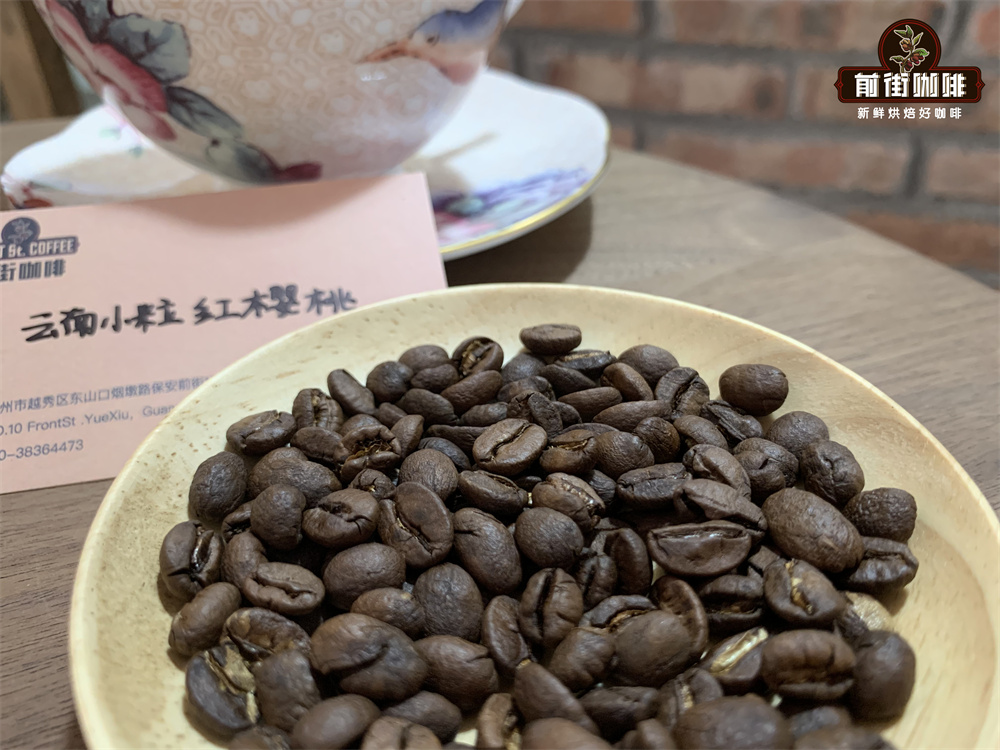
Because the coffee fruit harvest season in Yunnan usually falls during the rainy season, it is impossible to generally adopt three to four weeks of sun drying. Yunnan coffee farmers adapt to local conditions and, based on the hot and rainy climate, mostly use the washed method to process green coffee beans.
Washed processing method: use a machine to remove the peel and pulp from the harvested coffee cherries, put the peeled coffee beans into a fermentation tank to ferment, and use fermentation to break down the pectin layer. After fermentation, the coffee beans are repeatedly washed with clean water to wash away the decomposed pectin, and finally the coffee beans are spread out and dried for 1–2 weeks. After that, the dried coffee beans can be stored, waiting to be transported to various places.
Washed coffee has the characteristics of being clean, stable, low in defect rate, and higher in acidity, and can better present the coffee's own flavor. Therefore, the Yunnan everyday-drinking bean launched by Front Street is washed Baoshan small-bean coffee. The original intention of Front Street in launching everyday-drinking beans was to hope that everyone could understand major producing regions by tasting the basic flavors of the producing areas. Front Street has selected many classic producing regions, such as Yirgacheffe in Africa, Brazil and Colombia in the Americas, Sumatra in Indonesia in Asia... Most adopt the washed processing method, presenting the unique tone of the producing region.
Front Street Brewing Parameters for Yunnan Catimor Coffee:
Front Street believes that the taste of Yunnan coffee should have both a rich coffee aroma and a certain acidity, so Front Street uses a medium roast level. Considering that Yunnan small-bean coffee tends toward a balanced mouthfeel, that is, it should not have excessively high acidity or a heavy bitter taste. Therefore, Front Street uses a V60 dripper, with a medium-fine grind size and a medium water temperature for extraction.
Front Street uses Kono dripper. Water temperature: 88°C. Coffee dose: 15 grams. Coffee-to-water ratio: 1:15. Grind size: medium-fine grind (75% passing rate on China standard No. 20 sieve).
[Front Street Washed Yunnan Small-Bean Coffee Flavor] Herbal, nutty aroma, chocolate, caramel, black tea note.
[Front Street Sun-Dried Yunnan Catimor Coffee Flavor] : Nuts, chocolate, spices, caramel, plum.
[ Front Street 2013 Sun-Dried Typica Coffee Flavor] Heavy mouthfeel, prominent sweet-and-sour sensation, with citrus and berry notes, a hint of fermented wine aroma, caramel-like sweetness, creamy finish, and black tea mouthfeel.
The above content is compiled by CoffeeHunters, a coffee news website.


