







Why Are Arabica Coffee Bean Costs Pushing Prices Up?
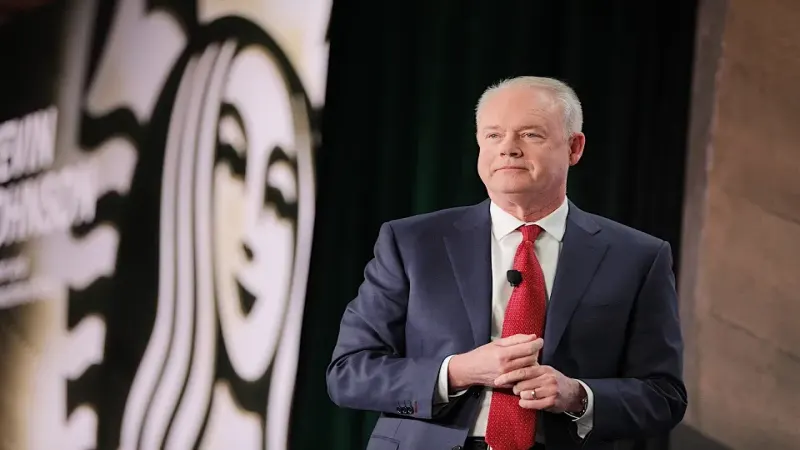
Starbucks raised beverage prices in the US market after three cost pressures converged: higher wages, inflation, and poor harvests of Brazilian Arabica coffee beans. Frosts and floods in Brazil's growing regions pushed futures to a ten-year high, lifting raw material costs. US sales grew year over year, but operating profit growth stayed limited because operating expenses rose sharply.
The wage pressure traces back to Omicron-era infections. Inadequate vaccination arrangements and weak prevention measures led to frequent staff infections, long isolation periods, and recruiting difficulties, so Starbucks repeatedly raised pay and benefits to keep experienced workers. Brazil, the largest producer of Arabica coffee, supplies much of the stock on the US ICE exchange, so its harvest and inventory levels move futures prices directly.
Recently, Starbucks has experienced beverage price increases in the US market, driven by a mix of rising labor costs, poor harvests of Brazilian Arabica coffee beans, and inflation. Due to repeated COVID-19 outbreaks leading to frequent employee infections, US Starbucks stores have been under operational pressure and have had to raise wages to retain staff; meanwhile, coffee-growing regions in Brazil have suffered consecutive frosts and floods, pushing futures prices to a ten-year high and directly driving up raw material costs. Although sales in the US market grew year-over-year, operating profit growth was limited, and operating expenses rose significantly. So will this wave of price hikes affect the Chinese market? This article analyzes from the perspectives of pricing differences, pandemic prevention policies, and the competitive landscape, and explores the future direction of China's coffee market.
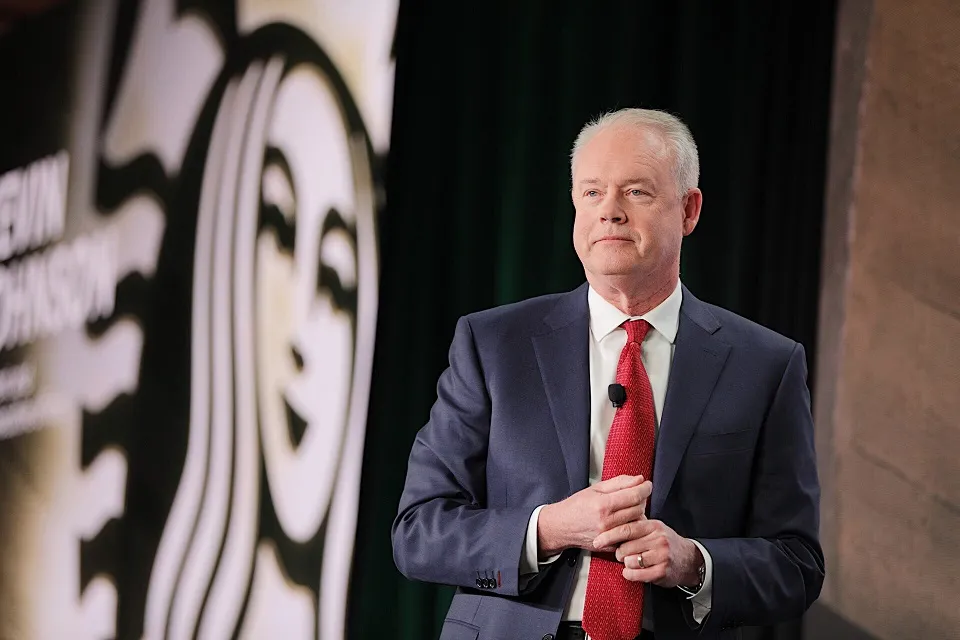
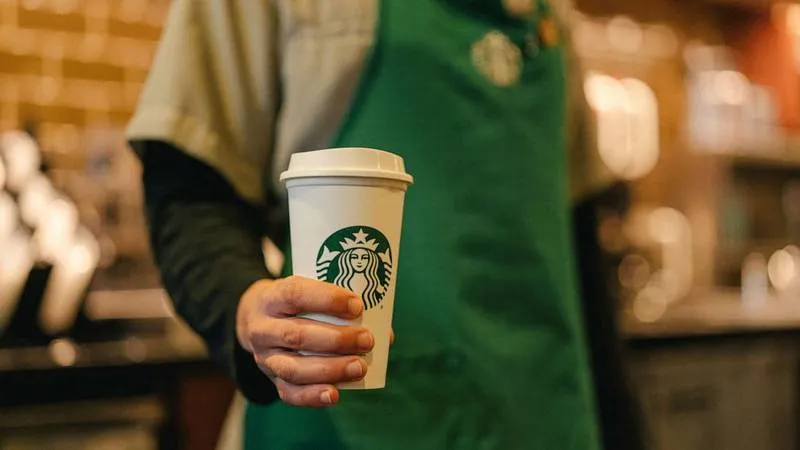
Starbucks' price adjustment this time was not caused by a single factor. In addition to rising labor expenses and higher futures prices caused by reduced production of Brazilian Arabica coffee beans, the pressure brought by inflation far exceeded Starbucks' expectations. With various costs continuing to rise and profit margins being continuously squeezed, Starbucks could only respond to these successive burdens by raising prices.
The reason labor costs rose is rooted in the surge in infections caused by the Omicron variant. US Starbucks had previously failed to properly arrange vaccination for all employees, and pandemic prevention measures in store public areas and for individuals were also inadequate, leading to frequent infections among current employees, which made it very difficult for the company to recruit new staff. In addition, the treatment and isolation period after infection was relatively long, leaving store operations trapped in a dilemma of insufficient staffing and instability among existing personnel. In order to retain veteran employees, Starbucks had to repeatedly raise wages and improve benefits.
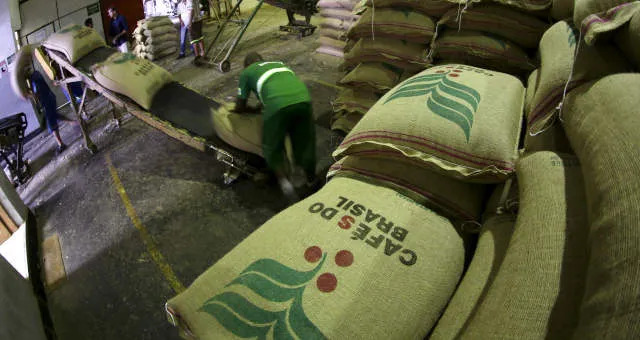
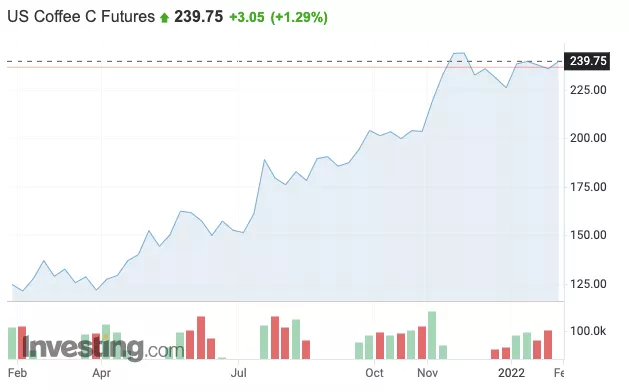
The rise in coffee bean costs stemmed from poor harvests of Arabica coffee beans in Brazilian production areas. Brazil is the world's largest producer of Arabica coffee beans and one of the main sources of Arabica coffee bean stocks on the US ICE exchange, and its inventory levels constantly affect futures prices. Last year happened to be an off-year for Brazilian Arabica coffee bean production. Output was already lower than in 2020, and combined with successive blows from severe weather such as frost, the harvest declined repeatedly. Reduced production caused an inventory deficit, and Arabica coffee bean prices climbed steadily, with futures prices even setting a ten-year record high.
The market had originally expected that 2022 would be a strong production year for Brazilian Arabica coffee beans, and that the tight inventory situation would hopefully ease. However, in early December last year, La Niña triggered heavy rain and flooding, and multiple Arabica production regions in Brazil were affected to varying degrees. Among them, Minas Gerais, Brazil's largest Arabica coffee bean production region, saw a large number of coffee trees buried due to landslides. This cast a shadow over what had originally been a promising year. Arabica coffee futures prices continued to hover at high levels and may still rise further. Over the past 52 weeks, coffee bean futures prices have climbed from 120.2 cents to a recent 239.20 cents. This is Starbucks' basic raw material and an important part of its cost structure.
Starbucks' first-quarter fiscal 2022 earnings report released on February 1 showed that in the quarter ended January 2, sales increased 18% year-over-year, meaning US Starbucks' first-quarter revenue increased by $1.3 billion year-over-year. Although US Starbucks' sales trend was healthy, pricing was also raised as multiple inflationary headwinds intensified.
The causes of inflation include the Federal Reserve's recent meeting signaling interest rate hikes (that is, an increase in the interest charged on bank loans), massive money printing (leading to slower economic development), and balance sheet reduction (cutting less important fiscal expenditures). These measures may weaken the US economy over the next one to two years, while massive money printing will cause costs in many areas to rise sharply.
Although sales increased by $1.3 billion year-over-year, operating income grew by only $264 million. Starbucks was hit by many rising costs, covering employee wages, supply chain challenges, new employee training and onboarding training, among others. The company said total operating expenses in the quarter increased by $994 million. In addition, as variant strains continued to disrupt Starbucks' operations, management expected high costs not to subside in the second quarter. As for how much more prices will rise and how many more times they will increase, Starbucks still could not give a clear answer because it lacked an accurate judgment on the subsequent economic trend.
As for whether this price increase by US Starbucks will affect the Chinese market, in fact it will not.
First, China Starbucks' own pricing is already considerably higher than that of US Starbucks. In the US, after the two most recent price increases, the price of a Venti Americano is $2.95, about 18.8 yuan; while China Starbucks' Venti Americano sells for 31 yuan. From a pricing perspective, China Starbucks' profit margin is far greater than that of US Starbucks, and its existing pricing is enough to absorb the impact of US price increases.
Second, China adheres to a zero-tolerance policy in pandemic prevention, so China Starbucks faces no pressure on staffing and still has sufficient manpower to maintain overall company operations. It is certain that China Starbucks will not experience a serious labor shortage problem (at the overall level). Because the labor force is sufficient to support operations, China Starbucks also does not need to retain employees by raising wages.
In addition, the Chinese coffee market and the US coffee market operate in completely different ways. If China Starbucks also follows suit and raises prices at this time, it will soon find it difficult to gain a foothold in the Chinese market. As more and more local coffee chain brands join the competition, raising prices rashly while a price war is in full swing will not win over consumers.
In the US market, Starbucks is a mass-market beverage; in the Chinese market, Starbucks is a high-end beverage. Luckin may be the one that represents the future survival model of coffee in China. Therefore, in the short term, China Starbucks will maintain current beverage prices, and may even cut prices in the future, in order to compete with Luckin.
Image source: Internet
For professional coffee knowledge exchange and more coffee bean information, please follow Coffee Workshop (WeChat public account: cafe_style)
For more specialty coffee beans, please add the private WeChat account Front Street Coffee (FrontStreet Coffee), WeChat ID: kaixinguoguo0925
The above content is compiled by CoffeeHunters, a coffee news website.


