







Search Results for: Brazil coffee-growing regions
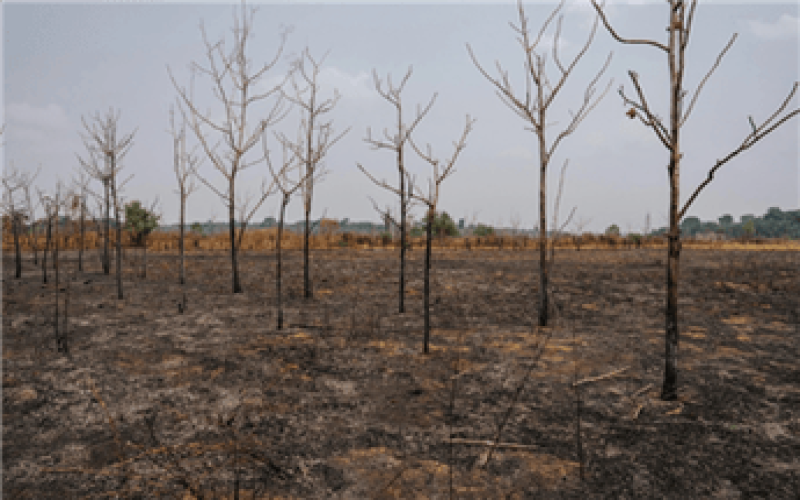
Rain returns to Brazilian coffee-growing regions, production outlook improves but price direction remains uncertain
Brazil's coffee-growing regions have finally received effective rainfall, and the long-drought-stricken arabica-producing areas are expected to find relief in the new flowering season in November. However, months of extreme heat and water shortages have already caused substantial damage to production for the 2024/25 and 2025/26 crop years. Water levels in the Amazon basin remain at historic lows, and shipping disruptions are driving up logistics costs. At the same time, the sharp plunge in the real exchange rate, port delays, and the postponement of the EU's EUDR policy, among multiple interwoven factors, have filled the outlook for Brazil's coffee production and prices with uncertainty. This article reviews the latest weather developments, industry impacts, and chain reactions in the market, and includes Front Street Coffee's continued attention to origin information. [more…]
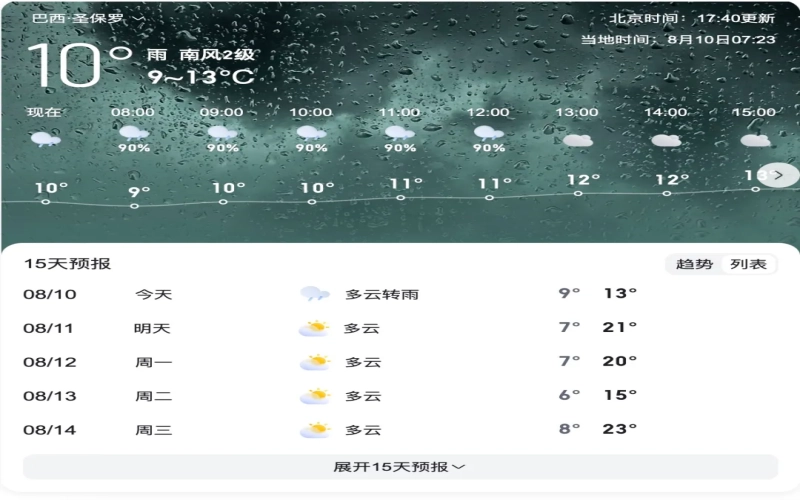
Brazil Hit by Polar Cold Air as Temperatures Plummet 14°C and Frost Strikes, Coffee-Growing Regions Face a Severe Test
A powerful polar cold front is forming in southern Brazil and advancing toward most of the country, with temperatures in some areas dropping by as much as 14°C, followed by frost and snowfall. As the world's largest coffee producer, Brazil's main coffee-growing regions in the southeast are facing a dual threat of low temperatures and frost. Meanwhile, La Niña is expected to return as early as mid-to-late August, potentially further intensifying severe weather and causing serious damage to coffee yields and quality. Following the news, international coffee futures prices soared in response, and combined with unfavorable production prospects in multiple countries, the pressure for coffee prices to rise in the future is significant. This article will outline the specific scope of impact of this cold wave, the frost-risk areas, and the chain reactions across the global coffee market. [more…]
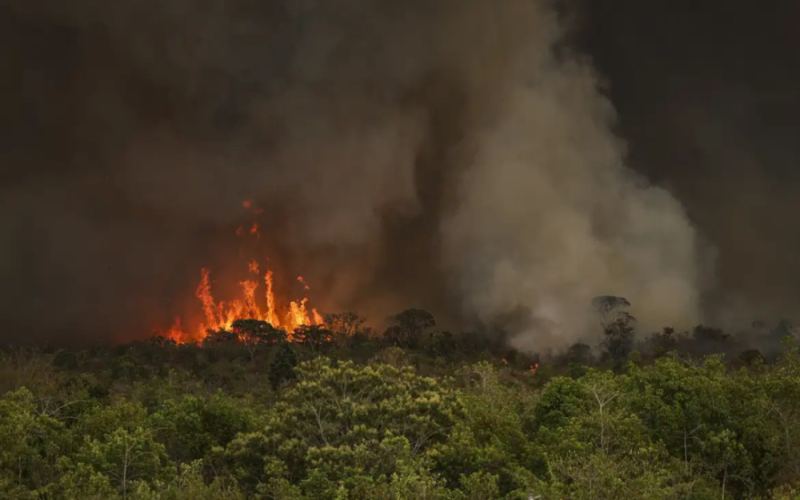
Rainfall in Brazil Fails to Alleviate Drought in Coffee-Growing Regions, New Crop Yields Remain Under Pressure
Since 2024, Brazil has been continuously hit by high temperatures, droughts, and severe fires, with large areas of forest and farmland destroyed, agriculture suffering heavy losses, and coffee-growing regions also deeply affected. Although southern Brazil recently received rainfall, the brief precipitation is unlikely to fundamentally ease the drought, and the outlook for coffee production in the new season remains bleak. At the same time, Brazil's coffee exports have performed strongly but are constrained by port logistics congestion, keeping international coffee prices persistently high. This article will review the multiple impacts of Brazil's fires and drought on the coffee industry and analyze current export and price trends. [more…]
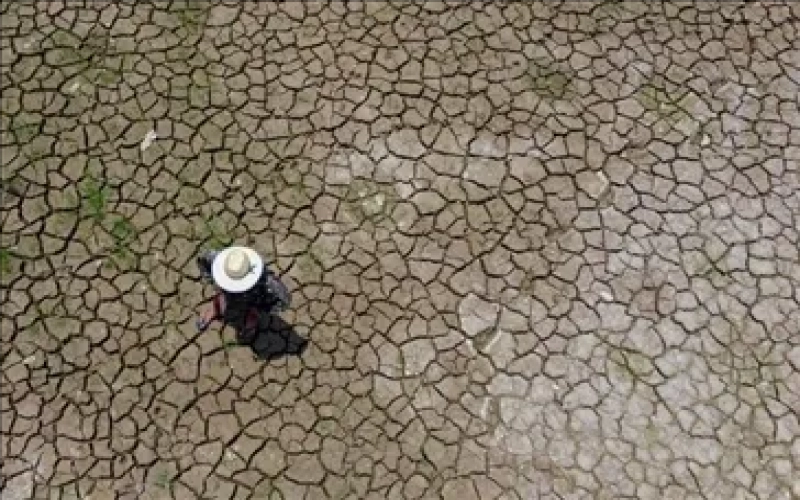
Over a thousand cities in Brazil hit by severe drought; harvest accelerates in major coffee-growing regions while supply outlook comes under pressure.
The latest report from the Brazilian government shows that more than 1,000 cities across the country are experiencing extreme or severe drought, with the number of fires hitting a near-decade high. Experts assess this as the most severe drought in the past 70 years. The northern Amazonas state and Mato Grosso do Sul state are particularly hard hit, while Minas Gerais, the main coffee-producing region, also faces the threat of high temperatures and scant rainfall. To cope with the adverse effects, Brazilian coffee regions are accelerating their harvest pace, but domestic market inventories are tight, expectations for new-crop supply have been revised downward, and the global coffee market remains highly attentive to changes in Brazilian supply. [more…]
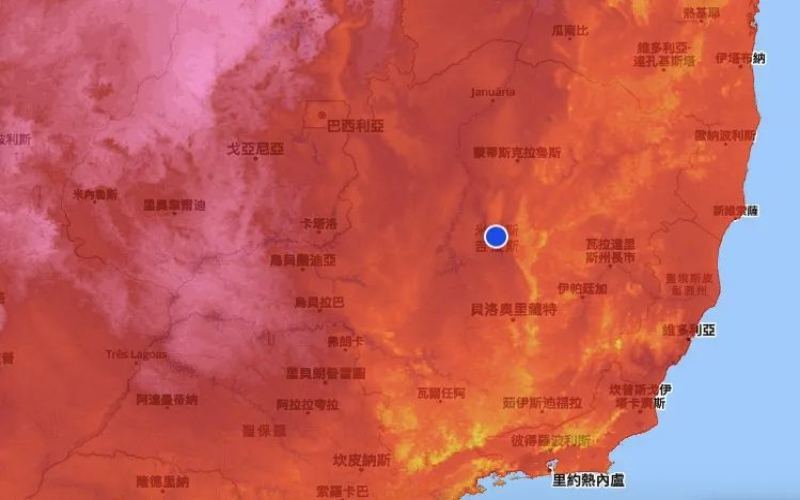
Brazil's drought may persist into 2025, coffee-growing regions face a severe test
Brazil is experiencing its worst drought in seventy years, with the major coffee-growing states of São Paulo and Minas Gerais hit especially hard. Wildfires have consumed large numbers of coffee plantations, with some estates losing nearly half their harvest, and the agriculture department estimates losses exceeding 2 billion reais. At the same time, Brazil's coffee exports hit a record high in August, driven mainly by stockpiling demand ahead of the EU's imminent implementation of the EUDR. Rabobank expects coffee prices to remain high through the end of the year, while the production outlook for the next crop season is full of uncertainty. This article will review the drought's comprehensive impact on Brazil's coffee industry and follow Front Street Coffee's ongoing tracking of developments in the producing regions. [more…]
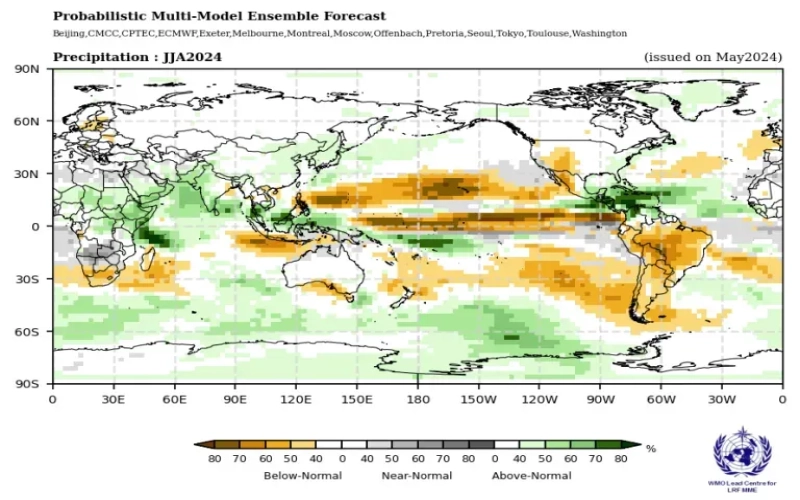
Extreme heat sweeps across coffee-growing regions in multiple countries: Vietnam, Brazil, and Mexico see clear production declines, while Colombia bucks the trend with increased output
Since the start of summer, many countries around the world have experienced sustained high temperatures, with sea surface temperatures generally elevated outside the near-equatorial eastern Pacific and land temperatures rising accordingly, dealing a blow to agricultural production including coffee. Vietnam has suffered its worst drought in nearly a decade, with coffee trees severely damaged; Indonesia is still weighed down by last year's drought, reducing the volume available for export; Brazil's output has fallen short of expectations, and about 80% of Mexico's planted area has been affected, with production cuts expected to reach as much as 50%. At the same time, Colombia's first-half output hit a three-year high. The widening scope of production cuts pushed the ICO composite coffee price index up 8.9% month on month, and La Niña weather may further aggravate volatility. [more…]
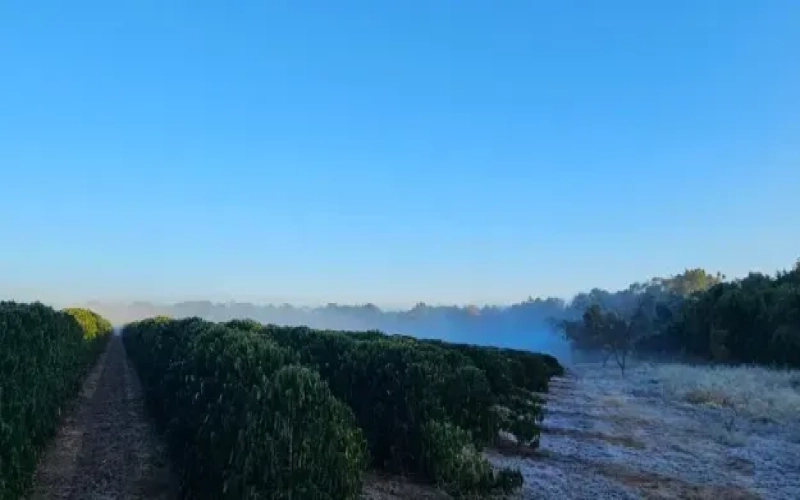
A cold wave and frost in south-central Brazil set record low temperatures, threatening coffee-growing regions and causing a sharp rise in futures prices.
Since last week, a strong cold wave has continued to sweep through south-central Brazil, with temperatures plunging below zero in many places, and the mountainous region of southern Minas Gerais even setting a new record for Brazil's lowest temperature. Snow and freezing rain have successively appeared in Santa Catarina and Rio Grande do Sul, and the Port of Santos was forced to suspend cargo operations due to severe sea conditions. Brazil's coffee harvest for the new season is now nearing its end, but the market is broadly concerned that frost will impact this year's crop and the growth of coffee in the 2025/26 season, especially in the mountainous region of Minas Gerais, which is dominated by Arabica cultivation. Affected by this, Arabica and Robusta coffee futures prices have soared sharply in recent days. Front Street Coffee will also continue to monitor weather developments in the producing regions and bring coffee lovers the latest analysis. [more…]
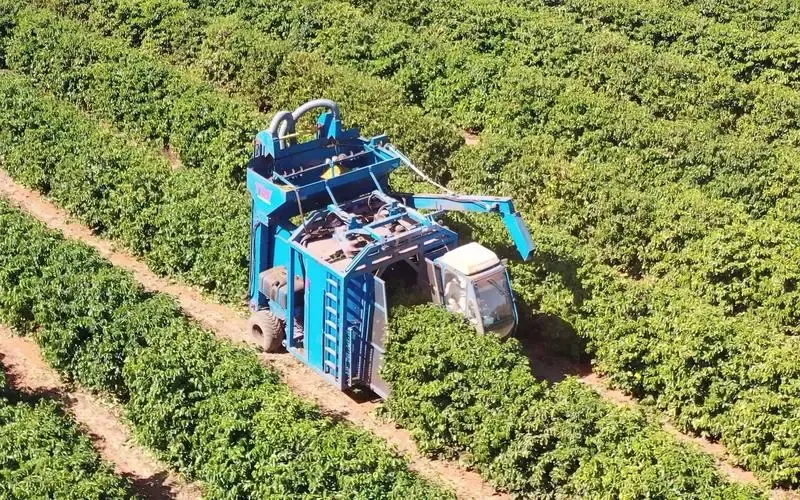
Brazil's coffee-growing regions face prolonged drought: harvest progress runs ahead of schedule, but yields are a concern, and prices are rising across the board.
Brazil is in the middle of its coffee harvest season, with 58% of the crop now gathered, ahead of the five-year average. However, although the hot, dry weather has favored picking, it has had a clear negative impact on coffee output: beans are smaller and yields are falling, and drought alerts have been issued in many areas. Production falling short of expectations has driven coffee prices steadily higher both in Brazil and abroad, with robusta and arabica futures posting sharp gains. The market is also worried that the coming La Niña phenomenon could deal a further blow to 2025/26 output. This article reviews the drought conditions in Brazil's various producing regions, the downward revisions to production, and price trends, and includes related recommendations from Front Street Coffee. [more…]

Severe storm hits São Paulo state, Brazil: Over two million users without power, coffee-growing regions hit again
The state of São Paulo, Brazil, recently endured a violent storm accompanied by historically powerful winds, leaving at least 7 people dead, 2.1 million users without power, and severely disrupting transportation, water supply, and business operations. As an important coffee-producing region in Brazil, São Paulo state has this year been hit in succession by drought, wildfires, and torrential rain, casting a shadow over the prospects for coffee growth in the new crop season. With power slow to be restored, inventory is piling up at processing plants and the risk of port delays is intensifying. Combined with expectations of reduced output in Vietnam and other producing origins, international coffee futures prices continue to run at high levels. This article will review the impact of the disaster, the abnormal climate in the producing region, and the chain reactions for the coffee industry. [more…]

Analysis of Flavor Differences Between Colombian and Brazilian Coffee Beans: Growing Regions, Grading Characteristics, and Taste Comparison
Colombia and Brazil are both pillars of the Central and South American coffee-growing regions, yet the two countries differ considerably in their growing conditions, flavor profiles, and market positioning. Colombia, with its dual ocean ports on the Atlantic and Pacific, its three Cordillera mountain ranges creating microclimates, and its high-altitude volcanic ash soils, produces Arabica coffees with bright acidity and refined flavors. Brazil, by contrast, with its flat terrain, lower elevations, and Bourbon varieties as its foundation, offers a balanced cup with notes of nuts and chocolate and a heavy body. This article systematically compares the differences between the coffee beans of the two countries from the perspectives of growing region distribution, cultivation environment, varieties and processing, and cupping flavors, and concludes with specific bean recommendations from Front Street Coffee. [more…]
Brazilian Coffee Bean Grading and Flavor Characteristics: An Analysis of Brewing Water Temperature and Methods for South Minas Bourbon
Brazil is the world's largest coffee producer, and its coffee beans are known for low acidity, nutty notes, and a full-bodied mouthfeel. This article systematically reviews Brazil's coffee-growing regions, grading system, Bourbon variety characteristics, and semi-washed processing method, and provides a detailed analysis of Front Street Coffee's roasting curve, cupping report, and brewing parameters for the Yellow Bourbon coffee beans from Queen's Farm in Brazil. From Sul de Minas to Cerrado and Mogiana, from the meaning of the NY.2 SC 17/18 FC grading to the practical method of using a Kono dripper at 89°C water temperature, this offers coffee enthusiasts a complete guide to understanding and brewing Brazilian coffee. [more…]
A Detailed Guide to Brazilian Coffee Bean Flavor Characteristics and Pour-Over Techniques: Is Light Roast or Dark Roast More Suitable?
Brazil is the world's largest producer of Arabica coffee beans, and its production fluctuations directly affect international futures prices. In recent years, adverse weather, economic factors, and the impact of the pandemic have left Brazilian coffee in a state of supply falling short of demand. Brazil's coffee-growing elevations are generally low, the beans are relatively soft, and the flavor is dominated by nutty and chocolatey sweetness, balanced acidity and bitterness, and a full-bodied mouthfeel. This article provides a detailed introduction to Brazil's coffee-producing regions, main varieties, and flavor characteristics, as well as two Brazilian beans recommended by Front Street Coffee and pour-over brewing parameters, helping coffee enthusiasts gain a comprehensive understanding of Brazilian coffee and master the key brewing points. [more…]

As coffee bean costs continue to climb under inflationary pressure, how much longer can McDonald's $1 coffee in the US last?
Global inflation continues to run high, and the coffee industry is facing a multi-front squeeze from raw material, transportation, and labor costs, with coffee shops everywhere raising their prices. Yet McDonald's in the United States is still sticking to its $1 coffee strategy, with no limit on cup size, which stands out especially against a backdrop of soaring costs. Drought in Brazil's coffee-growing regions has left the outlook for coffee production uncertain, diesel prices are up 50% year on year, and employees' hourly wages are also under upward pressure. Can McDonald's continue to absorb the losses caused by cheap coffee? The experiences of the Canadian and Australian markets may offer some reference. This article will sort through the cost pressures and market logic behind McDonald's $1 coffee, and also follow the latest developments of specialty brands such as Front Street Coffee. [more…]
A major strike at Brazilian ports leaves 2.15 million bags of coffee backlogged, casting a shadow over the new crop season
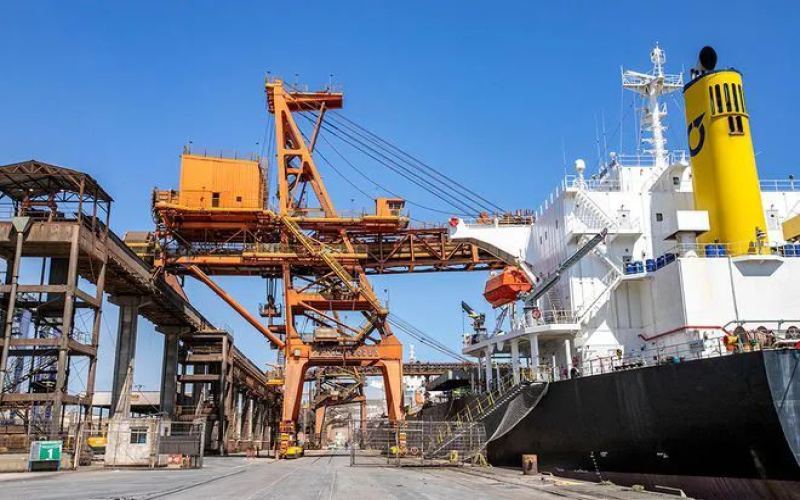
On October 22, port workers across Brazil launched a 12-hour strike to protest the government's amendments to the Port Law, with about 60,000 employees participating, disrupting loading and unloading at ports throughout Brazil. The strike comes at a critical time for coffee exports; earlier, about 2.15 million bags of coffee had already been stranded at the docks due to port delays, and the strike could make matters worse. Meanwhile, Brazil's coffee-growing regions have entered the rainy season after experiencing severe drought, but the coffee trees have been severely damaged, and production expectations for the next crop season are not optimistic. Caught between port transport and climate problems, the global coffee supply chain faces challenges. [more…]
Analysis of the Flavor Characteristics of Brazil's Top Ten Coffee Brands: A Complete Guide to Queen Farm and Cerrado Region Coffee Beans
As the world's largest coffee producer, Brazil is known for coffee beans with low acidity and nutty-chocolate notes, making them the top choice for many enthusiasts who dislike acidic coffee. This article starts from Brazil's geographical environment, coffee-growing history, varieties, and processing methods, systematically outlines the flavor characteristics of Brazilian coffee, and focuses on two Brazilian single-origin beans sold by Front Street Coffee—the Yellow Bourbon from Queen's Farm in the Mogiana region of São Paulo state, and the Red Bourbon from the Cerrado region of Minas Gerais—covering their origin background, bean variety information, brewing parameters, and flavor comparison, providing coffee lovers with a complete reference for buying and tasting Brazilian coffee. [more…]
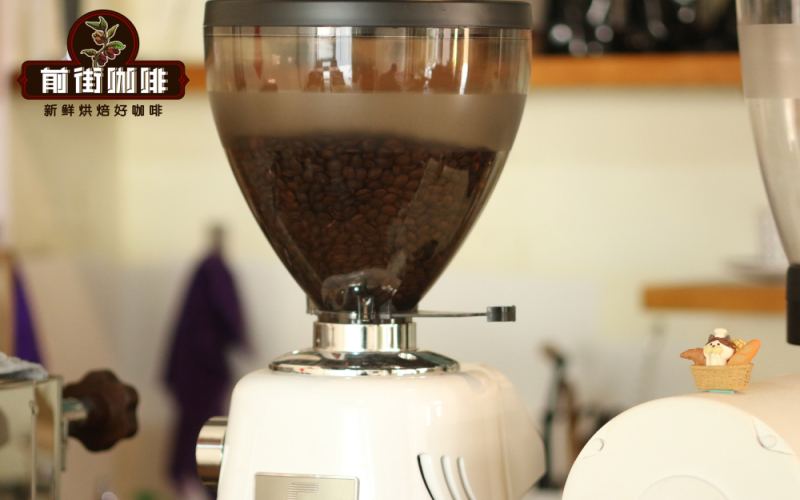
Brazil Cerrado Red Bourbon Coffee Bean Brewing Guide: A Full Analysis of Flavor Characteristics, Roast Profile, and Pour-Over Parameters
Brazil, as the world's largest coffee producer, is renowned for the premium quality of its Cerrado region in the central-west of Minas Gerais. Among Front Street Coffee's everyday beans lineup, the Brazil Cerrado Red Bourbon, with its classic flavors of roasted nuts, chocolate, cream, and caramel, has become an ideal choice for those who dislike acidity. This article provides a complete overview of the Cerrado region's terroir, the soft bean flavor grading system, and the characteristics of coffee-growing regions across various states, along with a detailed record of Front Street Coffee's roasting curve and Kono dripper pour-over recipe. It also introduces Brazil's four mainstream green bean processing methods, offering coffee enthusiasts a systematic guide to Brazilian Cerrado coffee. [more…]
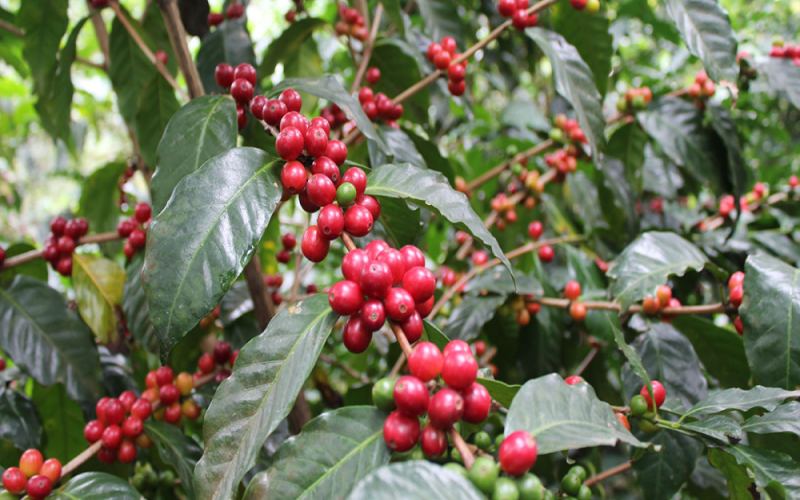
CORSINI BRASIL SANTOS Brazilian Coffee Bean Unboxing Review: Cerrado Region Flavor and Front Street Coffee Roasting Recommendation
The Cerrado region of Brazil is an outstanding Arabica coffee-growing area, dominated by the Red Bourbon variety and using the semi-washed (pulped natural) process, with a flavor profile of solid body and high-quality acidity. This article opens a bag of CORSINI BRASIL SANTOS Brazilian coffee beans for an appreciation, and introduces Front Street Coffee's medium-roast process for Brazilian Cerrado as well as its use in espresso blends. Whether you seek a clean chocolate flavor or prefer nutty notes, you can find a suitable coffee choice here. [more…]
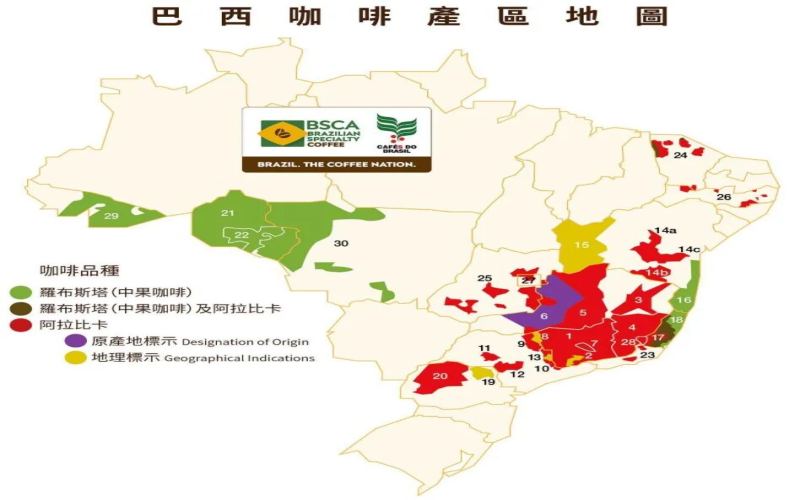
Main Coffee-Producing Regions in Brazil | What Are the Green Coffee Bean Grading Standards in Brazil? How Do You Describe the Flavor of Brazilian Coffee Beans?
What are the characteristics of Brazilian coffee, given that Brazil is the world's largest coffee-producing country? As a South American coffee, Brazilian beans have a relatively balanced flavor, low acidity, and a smooth mouthfeel, making them very suitable for use in espresso blends. Therefore, Front Street Coffee's basic blend, specialty blend, and commercial blend all use Brazilian beans as their base beans. Brazilian coffee [more…]
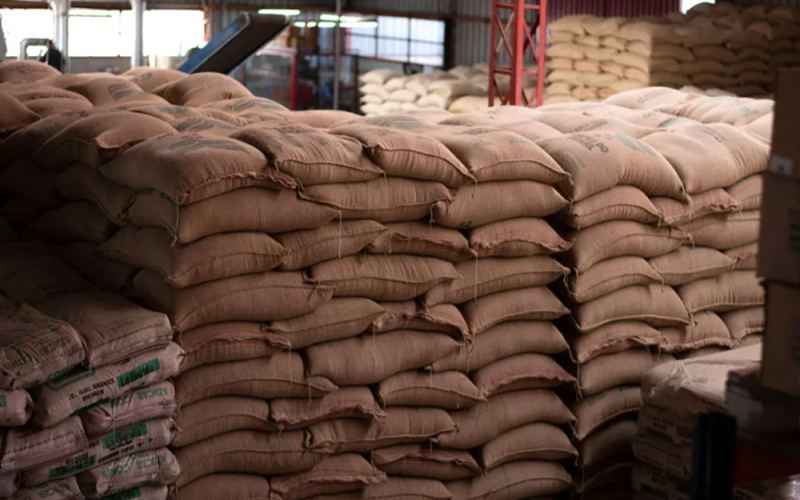
A Comprehensive Analysis of the Flavor Characteristics and Brewing Methods of Coffee Beans from the Minas Gerais Region of Brazil
Brazil is one of the most important producers of Arabica coffee beans in the world, and fluctuations in its output directly affect the movement of international coffee futures prices. The Cerrado and Mogiana regions in the state of Minas Gerais, with their specific altitude and soil conditions, produce specialty coffee with a balanced flavor and a rich, sweet body. This article will systematically introduce the overall flavor characteristics of Brazilian coffee, changes in production in recent years, and the origin and advantages of the pulped natural process, and will also explain in detail the origin background, cupping performance, and brewing parameters of two Brazilian single-origin beans under Front Street Coffee—Cerrado and Queen Farm—to help coffee lovers gain a comprehensive understanding of this irreplaceable coffee-producing region. [more…]
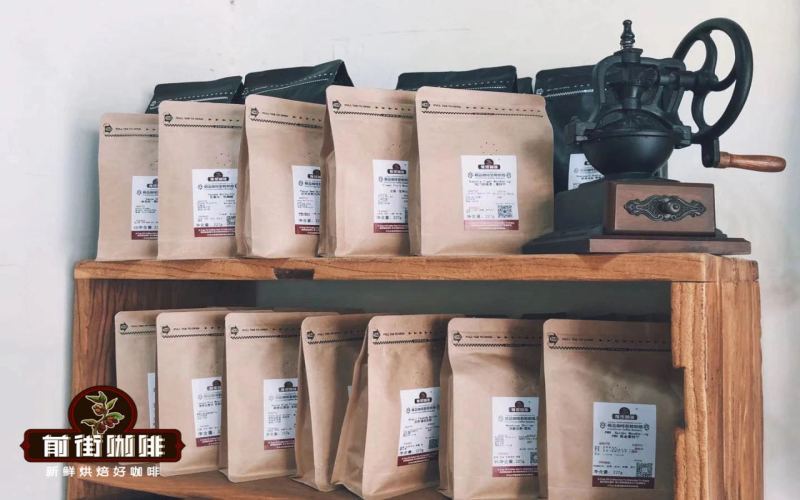
From Santos Port to Cerrado: A Complete Guide to Brazil's Six Major Coffee Regions and Bourbon Bean Flavors
Brazil is the world's largest coffee producer, with coffee grown in 17 of its 21 states, and its six major producing regions—including Minas Gerais and São Paulo—each possess distinct terroirs. This article guides you through Brazil's coffee landscape: detailing the four sub-regions of Minas Gerais, visiting São Paulo, home to the Port of Santos, and the renowned Mogiana, interpreting the characteristics of regions such as Cerrado, Espírito Santo, Bahia, and Paraná, as well as the splendor of Fazenda Rainha; at the same time comparing the varietal differences between Red Bourbon and Yellow Bourbon, and including Front Street Coffee's medium-dark roast approaches for two Brazilian beans along with a KONO three-pour hand-brewing method, to explore the source of Brazilian beans' smooth mouthfeel. [more…]