







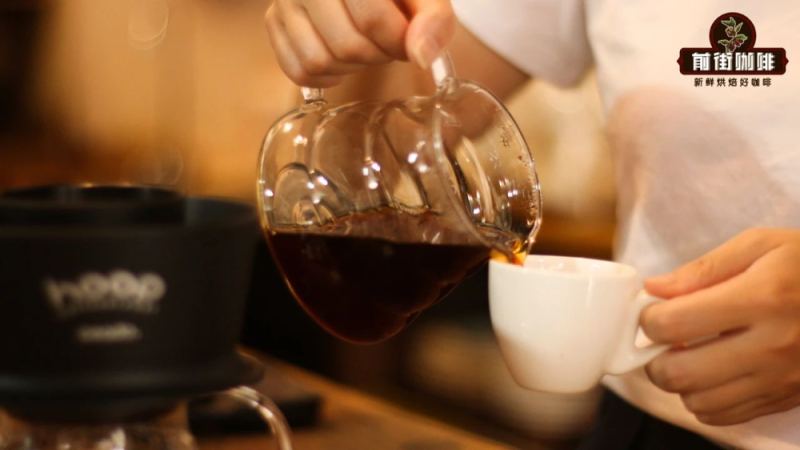
Why Brazilian coffee suits drinkers who avoid sour coffee
Brazil, the largest coffee producer, is known for beans with low acidity and nutty, chocolate notes, which makes them a common pick for people who dislike sour coffee. Two single-origin examples show the range: Queen Farm Yellow Bourbon from the Mogiana region of São Paulo and Red Bourbon from the Cerrado region of Minas Gerais.
Growing conditions explain the cup profile. Brazil spans roughly 5°N to 35°S, with the central and southern areas sitting on highlands above 500 meters and the Amazon basin plains below 200 meters. Average temperatures run about 25°C to 28°C in the Amazon Plain and 16°C to 19°C in the south, and this tropical setting shapes the mild, sweet, low-acid character of yellow bourbon coffee.
Brazil, as the world's largest coffee producer, is known for coffee beans with low acidity and nutty-chocolate notes, making it the top choice for many enthusiasts who dislike sour coffee. This article starts from Brazil's geographical environment, coffee-growing history, varieties, and processing methods, systematically sorting out the flavor characteristics of Brazilian coffee, and focusing on two Brazilian single-origin beans sold by Front Street Coffee—the Queen Farm Yellow Bourbon from the Mogiana region of São Paulo, and the Red Bourbon from the Cerrado region of Minas Gerais—covering growing region background, bean variety information, brewing parameters, and flavor comparison, to provide coffee lovers with a complete reference for buying and tasting Brazilian coffee.
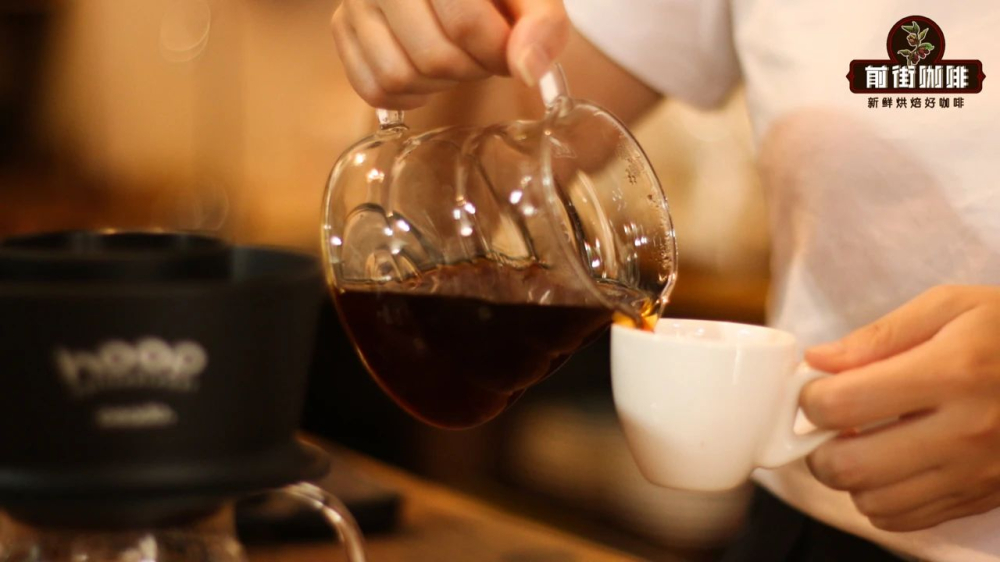
Tea, cocoa, and coffee are known as the world's three major beverages. Cocoa may not be common, but coffee has long been integrated into every corner of daily life. Walking down the street, pedestrians holding coffee are everywhere. Especially in cities like Guangzhou, you may encounter a café around any corner. Coffee is becoming the choice of more and more young people. As one of the three major beverages, the amount consumed every day is astonishing, and the force behind this massive consumption is the world's number one coffee-producing country—Brazil.
Brazil's production capacity is so large that almost any café can find Brazilian coffee beans. Take
Front Street Coffee as an example—there are two Brazilian single-origin beans on its bean list. Whenever a customer says they don't want coffee with sourness, Front Street's baristas will give priority to recommending Brazil Queen Farm.
Geographical Location
Brazil is located in eastern South America, spanning from 5°N to 35°S, bordering the Atlantic Ocean to the east and Colombia to the northwest. In terms of terrain, Brazil can be roughly divided into two parts: the central and southern regions are dominated by the Brazilian Highlands at elevations above 500 meters; the northern and western regions are plains below 200 meters, mainly distributed in the Amazon River basin. In terms of climate, most of Brazil lies within the tropical zone. The average annual temperature in the Amazon Plain is between 25°C and 28°C, while the average annual temperature in the southern region is between 16°C and 19°C.
Coffee-Growing History
Friends who are not very familiar with the history of coffee's spread often find it hard to believe when Front Street Coffee says that "more than three hundred years ago, there was not a single coffee tree on Brazilian soil." After all, everyone knows Brazil is the largest coffee bean producer—how could there not be even one coffee seedling?
This starts with a romantic anecdote. In 1727, Portuguese Army Captain Francisco de Melo Palheta was sent to French Guiana to mediate a territorial dispute between France and the Netherlands. Unexpectedly, the wife of the Governor of French Guiana fell in love with this officer at first sight, and upon parting gave him coffee seedlings (some say coffee seeds). After Palheta returned to Brazil, he resigned from his military post and went to the northern province of Pará near the equator to start growing coffee, thus sparking a boom in Brazilian coffee cultivation. Thereafter, coffee plantations gradually shifted to the densely populated southeast regions of São Paulo and Espírito Santo, as well as the southern province of Paraná. By 1845, Brazilian coffee beans accounted for 45% of the world's total coffee beans.
Growing Environment
The growing altitude of Brazilian coffee ranges from 400 to 1,600 meters. Compared with Central American coffee, the altitude is lower, the terrain is flat and uniform, and it lacks the support of microclimates. In addition, many Brazilian plantations adopt sun-exposed cultivation methods, and coffee cherries ripen quickly under abundant heat. These factors together create the characteristics of Brazilian coffee beans being relatively soft in texture and not high in density, showing typical soft-bean flavors—low acidity, prominent nutty notes, good chocolate sweetness and body, but with slight woody and earthy notes, while floral and citrus aromas are not obvious. The reason Front Street Coffee's baristas often recommend Brazilian beans to friends who dislike sourness is precisely that Brazilian coffee has a relatively mild taste and will not show the wild and strongly rising acidity and orange aromas of African beans.
Varieties
Brazil cultivates quite a rich variety of coffee, with Red Bourbon, Yellow Bourbon, Mundo Novo, and Catuai currently as the main varieties. In addition, varieties such as Caturra, Acaia, Oeiras, Aramosa, and Pointed Bourbon are also grown and studied.
Coffee variety, geography and climate, soil texture, cultivation techniques, harvesting methods, and processing methods are all like results bred by the land, directly affecting the quality of green coffee beans. Brazil is the world's largest coffee producer. If both commercial-grade and specialty coffee are counted together, Brazil accounts for 30% of global coffee usage. In addition to innate conditions such as climate and land area, Brazil's coffee industrialization process is also key to its enormous national income and benefits.
Brazil mainly grows Bourbon and Catuai among Arabica varieties, and the yields of these two varieties are considerably higher than many other varieties.
Processing Methods
As is well known, the most common coffee processing methods are natural and washed. Brazil initially mainly used the natural process, but in order to improve bean quality, Brazil developed the semi-washed process in 1990. As early as the mid-18th century, the Dutch began using the washed method to process coffee, but washed processing requires large amounts of water, which is not realistically feasible in Brazil.
The Brazilian-style semi-washed process is as follows: first put the coffee cherries into a water tank, remove defective beans and floating cherries, then remove the skin, pulp, and part of the mucilage layer, then wash for one hour. Because the soaking fermentation time is very short, the mucilage cannot be completely rinsed away, and some mucilage remains on the parchment. At this point, spread the sticky parchment beans on a drying patio to dry, preferably using African raised beds with good breathability.
Reading this, some friends may ask Front Street: isn't this similar to the washed process? Front Street's explanation is: indeed, the Brazilian semi-washed process is very similar to the washed process. The difference is that the soaking time is much shorter than washed, so a portion of the mucilage is retained before entering the sun-drying stage.
Compared with traditional washed processing, this method greatly saves water, reduces resource costs, and also changes the poor quality caused by Brazil's extensive natural drying. Because the skin and pulp have already been removed, the sun-drying time is significantly shortened, and the chances of over-fermentation, mold, and infection are also reduced. It can be said that the semi-washed process is a unique processing method adapted by Brazil to local conditions.
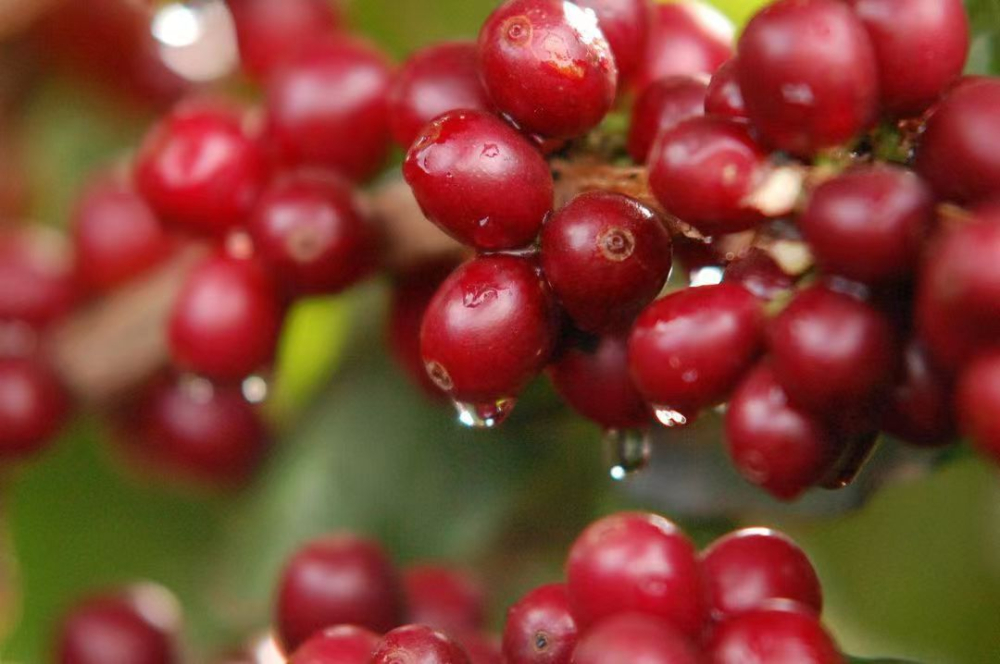
Coffee Producing Regions
Brazil has 21 states in total, 17 of which produce coffee, but the 7 largest producing states together account for 98% of the country's total output.
These 7 states are: São Paulo (Mogiana, Centro-Oeste), Paraná (Norte Pioneiro do Paraná), Bahia (Planaltoda Bahia, Cerrado da Bahia, Atlantico Baiano), Espírito Santo (Montanhas do Espírito Santo, Conilon Capixaba), Minas Gerais (Sul de Minas, Cerrado Mineiro, Chapada de Minas, Matas de Minas), Rondônia (Rondônia), and Rio de Janeiro (Rio de Janeiro).
Front Street Coffee has two Brazilian beans on its bean list: one is Brazil Queen Farm from the Mogiana region of São Paulo, and the other is Red Bourbon from Cerrado in Minas Gerais.
[Front Street Coffee Brazil Queen Farm] Country: Brazil Region: Mogiana Altitude: 1400m-1950m Variety: Yellow Bourbon Processing Method: Natural
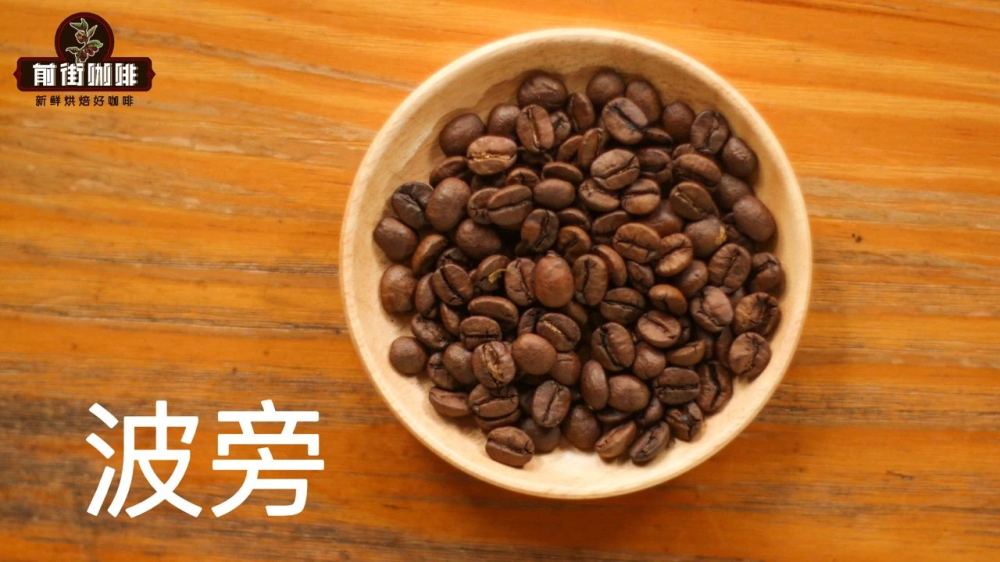
Mogiana / Mogiana
This region is located in São Paulo State, very close to southern Minas. Coffee trees are planted among shrubs, grass, and other vegetation. This region is home to many growing families, some using traditional large-farm management models, and others using small-scale modern operations. The integration of modern technology with mountain coffee-growing culture has produced the highest-quality Brazilian coffee beans.
[Front Street Coffee Brazil Red Bourbon] Country: Brazil Region: Cerrado Mineiro Altitude: 1000m Variety: Red Bourbon Processing Method: Semi-washed
Cerrado / Cerrado Mineiro
Growing coffee in Cerrado (also known as Savanna) is a victory for Brazilian coffee technology. More and more large coffee plantations in Cerrado use high technology for production, which can be seen in only very few regions. The plateau climate has four distinct seasons, the fruit ripens steadily, and there is absolutely no rain during the harvest season. Savanna coffee usually uses the natural process, which is also a current trend in processing methods.
Brewing Suggestions
Front Street brewing parameters: use a Kono dripper, 88°C water temperature, 15g coffee dose, 1:15 coffee-to-water ratio, medium-fine grind (80% passing a Chinese standard No. 20 sieve)
For coffee beans with a darker roast level, in order to highlight body, Front Street Coffee chooses the Kono dripper for brewing. The Kono dripper's feature is that it has a soaking function, extracting more coffee substances through soaking, thereby enhancing the full-bodied mouthfeel. Its ribs are few in number and positioned low, allowing the filter paper to cling closely to the dripper wall, restricting airflow, so the water flow rate slows down and the contact time between water and coffee grounds is extended.
The water temperature is chosen at 88°C, which is a relatively low brewing temperature and can avoid extracting too many off-flavors from the coffee beans during brewing, because the darker the roast, the more off-flavors increase accordingly.
Brewing Technique
Front Street uses staged extraction: first bloom with 30g water for 30 seconds, then pour in a small stream in circles until 125g, then pause; when the water level drops and is about to expose the coffee bed, continue pouring until 225g and stop (timing starts from the beginning of blooming). The total extraction time is 2 minutes. When brewing the two beans, Front Street tries to keep the technique as consistent as possible.
Flavor Comparison
Front Street can clearly feel that both Brazilian coffee beans have a relatively full body, with clear nutty and chocolate notes, showing typical flavor characteristics of the Brazilian producing region. The Queen Farm Brazilian Yellow Bourbon coffee bean has a cleaner taste and richer layers, with sweetness leaning toward caramel. The Red Bourbon bean feels rounder overall, and its chocolate flavor is stable and long-lasting.
For more specialty coffee beans, please add the private WeChat Front Street Coffee, WeChat ID: kaixinguoguo0925
The above content is compiled by CoffeeHunters, a coffee news website.


