








How Does the Sao Paulo Storm Affect Coffee Growth?
A violent storm with record winds hit Sao Paulo state in Brazil, killing at least 7 people and cutting power to about 2.1 million users. Winds reached 107 km/h, the highest since 1995. Coffee-growing areas in the state have already faced drought, wildfires, and heavy rain this year, and the outlook for coffee growth in the new crop season is uncertain.
Power recovery has been slow: 14 hours after the storm, 1.6 million users still lacked electricity, and more than 400,000 remain without power. Brazil's Ministry of Mines and Energy told utility Enel SP to restore supply within three days or face penalties. Inventory buildup at processing plants and port delays are worsening, while futures prices stay high.
São Paulo state in Brazil recently suffered a violent storm accompanied by historically strong winds, causing at least 7 deaths and power outages for 2.1 million users, with severe damage to transportation, water supply, and business operations. As an important coffee-producing region in Brazil, São Paulo state has been hit by drought, wildfires, and heavy rain in succession this year, and the outlook for coffee growth in the new crop season is worrying. With power supply slow to recover, inventory buildup at processing plants and the risk of port delays are worsening. Combined with expectations of reduced production in origins such as Vietnam, international coffee futures prices continue to run at high levels. This article will review the impact of the disaster, the abnormal climate in the producing region, and the chain reactions for the coffee industry.
Local Brazilian media reports show that the São Paulo state Civil Defense Department reported that a violent storm carrying record-breaking strong winds swept across São Paulo city and the surrounding metropolitan area, killing at least 7 people, leaving about 2.1 million residents and commercial users without power, paralyzing the transportation system, forcing businesses to suspend operations, and severely disrupting residents' daily lives.
The Civil Defense Department recorded wind speeds of up to 107 km/h during the storm, setting a new high since 1995. The previous record was 103.7 km/h set last November. The strong winds caused multiple accidents at night, including damage to some buildings, collapsed walls, and fallen large trees, ultimately leading to 7 deaths.
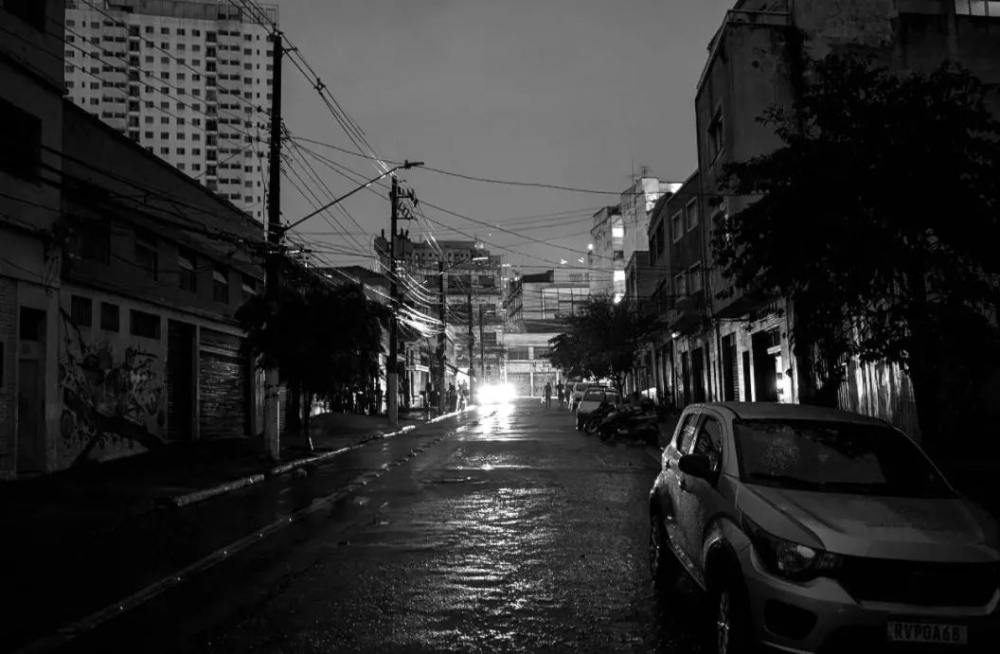
São Paulo power company Enel SP reported that 14 hours after the storm subsided, 1.6 million users still had not had their power restored, and as of now, more than 400,000 users are still without electricity. The minister of Brazil's Ministry of Mines and Energy (MME) stated in the capital of São Paulo state that Enel SP must fully restore power within 3 days or face severe penalties.
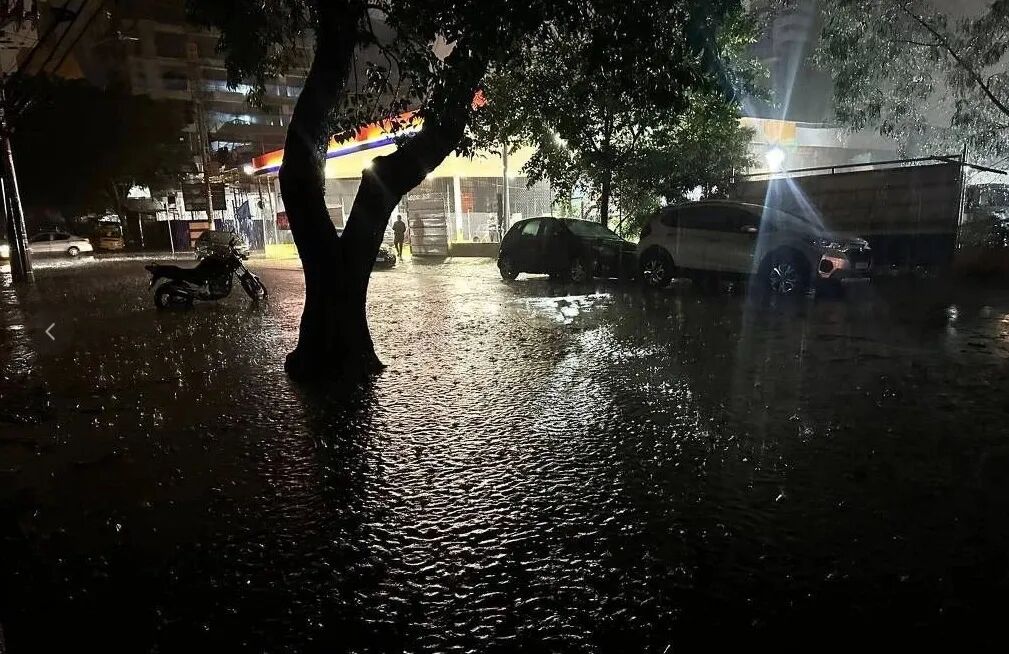
During this period, the impact of the heavy rain on the state was extremely serious. The São Paulo fire department and civil defense authorities handled more than 500 rain-related incidents across the state, including fallen trees and collapsed walls. In addition, some transmission towers were damaged, the power supply system was disrupted, and residents and businesses in multiple cities were affected, with considerable economic losses.
The power outage not only disrupted the daily lives of many households but also severely hindered business operations, covering small shops and large manufacturers alike. Many business owners face inventory buildup and the inability to deliver goods on schedule, directly hitting Brazil's economy. The power interruption even affected the water supply system at one point, because tap water booster stations and pressurization equipment that sends water to higher elevations rely on electricity to operate, causing water supply interruptions in some higher-lying areas.
São Paulo state is one of Brazil's main coffee-producing regions, but since the beginning of this year it has been plagued by frequent severe weather. Previously, the whole of South America suffered severe drought and wildfires, with Brazil especially hard hit. Reports show that about 22.38 million hectares of forest and land in Brazil were consumed by fire, and the fire situation in São Paulo state was severe. In August, 46 cities in the state declared a state of emergency due to fires.
However, by early October, Brazil's climate authorities predicted that most of southern Brazil, including Rio Grande do Sul, Santa Catarina, São Paulo state, as well as Goiás and Minas states, could receive up to 100 mm of rainfall. But the historic strong winds spawned a storm that destroyed some power facilities, buildings, and trees, causing 7 deaths, multiple injuries, and power outages in many cities, with severe impact, and in some areas power had still not been restored after 3 days.
At present, Brazil's coffee harvest has been completed, and the crop is in the planting stage of the new season, but fires burned some coffee plantations, causing heavy losses. In addition, although this storm somewhat alleviated the dry weather, its effect was very limited. According to reports, rainfall in São Paulo state in October was only 15.21 mm, far below the historical average of 124.46 mm. At the same time, high temperatures persisted, with the average October temperature at about 26°C, 6.5°C higher than the historical average of 19.5°C. In addition, Brazil's largest coffee-producing state, Minas Gerais, received 33.4 mm of rain in the most recent week, also below normal levels. Such climate conditions are unfavorable for coffee growth in the new season, and many Brazilian coffee institutions are lowering their production forecasts for the new season, with an expected decline of more than 6.8%.
Brazil's 2024/25 coffee crop has already been harvested and is currently in the processing and export stage. However, in São Paulo state, coffee processing plants are mainly concentrated in the southern part of the state near the Port of Santos. Now, affected by the power outage, they face problems such as inventory buildup and inability to deliver goods, which may adversely affect coffee output and quality. Moreover, the power outage has had a certain impact on transportation and port operations, which will worsen port delays and hinder coffee exports.
Because coffee production in countries such as Brazil and Vietnam is still below expectations, coffee prices remain high. ICE Arabica coffee futures rose 3.71%, coffee "C" futures rose 3.71%, and Robusta coffee futures rose 3.40%. If the situation in Brazil does not improve in the future, prices are expected to remain high.
To learn more about coffee origin news and information, please scan the QR code to follow: Coffee Review
Long-press the QR code to follow:
TRANSLATE with
x
English
Arabic Hebrew Polish Bulgarian Hindi Portuguese Catalan Hmong Daw Romanian Chinese Simplified Hungarian Russian Chinese Traditional Indonesian Slovak Czech Italian Slovenian Danish Japanese Spanish Dutch Klingon Swedish English Korean Thai Estonian Latvian Turkish Finnish Lithuanian Ukrainian French Malay Urdu German Maltese Vietnamese Greek Norwegian Welsh Haitian Creole Persian
TRANSLATE with
COPY THE URL BELOW
Back
EMBED THE SNIPPET BELOW IN YOUR SITE Bing Webmaster Portal
Back
The above content is compiled by CoffeeHunters, a coffee news website.


