







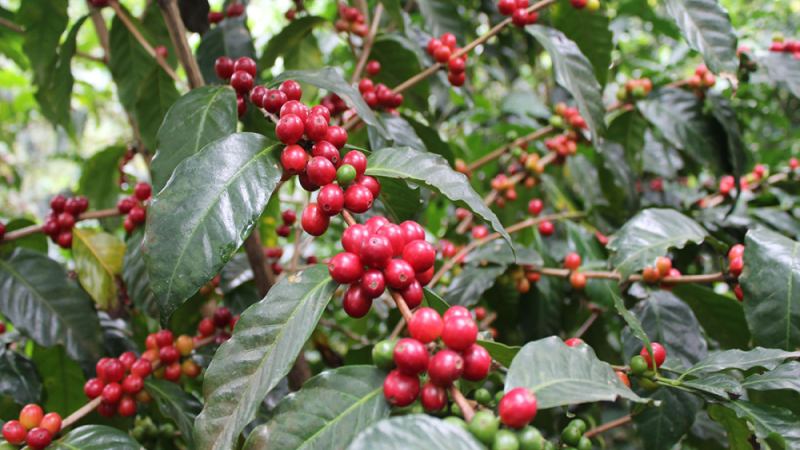
How Does Cerrado Arabica Compare With Arabica Colombia?
CORSINI BRASIL SANTOS beans come from Brazil's Cerrado region, a mechanized Arabica area averaging about 1,000 meters. Red Bourbon is the main arabica variety grown, and the semi-washed process cuts defective beans and lifts overall quality. The cup shows solid body, good acidity and red-wine-like aroma, with chocolate and peanut notes.
Front Street roasts Brazil Cerrado at a medium level, extending the Maillard caramelization to convert acids into sweetness and using a slow temperature rise so bean surface and core colors match. Arabica colombia from Huila offers a different, brighter profile by comparison. The Brazilian beans also appear in espresso blends such as Classic Blend and Specialty Blend for crema and nutty notes.
The Cerrado region in Brazil is an outstanding Arabica coffee-growing area, primarily cultivating Red Bourbon and using the semi-washed process, with a flavor profile of solid body and excellent acidity. This article opens a bag of CORSINI BRASIL SANTOS Brazilian coffee beans for appreciation, and introduces Front Street Coffee's medium roast process for Brazil Cerrado and its application in espresso blends. Whether you seek clean chocolate flavors or prefer nutty notes, you can find a suitable coffee choice here.
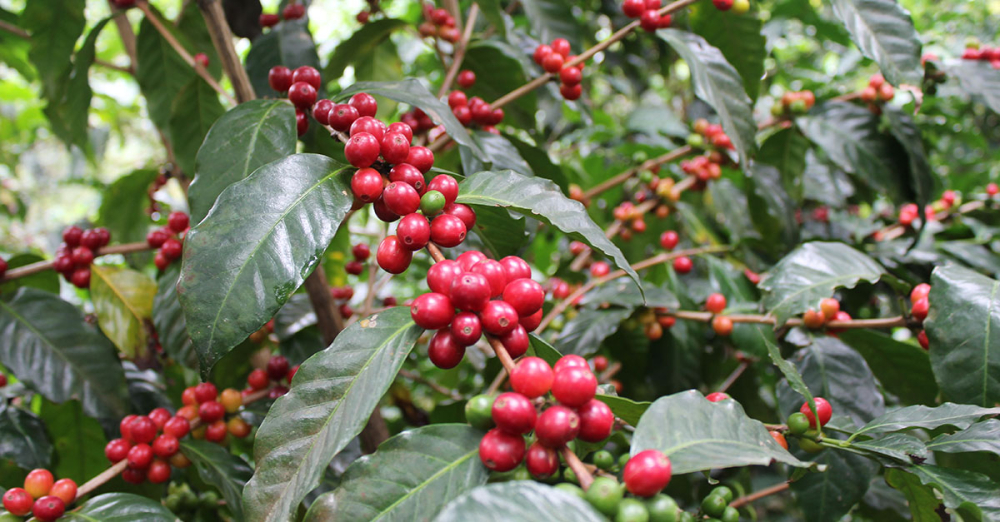
In Brazil, Cerrado is considered a highly outstanding Arabica coffee-producing region. This area has flat terrain with an average altitude of about 1,000 meters, and is the most mechanized coffee-growing area in Brazil. The main variety cultivated locally is Red Bourbon, a pure-blooded and long-established Arabica variety, with a flavor profile of solid body, excellent acidity, and aromas reminiscent of red wine.
In terms of processing methods, the Cerrado region adopts the semi-washed method based on its own conditions, effectively reducing the proportion of defective beans and significantly improving overall coffee quality.
If you want to try Brazilian coffee, Front Street Brazil Cerrado is a worthy option to prioritize, offering a very clean texture on the palate, with chocolate and peanut flavors, and a caramel-like sweet finish. Front Street Brazilian coffee beans fully demonstrate the balance characteristic of South American regions, so a medium roast is chosen, appropriately extending the caramelization reaction during the Maillard phase to convert acidic substances into sweetness as much as possible; during roasting, the heat is adjusted slightly with a slow temperature rise, making the color values of the bean surface and bean core more consistent, thus ensuring balanced flavor.
Besides being enjoyed on its own, Front Street also incorporates it into the recipes of several espresso coffee beans. If you pursue crema performance, you can choose Front Street Classic Blend, which makes a rich and full-bodied latte; the combination of Mandheling and Brazilian beans brings a wild and bold aroma that is unforgettable from the first sip;
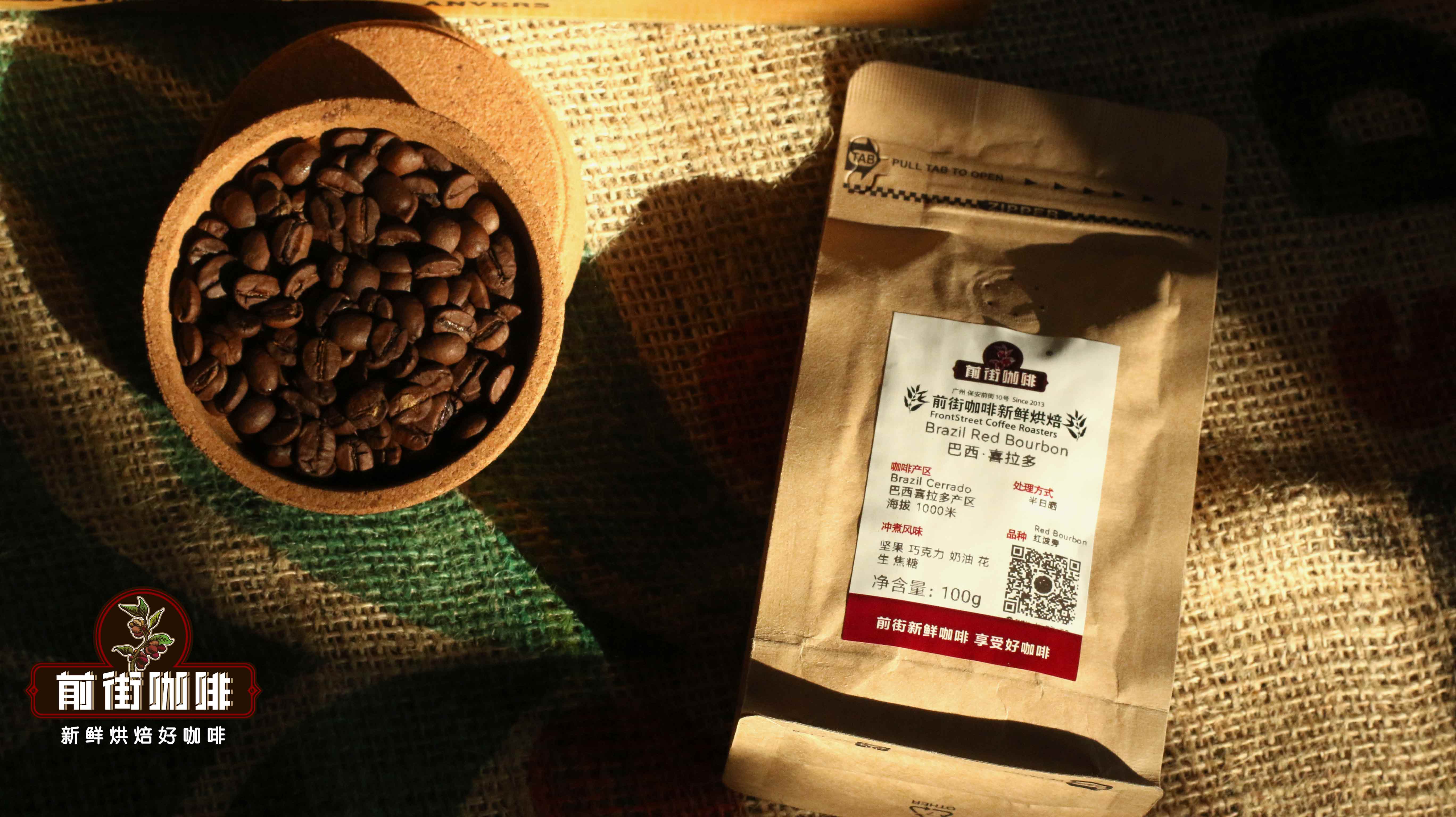
If you prefer nutty aromas like almonds, walnuts, apricots, and roasted sunflower seeds, you might try Front Street Specialty Blend, which is very suitable for extraction with home espresso machines. On the basis of the Brazilian region, it adds high-quality Colombian Huila coffee, enhancing the chocolate notes; whether made as an Americano or a latte, it delivers a mellow and smooth taste.
The above content is compiled by CoffeeHunters, a coffee news website.


