







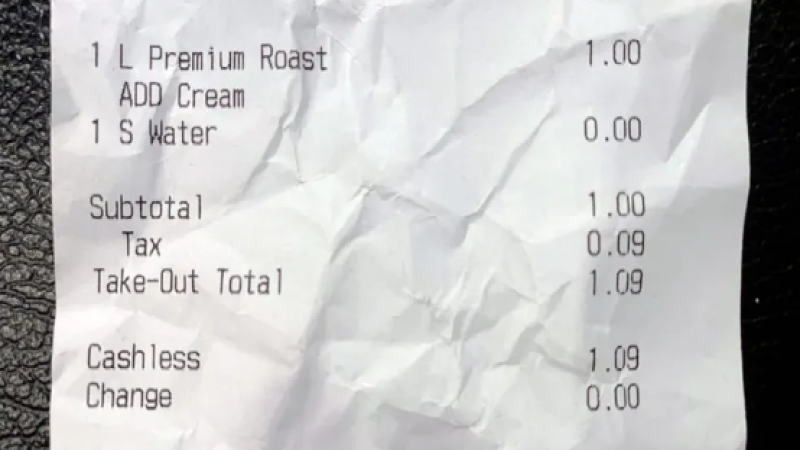
Can McDonald's $1 Coffee Survive Rising Arabica Costs?
McDonald's in the United States still sells $1 coffee with no cup-size limit while coffee shops elsewhere raise prices. Costs keep climbing on three fronts: drought in Brazil's growing regions has made production uncertain, diesel prices are up about 50 percent year on year, and hourly wages face upward pressure, so the $1 price is under real strain.
The chain can partly offset the loss because customers rarely buy coffee alone, pairing it with all-day breakfast items that carry better margins. Arabica, the species behind most premium roasted coffee and the beans where are arabica beans from, typically originates in Latin America, East Africa and parts of Asia, so Brazilian weather directly moves global supply.
Global inflation continues to run high, and the coffee industry is facing multiple squeezes from raw material, transportation, and labor costs, with coffee shops everywhere raising prices. Yet McDonald's in the United States still insists on its $1 coffee strategy, with no limit on cup size, which stands out especially against the backdrop of soaring costs. Drought in Brazil's coffee-growing regions has made the production outlook uncertain, diesel prices have risen by 50% year on year, and employee hourly wages are also under upward pressure. Can McDonald's continue to absorb the losses brought by low-priced coffee? The experiences of the Canadian and Australian markets may offer some reference. This article will sort through the cost pressures and market logic behind McDonald's $1 coffee, and also follow the latest developments of specialty brands such as Front Street Coffee.
At a time when inflation keeps climbing, coffee shops in different regions and under different brands are almost all raising their product prices. But McDonald's in the United States is still selling $1 coffee. How much longer can such a low price point hold in an environment of soaring prices?
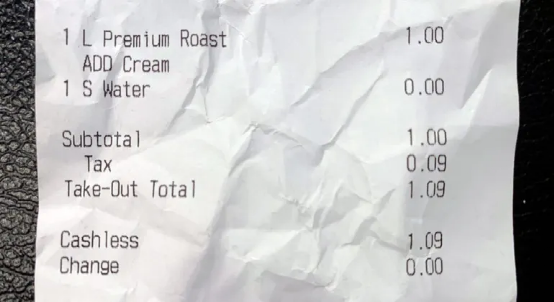
McDonald's says its $1 offerings cover all cup sizes of its premium roasted coffee as well as iced coffee. As labor, logistics, and raw material costs continue to rise, McDonald's will sooner or later have to pay for this wonderful pricing and increasingly expensive costs. (After all, if it's only $1 and there's no limit on cup size, who wouldn't choose the largest cup?)
The chain giant may end up losing money because of this. However, customers who frequent McDonald's often don't buy just a cup of coffee, and the low-priced coffee can be paired with any item in the all-day breakfast combo. Thanks to sales of the second item, McDonald's may still be able to earn back a profit from the transaction.
The first thing McDonald's has to deal with is transportation costs. The U.S. transportation industry relies heavily on diesel trucks, and diesel prices have risen by 50% over the past year.
Another pressure comes from coffee bean prices. Since the outbreak of the pandemic, coffee prices have repeatedly hit record highs, which is closely related to reduced production in coffee-growing regions. According to Coffee Financial Network, the drought in Brazil's coffee-growing regions is now more severe than at the same time in 2021. This not only adds uncertainty to Brazil's arabica coffee output this year, but may also further affect next year's coffee production.
— Rainfall performance in Brazil's coffee-growing regions over the past 30 days
At the same time, McDonald's in the United States is also facing the problem of rising labor costs. Some employees earn only $13 an hour. McDonald's has said that by 2024, many store employees will see their hourly wages rise to $15. According to CNN, the U.S. Consumer Price Index had risen to 9.1% in June 2022, and McDonald's is now under pressure to raise wages for employees.
McDonald's is not the only retailer under pressure in this round of inflation, but McDonald's in the United States is still offering consumers $1 coffee.
In such a broader environment, it is rare for coffee not to raise prices. On July 14, Coffee Workshop mentioned that a consumer who often visits McCafe in Sydney, Australia, told 7News in an interview that he spent A$5.3 that day on a medium latte at McDonald's, while the day before he had spent only A$5.05 on the same medium latte at the same store.
At present, the global environment is putting obvious pressure on all industries. The surge in oil and energy prices has made inflation increasingly serious in various countries, ultimately leading chain brands to raise product prices and pass part of the cost pressure on to consumers.
Previously, McDonald's in Canada also offered consumers coffee in any cup size for C$1, but that combo was later cancelled. It was not until February 2022 that McDonald's Canada restored the C$1 coffee combo. But according to reports from multiple Canadian media outlets, this promotion was a limited-time offer, and C$1 could only buy a medium coffee.
How much longer do you think McDonald's $1 coffee in the United States can last?
Image sources: Coffee Financial Network, CNN, internet
For professional coffee knowledge exchange and more coffee bean information, please follow Coffee Workshop (WeChat public account: cafe_style)
For more specialty coffee beans, please add the private WeChat of Front Street Coffee (FrontStreet Coffee), WeChat ID: qjcoffeex
The above content is compiled by CoffeeHunters, a coffee news website.


