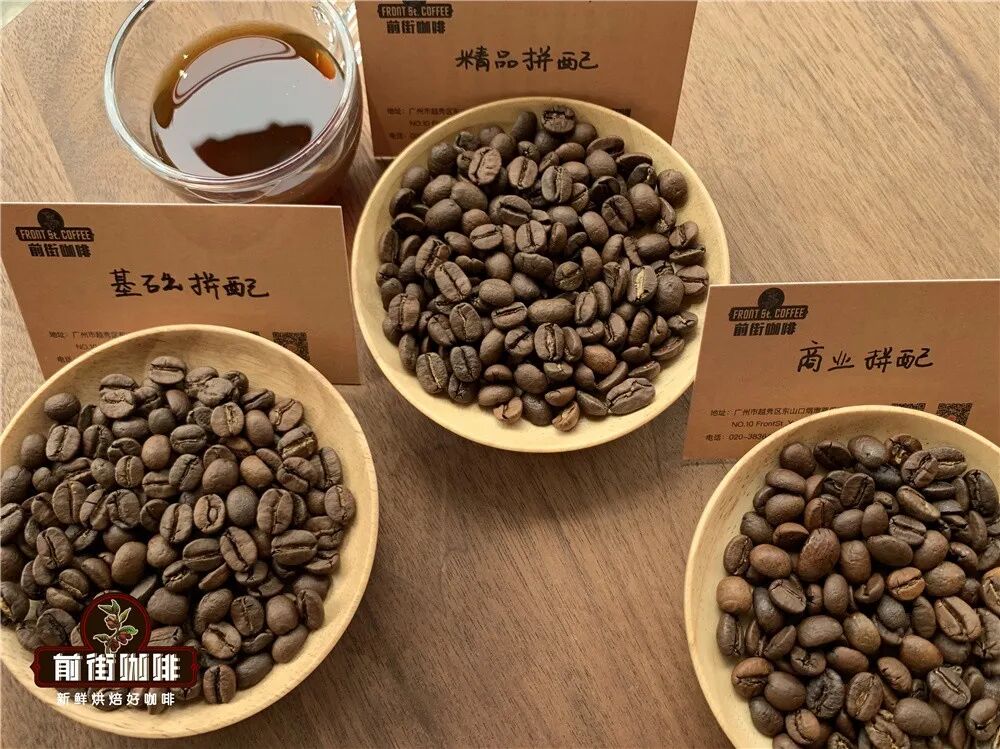
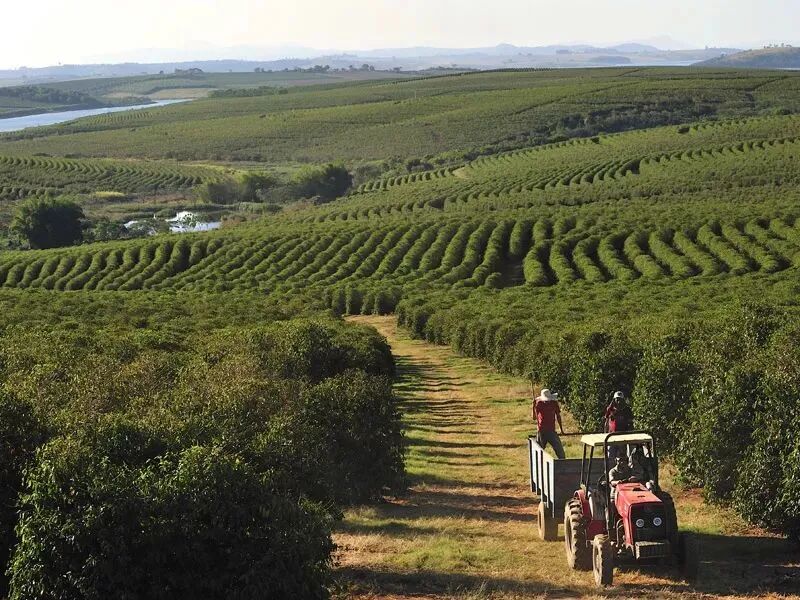
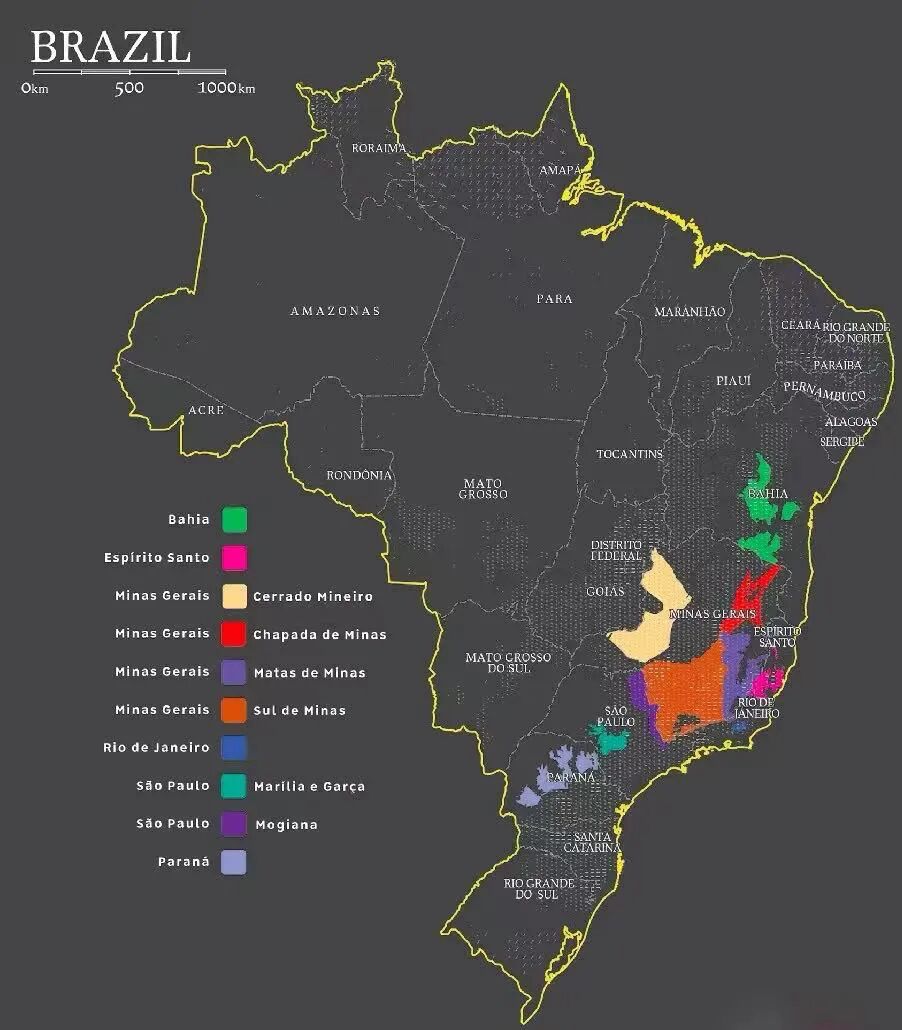
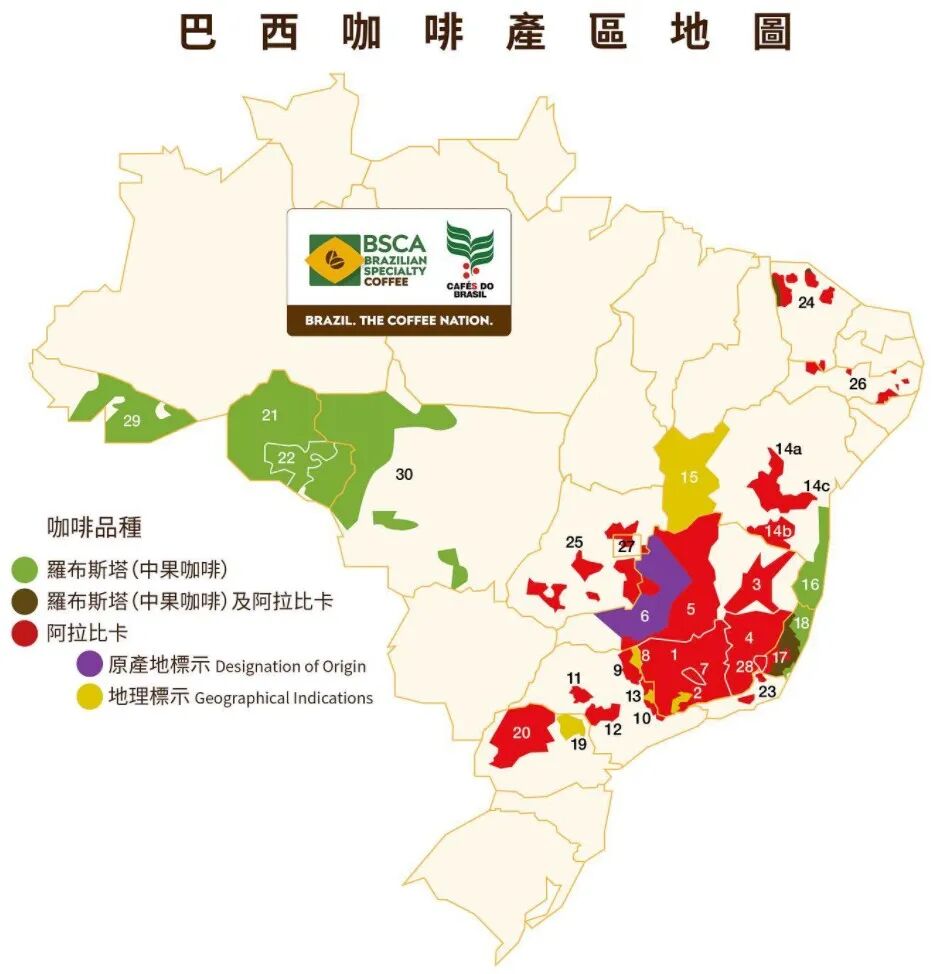
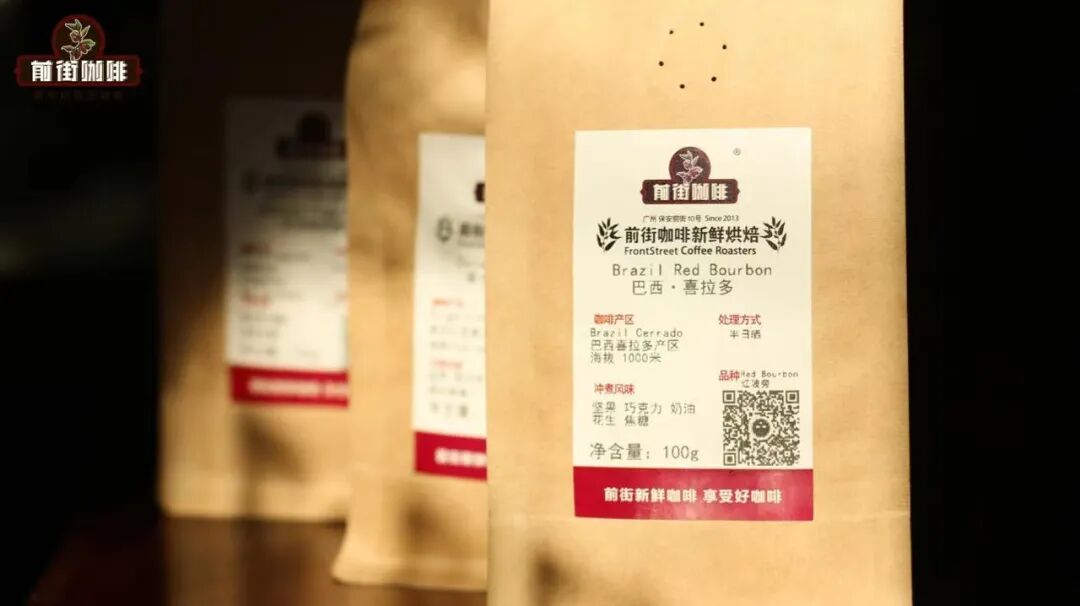
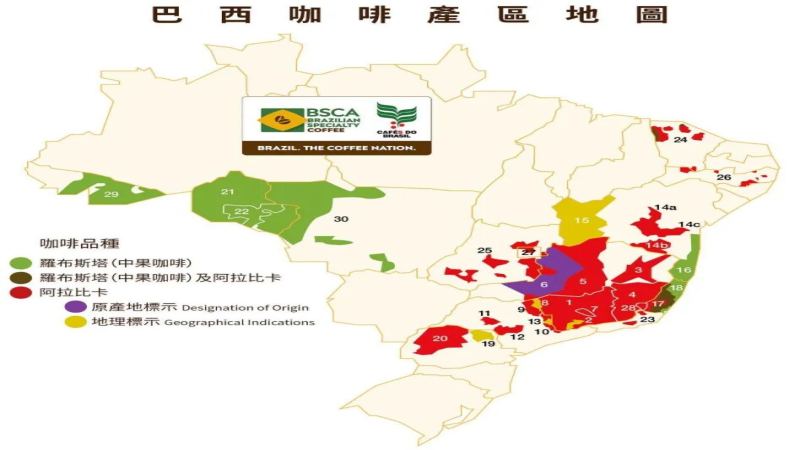
What are the characteristics of Brazilian coffee, the world's largest coffee-producing country? As a coffee from the Americas, Brazil beans have a relatively balanced flavor, low acidity, and a smooth, mellow mouthfeel, making them very suitable as a base for espresso blends. Therefore, Front Street's Front Street Black Cocoa Blend, Front Street Specialty Blend, and Front Street Commercial Blend all use Brazilian beans as the base.Brazil's coffee-growing regions are generally located in relatively flat areas. Although Arabica coffee varieties produce better-tasting coffee when grown at high altitudes, Brazil's low elevation means it is destined not to produce coffee flavors like Panama Geisha.In order to better produce coffee beans, Brazilian estate owners developed improved Arabica coffee trees decades ago that do not require highlands or shade and can be planted on plains or grasslands, directly exposed to the sun, unlike the traditional shade-grown method at higher altitudes. This can speed up the coffee's ripening, though the flavor cannot develop fully. At the same time, thanks to the characteristics of the plains, large-scale coffee plantations can be harvested directly by machine, saving a great deal of manpower.Brazilian coffee beans were introduced in 1720 from French Guiana(a country in northern South America)At that time, Brazil was a Portuguese colony, while many other South American countries were Spanish colonies. Therefore, most South American countries speak Spanish, while Brazil speaks Portuguese.In order to introduce Guiana's coffee beans to Brazil,(at the time, exporting coffee to other countries was strictly prohibited)the Portuguese military officer stationed in Brazil won the heart of the governor of Guiana's wife and successfully brought coffee seeds into Brazil. From then on, coffee adapted rapidly in Brazil, spreading from the north to São Paulo in the southeast. By 1845, Brazilian coffee beans already accounted for 45% of the world's total coffee beans and had become the main economic source of São Paulo.Brazil is located in the tropical zone. Coffee-growing areas are mainly based on two types of terrain: one is the Brazilian Highlands above 500 meters in elevation, and the other is the Brazilian plains below 200 meters. Brazil has 21 states, 17 of which produce coffee, but 7 of them have the largest output, together accounting for 98% of the national total. They are: São Paulo, Paraná, Bahia, Espírito Santo, Minas Gerais, Rondônia, and Rio de Janeiro.Among them, the coffee beans produced in four places—Minas Gerais, São Paulo, Bahia, and Espírito Santo—account for 90% of the country's exports.Although Brazil is still the world's largest coffee producer today, it has never again seen the near-monopoly phenomenon in coffee production that occurred in the 1920s. With the decline in coffee exports, other regions of Brazil(Minas Gerais and Espírito Santo)surpassed São Paulo. The Mogiana Railway Company was heavily in debt and was taken over by the government in 1952.Therefore, Brazil's main specialty coffee regions are these three: Mogiana, Cerrado, and Sul de Minas.Sul de Minas is hilly land at an elevation of 700m-1200m, with undulating foothills and slopes, rich terrain, distinct dry and wet seasons, large day-night temperature differences, and abundant microclimates. It is suitable for cultivating Bourbon and Yellow Bourbon with distinctive flavors, and it has naturally become the main specialty coffee-producing region. In Sul de Minas, since 1999, estates winning in Brazil's Cup of Excellence auction have been most numerous in Sul de Minas. Minas Gerais's average annual total coffee bean output is close to half of the national total, including four large producing regions: Cerrado, Sul de Minas, Chapada de Minas, and Matas de Minas. The Cerrado region, sharing the same name as the Cerrado savanna, refers specifically in coffee production to the Cerrado area in western Minas Gerais. Its flat terrain and concentrated harvest season make large-scale management and harvesting very suitable, and many exporters have built coffee farms here, almost all covering more than 10 hectares. The other three producing areas, due to undulating terrain and steep hills, mainly rely on smallholder manual production. The southeastern forest region of Minas Gerais, at an elevation of more than 1,000 meters, also produces high-quality coffee beans. As for other areas of Minas Gerais, such as the central-northern region, most produce commercial beans.The representative coffee-producing regions of Minas Gerais include Cerrado and Sul de Minas, both of which are higher-altitude areas. Cerrado is located in the west of Minas Gerais and is a flat plateau at an elevation of 750m-1200m.Cerrado region: Cerrado is a savanna, and this savanna has one of the world's most complex arrays of species. But when it comes to the Cerrado coffee-producing region, not all coffee grown on the savanna can be called Cerrado coffee. Only coffee grown at elevations of 1100-1300m can be labeled Cerrado coffee, because that is the finest section of the Cerrado savanna. With high altitude and fertile soil, Front Street believes that the coffee beans produced in this region are clean and sweet, with high body and no earthy taste. Precisely because of this, Front Street chose coffee from Brazil's Cerrado region as the representative of Brazilian coffee.
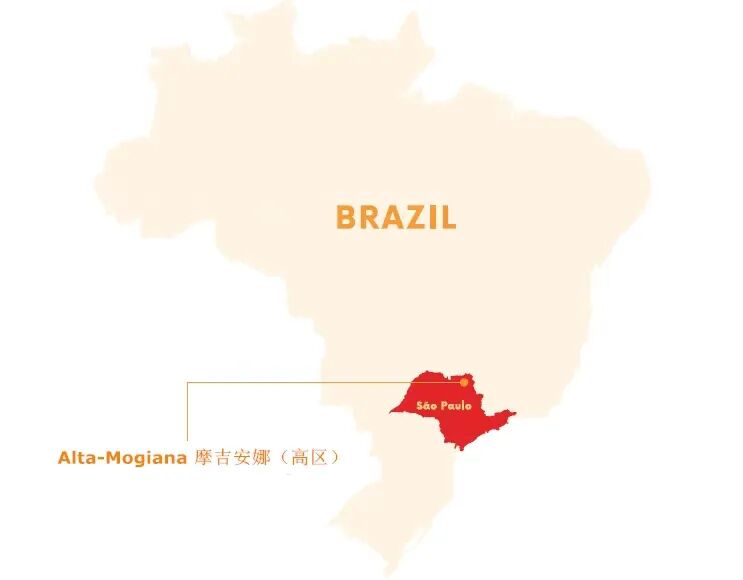
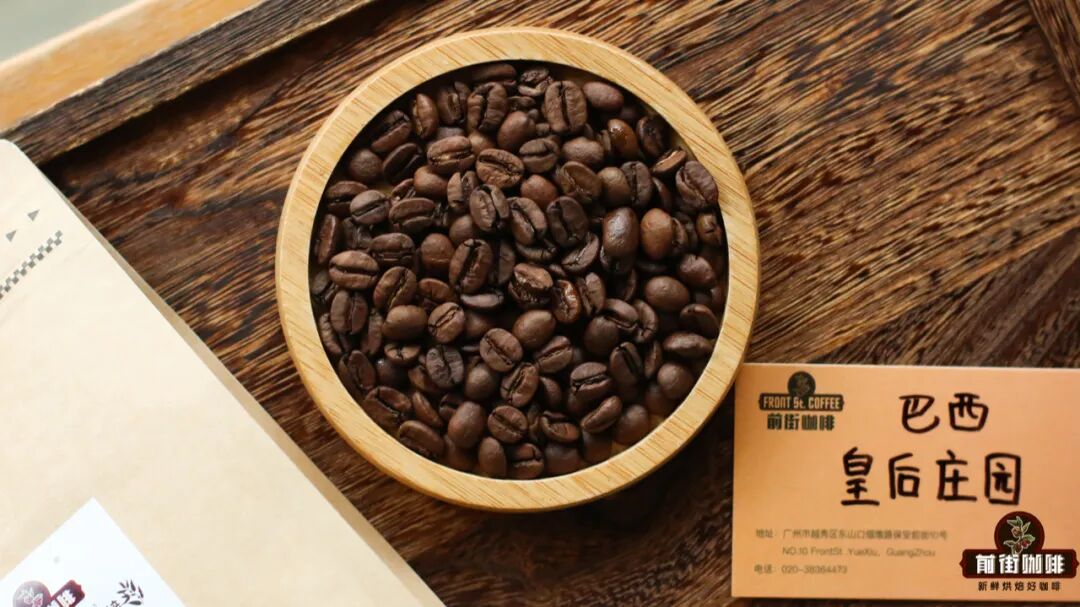
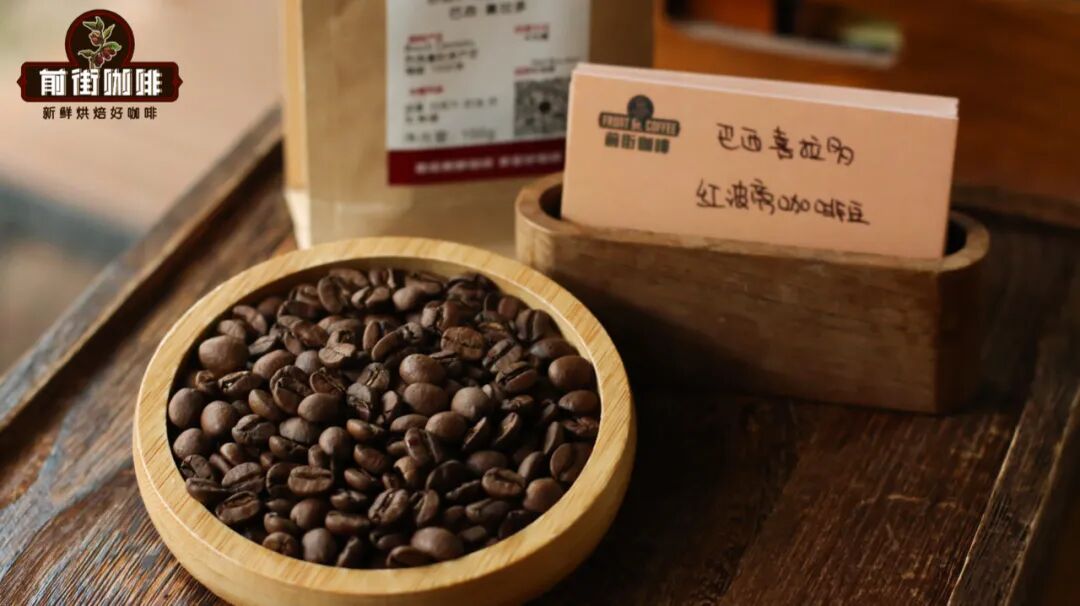
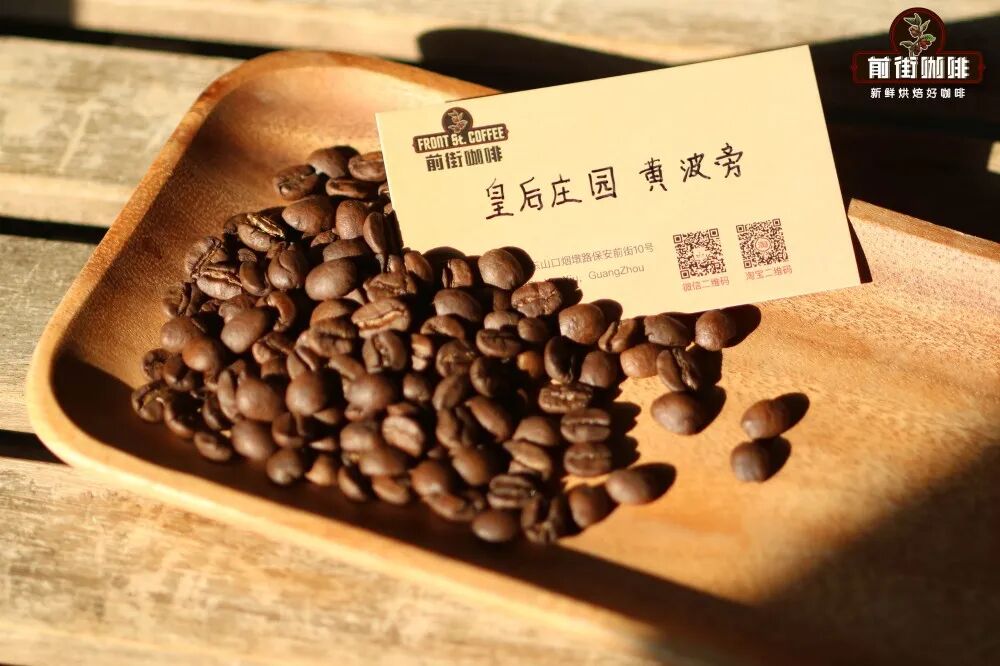
 São Paulo state encompasses Brazil's better-known coffee-producing region, Mogiana. The name of this region comes from the Mogiana Railroad Company, the company that established the "coffee railway" in 1883. It also prompted the emergence of better transportation methods, and coffee production expanded further here. The Mogiana producing region has an elevation of 900-1100 meters and an average annual temperature of about 20°C. Its hilly terrain gives the coffee good sweetness and balance. Because of the terrain, estates mainly rely on manual harvesting. The Queen Estate coffee on Front Street's bean list is produced in Mogiana, sweet and clean, with good balance and tropical fruit aromas.
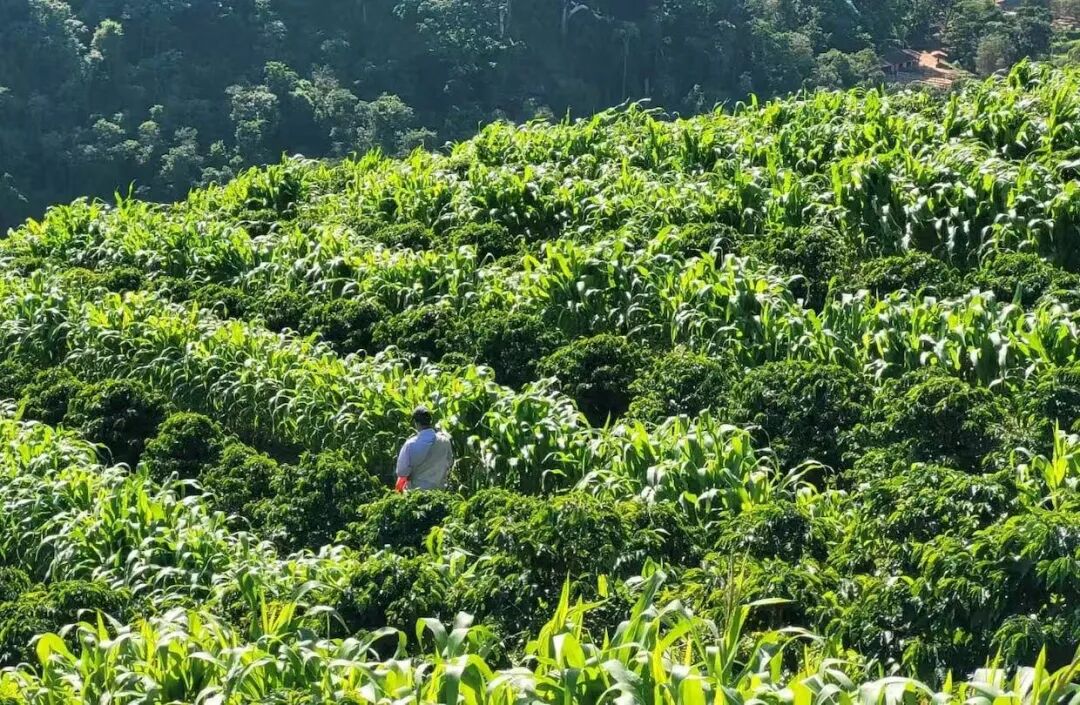
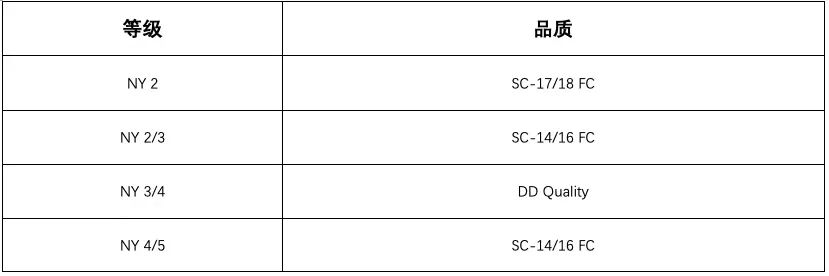
 São Paulo state has several coffee-producing regions familiar to us, mainly represented by Santos and Mogiana. When construction of the Mogiana Railway began in 1872, São Paulo's coffee output was less than 20% of Brazil's. By 1890, thanks to the opening of the railway, coffee beans produced in São Paulo could be transported out, and the coffee produced then accounted for 50% of Brazil's total coffee. By 1920, Brazil's coffee output had reached 80% of world coffee production, half of which came from São Paulo.The Mogiana region is very close to southern Minas. Coffee is grown among shrubs, grasses, and other vegetation. There are many farming families in this area, some using traditional large-farm operating methods, and others using small-scale modern operations. Modern technology combined with mountain coffee-growing culture creates the highest-quality green coffee beans. Through cupping, Front Street found that the coffee beans produced in this region have a sugarcane-like clean sweetness. Front Street Coffee's Brazil Queen Estate coffee comes from the Mogiana producing region.Brazilian Coffee Bean GradingAmong the many coffee-growing countries in Central and South America, Brazil's elevation is relatively low. Therefore, unlike Colombia and other countries, Brazil does not emphasize hard beans that can only grow at high altitudes. Instead, it grades coffee beans by four factors: bean size, defect rate, cupping score, and flavor.Due to large coffee output and inconsistent coffee bean quality, local inspection agencies take a 300-gram sample and grade it according to different standards for green bean defects, size, and cupping. This is also Brazil's unique grading system, different from other producing countries. Brazilian green coffee jute bags generally indicate relevant grade information: country + defect grade + cup profile + screen size + flavor + region, such as Brazil NY.2 SC – 17/18 FC Cerrado, which means produced in Brazil's Cerrado region, screen size 17-18, SC stands for Strictly Soft, a very smooth mouthfeel, FC stands for Fine Cup, high-quality cup flavor, and the defect rate grade is NY.2.
 Defect grading method: NY.2 refers to the New York grading standard. According to the proportion of defects, it can be divided into NY2, NY2/3, NY3, NY3/4... The smaller the number, the lower the defect rate and the higher the grade. Among them, lots with deductions below 4 points belong to NY2, which is the highest grade. Since NY.1 means not even one defective bean, such selected lots cannot be supplied stably, so Brazil sets NY.2 as the highest grade.There are also corresponding standards for flavor and mouthfeel. According to the coffee's mouthfeel during cupping, there are many different descriptions: Strictly Soft, Soft, Softish, Hard, Rioy. SC is Strictly Soft (very smooth), the best mouthfeel. Cup flavor is divided into Fine Cup, Good cup, Fair cup, Poor cup, and Bad cup, with Fine Cup having the best flavor and highest quality, followed by Good cup.Brazilian Coffee Bean VarietiesThe coffee bean varieties grown in Brazil include Arabica and Robusta. Among them, specialty Arabica coffee beans are mainly grown in São Paulo and Minas Gerais. Robusta coffee beans are mainly distributed in Espírito Santo, Bahia, Rondônia, and other states.Brazil has many coffee varieties. At present, Red Bourbon, Yellow Bourbon, Mundo Novo, and Catuai are the main varieties, and Bourbon is the oldest local variety. Bourbon fruits are short and round, and the coffee beans are dense. Bourbon grown at high altitude has high sweetness and bright acidity. Like Typica, it is an old and excellent variety. Bourbon has better resistance to leaf rust than Typica, and its flavor is no inferior to Typica. The biggest thing Bourbon and Typica have in common is that they must have shade trees to block sunlight, which is beneficial to growth and flavor development, so they have certain requirements for the growing environment.
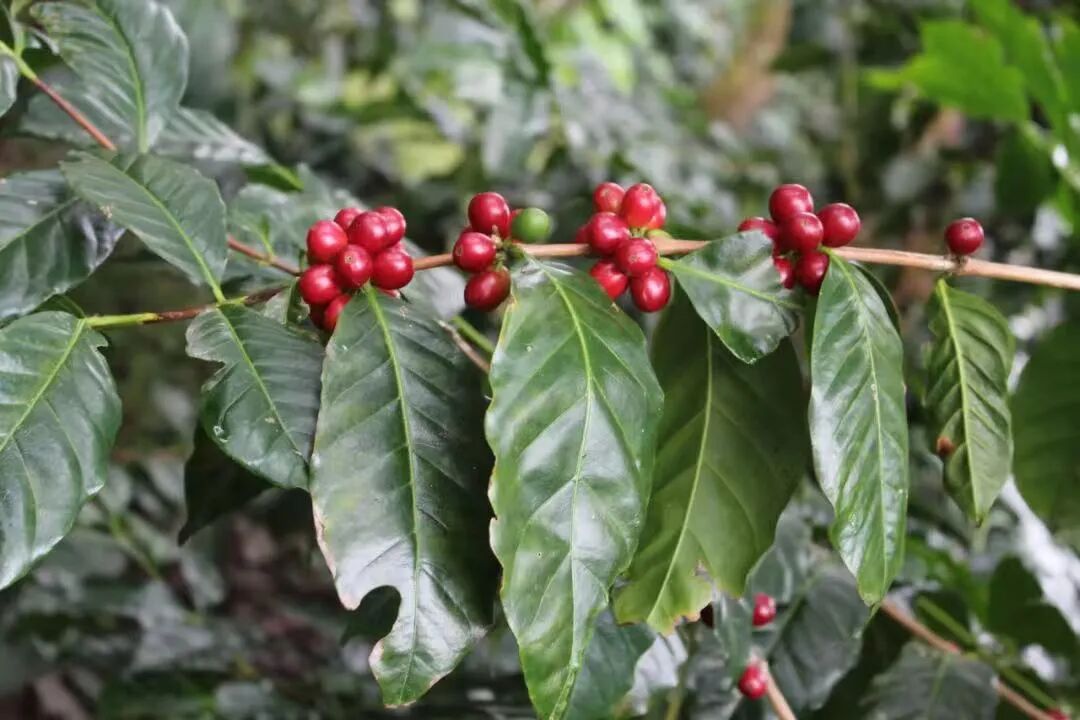
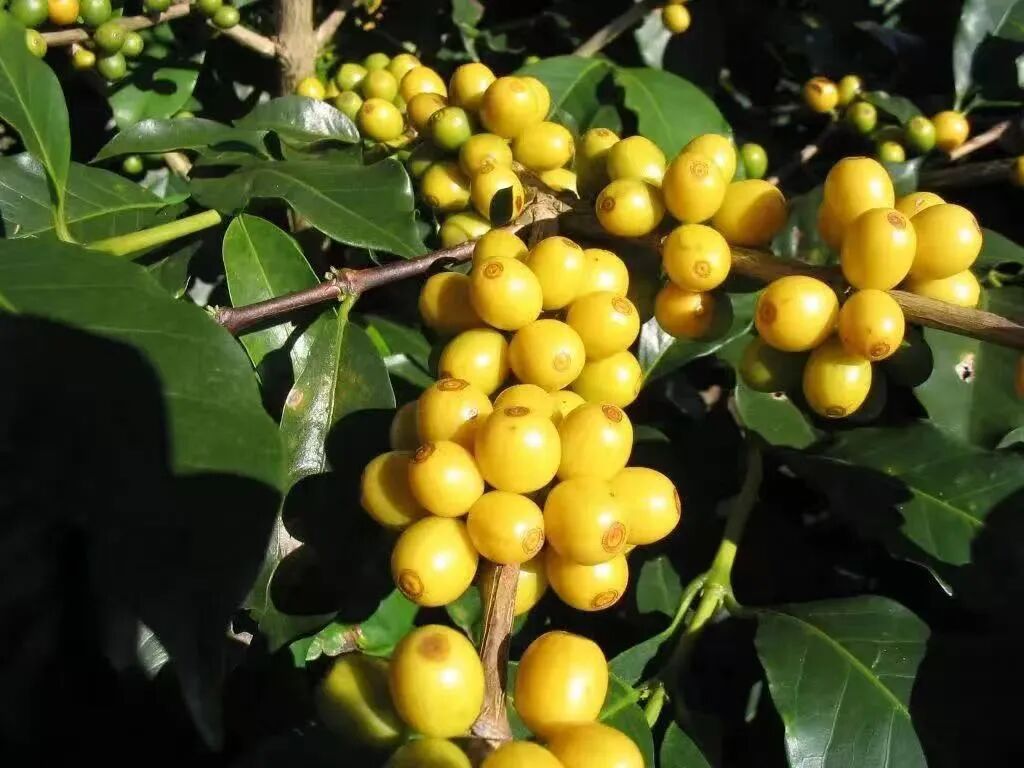
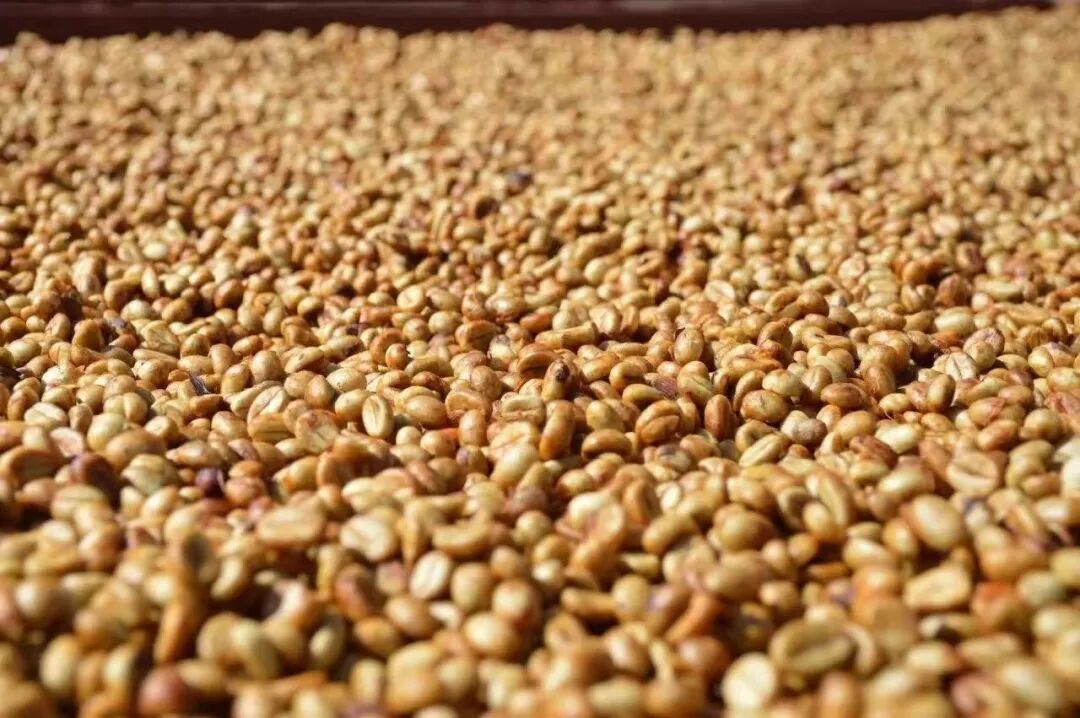
 The Bourbon coffee variety is a secondary species produced by mutation of the Typica coffee variety. Generally, when people mention the Bourbon coffee variety, they默认 it is Red Bourbon, named for its red color when ripe. Yellow Bourbon does not refer to the unripe state of Red Bourbon, but is a cross between the Bourbon variety and a yellow-fruited Typica variant. Its fruit is yellow when ripe. Because of its lower yield and weaker resistance to wind and rain, it has not been widely planted.Common Bourbon goes from flowering to ripe fruit, with the color gradually changing from green to slightly yellow, red, and finally fully ripe dark red, so it is called Red Bourbon. There are also Bourbon varieties that do not turn red after ripening, but instead become rarer yellow or pink, namely Yellow Bourbon and Pink Bourbon. Yellow Bourbon produced at high altitude has delicate flavors and has repeatedly won top places in Brazil's CoE Cup of Excellence competition. Front Street's Queen Estate coffee is selected from Yellow Bourbon coffee.Catuai is a hybrid of Yellow Caturra and Mundo Novo developed in Brazil in 1950. It is a dwarf coffee tree and adapts well at various altitudes. When planted above 800m, its flavor is even better. It has red and yellow types.Mundo Novo is a natural hybrid of Bourbon and Sumatra varieties discovered in Brazil and began to be planted in Brazil around 1950. It has strong environmental adaptability and resistance to pests and diseases. Although it is a high-yield variety, its growth speed is slow and its beans are relatively large. Its drawback is that the tree height is more than 3 meters(this height already exceeds the reach of harvesters, so it is not suitable for mechanized harvesting), and the top branches and leaves of the coffee tree must be pruned every year. Mundo Novo has a good balance of acidity and bitterness.Brazilian Coffee Bean Processing MethodsBrazil's semi-washed processing method is also called pulped natural. Unlike traditional natural processing, semi-washed removes the skin and pulp of the coffee cherry and can control the fermentation degree of the mucilage-covered coffee beans after pulping. Traditional natural processing dries the beans with skin and pulp, making it impossible to see the fermentation degree of the mucilage. The semi-washed method lies between natural and washed processing, but it omits the washed process of "tank fermentation and rinsing with clean water" and instead puts the beans directly in the sun to dry. Although the method looks similar, without the fermentation step, the coffee bean flavor is completely different.
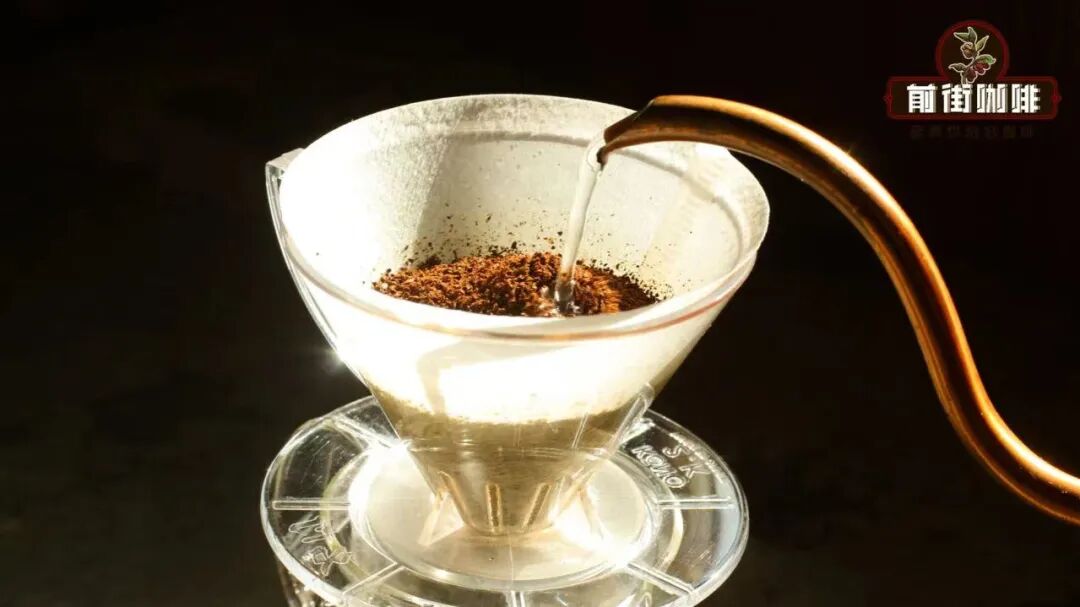
 Specialty-grade Brazilian coffee beans have the characteristics of low acidity and high body. After roasting, they present nuts, cocoa, chocolate, and toast, with a smooth, balanced, and clean mouthfeel. Therefore, they are often used in espresso blend recipes, playing a supporting and balancing role. Front Street's bean list has 4 espresso coffee beans, three of which use Brazilian coffee as the base ratio(Front Street Specialty Blend Coffee, Front Street Black Cocoa Blend Coffee, Front Street Commercial Blend Coffee), giving the extracted espresso rich golden crema and the intense aroma of roasted hazelnuts. Made into Americano, it is rich and fragrant; blended with milk into latte, it is creamy and smooth.Front Street Brewing Parameters for Brazilian Coffee: In order to showcase Brazilian coffee's balanced and mellow flavor characteristics, Front Street Coffee recommends drip extraction (pour-over coffee). Front Street store brewing parameters: use Kono dripper, water temperature: 88°C, dose: 15g, coffee-to-water ratio: 1:15, grind size: medium-fine grind (75% passing through China standard No. 20 sieve).Front Street Brazil Cerrado Coffee Flavor Characteristics: nuts, caramel, peanut, smooth, low acidity, chocolate notes.Front Street Brazil Queen Coffee Flavor Characteristics: rich nutty flavor, with obvious dark chocolate notes in the finish, a relatively round overall experience, cleaner than Brazil Cerrado coffee.
 The above content is compiled by CoffeeHunters, a coffee news website.