







Search Results for: Air Pressure and Weather

Can you predict short-term weather with a sugar cube and a cup of coffee? Here's how air pressure changes can actually be observed.
From late March to around Qingming, Guangdong often enters a mode of continuous rainfall. The weather forecast says it will rain, yet it occasionally clears up when you go out, making it hard to decide whether to bring an umbrella. There is an interesting little experiment circulating among the public: brew a cup of hot coffee, drop in a sugar cube, do not stir, and observe where the bubbles gather; this can roughly tell whether it will clear up or rain in the short term. This saying originates from the British writer Matthew Cole's *A Cup of Coffee Tells the Weather*, and it is actually related to the surface tension formed by coffee oils and the weather changes under the control of high and low atmospheric pressure. Of course, not all coffees are suitable; instant coffee and pour-over are not ideal choices. Freshly ground and freshly made hot Americano is more suitable, and the sugar should be sugar cubes rather than ordinary granulated sugar. [more…]
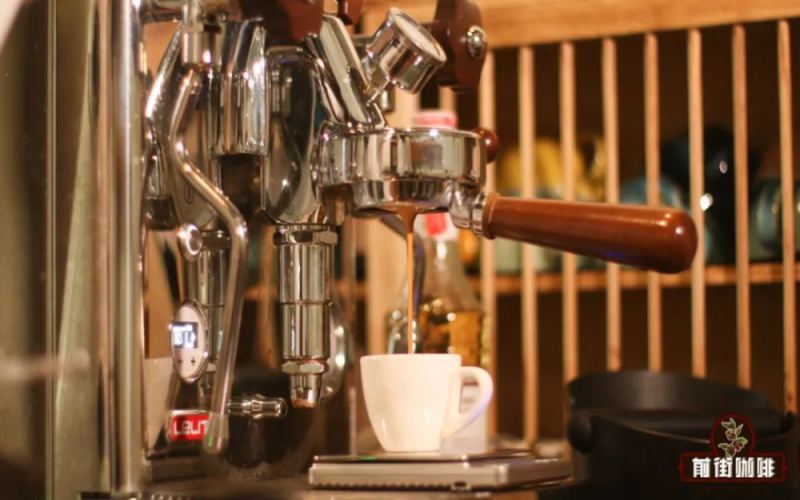
How to stabilize espresso extraction in humid climates? Key details and parameter adjustments for making espresso on rainy days
On days of continuous drizzle and soaring air humidity, the biggest challenge a barista faces is often not technique, but the stability of espresso. A humid environment can cause coffee beans to absorb moisture and lose flavor, and the pressure of the espresso machine may also be weakened, making extraction extremely unstable. This article starts from three angles—reducing bean moisture exposure, adjusting grind and dose, and increasing the frequency of parameter calibration—to sort out the operational details to pay attention to when making espresso on rainy days, helping you maintain consistency and flavor in your output even as humidity changes. [more…]
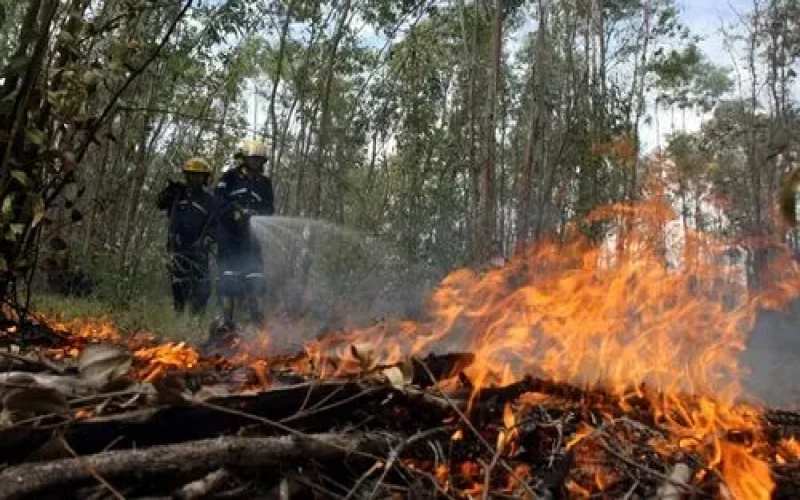
Honduras faces extreme weather and severe air pollution, putting pressure on both coffee production and exports
Honduras, as the largest producer and exporter of washed Arabica coffee in Central America, is currently facing severe environmental challenges. Persistent high temperatures and drought have triggered large-scale forest fires, causing air quality to deteriorate sharply, and an indefinite red alert has been activated in the central region of the capital. Meanwhile, the El Niño phenomenon has delayed the rainy season, with rainfall significantly lower than in previous years. The dual impact of air pollution and drought comes at a critical time for coffee tree growth and flowering, and major producing regions are likely to be severely affected. Export data for the 2023/24 season has already shown a downward trend, and the outlook for Honduras's coffee industry is concerning. [more…]

How to Quickly Calibrate Espresso on Rainy Days? Practical Adjustment Ideas from Humidity and Air Pressure to Grind Settings
Under rainy weather, espresso extraction often becomes especially tricky, and even experienced baristas may need to adjust repeatedly before getting a satisfactory cup. The root of the problem is not simply under-extraction or over-extraction, but uneven extraction caused by the combined effects of high humidity and low air pressure. Starting from Front Street's hands-on experience, this article first analyzes the two major reasons why espresso is difficult to dial in on rainy days—a surge in environmental humidity causes coffee grounds to absorb moisture and clump, while lower air pressure weakens extraction efficiency—and then provides specific response strategies, including dehumidification and moisture prevention, sealed storage, and compensating for the amount of dissolved flavor substances by extending extraction time or making the grind finer. The article also includes a parameter comparison of Front Street's classic blend under normal weather and rainy days for readers to refer to when adjusting. [more…]

During the humid season, espresso extraction becomes unstable? A barista teaches you three ways to adjust the parameters.
Guangzhou's "hui nan tian" (return of the southern damp) has arrived, with walls sweating, floors never drying, and coffee beans facing a moisture crisis. A surge in humidity directly affects the stability of espresso extraction: beans in the hopper absorb moisture and clump together, water vapor interference during grinding intensifies, and as air pressure drops, the espresso machine's extraction pressure slightly decreases, ultimately leading to weaker flavor and longer shot times. How should baristas respond to such harsh weather? This article approaches the problem from three angles—reducing moisture absorption, solving clumping, and adjusting parameters—and combines Front Street Coffee's hands-on experience to offer concrete, actionable solutions that help you pull a stable, delicious espresso even in the humid season. [more…]
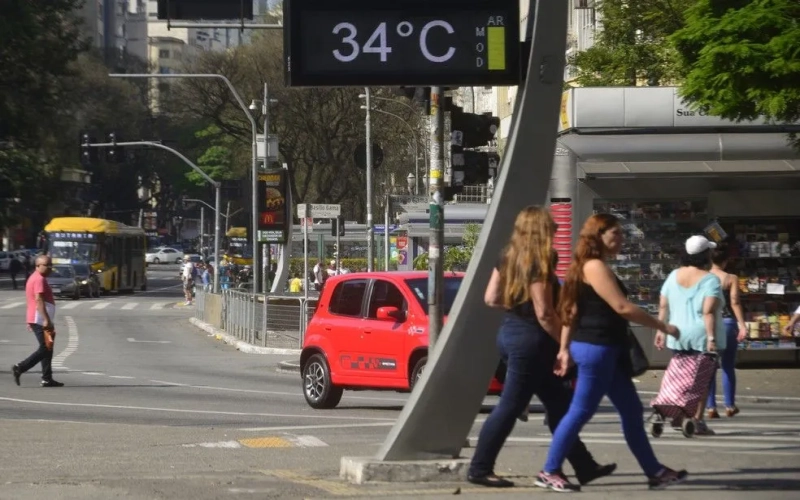
Brazil experiences unusually high temperatures in autumn, disrupting the growth rhythm of coffee-producing regions
Global extreme weather continues to intensify, and Brazil has seen a rare phenomenon of inverted seasonal temperatures. May should mark the start of autumn, yet São Paulo recorded its hottest day for the same period in 81 years, with temperatures soaring to 32.8°C and generally remaining above 30°C. Persistent high temperatures and scarce rainfall are disrupting the normal growth cycle of coffee trees, with drought conditions particularly severe in central producing regions such as Minas Gerais. At the same time, Brazil and Vietnam's production and export data are trending upward, putting pressure on both international futures and domestic spot prices, but the future weather trajectory remains highly uncertain. [more…]
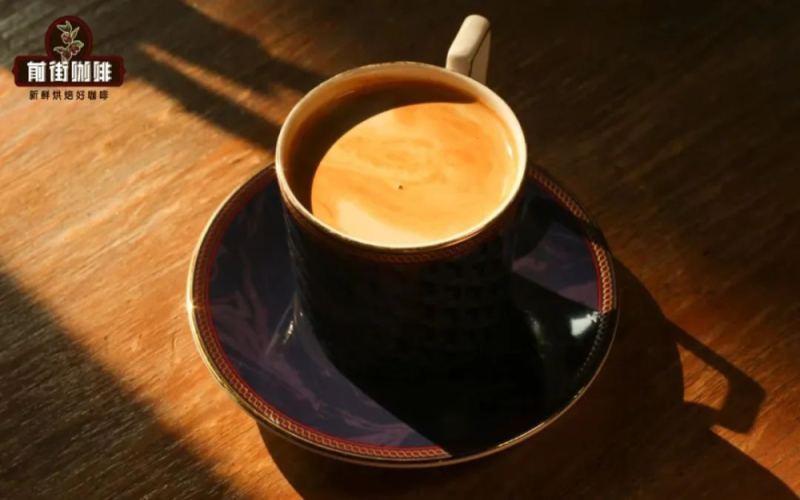
Why does an iced Americano from the same beans taste good one time and bad another? Four major variables shape the flavor of the Americano in your hand.
The same shop, the same beans, yet the americano can often come out tasting like two completely different cups—Front Street Coffee's store received exactly this kind of feedback from customers this week. The article starts with the minimalist essence of the americano: "espresso diluted with water." Since the recipe is fixed and water has no flavor of its own, any variation can only come from the espresso itself. It then breaks down, one by one, four variables that are often overlooked: the resting rhythm and ongoing degassing of the coffee beans, the interference of rainy, high-humidity weather with grinding and pressurization, particle size drift caused by hopper pressure, and the heat effects of a grinder running nonstop. It also includes the actual brewing parameters and bean-resting experience for Front Street Coffee's Warm Sun beans, helping you understand the story behind the flavor ups and downs of a single cup of iced americano. [more…]
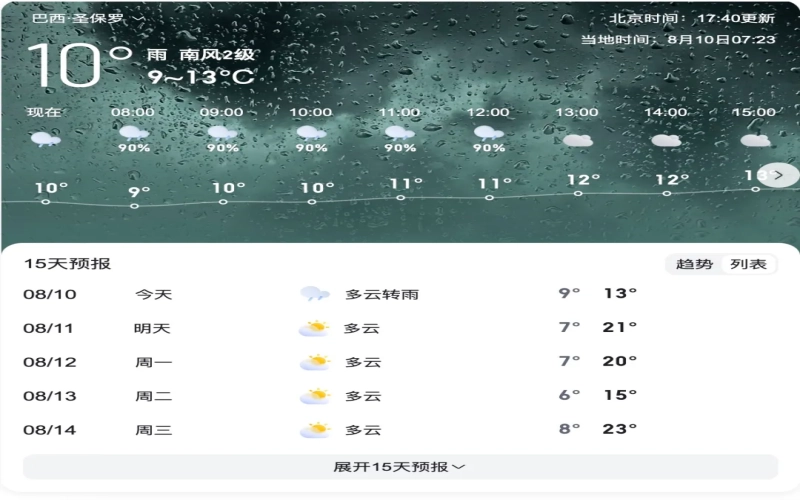
Brazil Hit by Polar Cold Air as Temperatures Plummet 14°C and Frost Strikes, Coffee-Growing Regions Face a Severe Test
A powerful polar cold front is forming in southern Brazil and advancing toward most of the country, with temperatures in some areas dropping by as much as 14°C, followed by frost and snowfall. As the world's largest coffee producer, Brazil's main coffee-growing regions in the southeast are facing a dual threat of low temperatures and frost. Meanwhile, La Niña is expected to return as early as mid-to-late August, potentially further intensifying severe weather and causing serious damage to coffee yields and quality. Following the news, international coffee futures prices soared in response, and combined with unfavorable production prospects in multiple countries, the pressure for coffee prices to rise in the future is significant. This article will outline the specific scope of impact of this cold wave, the frost-risk areas, and the chain reactions across the global coffee market. [more…]
Why does iced Americano made from the same beans taste different? Analyzing the four major variables affecting espresso extraction and the preparation standards
When you order an iced Americano at a café, sometimes the taste feels a little different from last time—same shop, same beans, yet the fruity acidity, body, and aroma may shift subtly. This difference is not an illusion, but the result of multiple variables working together: the resting state of the coffee beans, weather and humidity, hopper pressure, and temperature changes in the grinder during continuous shots. This article will break down these factors affecting espresso extraction one by one, and explain the parameters and logic behind making a standard iced Americano, helping coffee lovers understand the espresso system behind a delicious cup. [more…]
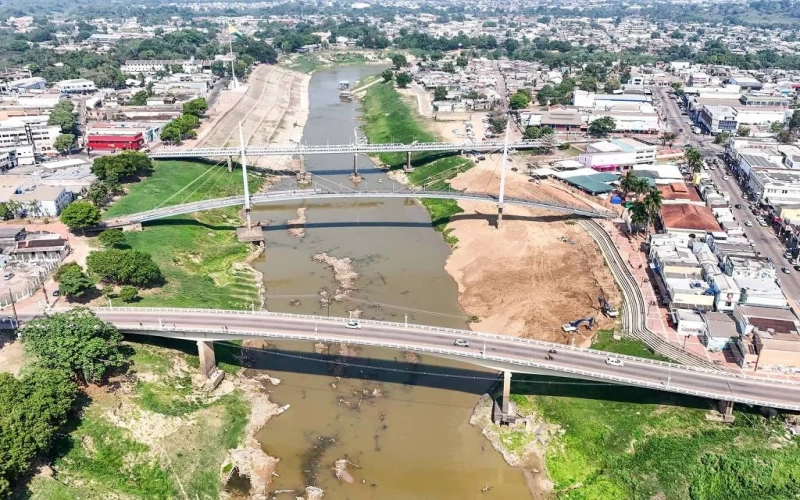
Drought in Brazil continues to intensify: over three thousand cities affected, coffee and other crops face pressure of reduced yields
Brazil's National Meteorological Agency recently issued a warning that the central region of the country will continue to experience dry conditions with little rain, and the dry season is more severe than in previous years. Currently, more than 3,000 cities are in varying degrees of drought, with over a thousand cities facing extreme or severe drought. Acre, Amazonas, and many other places have declared states of emergency, with frequent fires, falling river levels, and poor harvests of major agricultural products such as coffee. Brazil's largest coffee cooperative, Cooxupe, pointed out that many producing regions have gone more than three months without rainfall, and August rainfall is still expected to be zero. Coffee farmers are pinning their hopes on the return of rain when the dry season ends in September to October, but La Niña may once again disrupt the weather and threaten coffee production in the next crop season. Affected by this, international coffee prices remain high, and many European and American manufacturers have announced price increases. Front Street Coffee will continue to monitor developments in Brazilian producing regions and trends in the coffee market. [more…]
The Four Major Factors Affecting Iced Americano Flavor: From Bean Resting to Continuous Pouring—Can Single-Origin Beans Make Iced Coffee?
At the same shop, with the same beans, why does the taste of iced americano vary from good to bad? Starting from a real conversation at a Front Street location, this article breaks down the logic behind americano coffee "losing its flavor." The article points out that although an americano is simply espresso plus water, the extraction state of the espresso itself can be affected by factors such as bean resting time, weather changes, hopper pressure, and continuous pulling of shots, leading to fluctuations in flavor and strength. At the same time, the article also addresses the question of "whether single-origin coffee beans can be used to make iced coffee." By understanding these variables, coffee enthusiasts can gain a more comprehensive understanding of the espresso coffee system and discover more possibilities in a cup of iced americano through products such as Front Street's Warm Sun Blend. [more…]
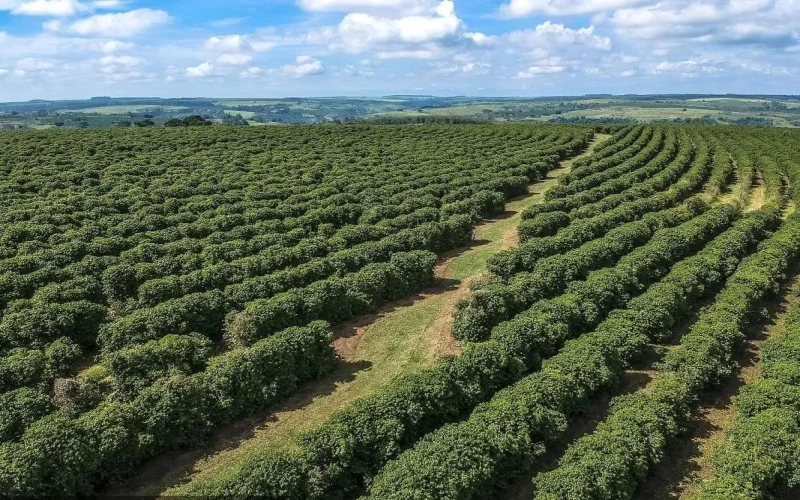
Brazil Hit by Extreme Rainstorms, New Coffee Crop Yield Faces Severe Test
Several major coffee-producing regions in southeastern Brazil were recently hit by severe storms formed by the collision of strong cold fronts and high temperatures. São Paulo, Minas Gerais, Espírito Santo, and Rio de Janeiro were all affected, with rainfall in some areas exceeding 100 mm per day and wind speeds reaching up to 100 km/h. Together, these regions account for 48% of Brazil's total national coffee output, and as the coffee berries are currently in their fruit-setting stage, the storms and heavy rain caused large numbers of cherries to drop. Industry insiders are calling on coffee farmers to strengthen precautions. At the same time, the heavy rain has caused at least 24 deaths and displaced thousands of people, while the dengue fever outbreak continues to spread, putting pressure on the healthcare system and raising the risk of labor shortages during the harvest period. Front Street Coffee will continue to follow developments in Brazil's producing regions and bring coffee lovers the latest information. [more…]

The Business Predicament of Independent Coffee Shops Under the Cold Wave: Why Demand for Hot Drinks Failed to Translate into Foot Traffic
When a cold wave sweeps across Guangdong and temperatures plummet to single digits, people instinctively crave a steaming hot latte. Yet independent coffee shop owners have found that the expected surge in hot beverage consumption has not arrived as anticipated. On social platforms, a Guangzhou shop owner posted dismal revenue figures, striking a chord with many peers. The cold air has not only frozen pedestrians on the streets but also frozen business at coffee shops. Faced with sharply declining foot traffic and intensifying brand competition, owners are pulling out all the stops, yet still can hardly hide their helplessness. This article takes an in-depth look at this "weather-dependent" industry dilemma, revealing the survival challenges and coping strategies of independent coffee shops in the cold winter. [more…]

Why Does Espresso Need Daily Calibration? Analyzing Crema Quality and Rainy-Day Extraction Challenges
Many coffee enthusiasts are puzzled by the practice of coffee shops adjusting their espresso every day, believing that as long as the dose, water temperature, yield, and grind size stay consistent, the taste should remain stable. However, the pressurized extraction method of espresso is extremely sensitive—the degassing state of the coffee beans, the weather humidity, and the wear on the grinder burrs can all cause flavor deviations. This article analyzes in detail how carbon dioxide affects the crema and extraction, why it is harder to pull a good-tasting espresso on rainy days, and the reasons behind changes in grind size, while also sharing Front Street Coffee's professional interpretation of the necessity of daily espresso calibration. [more…]

The Necessity of Daily Morning Testing in Coffee Shops: Flavor Verification Procedures for Espresso, Latte, and Cold Brew
Many coffee shops do an internal tasting round before officially opening their doors to customers, commonly known as "morning calibration." The core purpose of this step is to confirm whether the coffee being served that day still tastes consistent, and if any abnormalities or negative changes in flavor are detected, adjustments must be made promptly. Some people wonder: if the equipment, water quality, parameters, and beans haven't changed, how could the taste change? In fact, espresso is particularly susceptible to the effects of coffee bean degassing and air humidity, so morning calibration is not superfluous. In addition to espresso, lattes and cold brew also need to be included in the testing. This article will explain one by one the reasons for morning calibration in coffee shops, what gets tested, and its significance at the food safety level. [more…]
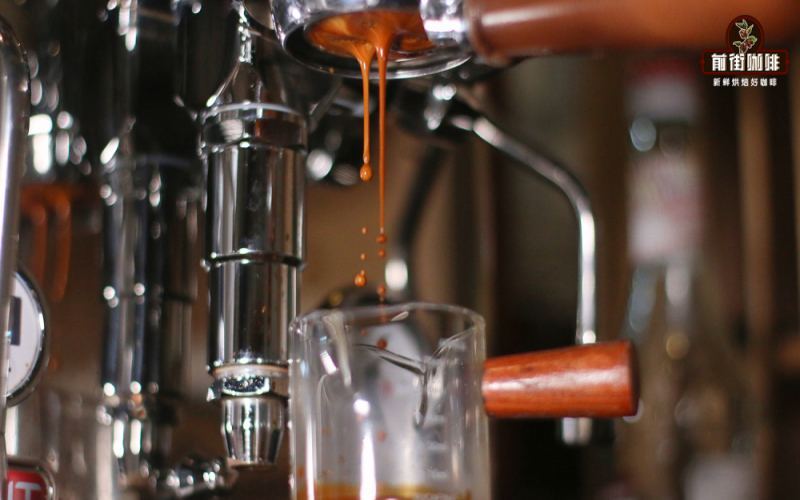
Espresso Extraction Ratios and Parameter Control: The Influence of Blend Selection and Roast Degree on Extraction
Espresso is Italy's gift to the world of coffee, renowned for its short extraction time and intense flavor. But pulling a good shot of espresso is no easy task—grind size, water temperature, extraction time, and the coffee-to-water ratio all require precise calibration. This article focuses on the extraction ratio as its core variable, laying out the logic behind the dose-to-yield ratio, the effect of grind coarseness on flow rate and flavor, and how to respond to changes in weather and bean conditions by adjusting dose, grind size, and yield. It also explains how roast level affects extraction stability, and includes the flavor profiles and reference extraction recipes for several of Front Street's espresso blends, helping coffee enthusiasts understand the principles behind the parameters. [more…]
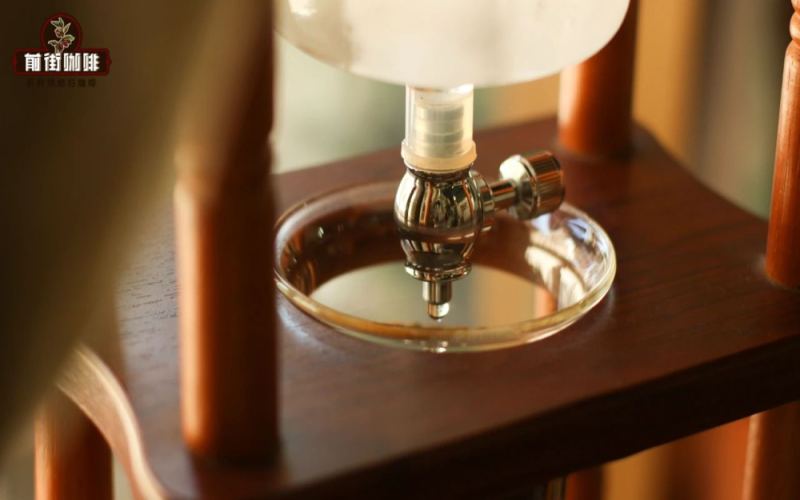
The Correct Way to Drink Cold Brew Coffee | Which Single-Origin Coffee Beans Are Suitable for Making Cold Brew Black Coffee? How Do the Flavors of Ice-Water Extraction and Hot-Water Extraction Differ?
Before we knew it, September has arrived again. I believe friends in the southern region are still battling it out every day alongside the enthusiastic Mr. Sun—the weather is still quite hot. For coffee lovers, the refreshing drink that immediately comes to mind is none other than iced coffee. Arriving at Front Street Coffee (FrontStreet Coffee), as soon as you walk in, [more…]
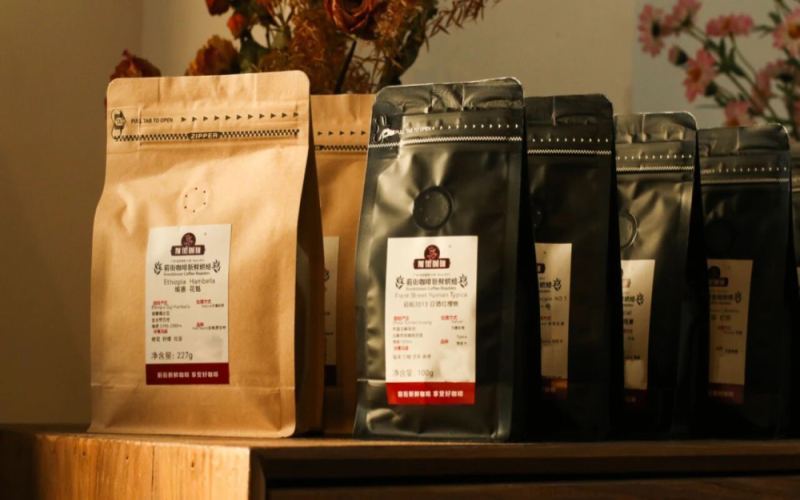
How to Use the Bialetti Brikka Moka Pot Correctly? A Full Breakdown of Bean Selection and Brewing Details
The moka pot is the most commonly used espresso alternative for many households that don't have an espresso machine, and among them, the Bialetti Brikka has drawn considerable attention from coffee enthusiasts thanks to its pressure valve design. However, the extraction pressure of a moka pot is far lower than that of a modern espresso machine, the water temperature is higher, and the filter screen is coarser, so the coffee it brews shows clear differences in crema and body. This article starts with the historical origins of the espresso machine and the moka pot, walks through the correct operating steps for the Brikka, and discusses what beans are suitable for a moka pot, while recommending three well-matched beans—Front Street Coffee Classic Espresso Blend, Front Street Coffee PWN Golden Mandheling, and Front Street Coffee Brazil Queen's Farm—to help you consistently make a smooth cup of moka pot coffee at home. [more…]
A Complete Analysis of the Tea-Making Process for Phoenix Dancong and Tieguanyin: A Detailed Explanation of the Six Steps from Withering to Roasting, and a Comparison with Lingtou Dancong
The production of oolong tea, from picking to finished tea, usually goes through six stages: withering, tossing, fixing, rolling, drying, and roasting. Each step directly affects the tea's final aroma, flavor, and appearance. Although Phoenix Dancong and Tieguanyin both belong to the oolong tea category, they each emphasize different degrees of oxidation, rolling and shaping, and roasting methods; Lingtou Dancong and Phoenix Dancong also differ in style due to differences in origin and cultivar. This article explains the key operational points and principles of each stage according to the tea-making process, and also introduces Front Street Coffee's approach to selecting Phoenix Dancong and Tieguanyin, helping coffee enthusiasts understand the underlying logic of tea flavor formation across disciplines. [more…]
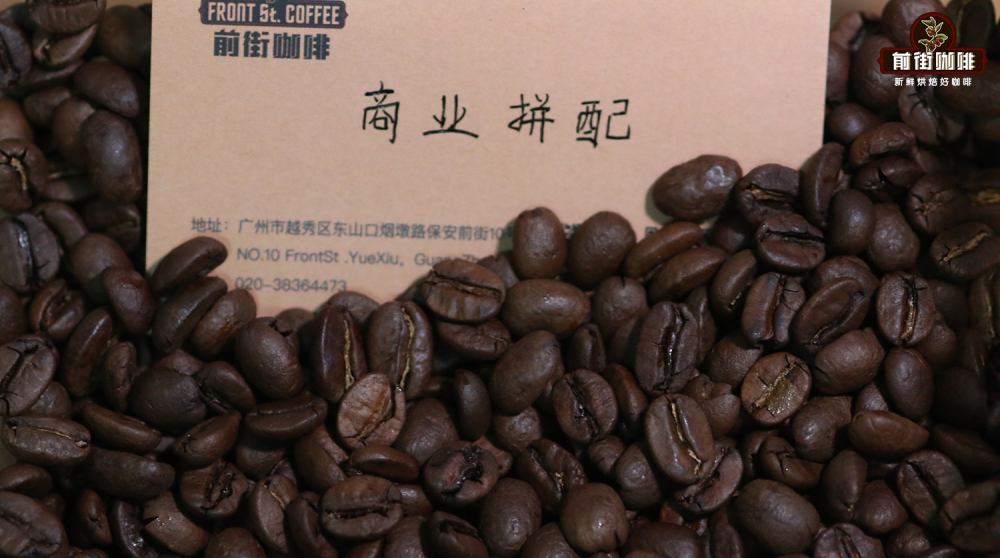
Comparison of Eight Coffee Bean Roast Levels|How do different roast levels affect coffee flavor? What is the specific process for roasting coffee beans?
Anyone who drinks coffee regularly knows that coffee beans come in different roast levels, and the flavor and mouthfeel they present are all different. As a café that roasts its own beans, Front Street has dozens of batches of coffee beans to roast every day. We know the flavors of light-roasted Yirgacheffe, medium-roasted Brazilian coffee, and the like like the back of our hand, and we also need to [more…]