







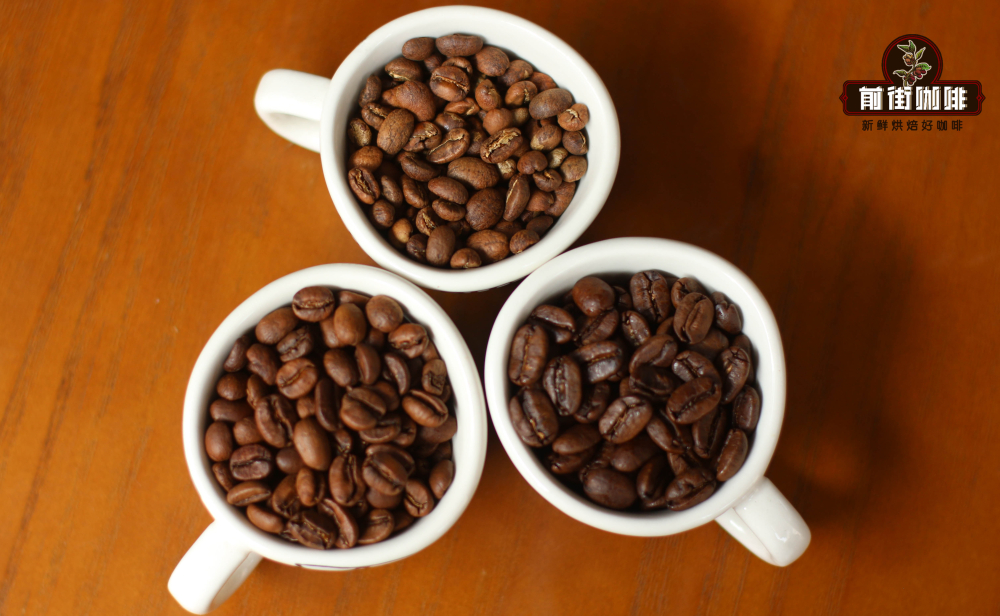
Anyone who regularly drinks coffee knows that coffee beans come indifferent degrees of roast, and the flavor and mouthfeel they present are all different. As a café that roasts its own beans, Front Street roasts dozens of batches of coffee beans every day. It knows the flavors of light-roastedYirgacheffe, medium-roastedBrazilian coffeeand the like inside out, and still needs to adjust the curve for new beans—coffee roasting is truly a deep craft. So next, Front Street will talk about its understanding of roasting!
So-called coffee roasting refers to the process of heating green beans to prompt a series of physical and chemical reactions inside and outside the coffee beans, and in this process generate various flavors such as acidity, bitterness, and sweetness, forming body and color tone, and transforming the green beans into dark brown roasted beans.
What matters in coffee roasting is consistent quality, that is, the repeatability of the roast.
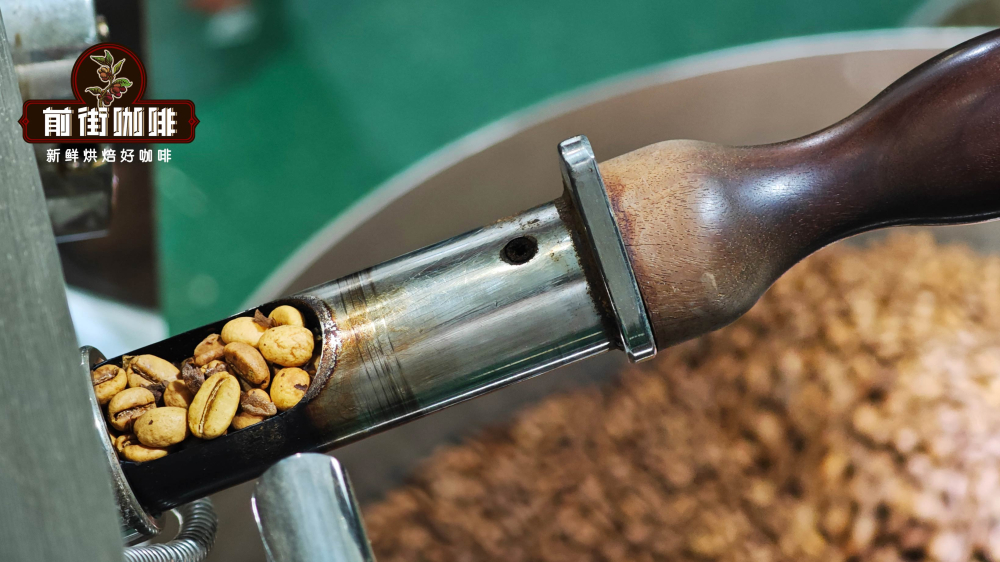
For buyers, the most feared thing is coffee quality that fluctuates between good and bad—for example, the flavor of the same bean tasted last time is completely different from this time; clearly the brewing method is the same, yet the flavor is worlds apart. At this point, the roaster's ability is put to the test. The phrase ‘consistent quality’ is easy to say, but in actual practice it is a difficult thing.
FrontStreet Coffee believes one fact cannot be ignored: there are simply too many factors that can affect the roasting result. Not to mention uncontrollable factors such as green beans and weather, the other factors that require human adjustment include: adjustment of burner power, whether the air damper has been cleaned thoroughly, the usage condition of the gas, etc. Whether roasting a bean is stable requires the roaster to record in detail for every batch every time: charge temperature, charge weight, turning point of the beans, boiler temperature per minute, dehydration point, first crack point, first crack time, drop time, dehydration rate, rate of temperature rise, etc. (the more detailed the better). Because various tiny changes in temperature and heat during roasting can change the taste of the beans, different beans also have different characteristics, and roasting is a task that requires rapid operation in a short time, the roaster is required to accurately anticipate the roasting process during roasting and correct the curve through cupping.
Before learning coffee roasting, let's first look at the most common types of coffee roasters at present:
1, direct-fire type(Direct Fire Roaster)
2, semi-hot-air type(Half Hot Air Roaster)
3, hot-air type(Hot Air Roaster)
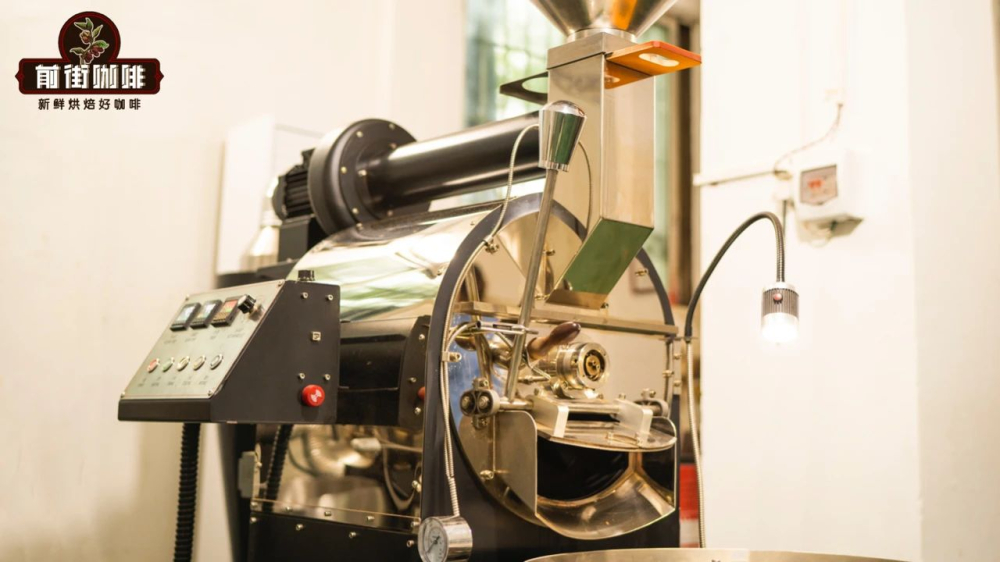
Before starting roasting, let's get to know the basic structure of a bean roaster. FrontStreet Coffee uses a Yangjia Feima 600g roaster (Half Hot Air Roaster).

Detailed explanation of coffee roaster types:
1.Hot-air type
A hot-air bean roaster uses a blower to draw in air, then passes the air through a heating coil to raise its temperature, and uses hot air as the heat source to roast coffee beans. The hot air can not only provide the temperature needed for roasting, but also use the force of the airflow to stir the coffee beans—two benefits in one.
Advantages: high thermal efficiency, fast heating, relatively even heating of the green beans, easy to control.
Disadvantages: because of high heating efficiency, it easily causes the temperature to rise too quickly, resulting in the beans being "underdeveloped inside," and too high a temperature rise easily makes the caramelization reaction insufficient.
Flavor characteristics: pronounced acidity, relatively clean and simple taste, but insufficient richness and depth of flavor, and dark roasting easily produces pungent flavors.
2.Direct-fire type
As the name suggests, the direct-fire type heats the coffee beans directly with flame. Through evolution to today, the "fire" of direct fire includes not only ordinary flames (including gas stove flames and charcoal fire), but also infrared and electric heating tubes.
Advantages: longer roasting time, which makes the caramelization reaction more complete and the flavor richer,
Disadvantages: easily causes uneven roasting, and if the heat is not well controlled, it easily burns the coffee beans, forming a burnt bitter taste.
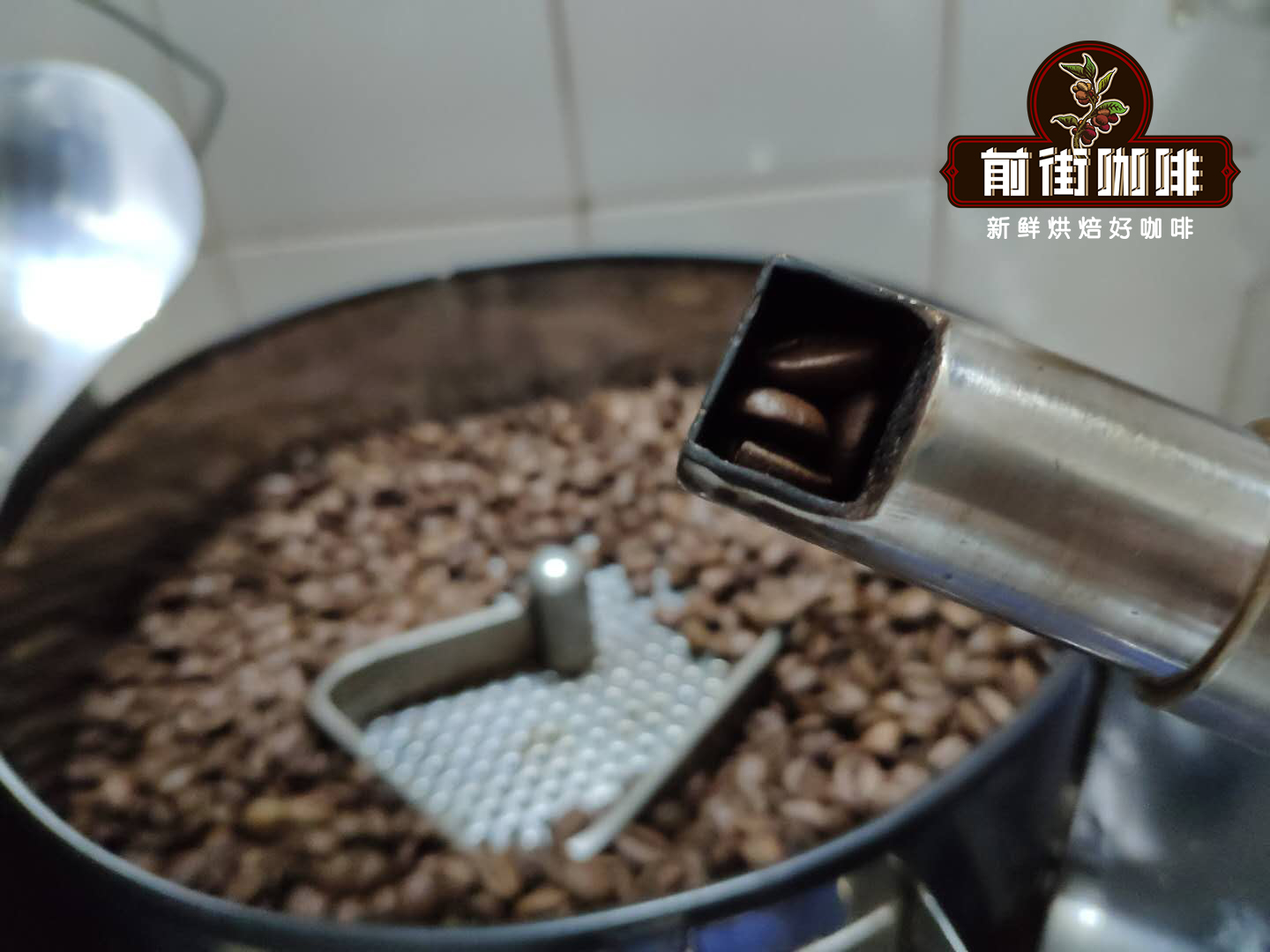
3.Semi-direct-fire semi-hot-air type
A roasting method that combines the advantages of the direct-fire type and the hot-air type, and is currently the mainstream of commercial roasting machines. Semi-direct-fire roasting is actually quite similar to direct-fire roasting, but because there are no holes in the outer wall of the roasting container, the flame does not directly contact the coffee beans; in addition, an exhaust device is added to guide the hot air outside the roasting container into the roasting chamber to improve roasting efficiency. Another function of this exhaust device is to suck out the detached silver skin (the thin film attached to the outer layer of the coffee seed), preventing the silver skin from burning in the roasting chamber due to high temperature and thereby affecting the taste of the coffee beans.
Semi-direct-fire semi-hot-air machines combine the advantages and disadvantages of direct-fire and hot-air types, but change their heating method according to adjustments to the hot air and the boiler rotation speed. The more the hot air is opened and the faster the rotation speed, the closer it is to the hot-air type; conversely, the closer it is to the direct-fire type.
This kind of home roaster uses an alcohol lamp or gas lamp as the heat source, while larger ones directly use the flame on a gas stove as the heat source. The advantages of this kind of roaster are that it is intuitive, convenient for controlling the degree of roast, and easy to clean the silver skin, but the roasting temperature is not easy to control.
How Front Street operates a hand-cranked semi-direct-fire drum roaster
1) Put green coffee beans into the roasting drum; the amount of green beans depends on the size of the drum, then seal the drum;
2) Light the heat source, turn the handle at a constant speed, rotate the roasting drum, and make the beans in the drum tumble evenly;
3) After 3–4 minutes of roasting, the beans in the drum begin to turn yellow, the silver skin falls off, and an aroma is given off;
4) At 6–7 minutes of roasting, the beans in the drum have already turned brown and begin to give off white smoke; at around 8 minutes, first crack begins;
5) At about 10 minutes, first crack ends. If you like a light taste, you can drop the beans now. If not, continue roasting and wait for second crack;
6) At 12 minutes, second crack is complete. At this point, quickly drop the beans and cool them with an electric fan; roasting is finished.
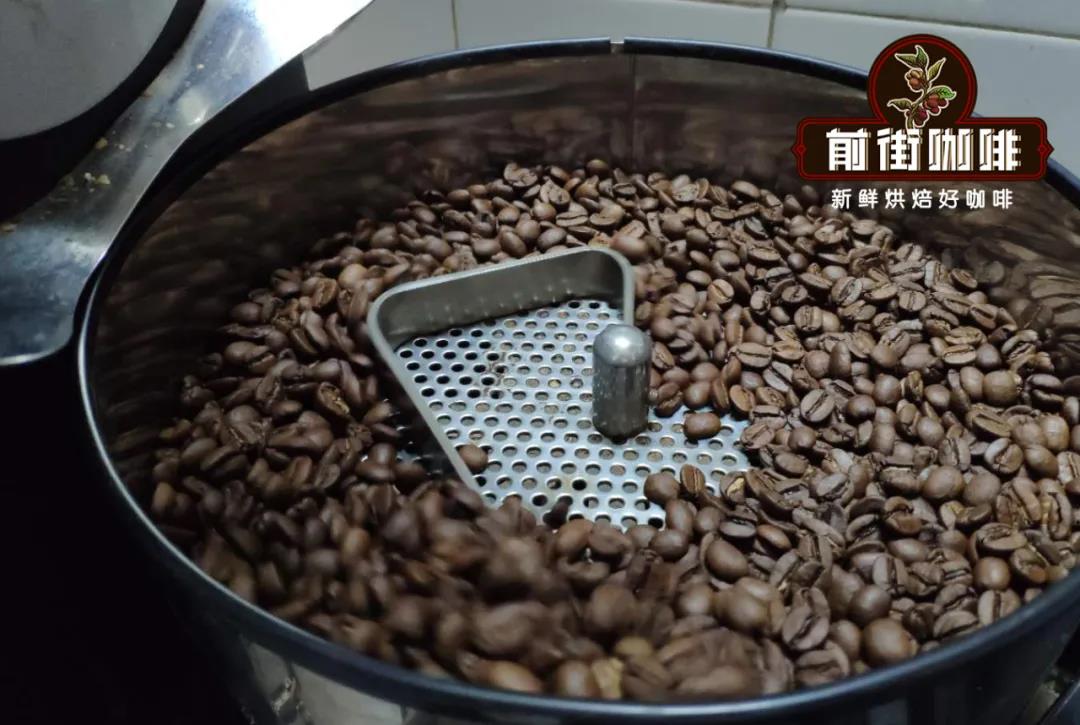
How Front Street determines the coffee roast level
Green beans—each coffee cherry contains two green beans, and the aroma is still deeply hidden within them, waiting to be discovered. In green beans, there is a large amount of chlorogenic acid. With the roasting process, the chlorogenic acid gradually disappears, releasing familiar and pleasant fruit acids—such as acetic acid, citric acid, and malic acid contained in wine. Roasting just right can properly bring out these beautiful acids; conversely, if roasted too much, they will be completely masked.
At 5–7 minutes of roasting, the beans begin to release moisture, changing from pale green to orange-yellow, giving off a unique aroma like creamed roasted vegetables.
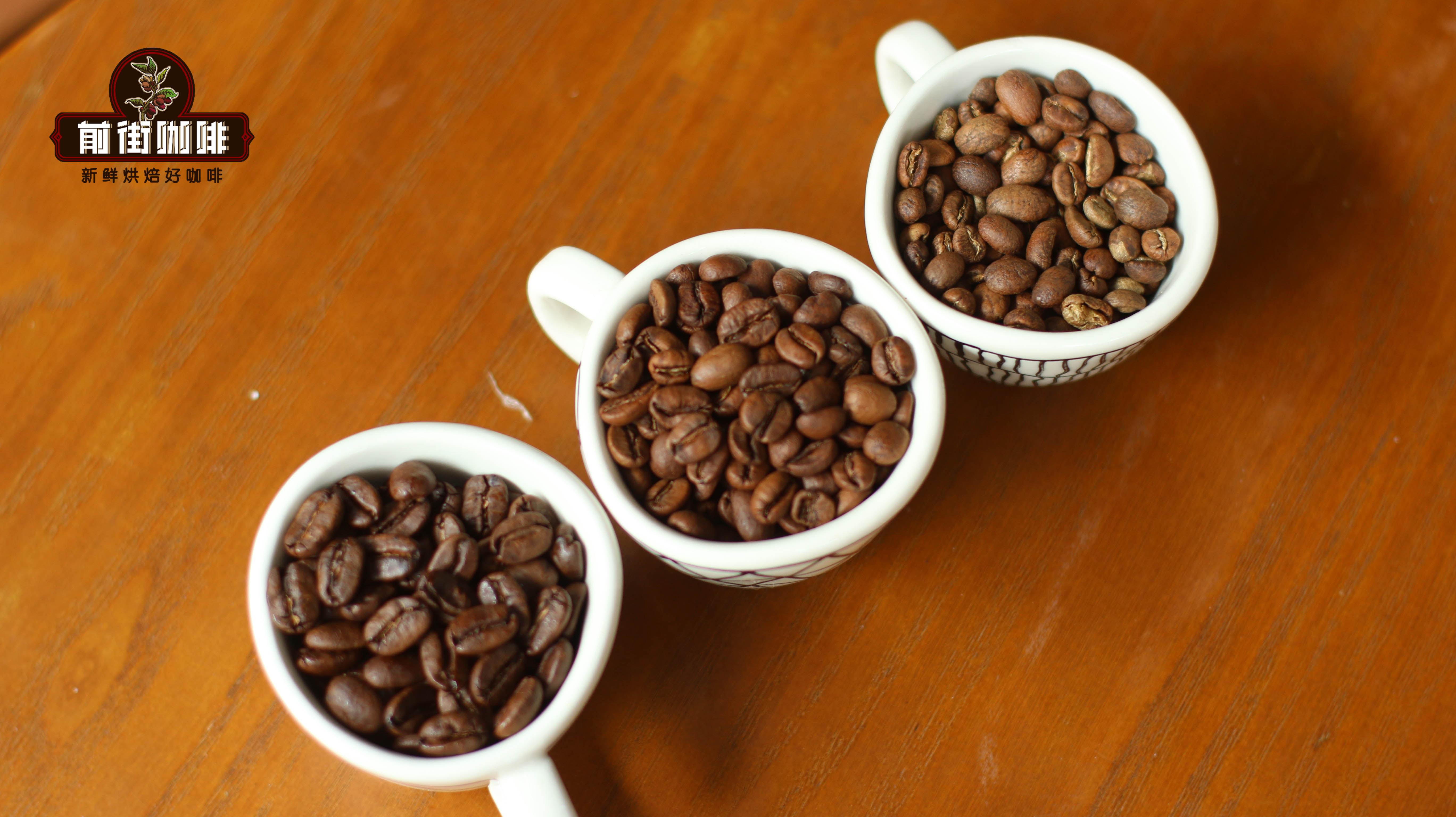
Light roast—when the beans emit their first soft crack and expand in volume at the same time, and the color changes to a tasty cinnamon color, so it is also called cinnamon roast or half-city roast. Acidity dominates the flavor of light-roasted beans, and the texture and mouthfeel have not yet been fully developed, so they are generally used for canned coffee and cannot satisfy true coffee connoisseurs.

Light-roasted coffee beans
Medium roast—at 10–11 minutes of roasting, the coffee beans present an elegant brown color. New Yorkers like to use medium-roasted coffee beans at breakfast, with rich milk and sugar, to open each day, so this roasting method is also called breakfast roast or city roast. Medium roast can preserve the original taste of the coffee beans while also moderately releasing aroma, so single-origin coffees such as Blue Mountain, Colombia, Brazil, etc. mostly choose this roasting method.
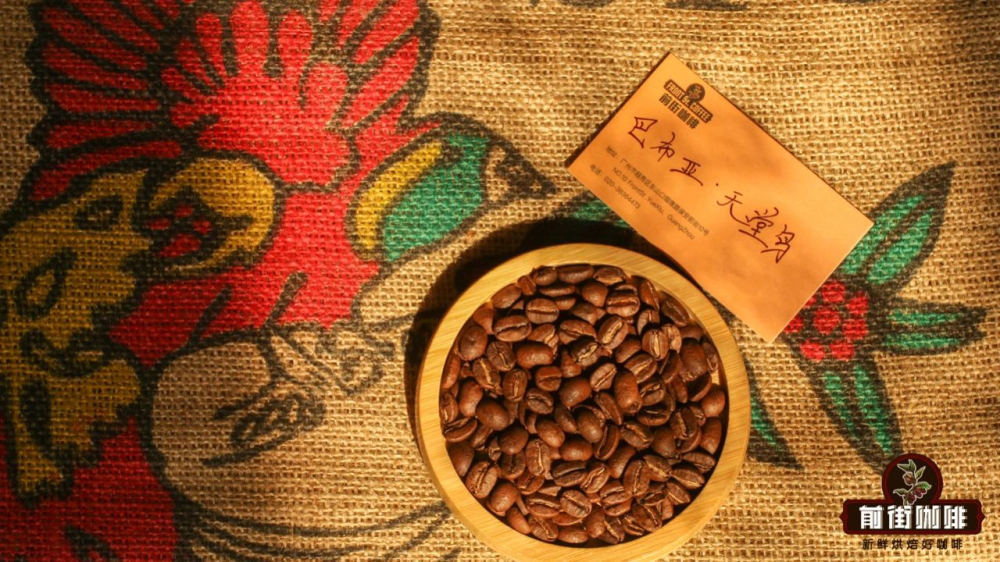
Medium-roasted coffee beans
At 12–16 minutes, the oils begin to surface, and the beans are branded and scorched by fierce heat into an oily dark brown, called full-city roast. Some people believe that at this point the acidity, sweetness, and bitterness of the coffee reach the most perfect balance, and the character of the coffee beans is also clearly delineated.
Dark roast—the darker the color of the coffee beans, the sweeter and more mellow the flavor. At this point, when the oils have turned into caramel, bitterness gives way to sweetness and the aftertaste is endless, making it most suitable for brewing strong Espresso coffee, so it is also called Italian roast.
Moderate roasting gives coffee beans life, transforming into the memorable acidity, sweetness, and bitterness at the moment they enter the mouth. However, people sensitive to caffeine may want to choose dark-roasted beans as much as possible, because during the roasting process caffeine slowly dissipates, so the darker the roast, the lower the caffeine content. It is said that the caffeine content in each cup of Espresso is only half that of other medium-roasted single-origin coffees.
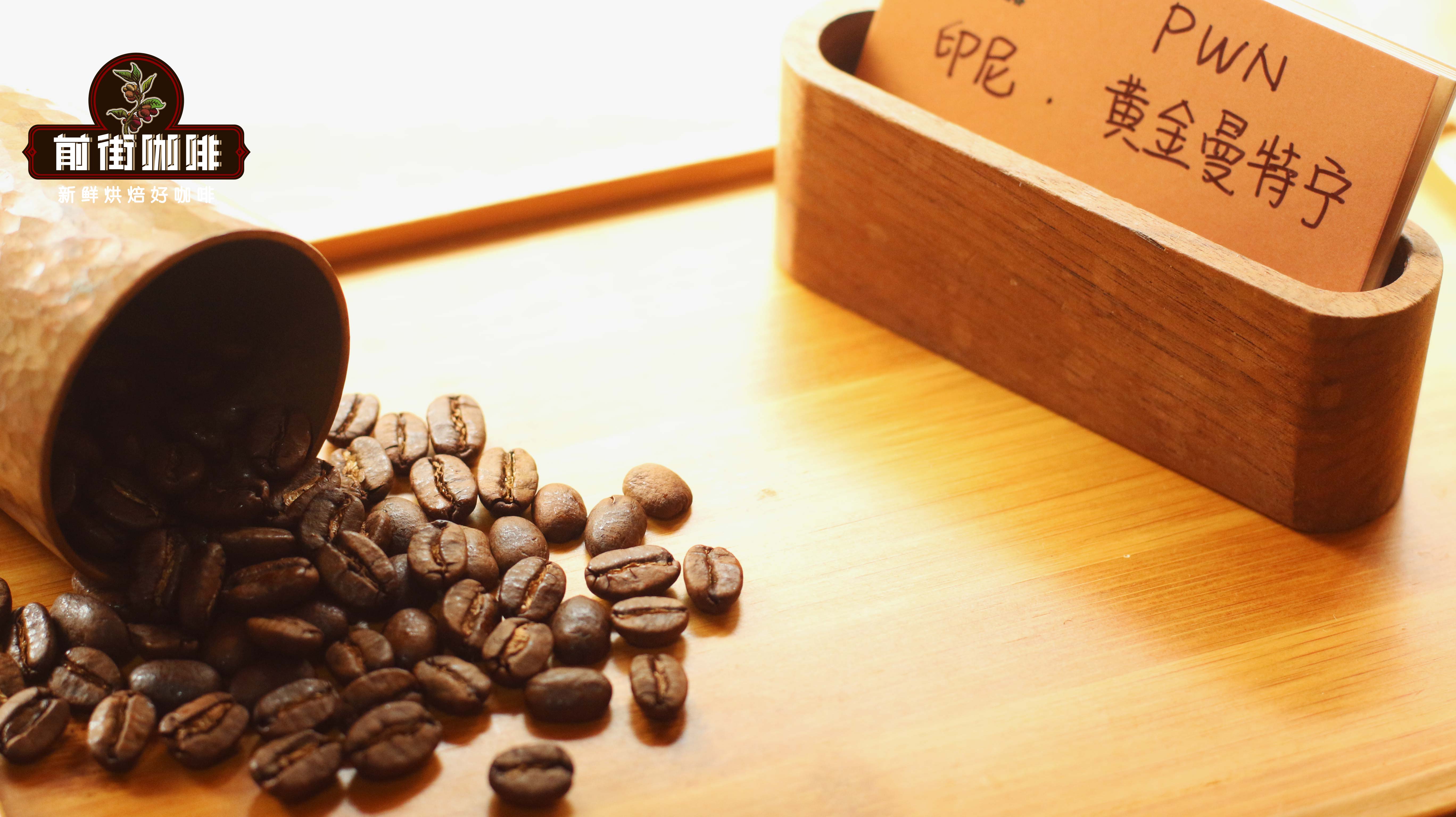
Dark-roasted coffee beans
We all know that during the roasting process, coffee beans produce coffee flavor and aroma. So how are this flavor and aroma obtained? What is their relationship with caramelization and the Maillard reaction?
What is the [caramelization reaction]?
The sugars in coffee beans undergo the caramelization reaction at about 170–200°C, which happens to be the melting point of sucrose (185°C) and the temperature of the first crack stage during coffee bean roasting.
The products of the caramelization reaction are divided into two parts:
The dehydration products of sugar, namely caramel or burnt sugar color.
Cracking products, mainly some volatile aldehydes and ketones.
Overall, the caramelization reaction produces a roasted aroma, caramel, and color, and also produces other aromatic substances such as maltol, Cyclotene, furan compounds, etc. These compounds can also be found in foods such as red wine, fruit juice, and butter.
However, if caramelization goes too far during roasting, it is not a good thing; instead, it causes carbonization, making the coffee dry, bitter, and throat-rasping. If caramelization is insufficient, the aroma will be monotonous and lacking in layers.
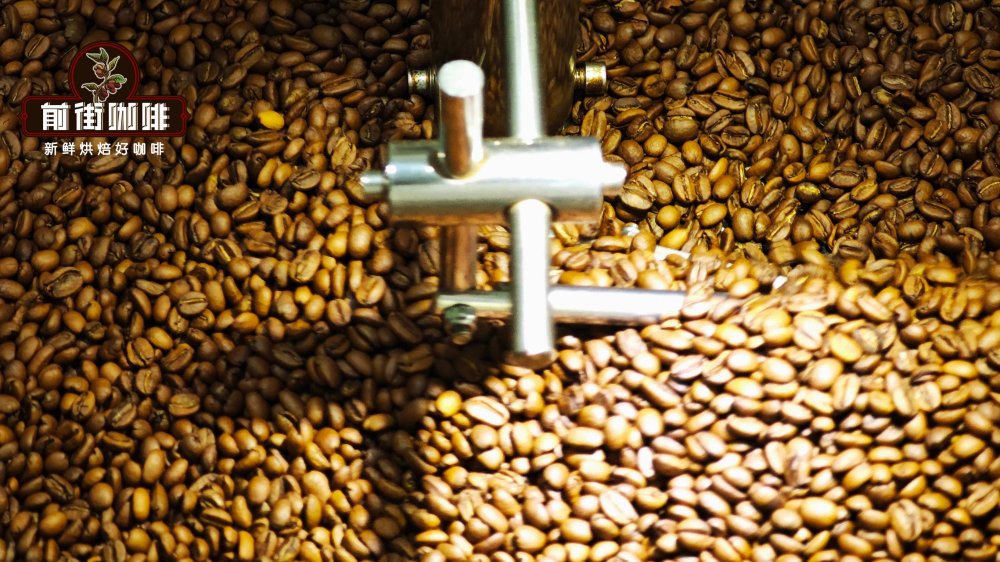
Caramelization reaction temperature and coffee roasting
During the roasting process, three factors that determine the final flavor of coffee must be properly controlled: acidity, sweetness, and bitterness. Generally speaking, the longer the total roasting time, the less acidity remains in the end; conversely, bitterness becomes stronger with longer roasting time, and the darker the roast, the more bitter the coffee.
It is just such a seemingly uncomplicated process, yet it sublimates sugar, breaking through single-dimensional sweetness and blending in a color that looks more sensual and an aroma that stimulates appetite even more. If you boil and add sugar at home, the entire process is accompanied by an intoxicating aroma.
What is the [Maillard reaction]?
The Maillard reaction is the most complex chemical reaction that occurs during the coffee roasting process, bar none! After the Maillard reaction, the flavor substances in coffee beans are more than double those in green beans before roasting! Therefore, the Maillard reaction is one of the most important reactions that produces the myriad flavors of coffee.
The Maillard reaction refers to a series of complex reactions between amino compounds (amino acids and proteins) and carbonyl compounds (mainly reducing sugars such as glucose, fructose, lactose, and maltose) that generate brown compounds and then, in the later stage of the reaction, generate black macromolecular compounds—melanoidins. Therefore, the Maillard reaction is also called the non-enzymatic browning reaction.
The Maillard reaction process can be divided into three stages
1. Initial stage:
Carbonyl-amine condensation and Amadori molecular rearrangement
2. Intermediate stage:
The Amadori molecular rearrangement product fructosamine dehydrates into HMF (hydroxymethylfurfural)
Fructosamine loses an amino group to become a reductone
The action of amino acids with dicarbonyl compounds
3. Final stage:
Aldol condensation
Polymerization reactions that generate melanoidins
During the coffee roasting process, the Maillard reaction mainly begins after dehydration is complete, when the bean color begins to turn yellow and then brown. The reaction will continue until your roast ends and the beans have completely cooled, only then stopping. But when first crack is about to begin, another reaction important to coffee flavor, the caramelization reaction, will begin. It will share the same reaction raw material—sugar—with the Maillard reaction, causing the rate of the Maillard reaction to begin slowing around first crack. So the generally main Maillard reaction stage refers to the period during roasting from when the coffee beans turn yellow to first crack. During the reaction process, macromolecular compounds such as melanoidins are continuously produced, and through the reaction ultimately more than 600 volatile organic compounds will exist in the roasted coffee beans. So the Maillard reaction brings flavor, mouthfeel, color, and complexity to coffee.
Then, during the coffee roasting process, the degree of the Maillard reaction can be indirectly adjusted by adjusting the roasting rhythm, thereby adjusting the flavor of the coffee. Since the Maillard reaction is not greatly affected by increasing temperature after 80°C, adjustments are generally made by lengthening or shortening the reaction time. Lengthening the Maillard reaction time will produce more macromolecular melanoidins, bringing a heavier mouthfeel and a more complex and deeper-toned flavor to the coffee.
What do first crack and second crack refer to?
As roasting proceeds, the temperature of the beans begins to rise.
First crack: As a result, the components in the coffee beans begin to undergo various chemical changes, and little by little form the color, bitterness, acidity, and aroma of the coffee beans. At this time, water vapor and carbon dioxide are gradually produced inside the beans, and these gases increase the pressure inside the coffee beans, so the coffee beans expand. Because the cell walls cannot withstand the gradually increasing pressure, accompanied by crackling sounds, the cells of the coffee beans are destroyed. This is the so-called "first crack."
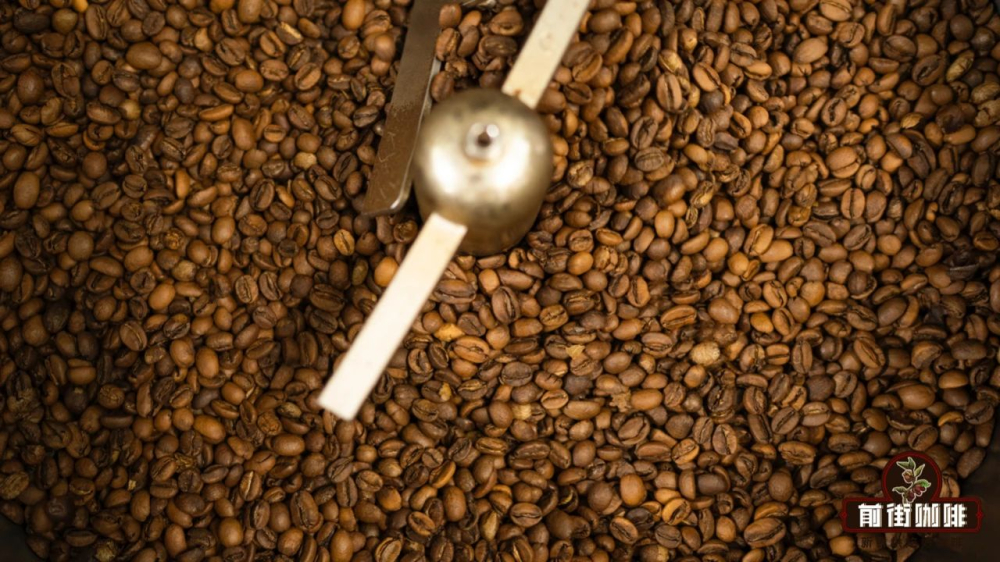
Second crack: After first crack, some of the components produced begin to decompose while generating heat. During this process, gases are produced, causing the beans to continue expanding. Along with the expansion of the coffee beans, the cells are destroyed again, and immediately afterward crackling sounds are emitted again. This is the so-called "second crack" and "third crack." After the coffee beans are removed from the roaster and forcibly cooled, this change stops.
Once coffee beans expand, they will not shrink back. When roasting green coffee beans of the same variety, the size of the coffee beans will determine the method of dark roasting versus light roasting; light-roasted coffee beans are smaller.
The problems commonly encountered during the coffee roasting stage are as follows:
1. The preheating temperature of the roaster is insufficient, and the coffee beans are immediately put into the roaster, extending the roasting time. Therefore, roasting loss is large and the coffee beans are pale in color, because with insufficient heat the surface cannot fully caramelize, resulting in a lack of color, and the internal structure is coarse.
2. The roaster temperature is too high. When roasting coffee, a hard crust forms prematurely on the surface, suppressing the expansion of the internal structure, and because its surface colors quickly, the operator mistakenly thinks the product is already roasted and ends the roast early. This kind of bean is stickier and denser inside, cannot achieve the proper expansion, and also lacks normal aroma.
3. The idle gap after preheating is too long. The internal chamber, dry-heated for too long, accumulates too much heat. As soon as the coffee beans enter the roaster, all the heat sources concentrate on the bean surface in the earliest stage of roasting, forming too strong top heat, after which the heat rapidly disappears and the temperature drops quickly. The unstable chamber temperature makes it difficult for the inside of the coffee beans to roast through.
4. Roasting time is too long or too short. The level of roasting temperature and the length of time should be adjusted according to the amount of beans. With a small quantity, the roasting chamber has more space, and the thermal energy from metal conduction and radiant heat is greater, so the temperature should be lower; with a larger quantity, the temperature can be higher. The length of roasting time also needs flexible adjustment. Generally, when beans enter the roaster, they absorb heat from the surface and surroundings and transfer it to the center of the bean, so the roasting condition can be observed from changes in the bean surface.
5. Differences in roaster type and performance also cause differences in roasting time and temperature. From the past direct-fire gas type with upper and lower heat to the electrically heated type commonly used now, the design of energy convection has been continuously improved. At the same time, adding fans improves the stability of thermal convection, making the color of roasted beans more uniform, and also saving electricity and roasting time.
Key points to note before roasting coffee beans:
Remove bad coffee beans mixed in with the green beans, such as defective beans. Even one defective bean may affect the taste and flavor of the entire batch of coffee.
The ideal moisture content of green beans is 11–13%. To maintain such moisture content, a good storage environment is needed. The humidity and temperature of the warehouse should preferably be maintained at an average of 50% and 20°C.
When preparing to roast, we measure the weight of green coffee beans to be roasted, and then pour them into the hopper on the machine body. Although they are ready to be roasted, sometimes they may still need to wait a while in the hopper. Why is that? This is because before roasting, the roaster needs to undergo a preheating procedure. We set the temperature to preheat to, and after preheating, go to the appropriate chamber temperature setting; only then can the green beans enter the roaster. This principle is like searing a steak: we rarely put a steak that is about to be seared onto a cold pan; when baking a cake in an oven, a preheated oven can bake the cake more evenly and let it rise better. Coffee roasting and cooking share similar principles: they both require a procedure of preheating the tool.
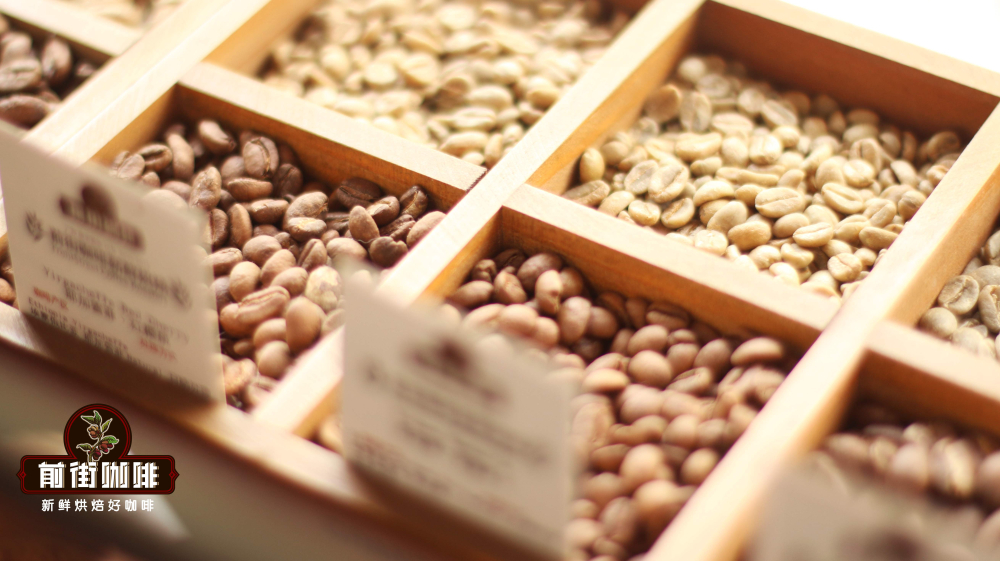
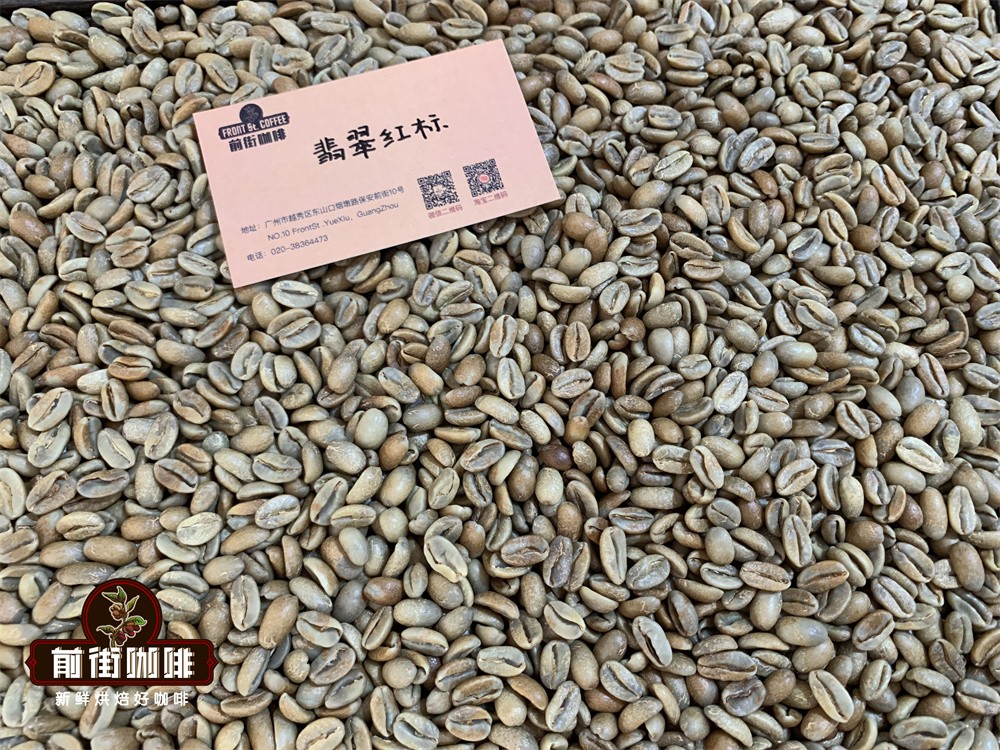
Schematic diagram of green beans
Key one: warming the drum
The reference basic charge temperature for the roaster used is based on 200°C, so the boiler temperature must first be stabilized above 200°C. The air damper is set to maximum, and the warming time is about 30–45 minutes. After 45 minutes, when the temperature reaches between 200–210°C, warming the drum can be considered complete.
If the boiler temperature is 210°C and we need to charge at 200°C, then we can close the air damper so that the temperature falls to 200°C, and then proceed to the next step, charging the beans. It is not recommended to raise the temperature quickly, because in the result of a bean roaster, excessive burner power (gas volume) only increases the surface temperature of the boiler, not the temperature of the entire boiler.

Key two: determine charge temperature according to the nature of the green beans
Today's reference is Papua New Guinea Paradise Bird, Typica variety, a low-density green bean, so it is not very suitable for dark roasting. It naturally has a refreshing acidity and fruit aroma. We will choose a medium-light roast and will focus on burner adjustment after first crack. First judge the basic conditions of the green beans, then decide the roasting method. First, it is a washed-process, relatively low-density green bean with 10% moisture content from the 2017 crop. Based on the existing state of the green beans, set the charge temperature, so the charge temperature is set at 200°C.
Key three: burner adjustment
The roasting process is tricky: if the fire is too strong, the outside cooks while the inside remains raw; if the fire is too weak, the inside overcooks. To roast coffee beans evenly inside and out, controlling the heat is the key point.
FrontStreet Coffee (FrontStreet Coffee) specific roasting operation
When the chamber temperature reaches 200°C, charge the beans, set the air damper to 3. After 1 minute of steaming, adjust the burner to 160°C, keep the air damper unchanged, adjust the burner once at a chamber temperature of 160°C, lower it to 115°C, roast until 5 minutes 35 seconds, temperature 152°C, the bean surface turns yellow (Maillard reaction begins), the grassy green flavor completely disappears, dehydration is complete, adjust the air damper to 4 (at this time water vapor is produced, open the damper wider to discharge the water vapor);
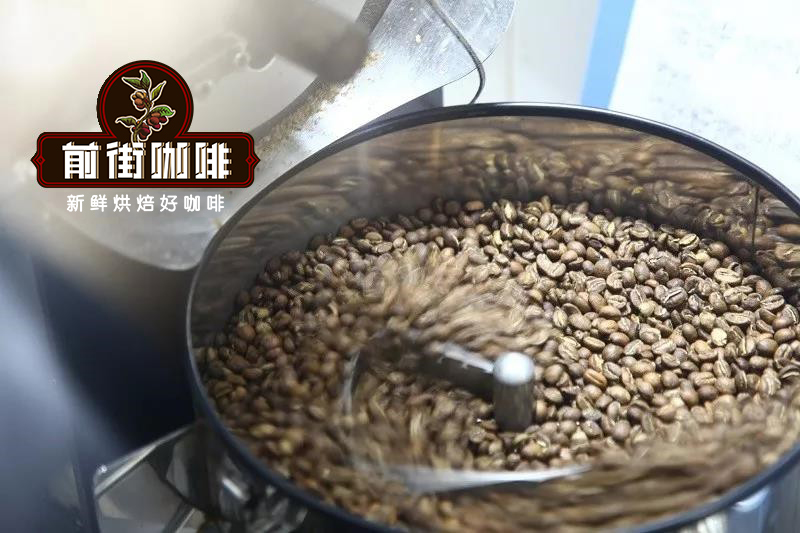
At the 9th minute, ugly wrinkles and dark streaks appear on the bean surface, and the toasted-bread smell clearly turns into coffee aroma, which can be defined as the prelude to first crack. At this time, listen carefully for the sound of the first crack point. At 8 minutes 40 seconds, first crack begins, keep the low burner unchanged, open the air damper fully to 5 (discharge at this time), adjust the burner to 40°C, and drop the beans at 191.3°C. (This belongs to light-medium roasting.)
First crack stage: open the air damper to maximum
The first crack stage is one of the stages in the coffee roasting process that most requires care and full concentration. Because the coffee beans had been continuously heated before, the moisture inside the beans turned into water vapor.
Because heating continues in the later stage, the water vapor inside the beans and the carbon dioxide produced by the Maillard reaction exert great pressure on the cell structure of the beans. Finally, the pressure becomes too great for the beans to withstand, causing the cell structure of the coffee beans to rupture. Water vapor, carbon dioxide, and some other substances then burst out from inside the beans, indicating that first crack has begun. Therefore, first crack produces a large amount of smoke, and here the air damper is opened to maximum!
How Front Street records the roasting curve
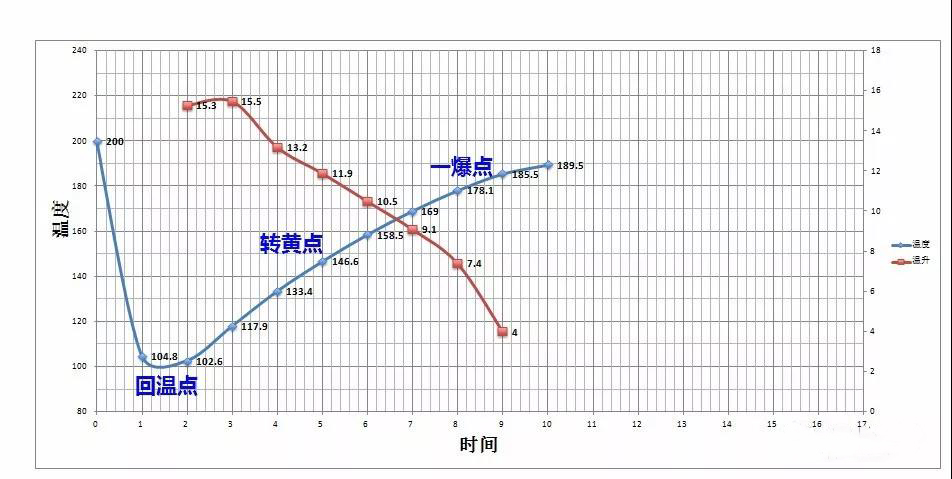
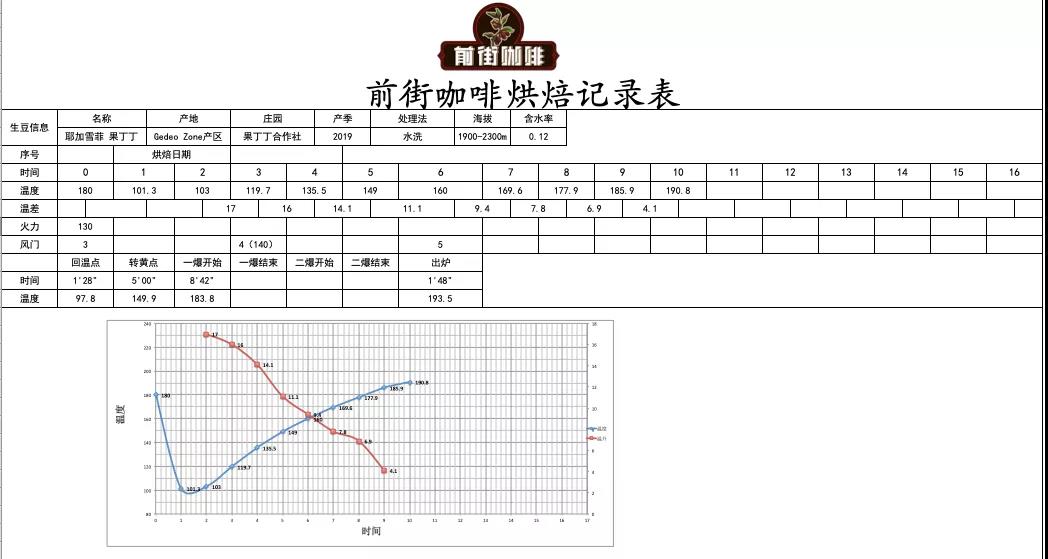
Below, take the roasting curve of washed Yirgacheffe Gudingding as an example:
Front Street's roasting process is as follows:
Roaster Yangjia600gsemi-direct fire
Charge amount300g,
Turning point:1min28,97.8℃
Yellowing point:5min,149.1℃
First crack:8min42,138.8℃
Drop:1min48,193.5℃
Drop at dense first crack
Roast level: light roast
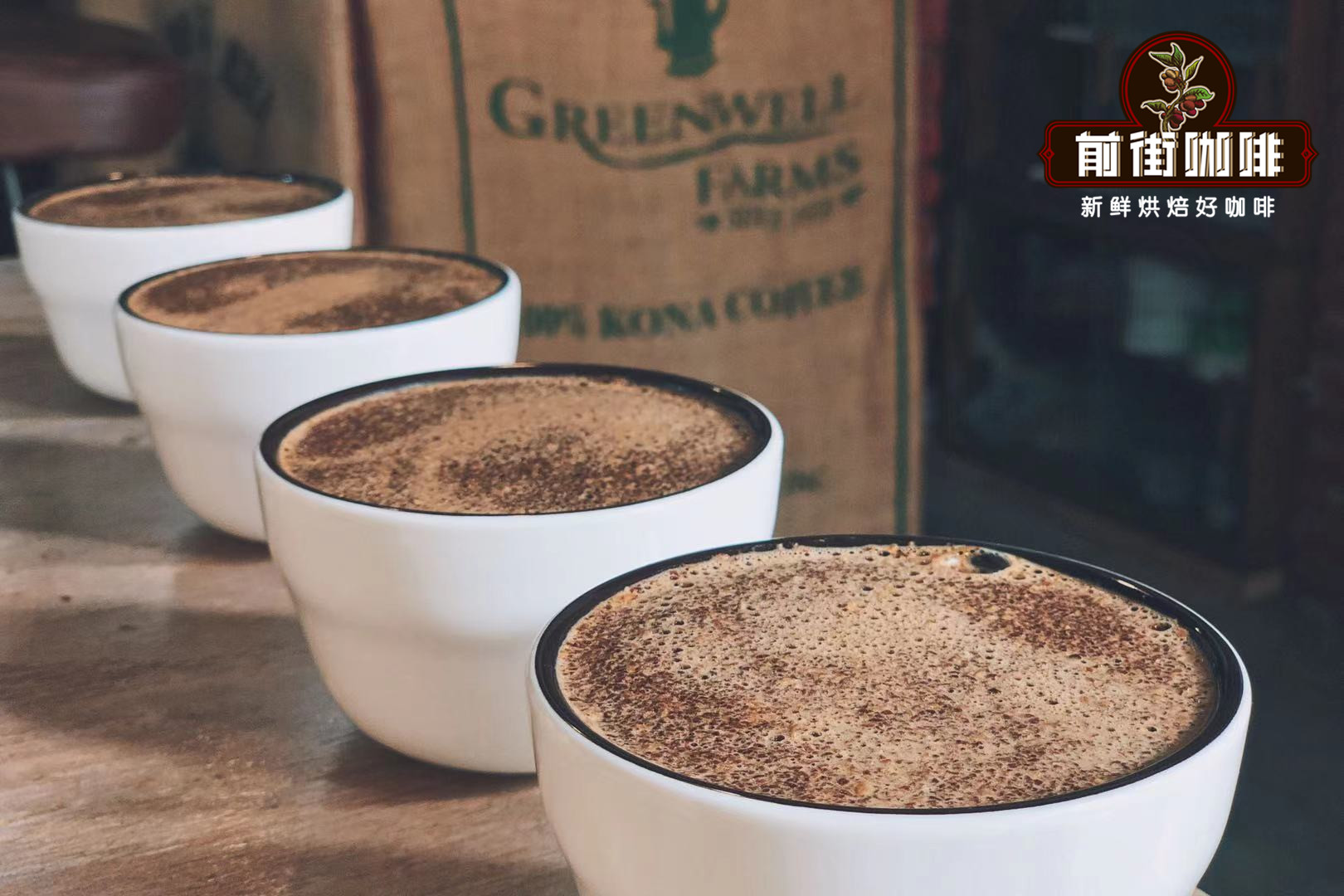
Cuppped flavor 12 hours after Front Street roasting: on entry there are citrus and black tea; as the temperature changes, there are cream, caramel, and almond, with an obvious sweet aftertaste and a clean, sweet mouthfeel.
What is the best time point for roasting coffee beans?
The best time point does not mean that at exactly which minute and second you drop the beans proves that your roast level or quality is consistent. It also involves the characteristics of the green coffee beans themselves, the rate of temperature rise throughout the coffee bean roasting process, and so on.
So for this question, without considering other factors, if you judge only by the single roasting factor of drop time, you can operate as follows (this is a simplified version, assuming you already understand the characteristics of the green beans, the turning point is normal, and factors such as burner power are fixed):
Step one Make an assumption
Based on your usual roasting experience, make a rough roasting prediction. For example, generally speaking, approximately:
At what time will first crack begin?
How long will first crack last?
How long is the interval between first crack and second crack?
Step two Sampling
At 30s, 50s, and 60s after first crack begins, at 25%/50%/75% of the period between first crack and second crack, before second crack begins, when second crack begins, and upon entering second crack, take 11g samples each time.
Step three Cupping
Cup the samples taken, determine which interval range best matches your expectations, and then you can determine it!
But for the same bean, different roasting rhythms will greatly affect the coffee's taste, mouthfeel, and flavor tone. The coffee roasting process is generally divided into three stages: the dehydration stage before the beans turn yellow, the browning reaction stage after yellowing when the main chemical reactions (mainly the Maillard reaction) begin until before first crack, and the development stage after first crack until the end of roasting.
Adjusting the roasting rhythm means adjusting the time and temperature rise of these three stages, as well as the temperature of the turning point.
Generally speaking
Coffee with a faster rhythm and shorter total roasting time will have a lighter mouthfeel, lower complexity, bright acidity, and lively flavors. However, too fast a roasting rhythm easily leaves the coffee with vegetal green flavors and underdeveloped tastes.
Coffee with a slower rhythm and longer total roasting time will have a heavier mouthfeel, higher complexity, and more caramel-chocolate tones. However, too slow a roasting rhythm will create dull flavors,沉闷 acidity, and low coffee cleanliness.
Coffee roasting is generally divided into three stages, so how does adjusting the time of these three stages affect the taste of coffee?
In the dehydration stage, a fast rhythm will create higher pressure inside the coffee, a lower mouthfeel, and higher cleanliness. A slow rhythm will allow less pressure to accumulate inside the coffee, a higher mouthfeel, and may make the coffee's flavor dull, its cleanliness lower, and its complexity higher. This is because a dehydration rhythm from slow to fast will cause the beans to accumulate heat momentum and internal pressure from small to large in the early stage of coffee roasting.
This directly affects the rhythm of the latter two roasting stages. Greater pressure in the bean core is not conducive to the Maillard reaction, causing fewer substances that bring Body to coffee to be produced, and instead retaining more substances with floral and fruity aromas. And the greater the heat momentum accumulated in the early stage, the more it will accelerate the rhythm of the later process.
In the stage after yellowing, the Maillard reaction begins. Shortening this stage and speeding up the rhythm will reduce the complexity of the coffee's taste, improve cleanliness, and make the mouthfeel lighter. Conversely, slowing the rhythm of this stage will increase the complexity of the coffee's taste and give it a heavier mouthfeel, but cleanliness will decrease. The longer this stage is, the more caramel tones the coffee will have. The coffee's taste will also develop toward depth and singularity.

The development stage, from after first crack to the end of roasting. At this time, in addition to the Maillard reaction continuing to occur, the caramelization reaction also begins at the same time. A fast-rhythm development stage will give the coffee lively, bright acidity, lower complexity, lower bitterness, and more variable aroma.
Slowing the rhythm of the development stage may make the coffee flavor monotonous and uninteresting, but it will make the acidity rounder and give it a good complexity. If dragged out too long, it may turn round acidity into flat, uninteresting acidity. Prolonging the development time will also produce more chocolate and creamy flavors.
Finally, FrontStreet Coffee (FrontStreet Coffee) will share once more: "What conditions should a good coffee roaster possess?"
1, Ability to identify green coffee beans:
At the most basic level, one must identify green beans from major producing regions by appearance and characteristics, understand the differences between new and old crops, judge and screen defective beans, and even know how to look up information on the source of green beans. All of this is to obtain stable quality when purchasing green beans.
2, Coffee roasting technical ability:
The education and training that machine vendors should provide includes functional operation of the bean roaster, troubleshooting, and cleaning and maintenance. It should also provide practical operation, such as the differences caused by different moisture content, hardness, and other characteristics of green beans from major producing regions at the same roast level, the roasting curves and techniques that need attention, and the control of air damper, temperature, and burner power during different roast levels.

3, Coffee cupping and blending ability:
Basic cupping practice allows the roaster to judge whether coffee quality is good or bad, and whether the roast completion is excellent or not. In the ability to describe coffee flavor, it can also strengthen the explanation when selling and introducing to customers; in addition, when blending the house blend used in the shop, one can better grasp the characteristics that a single coffee should express, balance and coordinate various proportions, and show the unique taste of a café that roasts its own beans.
In short, coffee roasting will face all kinds of difficulties. Only by being familiar with the principles of coffee roasting, continuously accumulating experience, and adapting on the fly can a barista master superb skills.
For more specialty coffee beans, please add the private WeChat Front Street Coffee (FrontStreet Coffee), WeChat ID:kaixinguoguo0925
The above content is compiled by CoffeeHunters, a coffee news website.

